Whether a Groomer Will Turn Away a Matted Bernedoodle
It’s a truly frustrating and often disheartening moment for any Bernedoodle parent: you’ve tried to keep up with brushing, but despite your best efforts, those mats have appeared, tightening into an almost impenetrable felt, especially in those tricky spots. Now you’re facing the prospect of taking your beloved fluffy companion to the groomer, with a knot in your stomach, wondering if they’ll even agree to work on your dog, or if you’ll be met with a firm refusal and the recommendation for a complete shave-down. This guide will delve deep into why groomers sometimes have to turn away severely matted Bernedoodles, the genuine implications of severe matting for your dog’s health and well-being, and most importantly, how you can proactively prevent this uncomfortable and stressful situation for everyone involved.
The Harsh Reality of Bernedoodle Matting and Grooming Challenges
Let’s be honest, Bernedoodles are adorable, cuddly, and their unique coats are a huge part of their charm. But that beautiful coat comes with a significant responsibility, and if not managed properly, it can quickly become a groomer’s — and your dog’s — worst nightmare. Matting isn't just about looking messy; it's a serious welfare issue.
Understanding the Bernedoodle Coat's Predisposition to Matting
The Bernedoodle’s coat is a fascinating blend, a delightful inheritance from both the Poodle and the Bernese Mountain Dog. This means you typically get a wavy or curly coat that’s often described as low-shedding, but this very characteristic is what makes it prone to matting. Unlike shedding breeds where dead hair falls out, a Bernedoodle’s shed hair gets trapped within the existing coat. This trapped hair, combined with the natural texture and often dense undercoat inherited from the Bernese side, creates a perfect storm for tangles to form and quickly escalate into mats. Think about it: every rub against furniture, every roll in the grass, every scratch, even just daily movement, encourages these strands to intertwine.
Areas particularly susceptible to matting are those with a lot of friction or fine hair: behind the ears, under the collar or harness, in the armpits, on the belly, and the "britches" (the fluffy fur on the back of their hind legs). These mats often start small, a little tangle here or there, but if left unattended, they can rapidly grow, pulling on the skin and creating a painful, solid mass. It's a fundamental challenge of owning this wonderful breed, and understanding The Coat a Bernedoodle Gets From Two Heavy Coated Parents is the first step in prevention. You might also want to read about Why the Undercoat Is What Mats on a Bernedoodle.
Why Groomers Prioritize Humanity Over Aesthetics
When a groomer looks at a matted dog, their first thought isn't about what fancy haircut they can give; it's about the dog's comfort and safety. Dematting, when it’s severe, is an incredibly painful process. Imagine having your hair tangled, but multiplied by a thousand, and those tangles are pulling on your skin with every movement. That’s what a matted dog experiences. Trying to brush out tight mats involves tugging and pulling, which can cause significant distress, pain, and even skin bruising or tearing. A professional groomer has an ethical responsibility to prioritize the animal’s well-being above all else. This means they will often opt for the quickest and least painful solution, which, in the case of severe matting, is almost always shaving.
Furthermore, attempting to demat a severely matted coat carries significant risks for the dog. Clippers and shears are sharp, and when mats are pulled tight against the skin, there’s very little room for error. The skin underneath a mat can be thin, inflamed, or stretched taut in unpredictable ways. A groomer trying to work through a dense mat risks accidentally nicking or cutting the skin, causing clipper burns, or aggravating existing skin conditions that are hidden beneath the felted fur. It’s a delicate and dangerous operation, and no responsible groomer wants to put a dog through that trauma or risk injuring them.
When a Groomer Must Say "No" or Recommend a Complete Shave
There's a point where matting goes beyond simple tangles and becomes what groomers call "pelted" or "felted." This isn't just a bad hair day; it's a serious issue that limits a groomer's options significantly.
Assessing the Severity of Matting
Groomers are trained to assess the extent of matting with a quick but thorough examination. They’ll run their fingers through the coat, feeling for resistance and density. Often, they’ll use a technique like the "card test," where they try to slide a credit card or comb underneath the mat, close to the skin. If they can’t get the card or comb underneath, it means the mat is too tight and close to the skin to be brushed out without causing immense pain.
- Minor Tangles: These are usually small knots that can be carefully worked out with a detangling spray and a comb, often during a regular grooming session.
- Moderate Matting: Larger, more numerous mats, perhaps not yet against the skin, but requiring significant time and effort to brush out. This might incur extra dematting fees, but is usually still manageable.
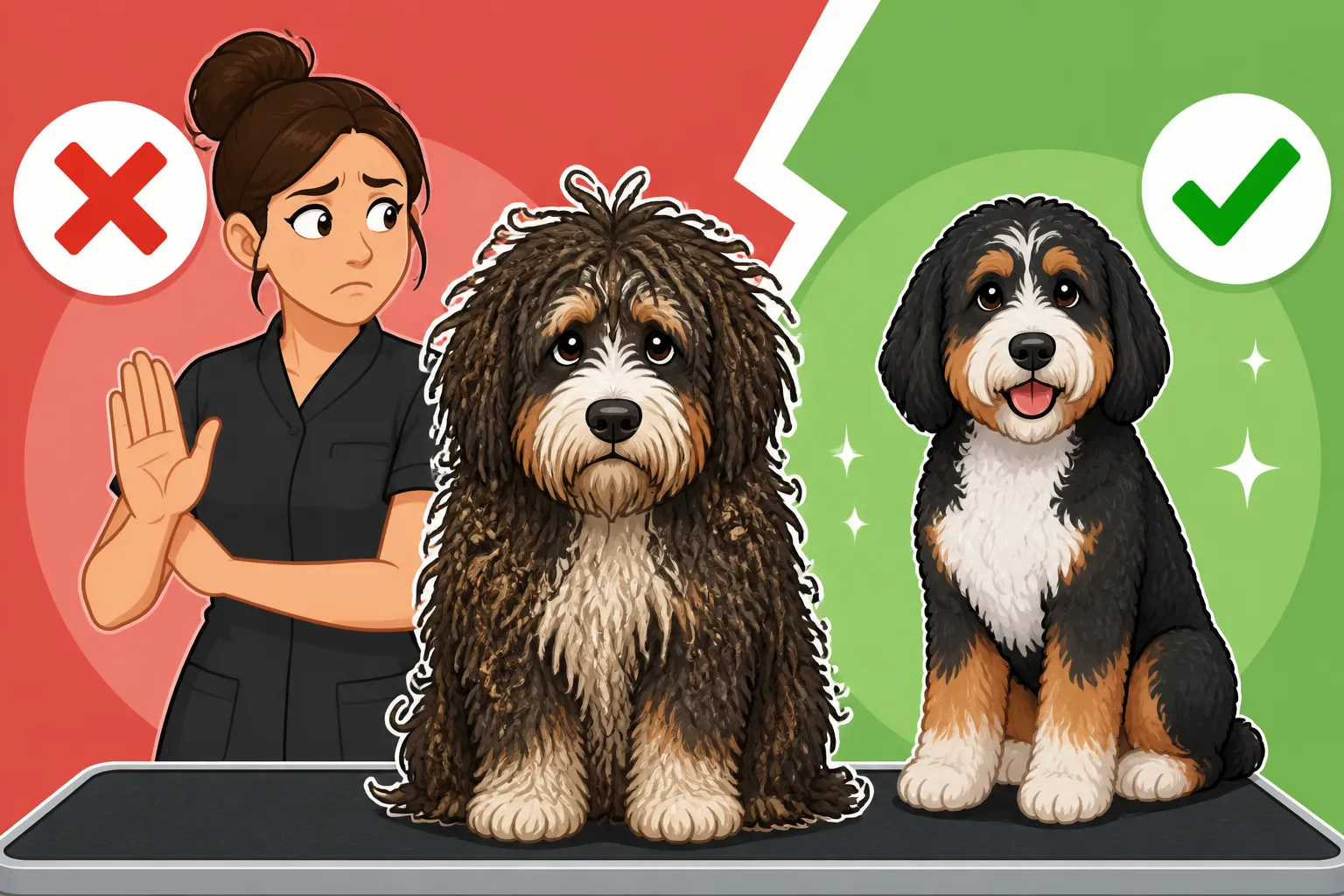
- Severe Matting (Pelted/Felted): This is when the mats have formed a solid, thick layer, often like a blanket, that covers large sections of the dog's body, adhering tightly to the skin. The skin underneath is often impossible to see or feel. In these cases, brushing is not only futile but incredibly cruel.
When a Bernedoodle arrives in a severely matted state, a responsible groomer has very limited choices. They cannot, in good conscience, subject a dog to hours of painful dematting, nor can they risk severe injury. This is why you might hear the dreaded words: "I can't groom your dog like this," or "The only humane option is a full shave."
The "Undercoat" and Health Implications for the Dog
Beyond the immediate pain of pulling, severe matting has a host of other health consequences that owners might not realize. The dense, matted fur creates an environment ripe for problems, often exacerbated by the Bernedoodle's thick undercoat.
- Skin Irritations and Infections: Mats prevent air circulation to the skin. This trapped moisture and lack of airflow create a breeding ground for bacteria and yeast, leading to painful skin infections, hot spots, and dermatitis. The skin beneath the mat can become red, inflamed, itchy, and even develop sores. We often see Skin Problems Under a Bernedoodle's Heavy Coat when this happens.
- Parasites: Mats can hide fleas, ticks, and other parasites, making them incredibly difficult to detect and remove. The dog might be itching intensely, further irritating the skin under the mats.
- Restricted Movement: When mats are tight, especially in joints like armpits, behind the knees, or on the chest, they can restrict the dog's ability to move freely. Imagine trying to walk with your clothes glued to your skin, pulling and pinching with every step. Dogs might become reluctant to walk, run, or even lie down comfortably. Mats in a Bernedoodle's Armpits and Britches are particularly problematic for this reason.
- Circulation Issues: Extremely tight mats can even restrict blood flow to certain areas, leading to swelling or discomfort.
- Fecal and Urinary Contamination: Mats around the anus and genitals can collect feces and urine, leading to hygiene issues, odor, and further skin infections.
These health issues are not just uncomfortable; they can become serious and require veterinary intervention. A groomer isn't just worried about the hair; they're worried about the living creature underneath it all.
The Time and Cost Implication for the Groomer (and Owner)
Let's also talk about the practical side, although secondary to welfare. Dematting takes an enormous amount of time. What might be a two-hour regular groom can easily turn into a four or five-hour ordeal, even if it were safe and humane to attempt. Many groomers refuse to engage in excessive dematting because it's simply not fair to the dog, and it ties up their schedule, preventing them from seeing other clients.
From a business perspective, the wear and tear on grooming equipment is also significant. Cutting through dense, felted mats dulls clipper blades incredibly quickly, requiring frequent sharpening or replacement, which is a considerable expense for the groomer. While some groomers might offer a limited dematting service for minor issues at an extra charge, for severe matting, the labor, pain, and risk simply outweigh any potential financial gain. This is why What a Matted Bernedoodle Costs to Shave is often a point of contention for owners, but it reflects the difficulty and ethical considerations involved.
The Humane Choice: Shaving a Severely Matted Bernedoodle
When severe matting is present, the decision to shave a Bernedoodle down is not made lightly by a professional groomer. It is a decision rooted in compassion and the best interest of the dog.
Why a Full Shave is Often the Only Option
For a Bernedoodle suffering from severe matting, a full shave is almost always the kindest, quickest, and safest solution. Here’s why:
- Immediate Relief: Shaving through mats, often with a very short blade (like a #10 or even a #30 blade, which cuts extremely close to the skin), offers instant relief from the constant pulling and discomfort. The dog can finally move freely, scratch without resistance, and experience air on its skin.
- Access to Skin: A shave allows the groomer, and then the owner or veterinarian, to properly inspect the skin underneath. This is crucial for identifying and treating any underlying skin infections, hot spots, or parasites that were hidden by the mats. You can’t treat what you can’t see.
- Prevents Further Damage: Attempting to brush out severe mats would only further irritate the skin, cause more pain, and potentially lead to even worse infections or injuries. Shaving prevents this escalation of suffering.
- A Fresh Start: A shave provides a "blank slate" for the coat to grow back healthy and mat-free, given a consistent home grooming routine is then established. It’s an opportunity to reset and commit to better coat care moving forward.
It can be startling for an owner to see their fluffy Bernedoodle suddenly look so different, almost like a different dog. But it’s essential to remember that this appearance is temporary and a necessary step for your dog's welfare.
What to Expect Post-Shave
After a significant shave-down due to matting, your Bernedoodle will likely look very different, and there are a few things to be aware of:
- The "Naked" Look: Your dog will have a very short coat, often revealing their true body shape, which can sometimes be quite a surprise. Their skin might appear a different color due to sun exposure or underlying pigmentation, and any scars or moles will become visible. This is usually temporary, and their beautiful coat will grow back with proper care.
- Skin Irritation: Even with the most careful groomer, there’s a possibility of skin irritation or "clipper burn." This isn’t usually due to negligence but rather the delicate nature of working so close to the skin, especially if it was already inflamed or sensitive under the mats. The skin might be red or a bit flaky for a few days. Soothing post-groom sprays or conditioners can help, and your groomer might recommend specific products. If you notice persistent redness, tenderness, or unusual bumps, it's wise to consult your vet.
- Sunburn Risk: With a much shorter coat, your Bernedoodle’s skin will be more exposed to the sun. Just like humans, dogs can get sunburned, especially breeds with lighter skin or thinner coats. Be mindful of sun exposure, particularly on walks or when they’re lounging in the yard. Whether a Shaved Bernedoodle Sunburns is a valid concern, so ensure they have shade and consider dog-safe sunscreen on very exposed areas if they’ll be out for extended periods.
- Behavioral Changes: Some dogs act a little "odd" after a severe shave. They might feel exposed, colder, or just generally confused by their new sensation. They might shiver more easily, especially if it’s cool indoors or outdoors. A comfortable dog sweater can help them adjust and feel more secure.
- Aftercare is Key: Continue to monitor their skin for any signs of infection or discomfort. Your vet might recommend a medicated bath if skin issues were present under the mats. Now is the perfect time to commit to a consistent brushing schedule as the new coat grows in.
Preventing Future Matting: A Partnership Between Owner and Groomer
The good news is that severe matting is largely preventable! It requires dedication and consistency, but the effort is well worth it for your Bernedoodle's comfort and health. It’s truly a partnership where both you and your professional groomer play vital roles.
Establishing a Consistent Home Grooming Routine
This is the bedrock of preventing mats. You are your Bernedoodle’s first line of defense!
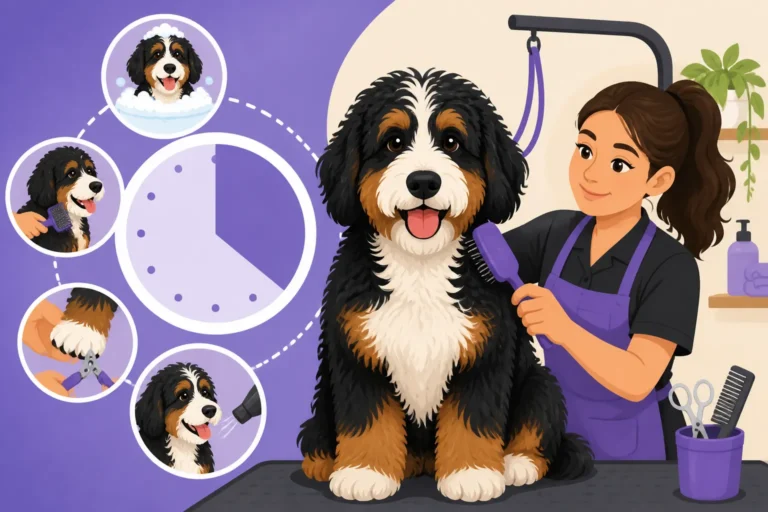
- Daily Brushing, Especially Critical Areas: While "daily" might sound like a lot, even 10-15 minutes a day can make a world of difference. Focus on those friction points: behind the ears, under the chin, armpits, groin, and the "britches." For a Bernedoodle, you need to "line brush," which means parting the hair and brushing in small sections, from the skin out, making sure you get all the way down to the base of the hair. Simply brushing over the top layer does nothing for the mats forming underneath.
- The Right Tools Make All the Difference: Invest in a high-quality slicker brush and a sturdy metal comb with both wide and narrow teeth. The slicker brush helps loosen tangles, while the metal comb is essential for ensuring you've brushed all the way through the coat, especially in the armpits and ears. A good detangling spray can also be a game-changer, making brushing easier and less stressful for your dog. You can find excellent options for these tools on sites like Chewy. Take a look at The Brushes a Bernedoodle Owner Actually Needs for specific recommendations.
- Regular Bathing and Thorough Drying: Baths are important for keeping the coat clean and healthy, but only if done correctly. Always brush before bathing to remove any existing tangles; water will only tighten them into impossible mats. After shampooing and conditioning, thoroughly rinse and then force dry your Bernedoodle’s coat. Air-drying a Bernedoodle will almost guarantee matting, especially with a thick coat. A dedicated pet force dryer is an invaluable tool for Bernedoodle owners, ensuring the coat is completely dry to the skin. If you're serious about DIY grooming, consider what What Home Grooming Kit a Bernedoodle Needs might include.
Regular Professional Grooming Appointments
Think of your groomer as a partner in maintaining your Bernedoodle's coat. They have the expertise, equipment, and experience to keep your dog looking and feeling their best.
- Frequency is Key: For most Bernedoodles, a professional grooming appointment every 4 to 8 weeks is ideal. This regular schedule prevents mats from getting out of hand, allows the groomer to maintain a manageable coat length, and keeps your dog comfortable. If you stretch it out too long, say to 12 or 16 weeks, you're almost guaranteeing mats will develop, no matter how much you brush at home. It’s an investment, but it protects your dog's health and often saves you money in the long run by avoiding costly dematting fees or forced shave-downs. We’ve covered What a Bernedoodle Groom Costs Every Six Weeks in detail elsewhere.
- Open Communication with Your Groomer: Talk to your groomer about your lifestyle, how much time you can realistically commit to home grooming, and what kind of haircut you prefer. They can help you choose a coat length and style that is both aesthetically pleasing and practical for your daily routine. If you’re struggling with certain areas or techniques, don’t hesitate to ask for tips or a quick demonstration.
- Understanding Coat Changes: Bernedoodles, like many breeds, go through a significant "coat change" between 6-18 months of age, where their soft puppy fluff gives way to a denser adult coat. During this period, matting can become particularly aggressive, even with diligent brushing. Your groomer can guide you through this challenging phase, perhaps recommending more frequent appointments or a shorter clip during this time. Remember that Whether a Bernedoodle's Coat Gets Thicker With Age is a real phenomenon that demands attention.
Addressing Health and Nutrition for a Healthy Coat
While hands-on grooming is crucial, a healthy coat also starts from within.
- Quality Nutrition: A balanced, high-quality diet plays a significant role in coat health. Look for dog foods that list real meat as the first ingredient and contain healthy fats like Omega-3 and Omega-6 fatty acids. Some owners explore fresh food options like Ollie, which can contribute to a healthier skin and coat. A shiny, robust coat is often a sign of good overall health. Read more about Whether Omega Oils Help a Bernedoodle's Coat Density.
- Hydration: Ensure your Bernedoodle always has access to fresh water. Proper hydration is essential for skin and coat vitality.
- Parasite Prevention: Keep up with your vet-recommended flea, tick, and heartworm prevention. Parasites can cause intense itching, leading to scratching that can exacerbate matting and create hot spots.
- Regular Vet Check-ups: Routine veterinary visits are important for overall health, including skin and coat condition. Your vet can identify and address any underlying health issues that might be contributing to poor coat quality or excessive shedding, which can indirectly lead to matting. Consider pet insurance options like Healthy Paws to help manage unexpected veterinary costs, especially if skin issues related to matting arise.
| Matting Severity | Description | Groomer's Response (Typical) | Owner Action Required (Immediate) |
|---|---|---|---|
| Minor Tangles | Small, loose knots, easily found with a comb, primarily on outer layers. | Can be brushed out with detangling spray during regular groom. | Consistent daily brushing. |
| Moderate Matting | Larger, more numerous mats, starting to tighten, may require extra time and careful work. | Attempt dematting, potentially with extra charge. May suggest shorter style to prevent recurrence. | Increase brushing frequency; address specific problem areas. |
| Severe Matting | Dense, solid mats against the skin ("pelted"), covering large areas, restricting movement. | Will likely refuse to brush out. Recommend full shave-down to the skin for dog's welfare. | Accept shave; commit to rigorous home grooming for regrowth. Vet check. |
| Extreme Matting | Entire body is a solid, impenetrable pelt. Skin potentially broken, inflamed, or infected underneath. | Will likely refuse entire service. Refer to veterinarian for sedation and medical shave under supervision. | Seek immediate vet care; prepare for extended recovery and aftercare. |
Taking care of that beautiful Bernedoodle coat might seem like a lot of work, and sometimes it really is! But by understanding the challenges, being proactive with home grooming, scheduling regular professional appointments, and maintaining your dog's overall health, you can ensure your Bernedoodle remains comfortable, healthy, and happy, avoiding those difficult conversations with your groomer.
Disclaimer
This article is for general informational purposes only and does not constitute professional advice. Laws, prices and regulations vary by location and change over time. Consult a qualified professional for guidance on your specific situation.