What Insuring a Bernedoodle Puppy Runs
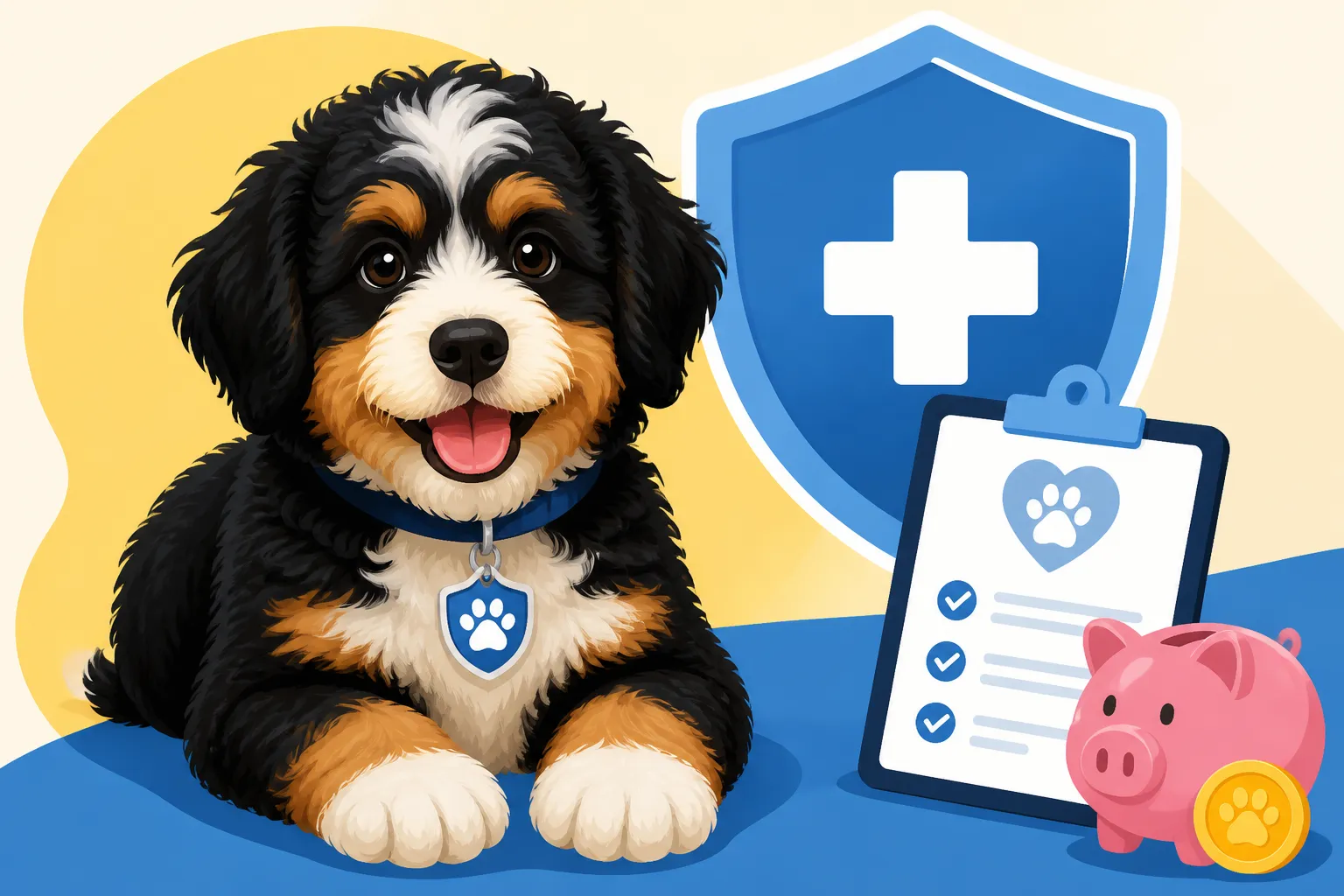
Bringing home a fluffy Bernedoodle puppy is one of the most exciting times for any dog lover, full of dreams of cuddles, playful romps, and years of companionship. But amidst all that joy, it's easy to overlook the practical realities, like the potential for unexpected vet bills. This guide is here to walk you through the ins and outs of insuring your new Bernedoodle puppy, helping you understand what it entails and how to budget for their health from day one.
Why Bernedoodle Puppies Need Pet Insurance
When you first bring home a Bernedoodle puppy, they seem like a bundle of invincible energy. They zoom around, tumble over their own paws, and explore everything with boundless curiosity. It's truly a delight! However, even the healthiest puppies can get into scrapes, and unfortunately, Bernedoodles, like all breeds, do have some genetic predispositions that can lead to costly health issues down the line. Investing in pet insurance for your Bernedoodle puppy isn't just about preparing for the worst; it's about protecting your financial peace of mind and ensuring your furry family member gets the best care possible without you having to choose between their health and your savings.
Accident-Prone Puppy Stage
Puppies, especially active, curious Bernedoodles, are notorious for getting themselves into situations that require a vet visit. Think about it: they're exploring a world they don't fully understand, often with their mouths and clumsy feet. This could mean swallowing something they shouldn't, like a sock or a piece of a toy, leading to an emergency visit for an obstruction. They might take an adventurous leap off the couch and land awkwardly, resulting in a sprain or even a fracture. Or perhaps they dart too quickly during a play session and collide with something, causing a minor injury. These are not rare occurrences; they are part and parcel of raising a young, energetic dog, and each incident can rack up significant veterinary bills very quickly, from X-rays to potential surgery. Having insurance in place means you can focus on getting your puppy better, rather than stressing over the immediate financial impact.
Genetic Predispositions and Future Health Concerns
While Bernedoodles are celebrated for their hybrid vigor, meaning the genetic diversity from crossing two purebreds can sometimes reduce the incidence of certain issues, they still carry the genetic legacy of both the Bernese Mountain Dog and the Poodle. This means they can be prone to conditions common to these parent breeds. For instance, the Bernese side brings a heightened risk of certain cancers, like histiocytic sarcoma, and joint issues such as hip and elbow dysplasia. The Poodle side can contribute to conditions like bloat, certain eye conditions, and Addison's disease. Even though these might not appear in puppyhood, starting insurance young means these conditions, if they manifest later, are typically covered because they weren't pre-existing conditions. Many owners agonize over Whether the Bernedoodle Cross Actually Reduced Cancer or Degenerative Myelopathy Both Bernedoodle Parents Can Carry, and insurance provides a safety net if these fears become reality. Without early coverage, a diagnosis later in life could be deemed pre-existing and therefore excluded from coverage.
Peace of Mind for Serious Illnesses
Beyond accidents and genetic predispositions, puppies can simply fall ill. A nasty stomach bug, a respiratory infection, or even something more serious like parvovirus, which puppies are particularly susceptible to before completing their vaccination series, can require extensive veterinary care, hospitalization, and medication. These situations are stressful enough without the added worry of exorbitant bills. Pet insurance offers a crucial layer of protection, allowing you to make medical decisions based on what's best for your Bernedoodle's health, rather than what your wallet can handle. Knowing that you have support for potential high-cost treatments can transform a terrifying situation into a manageable one.
Factors That Influence Bernedoodle Puppy Insurance Costs
The cost of insuring your Bernedoodle puppy isn't a fixed number; it's a dynamic figure that changes based on a variety of factors. It's not unlike human health insurance in that regard. Understanding these variables will help you make an informed decision and find a policy that fits both your budget and your Bernedoodle's needs.
Age of Your Bernedoodle Puppy
One of the biggest factors in pet insurance premiums is age. Generally, the younger your Bernedoodle is when you enroll them, the lower your premiums will be. This is because puppies are typically considered healthier, with fewer pre-existing conditions. As dogs age, they are more likely to develop chronic illnesses, joint problems, or even cancer, which leads to higher claims. Insuring your Bernedoodle when they are just a few months old locks in a lower rate and ensures that any conditions that emerge as they grow are covered, as long as they aren't pre-existing before the policy's start date and waiting periods are met. For example, if you wait until your Bernedoodle is five years old and starts showing signs of Arthritis in a Bernedoodle at Eight, that condition might be excluded from a new policy.
Your Geographic Location
Where you live plays a significant role in how much you'll pay for pet insurance. Veterinary costs vary dramatically from state to state, and even between different cities within the same state. For instance, vet care in a major metropolitan area like New York City or Los Angeles is typically much more expensive than in a rural town in the Midwest. Insurance providers adjust their premiums to reflect the average cost of veterinary care in your specific region. So, if you live in an area with higher vet expenses, your Bernedoodle puppy's insurance will likely cost more. It's a direct correlation: higher potential payouts for the insurance company mean higher premiums for the policyholder.
Chosen Coverage Level and Plan Type
Pet insurance isn't a one-size-fits-all product. There are various levels of coverage, each with different price points. The most basic plans, often called accident-only policies, cover injuries like broken bones, bites, or poisoning. These are generally the most affordable. More comprehensive plans, however, cover both accidents and illnesses, including conditions like infections, allergies, and chronic diseases. Some providers also offer optional wellness add-ons for routine care, such as vaccinations, annual check-ups, and dental cleanings. Naturally, the more extensive the coverage you choose for your Bernedoodle, the higher your monthly premium will be. Think about what level of financial protection you truly need and what potential risks you're most concerned about. You might find that a basic plan from Healthy Paws provides enough relief, or you might prefer a more encompassing plan.
Deductibles, Reimbursement Rates, and Annual Limits
These three elements work together to determine your out-of-pocket costs and, consequently, your premium.
- Deductible: This is the amount you pay first before your insurance company starts reimbursing you. Policies often offer choices, such as a $250, $500, or even $1,000 deductible. A higher deductible typically means a lower monthly premium, but you'll pay more out-of-pocket before coverage kicks in.
- Reimbursement Rate: This is the percentage of eligible vet bills that the insurance company will pay back to you after you've met your deductible. Common rates are 70%, 80%, or 90%. A higher reimbursement rate means less out-of-pocket for you on claims, but also a higher premium.
- Annual Limit: This is the maximum amount the insurance company will pay out in claims during a policy year. Some policies have unlimited annual payouts, while others have limits ranging from several thousand dollars up to tens of thousands. Policies with higher or unlimited annual limits usually have higher premiums. For a large breed like a Bernedoodle with potential for significant health costs, especially if you consider What Cancer Treatment Costs a Bernedoodle Owner, a higher annual limit is often a wise choice.
Breed-Specific Health Concerns
While we touched on genetic predispositions, some insurance companies specifically factor in breed-specific risks when calculating premiums. Bernedoodles, being a cross of Bernese Mountain Dogs and Poodles, inherit tendencies for certain conditions. For instance, large breeds like the Standard Bernedoodle are more prone to orthopedic issues like hip and elbow dysplasia, as discussed in Elbow Dysplasia in a Growing Bernedoodle and Loose Hips in a Growing Standard Bernedoodle. Some insurers might adjust premiums based on these known breed risks, even for mixed breeds, because the likelihood of a claim for these conditions is higher than for a breed less prone to them. It's not about singling out your dog, but about actuarial science.
Understanding What Bernedoodle Puppy Insurance Typically Covers
Navigating the various types of pet insurance can feel like a maze, but it’s crucial to understand what you’re paying for. Most policies for Bernedoodle puppies generally fall into a few main categories, each offering different levels of protection. Knowing the distinctions will help you choose the best fit for your new companion and your budget.
Accident-Only Plans
These plans are the most basic and usually the most affordable option. As the name suggests, they cover only injuries resulting from accidents. Think about those unexpected mishaps that can happen in a blink:
- Broken Bones or Fractures: Perhaps your playful Bernedoodle puppy took a tumble down the stairs or had a rough collision with another dog at the park.
- Lacerations and Bite Wounds: Running through thorny bushes, getting into a scuffle, or stepping on something sharp can lead to cuts that need stitches.
- Ingestion of Foreign Objects or Toxins: Puppies are notorious for chewing on everything. Swallowing a non-food item or getting into household chemicals requires immediate veterinary attention.
- Car Accidents: While we hope this never happens, accidental injuries from being hit by a car would typically be covered.
These plans are a great starting point if your primary concern is covering unforeseen traumatic events, which are surprisingly common in energetic young dogs. However, they won't cover any illnesses or ongoing medical conditions.
Accident and Illness Plans
This is the most popular and comprehensive type of pet insurance, offering coverage for both accidental injuries and a wide range of illnesses. This type of plan is generally what most Bernedoodle owners opt for because it addresses the majority of potential health concerns.
- Accidents: All the coverage included in an accident-only plan is typically included here.
- Common Illnesses: This covers things like ear infections (which Bernedoodles with their floppy ears can be prone to, see Ear Infections in a Bernedoodle's Drop Ear), skin conditions, urinary tract infections, and gastrointestinal issues.
- Chronic Conditions: If your Bernedoodle develops conditions like allergies, diabetes, or thyroid issues (a risk from the Bernese side, check out Hypothyroidism From the Bernese Side of a Bernedoodle), these plans provide long-term support.
- Serious Diseases: Coverage extends to more severe diagnoses like cancer, kidney disease, or autoimmune disorders.
- Hereditary and Congenital Conditions: Crucially for Bernedoodles, these plans often cover conditions inherited from parent breeds, such as hip and elbow dysplasia, Von Willebrand's disease, or certain heart conditions, as long as they aren't pre-existing before enrollment. This is a huge benefit for a breed with specific known health risks. For a deep dive into prevention and diagnosis of certain conditions, you might want to read The Five Clearances a Bernedoodle Breeder Should Have.
- Diagnostics and Treatments: This includes the costs of exams, X-rays, MRIs, blood tests, hospitalization, surgery, prescription medications, and even alternative therapies like acupuncture or chiropractic care if recommended by a vet.
Providers like Healthy Paws are known for their comprehensive accident and illness plans, often with unlimited annual benefits, which can be invaluable for a breed like the Bernedoodle.
Wellness Add-Ons or Routine Care Plans
Some insurance companies, or third-party providers often associated with pet supply retailers like Chewy, offer optional wellness plans or riders that can be added to an accident and illness policy, or sometimes purchased separately. These plans help cover the costs of routine, preventative care that isn't typically covered by accident or illness policies.
- Annual Vet Check-ups: The cost of your Bernedoodle's yearly physical exam.
- Vaccinations: Core vaccines and boosters needed to keep your puppy healthy.
- Flea, Tick, and Heartworm Preventatives: Monthly or quarterly medications to protect against parasites.
- Dental Cleanings: Non-anesthetic or anesthetic dental cleanings, depending on the plan.
- Spay/Neuter Surgery: Coverage for this important procedure.
- Microchipping: The cost of having your Bernedoodle puppy microchipped for identification.
While these plans can help budget for predictable expenses, they generally don't cover unexpected illnesses or accidents. They essentially help spread out the cost of routine care over the year. For a brand focused on healthy, preventative living, consider checking if premium dog food companies like Ollie offer insights into wellness care that aligns with insurance add-ons.
Comparing Policies and Choosing the Right Fit
With so many options out there, choosing the right pet insurance for your Bernedoodle puppy can feel overwhelming. But by focusing on a few key comparison points and understanding what truly matters for your dog's breed and your family’s situation, you can make a confident decision. Remember, it’s not just about the cheapest plan; it’s about the best value and coverage for your unique needs.
Understanding Deductibles, Reimbursement Rates, and Annual Limits
As we discussed, these are the three pillars of any pet insurance policy. When comparing, don't just look at the monthly premium. A low premium might come with a high deductible, a low reimbursement rate, or a restrictive annual limit.
- Deductible: Decide if you prefer a lower monthly payment and are comfortable paying more out-of-pocket for each claim until you meet your deductible, or if you'd rather pay a bit more monthly for a lower deductible. For a Bernedoodle, especially a large Standard Bernedoodle, which might face significant treatment costs for things like Bloat in a Standard Bernedoodle's Deep Chest or major orthopedic surgery, a lower deductible can be beneficial.
- Reimbursement Rate: Most plans offer 70%, 80%, or 90%. Think about your personal financial risk tolerance. If a $5,000 vet bill comes, would you rather be reimbursed $3,500 (70%) or $4,500 (90%)? The difference in premium for a higher reimbursement rate can be well worth it for the peace of mind.
- Annual Limit: Some plans offer unlimited annual benefits, which is ideal for chronic or catastrophic illnesses that can rack up tens of thousands of dollars in bills. Others have limits from $5,000 to $20,000. Consider the high-cost treatments potentially associated with Bernedoodle health issues and choose an annual limit that you believe will adequately protect you.
| Feature | Lower Premium Option | Higher Premium Option | Considerations for Bernedoodles |
|---|---|---|---|
| Deductible | Higher ($500-$1000+) | Lower ($0-$250) | Higher deductibles mean more out-of-pocket per incident. Lower is better for chronic issues. |
| Reimbursement Rate | 70% | 80-90% | Higher rates save you more money on large bills, which are common for Bernedoodles. |
| Annual Limit | Lower ($5,000-$10,000) | Higher ($15,000-Unlimited) | Given Bernedoodle health risks (cancer, orthopedic), unlimited is often preferred. |
| Coverage Type | Accident Only | Accident & Illness | A&I is crucial for Bernedoodles due to genetic predispositions. |
| Waiting Periods | Longer | Shorter | Shorter waiting periods mean your puppy is covered sooner. |
Reviewing Exclusions and Waiting Periods
Every pet insurance policy has exclusions and waiting periods. It’s absolutely critical to read the fine print.
- Exclusions: These are conditions or situations that the policy will not cover. Common exclusions include pre-existing conditions (illnesses or injuries that occurred or showed symptoms before your policy started or during its waiting period), breeding costs, cosmetic procedures, and sometimes even specific hereditary conditions if they are explicitly listed. For a Bernedoodle, you’ll want to be sure that common conditions like hip and elbow dysplasia, certain cancers, and bloat are not on an exclusion list. Some policies might also exclude certain behavioral issues or specific alternative therapies.
- Waiting Periods: This is the amount of time you must wait after purchasing a policy before certain coverages kick in. There's usually a short waiting period for accidents (a few days) and a longer one for illnesses (often 14-30 days). Some policies have even longer waiting periods for orthopedic conditions, which is particularly relevant for a Bernedoodle puppy. Make sure you understand these, so you aren't surprised if you file a claim too early.
Researching Reputable Providers and Customer Reviews
Not all pet insurance companies are created equal. Look for providers with a solid reputation for customer service, transparent policies, and efficient claims processing.
- Online Reviews: Websites and forums dedicated to pet owners can offer invaluable insights into real-world experiences with different companies. Look for patterns in feedback regarding claims speed, ease of use, and overall satisfaction.
- Ask Your Vet: Your veterinarian and their staff work with pet insurance companies constantly and can often provide recommendations based on which companies they see process claims smoothly and pay out reliably.
- Compare Quotes: Get quotes from multiple providers. Many companies offer online tools to get a quick estimate. Compare not just the price, but the details of the coverage. Some popular and well-regarded providers for Bernedoodles include Healthy Paws and policies available through large retailers like Chewy. Additionally, look at what value companies that focus on pet health and nutrition, like Ollie, might offer in partnership with insurance providers or as part of a holistic pet care approach.
Choosing the right insurance for your Bernedoodle puppy is an investment in their long-term health and your financial peace of mind. By thoroughly comparing options, understanding the fine print, and selecting a reputable provider, you're setting your Bernedoodle up for a lifetime of care, no matter what surprises come their way.
Disclaimer
This article is for general informational purposes only and does not constitute professional advice. Laws, prices and regulations vary by location and change over time. Consult a qualified professional for guidance on your specific situation.