Feeding a Bernedoodle That Will Reach Ninety Pounds
Bringing home a Bernedoodle puppy is an absolute joy, but it also comes with a unique set of challenges, especially when you realize just how quickly that tiny fluffball is going to grow into a majestic, ninety-pound companion. One of the biggest anxieties for new owners is often around feeding: how do you ensure your giant breed puppy grows up healthy, strong, and without putting undue stress on their developing body? This comprehensive guide will walk you through everything you need to know about feeding your Bernedoodle, from those delicate puppy months right through to their full, glorious adult size, helping you navigate the sometimes-overwhelming world of canine nutrition with confidence.
The Unique Nutritional Needs of a Giant Breed Puppy (and Your Bernedoodle Is One)
It's easy to look at a Bernedoodle puppy and just see boundless energy and fluff, but beneath that adorable exterior is a rapidly developing skeleton and musculature that needs very specific nutritional support. These aren't just "large breed" dogs; they're often giant breed dogs, especially the standard size, and their growth trajectory requires a specialized approach to diet to prevent future health problems. This isn't just about giving them enough food; it's about giving them the right food in the right amounts to ensure a steady, controlled growth rate.
Why "Large Breed" Isn't Enough for a Bernedoodle Puppy
When you're standing in the pet store aisle, staring at dozens of bags, you'll see plenty labeled "large breed puppy formula." While this is a good starting point, it's crucial to understand that a Bernedoodle isn't just a large breed; it's often a giant breed. There's a subtle but significant difference in their growth curve compared to, say, a Labrador Retriever. Bernedoodles, inheriting their Bernese Mountain Dog genes, are predisposed to growing very quickly, and this rapid growth can put immense strain on their developing joints and bones. Growing a Standard Bernedoodle Slowly on Purpose is absolutely key to their long-term health.
The problem with generic "large breed" formulas is that they might still encourage too fast a growth rate for a truly giant dog. We're talking about breeds that can reach adult weight up to 100 pounds or more. The goal isn't to get them big as fast as possible; it's to foster a slow, steady growth that allows their bones and joints to mature properly and catch up with their rapidly expanding bodies. Think of it like a carefully managed construction project – you want a strong foundation built slowly and correctly, not rushed, flimsy walls that will collapse later.
This slower growth trajectory helps mitigate risks for orthopedic issues like hip and elbow dysplasia, which are unfortunately common in both Bernese Mountain Dogs and, consequently, Bernedoodles. A diet specifically formulated for giant breed puppies, or at least a carefully chosen large breed formula with a strong emphasis on controlled growth, will have lower calorie counts and carefully balanced mineral levels compared to what a smaller or even a "large" but not "giant" breed puppy might need.
The Critical Balance of Calcium and Phosphorus
One of the most important, yet often overlooked, aspects of feeding a giant breed puppy like a Bernedoodle is the precise balance of calcium and phosphorus. It sounds like science class, I know, but trust me, it's vital. Too much calcium, especially when paired with an imbalance of phosphorus, can be just as detrimental as too little. Why Calcium Levels Matter for a Growing Bernedoodle cannot be stressed enough during their formative months.
Puppies, particularly those destined to be large, have very sensitive systems when it comes to mineral absorption. Excessive calcium, often found in adult dog foods or from supplements given without veterinary guidance, can actually interfere with normal bone development. It can lead to skeletal deformities, affect the cartilage in their joints, and contribute to conditions like osteochondritis dissecans (OCD), a painful joint disease. It essentially tells their bones to grow too much, too fast, or improperly.
Conversely, too little calcium or an improper calcium-to-phosphorus ratio can also lead to bone issues, but it's the excess that's often the hidden culprit in giant breed puppies because owners mistakenly think "more is better" for strong bones. A quality giant breed puppy food will have these minerals perfectly balanced to support healthy, gradual bone development. Always resist the urge to add calcium supplements to your Bernedoodle puppy's diet unless specifically instructed by your vet, and even then, question it and understand the rationale.
Understanding Growth Plates and Joint Health in Puppies
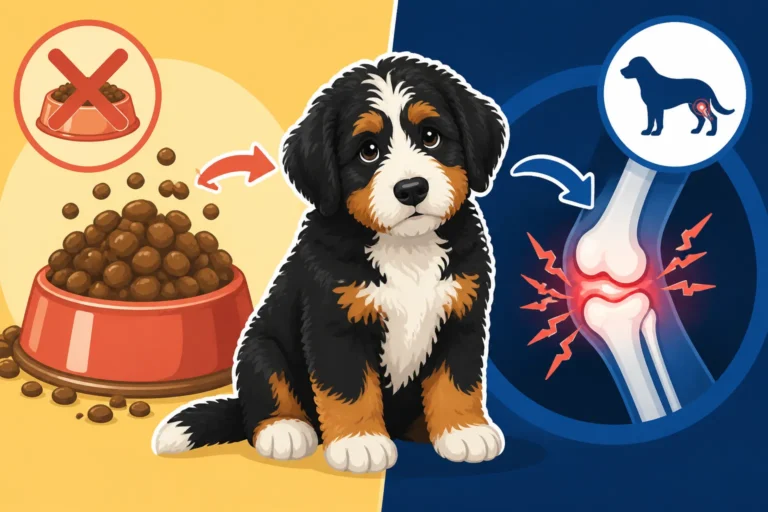
Your Bernedoodle puppy's long bones (like those in their legs) have areas called growth plates at each end. These are areas of soft, rapidly dividing cartilage that gradually harden into bone as your puppy grows. They're incredibly vulnerable until they close, which typically happens around 12-18 months of age, sometimes even later in giant breeds. Any excessive strain, injury, or indeed, improper nutrition that leads to rapid growth or poor bone quality, can damage these plates, leading to lifelong orthopedic problems.
This is precisely why we harp on about slow, controlled growth. A diet that's too rich in calories or calcium can accelerate growth beyond what the developing skeletal structure can safely handle. Imagine trying to build a skyscraper rapidly with insufficient steel beams – it's just not going to stand strong. Similarly, Whether Overfeeding a Bernedoodle Puppy Damages Its Joints is a very real concern. Every pound of extra weight your puppy carries, every growth spurt that happens too quickly, puts stress on those delicate growth plates and immature joints.
Beyond diet, ensuring your Bernedoodle puppy gets appropriate exercise is also part of protecting these growth plates. Avoid high-impact activities, excessive jumping, or long, strenuous walks until those plates have fully closed. Combine a balanced, controlled diet with sensible exercise, and you're giving your Bernedoodle the best possible start to a life of sound joint health.
Deciphering Dog Food Labels for Your Growing Bernedoodle
Walking into a pet food store can feel like navigating a foreign language. "Ingredient panel," "guaranteed analysis," "AAFCO statement" – it's a lot to take in! But for your Bernedoodle, especially one destined for ninety pounds, understanding what's actually in their food is paramount. You're not just buying a bag of kibble; you're investing in their health and longevity. Let's break down what matters most.
Key Ingredients to Look For (and Avoid)
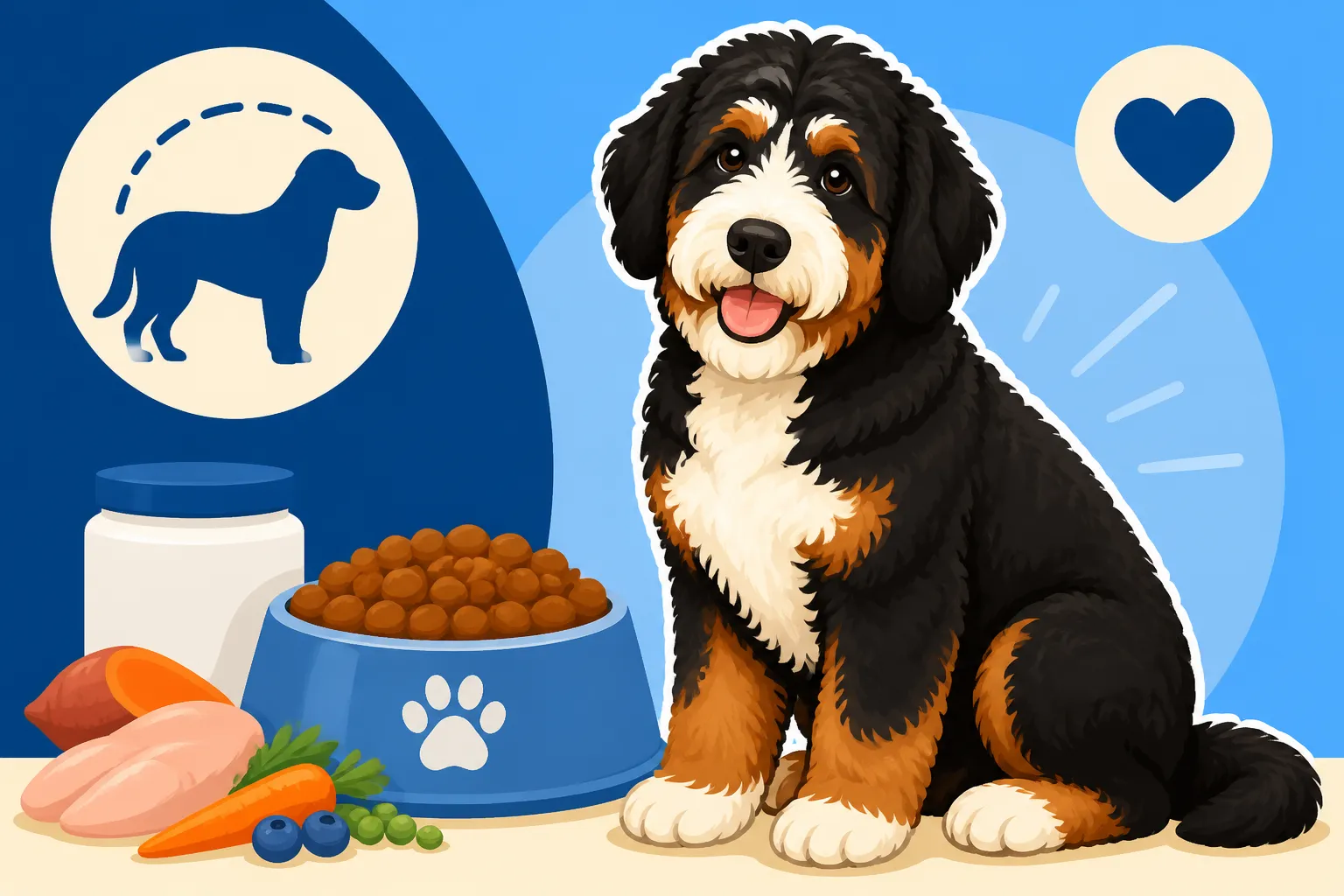
When you flip that bag over, the first five to ten ingredients are the most important. For your Bernedoodle, you want to see named meat sources at the top of the list. Think "chicken meal," "lamb," "salmon," or "beef." These are concentrated sources of protein, essential for muscle development. "Meat meal" might sound less appealing than "fresh meat," but actually, meat meals (like chicken meal) often contain more protein per ounce because the water has been removed. Avoid vague terms like "meat by-products" or "animal digest," which can be of lower quality and inconsistent sourcing.
Beyond protein, look for healthy fats from sources like chicken fat, salmon oil, or flaxseed. These provide energy and support healthy skin and coat. Complex carbohydrates like sweet potatoes, brown rice, barley, or oats are good sources of sustained energy and fiber. You'll also want to see a good balance of fruits and vegetables like peas, carrots, blueberries, and spinach, which offer vitamins, minerals, and antioxidants. These are the nutritional powerhouses that support overall health.
What to avoid? First and foremost, generic "animal fat" or "animal by-product meal." Also, excessive fillers like corn, wheat, and soy, especially if they are high up on the ingredient list. While some dogs tolerate these fine, they can be common allergens and don't offer the same nutritional density as whole grains or vegetables. Artificial colors, flavors, and preservatives (like BHA, BHT, and ethoxyquin) are also best avoided; natural preservatives like mixed tocopherols (Vitamin E) are preferable.
The Debate: Grain-Free vs. Grain-Inclusive
Ah, the great grain debate! For a while, grain-free was touted as the superior option for all dogs, especially with concerns about allergies. However, recent research has brought this into question, particularly regarding a potential link between grain-free diets (especially those rich in peas, lentils, and potatoes) and dilated cardiomyopathy (DCM), a serious heart condition, in some dogs. This is a complex area, and the science is still evolving, but it has definitely shifted the landscape.
For your Bernedoodle, unless they have a diagnosed grain allergy (which is far less common than many people assume), a high-quality grain-inclusive diet is generally recommended and often safer. Many excellent dog foods use beneficial whole grains like oats, barley, and brown rice, which provide essential nutrients and fiber. Don't be swayed by marketing hype; talk to your vet about what's best for your individual dog, especially given these ongoing discussions.
If you are considering a grain-free diet due to suspected allergies, work closely with your veterinarian to rule out other causes and to select a diet that minimizes risk. They might recommend specific brands or formulations that have been studied more thoroughly. The key takeaway here is that "grain-free" doesn't automatically mean "healthier," and for a large, deep-chested breed like a Bernedoodle, caution is warranted.
Dry Kibble, Wet Food, or Fresh/Raw Diets?
The market offers a dizzying array of food types: dry kibble, wet (canned) food, fresh food subscriptions, and raw diets. Each has its pros and cons, particularly when feeding a ninety-pound Bernedoodle.
Dry kibble is often the most convenient and cost-effective option, which is a huge consideration when you're feeding a large dog. High-quality kibbles are nutritionally complete and balanced, designed to meet all your dog's needs. They also help with dental hygiene to some extent by providing abrasive action. However, some dogs find them less palatable, and lower-quality kibbles can be packed with fillers.
Wet food is highly palatable and provides excellent hydration. It can be a great option for picky eaters or dogs needing more moisture in their diet. The downside for a giant Bernedoodle? The sheer volume and cost. Feeding 90 pounds of dog exclusively on wet food would be incredibly expensive and require a lot of storage space! Most owners use wet food as a topper or occasional treat.
Fresh food services, like Ollie, have gained popularity. These deliver pre-portioned, human-grade meals directly to your door. They are generally highly palatable and can be excellent for dogs with sensitivities, as the ingredients are clearly identifiable. The biggest hurdle for a Bernedoodle owner is, again, the cost and logistics. Feeding a large dog fresh food can run into significant dollars each month, and it requires freezer and fridge space. However, for some owners, the perceived health benefits and improvement in their dog's coat and energy make it worth the investment.
Raw diets involve feeding uncooked meat, bones, and organs. Proponents argue it's a more "natural" diet. However, raw feeding comes with significant risks, including bacterial contamination (for both dog and human), nutritional imbalances if not prepared perfectly, and the risk of choking or internal damage from bones. It requires extensive research, careful sourcing, and often veterinary supervision. For a large, growing Bernedoodle, the potential for nutritional deficiencies or bacterial issues is a serious concern, so it's not a path to embark on lightly or without expert guidance.
Portion Control and Feeding Schedules for Optimal Growth
You've picked the food, now comes the tricky part: how much do you actually give your Bernedoodle? This isn't just about satisfying their hunger; it's about providing the exact right amount of fuel for healthy development without overdoing it. A disciplined approach to portion control and a consistent feeding schedule are your best tools here.
How Much Should Your Bernedoodle Puppy Really Eat?
This is where many well-meaning Bernedoodle owners accidentally go wrong. You see your puppy growing, always hungry, and it’s natural to want to fill that bowl to the brim. But as we discussed, for a giant breed, controlled growth is paramount. The feeding guidelines on the back of your chosen dog food bag are a good starting point, but they are just that – a guide. They often present a range based on weight, but they don't always factor in the individual puppy's metabolism, activity level, or the breed's specific growth needs.
Always lean towards the lower end of the recommended range for a Bernedoodle puppy, especially if your puppy is prone to quick weight gain. Overfeeding is one of the biggest dangers, leading to excessive weight gain and rapid bone growth that stresses immature joints. This dramatically increases the risk of orthopedic issues like hip and elbow dysplasia, which can be devastating for a large, active dog. Whether Overfeeding a Bernedoodle Puppy Damages Its Joints is a question that vets answer with a resounding "yes."
Underfeeding is less common but can also be an issue, leading to malnourishment and hindering proper development. The goal is a lean, athletic build, not a plump puppy. You should be able to easily feel, but not necessarily see, your puppy's ribs. Consult your veterinarian regularly during your Bernedoodle's growth phase; they can help you fine-tune portions based on your puppy's individual growth curve and body condition.
Establishing a Consistent Feeding Schedule
Dogs thrive on routine, and a consistent feeding schedule is beneficial for several reasons, especially for a Bernedoodle puppy. Puppies typically need to eat more frequently than adults to support their rapid growth and higher metabolism. For a Bernedoodle puppy, this usually means three meals a day. As they mature, this can transition to two meals a day, which is generally maintained throughout adulthood.
A regular schedule aids in house training, as you can more accurately predict when your puppy will need to relieve themselves. It also helps regulate their digestive system, reducing the likelihood of stomach upset or irregular bowel movements. Imagine eating at completely different times every day – your digestive system wouldn't be too happy, and neither will your Bernedoodle's.
Beyond digestion, a consistent schedule helps manage expectations. Your Bernedoodle will learn when to expect food, reducing anxiety around meal times and helping them settle into a routine. This is particularly important for deep-chested breeds, as eating too quickly or too close to strenuous activity can be a risk factor for bloat, a life-threatening condition. Knowing when meals are coming can reduce their urge to "inhale" their food.
Monitoring Weight and Body Condition Score
One of the most valuable tools you have as a Bernedoodle owner is your hands. While weighing your growing puppy regularly (perhaps weekly or bi-weekly) is important, a body condition score (BCS) is arguably even more critical. Your vet will assess this, but you can learn to do it yourself at home.
The ideal BCS for a Bernedoodle, especially a growing one, is lean. You should be able to:
- Easily feel the ribs without pressing hard, like feeling the knuckles on the back of your hand when your hand is open and flat. If you can see the ribs, your dog might be too thin. If you have to press to feel them, your dog is likely overweight.
- See a noticeable waist when looking down at your dog from above, an hourglass shape behind the ribs.
- Observe an abdominal tuck when looking at your dog from the side, where the belly tucks up rather than hanging low.
Keep a growth chart, even a simple one, plotting your Bernedoodle's weight. But remember, the rate of growth is more important than achieving a certain weight by a certain age. Your vet can provide you with ideal growth curves for giant breeds. If your Bernedoodle is gaining weight too quickly, or if their BCS indicates they're becoming too heavy, it's time to reduce their food portions slightly and perhaps increase gentle, appropriate exercise. Conversely, if they're too thin, you might need to slightly increase their portions. Adjustments should always be small and gradual. Keeping a Bernedoodle's Weight Down from puppyhood is critical for joint health.
Transitioning from Puppy to Adult Food: A Delicate Dance
Just when you feel like you've mastered the puppy feeding routine, it's time for another change! The transition from puppy food to adult food is an important milestone for your Bernedoodle, signaling their next stage of development. Get it right, and it's a smooth sailing. Rush it, and you could face digestive upset.
When to Make the Switch for a Giant Breed
For most dog breeds, the switch from puppy to adult food happens around 12 months of age. However, for giant breeds like your Bernedoodle, this timeline is extended. Because their bones and joints take much longer to fully mature and their growth plates close later, they often remain on a giant breed puppy or large breed puppy formula until they are 18 to 24 months old. The Age a Bernedoodle Switches to Adult Food isn't a hard and fast rule, but it's definitely later than you might expect for other breeds.
Consulting your veterinarian is crucial here. They can assess your individual Bernedoodle's growth and development. Signs that your Bernedoodle might be ready to transition include:
- Reaching near their adult height and weight.
- The veterinarian confirming that growth plates are largely closed.
- Showing signs of becoming too heavy on puppy food, even with controlled portions, because puppy food is higher in calories.
Making the switch too early can deprive your Bernedoodle of essential nutrients needed for continued bone and joint maturation, while waiting too long can lead to unnecessary weight gain due to the higher caloric density of puppy food. It's truly a delicate balance.
The Gradual Transition Method
Once you've determined it's time to switch, don't just swap out the food overnight. A sudden change can easily upset your Bernedoodle's sensitive digestive system, leading to diarrhea, vomiting, or a lack of appetite. The key is a gradual transition, typically over 7 to 10 days.
Here’s a typical transition schedule:
- Days 1-2: 75% old food, 25% new food.
- Days 3-4: 50% old food, 50% new food.
- Days 5-6: 25% old food, 75% new food.
- Days 7-10: 100% new food.
During this period, keep a close eye on your Bernedoodle's stool consistency and appetite. If you notice any signs of digestive upset, slow down the transition. You might need to hold at a particular ratio for an extra day or two until their system adjusts. This slow and steady approach minimizes stress on their digestive tract and makes the process much smoother for everyone involved.
Choosing the Right Adult Formula for a Large Bernedoodle
Once your Bernedoodle is ready for adult food, you'll again be faced with a myriad of options. Just like with puppy food, you'll want to prioritize formulas designed for large or giant breeds. These adult formulas typically have:
- Appropriate calorie density: Enough to maintain energy without promoting weight gain, which is a common issue once growth slows down. The Daily Cups a Standard Bernedoodle Needs will vary based on brand and activity level.
- Joint support ingredients: Many large breed adult foods include ingredients like glucosamine and chondroitin, which support cartilage health. While these are not a cure-all, they can be beneficial for preventative care, especially for a breed prone to joint issues. Whether Joint Supplements Help a Bernedoodle is a common question, and while diet is primary, these can be a good addition.
- High-quality protein: Essential for maintaining muscle mass.
Consider your Bernedoodle's activity level. A Bernedoodle that spends its days hiking with you will need more calories than one that's a couch potato. You might even consider a "senior" formula earlier than you'd think, especially if your Bernedoodle starts to slow down around age 6 or 7, as these often have fewer calories and more joint support. Always read labels carefully, and when in doubt, discuss your options with your veterinarian.
Managing the Appetite of a Full-Grown, Ninety-Pound Bernedoodle
Once your Bernedoodle hits adulthood, their growth plates are closed, and they've settled into their magnificent ninety-pound frame, the feeding focus shifts. Now it's about maintenance, preventing weight gain, and proactively addressing risks common to large, deep-chested breeds. Their appetite will likely remain robust, so managing it wisely is key.
Daily Calorie Needs and Energy Levels
A ninety-pound Bernedoodle is a substantial dog, and their daily calorie needs will reflect that, but they are no longer growing rapidly. The key now is to match their caloric intake to their energy output. An active Bernedoodle who enjoys daily long walks, romps in the park, or even The Draft Dog Work a Bernedoodle Can Still Do will naturally require more calories than one who has a more sedentary lifestyle.
Again, the feeding guide on your adult dog food bag is a starting point. It typically provides a range based on weight. You'll need to observe your individual dog. Is their energy level consistent? Is their weight stable? Are they maintaining that lean body condition score we talked about? If they're gaining weight, gently reduce portions. If they're too thin, increase slightly. It's an ongoing dance between food intake and activity.
Remember, every treat and extra snack counts! Those little bites add up quickly, especially for a dog that needs 4-5 cups of kibble a day. If you're giving a lot of training treats or chews, factor those calories into their daily total.
Preventing Bloat: Feeding Practices for Deep-Chested Dogs
One of the most terrifying emergencies for owners of large, deep-chested breeds like Bernedoodles is Gastric Dilatation-Volvulus (GDV), commonly known as bloat. This condition causes the stomach to fill with gas and then twist, cutting off blood supply and becoming rapidly fatal without immediate veterinary intervention. The Chest That Puts a Standard Bernedoodle at Bloat Risk is precisely why this is such a concern. The signs, such as The Retching That Means a Bernedoodle Has Torsed, require immediate action.
While the exact causes of bloat aren't fully understood, several feeding practices are thought to help reduce the risk:
- Multiple Small Meals: Instead of one large meal, feed your adult Bernedoodle two or three smaller meals throughout the day. This reduces the amount of food and gas in the stomach at any one time.
- Slow Down Eating: If your Bernedoodle inhales their food, consider using a slow feeder bowl. These bowls have raised ridges or mazes that force your dog to eat around them, significantly slowing down their intake. Chewy offers a wide variety of these. Whether a Slow Feeder Suits a Bernedoodle is an easy yes for many owners.
- Avoid Exercise Around Meals: Do not let your Bernedoodle engage in strenuous exercise, running, or rough play for at least an hour before and two hours after eating. This gives their stomach time to digest without excessive jostling.
- Hydration: Ensure fresh water is always available, but discourage excessive gulping of water right before or after meals.
- Elevated Bowls: The debate on Whether Raised Bowls Raise a Bernedoodle's Bloat Risk is ongoing, with some studies suggesting they might increase risk for certain breeds, while others show no clear correlation or even a benefit for comfort. Discuss this with your vet; traditionally they were recommended, but current thinking is more nuanced. Many vets now advise against them for bloat prevention.
Dealing with a Picky Eater or a Food Guzzler
You might find your Bernedoodle falls into one of two camps: the picky eater or the food guzzler. Both present their own unique challenges.
For the Picky Eater:
Bernedoodles are generally food motivated, but some can be surprisingly finicky. If your Bernedoodle is consistently turning up their nose, first rule out any underlying medical issues with a vet visit. If they get a clean bill of health, try:
- Adding a Topper: A spoonful of wet food, a little warm water (creates a gravy), or a bit of plain cooked chicken can make kibble more appealing.
- Consistency: Don't offer too many alternatives. Put the food down for 15-20 minutes. If they don't eat, pick it up until the next mealtime. They'll eventually learn that's when food is available.
- Freshness: Ensure the kibble hasn't gone stale. Store it in an airtight container.
For the Food Guzzler:
This is far more common with Bernedoodles and requires intervention to prevent bloat and promote proper digestion.
- Slow Feeder Bowls: As mentioned, these are invaluable. You can find many options on Chewy or Amazon.
- Food Dispensing Toys: KONGs or other puzzle feeders can turn mealtime into a game, slowing down eating and providing mental stimulation.
- Split Meals: Dividing their daily portion into two or three meals instead of one large one is crucial for guzzlers.
- Smaller Kibble Size: Sometimes smaller pieces can be less prone to gulping, though this varies by dog.
No matter which camp your Bernedoodle falls into, consistency and patience are key.
Treats, Supplements, and Hydration: The Supporting Cast of a Healthy Diet
Beyond the main meals, what else goes into your Bernedoodle's bowl – or mouth – can have a significant impact on their health. Treats are for training and bonding, supplements might bridge nutritional gaps, and water is, quite simply, life itself.
Choosing Healthy Treats and Chews
Treats are an indispensable tool for training, rewarding good behavior, and simply showing affection. However, they can quickly add empty calories and derail a carefully planned diet if not chosen wisely. For your ninety-pound Bernedoodle, choose treats that are:
- Low Calorie: Look for treats specifically labeled as low-calorie, or use small pieces of healthy human foods like carrots, green beans, or apple slices (without seeds).
- High Value for Training: For training, you need treats your Bernedoodle genuinely loves. Small pieces of cooked chicken, cheese, or hot dogs can be highly motivating, but use them sparingly due to calorie and fat content.
- Appropriate Size: Ensure chews are appropriately sized for a large dog to prevent choking hazards. Avoid anything that can be swallowed whole. Always supervise your Bernedoodle with chews.
- Simple Ingredients: Like their regular food, look for treats with minimal, recognizable ingredients. You can find a vast selection of healthy, natural treats on Amazon or Chewy.
Remember the "10% rule": treats should make up no more than 10% of your dog's daily caloric intake. If you're using a lot of treats, reduce their main meal portions accordingly.
When (and If) Supplements Are Necessary
The world of dog supplements is vast and can be confusing. Generally, if your Bernedoodle is on a high-quality, complete, and balanced dog food formulated for their life stage and size, they shouldn't need many additional supplements. The best food is already designed to provide everything they need.
However, there are exceptions, especially for a breed with specific predispositions:
- Joint Supplements: Glucosamine, chondroitin, and MSM are popular choices for supporting joint health. Many large breed formulas already include these, but if your Bernedoodle shows early signs of arthritis or joint stiffness, or if they have a diagnosed orthopedic condition like Arthritis in a Bernedoodle at Eight or Elbow Dysplasia in a Growing Bernedoodle, your vet might recommend additional supplementation.
- Omega-3 Fatty Acids: Fish oil (EPA and DHA) can support skin and coat health, reduce inflammation, and may have benefits for joint and cognitive function. This is often a safe and beneficial supplement for most dogs, particularly those with dry skin or dull coats.
- Probiotics: If your Bernedoodle has a sensitive stomach or is recovering from an illness or antibiotics, probiotics can help restore healthy gut flora.
Always consult your veterinarian before adding any supplements to your Bernedoodle's diet. What works for one dog might not be necessary or even safe for another. They can help you determine if a supplement is truly needed and recommend appropriate dosages and brands.
The Ever-Important Role of Fresh Water
This one sounds obvious, but easy access to fresh, clean water is absolutely fundamental to your Bernedoodle's health. Water is involved in every bodily function, from digestion and nutrient absorption to temperature regulation and organ function. Dehydration can lead to serious health issues.
Ensure your Bernedoodle always has at least one, preferably multiple, bowls of fresh water available in different locations around your home. For a ninety-pound dog, this means large, sturdy bowls that won't easily tip over. Stainless steel is often recommended as it's easy to clean and doesn't harbor bacteria like some plastics can. Ceramic can also be good.
Change the water daily, and wash the bowls regularly to prevent slime and bacterial buildup. If your Bernedoodle is active, spends time outdoors in warm weather, or has a condition that increases thirst, they'll need even more vigilance regarding their water intake. Consider a water fountain if your Bernedoodle enjoys moving water, or a large bucket style waterer for outdoor use. Never underestimate the power of pure, clean H2O!
Common Feeding Mistakes and How to Avoid Them
Even the most well-intentioned Bernedoodle owners can fall prey to common feeding pitfalls. Knowing what these mistakes are and how to sidestep them can save you a lot of heartache (and vet bills!) in the long run.
Overfeeding and Underfeeding
We've touched on this repeatedly, but it bears repeating because it's such a pervasive issue. Overfeeding is by far the more common problem for Bernedoodle owners, especially when they mistake a healthy, lean physique for being "too thin." Those big puppy eyes and their propensity to love food can be incredibly convincing! However, an overweight Bernedoodle, whether a puppy or an adult, is at significantly higher risk for:
- Joint problems: Exacerbating or accelerating conditions like hip and elbow dysplasia, arthritis, and Torn Cruciates in a Heavy Bernedoodle.
- Diabetes: Just like in humans.
- Heart disease: More strain on the cardiovascular system.
- Reduced lifespan: Whether an Overweight Bernedoodle Loses Years is a sad but definite reality.
Underfeeding, while less common, can also be detrimental, especially in growing puppies. It can lead to stunted growth, nutrient deficiencies, and a weakened immune system. The key to avoiding both extremes is consistent monitoring of your Bernedoodle's body condition score and regular weight checks. Don't rely solely on the bag's recommendations; adjust based on your dog's individual needs, activity level, and your vet's advice.
Table Scraps and Dangerous Human Foods
It's so tempting to share a bite of your dinner with your adoring Bernedoodle, especially when they're giving you those soulful puppy-dog eyes. But the "just a little bit" habit is incredibly dangerous. Human food, even seemingly harmless items, can be:
- Too rich: Leading to stomach upset, pancreatitis (a painful inflammation of the pancreas), or diarrhea.
- Too high in calories: Contributing to weight gain.
- Toxic: Many common human foods are highly toxic to dogs.
Absolutely avoid:
- Chocolate: Even a small amount can be dangerous, depending on the type and your dog's size.
- Onions, garlic, chives, leeks: These can cause red blood cell damage.
- Grapes and raisins: Can cause kidney failure.
- Xylitol: A sugar substitute found in gum, candies, and some peanut butters, it's highly toxic and causes a rapid drop in blood sugar and liver failure.
- Avocado: Contains persin, which can be toxic to dogs in large amounts, especially the pit.
- Alcohol and caffeine: Even small amounts are dangerous.
- Bones (cooked): Cooked bones splinter and can cause choking or internal damage. Raw bones carry bacterial risks and potential for dental damage.
- Fatty foods: Bacon grease, gravies, and excessive fat trimmings can lead to pancreatitis.
Stick to dog-specific treats, or safe, plain human foods in moderation, like plain cooked chicken or small pieces of certain fruits and vegetables. When in doubt, don't share!
Ignoring Dental Health in a Large Breed
Feeding and dental health are intimately linked. While we often think of dental issues in small breeds, large dogs like Bernedoodles are just as susceptible to plaque, tartar buildup, gum disease, and Dental Disease in a Tiny Bernedoodle (which can also apply to larger dogs, just with bigger teeth!). Poor dental health isn't just about bad breath; it can lead to pain, tooth loss, and systemic infections that affect organs like the heart, kidneys, and liver.
Here's how to incorporate dental care into your Bernedoodle's routine:
- Daily Brushing: This is the gold standard. Use a dog-specific toothbrush and toothpaste (never human toothpaste). Start young and make it a positive experience.
- Dental Chews: Choose veterinary-approved dental chews that physically scrape plaque off the teeth. Be mindful of calorie content. Chewy offers a variety of dental chews, often recommended by veterinary oral health council.
- Water Additives/Dental Diets: Some specialized foods or water additives can help reduce plaque, but they are generally less effective than brushing.
- Professional Cleanings: Regular veterinary dental check-ups and professional cleanings under anesthesia are often necessary to remove tartar below the gum line. Your vet will advise on frequency.
Don't wait until your Bernedoodle has painfully inflamed gums or rotting teeth. Proactive dental care is a crucial part of their overall health and well-being.
Growth Stage Nutritional Considerations for a Bernedoodle
| Life Stage | Age Range (Approx.) | Key Nutritional Focus | Calorie & Growth Management | Typical Feeding Frequency | Common Concerns & Tips |
|---|---|---|---|---|---|
| Puppy | 8 weeks – 18/24 months | Slow, controlled growth; balanced Calcium/Phosphorus for bone development; high-quality protein. | Giant Breed Puppy Formula; moderate calorie density; avoid overfeeding. | 3 meals/day | Bloat Risk (Low but present): Avoid exercise around meals. Joint Health: Ensure controlled growth to protect developing joints. Socialization: Use small, healthy treats for training. |
| Adult | 18/24 months – 7 years | Maintenance; muscle mass; joint support; balanced energy. | Large Breed Adult Formula; adjust calories to activity level; monitor BCS. | 2 meals/day | Bloat Risk (Higher): Use slow feeders; 2-3 smaller meals; avoid post-meal exercise; consider gastropexy with spay/neuter. Weight Management: Easy to gain weight; feel ribs regularly. |
| Senior | 7+ years | Joint support; weight management (prone to loss or gain); cognitive health; easily digestible protein. | Senior/Light Formula; lower calorie density; highly palatable if appetite declines. | 2 meals/day | Arthritis: Consider joint supplements, Omega-3s. Appetite Changes: May become pickier; ensure food is appealing. Dental Health: More prone to dental disease; regular vet checks. Digestion: May need more easily digestible food. Caring for a Bernedoodle Past Eight involves specific dietary adjustments. |
Disclaimer
This article is for general informational purposes only and does not constitute professional advice. Laws, prices and regulations vary by location and change over time. Consult a qualified professional for guidance on your specific situation.