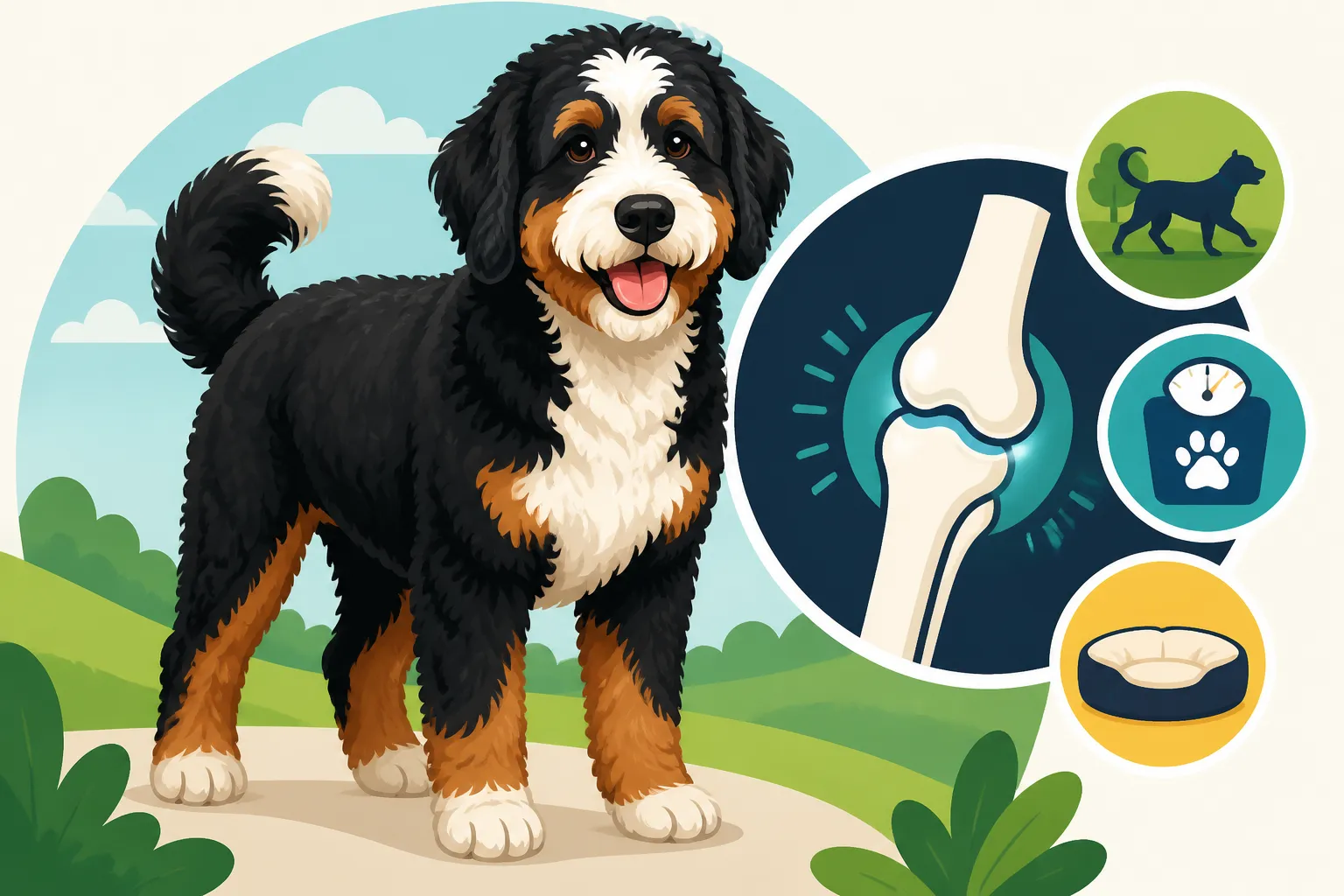
Keeping a Ninety Pound Bernedoodle Off Its Joints
One of the biggest worries for any owner of a large breed dog, and especially a beautiful Bernedoodle that’s going to hit the ninety-pound mark, is protecting their precious joints. It’s a sad reality that these magnificent dogs, while robust in spirit, can be prone to orthopedic issues that can significantly impact their quality of life if not managed proactively. This comprehensive guide will walk you through everything you need to know and do to keep your large Bernedoodle comfortable, mobile, and off its joints for as long as possible, helping you ensure they live their happiest, healthiest life.
Understanding Your Bernedoodle's Joint Vulnerabilities
When you bring a Bernedoodle into your family, you're not just getting an adorable, fluffy companion; you're also inheriting a genetic predisposition to certain conditions from both the Bernese Mountain Dog and Poodle sides of their lineage. Understanding these inherent vulnerabilities is the first step in creating a proactive care plan to protect their joints. It’s not about fear, but about informed, loving prevention.
The Bernese Mountain Dog's Legacy: Hips and Elbows
The Bernese Mountain Dog, one half of your Bernedoodle's heritage, is unfortunately well-known for certain orthopedic challenges, most notably hip and elbow dysplasia. These aren't just minor aches; they are developmental conditions where the joints don't form correctly, leading to painful arthritis, lameness, and reduced mobility over time. Imagine trying to walk or run when your own hip socket isn't cradling the ball of your thigh bone properly – that's the kind of discomfort these dogs can experience. This genetic predisposition means that even with the best care, your Bernedoodle carries this potential risk, making proactive management absolutely crucial. Responsible breeders will have screened their breeding stock for these conditions, which is why asking about The Five Clearances a Bernedoodle Breeder Should Have is so important.
A Bernese Mountain Dog's hips and elbows are under immense pressure from their sheer size and weight. When a Bernedoodle grows to ninety pounds, that substantial mass means any imperfection in joint formation is exacerbated. Simple movements like standing up, lying down, or navigating stairs can become sources of chronic pain if the joints aren't well-supported. It’s not just about what they do, but the constant gravitational pull on already vulnerable structures. Owners often notice subtle changes, like a slight reluctance to jump or a peculiar way of moving, often referred to as The Bunny Hop Gait in a Young Bernedoodle, which can be early indicators of hip discomfort.
Poodle Contributions to Joint Health
While Poodles are generally considered a healthier breed than Bernese Mountain Dogs in terms of overall lifespan, they aren't entirely free from orthopedic concerns. Poodles, especially Standard Poodles, can contribute to issues like Legg-Calve-Perthes disease (though more common in smaller breeds), patellar luxation (slipping kneecaps), and sometimes hip dysplasia, although typically less severe than in Bernese. These conditions, when combined with the Bernese predispositions, can create a complex picture for a Bernedoodle's joint health.
The key takeaway here is that the Bernedoodle isn't necessarily "fixing" all the Bernese problems simply by being a crossbreed. While hybrid vigor can sometimes offer some benefits, it doesn't eliminate genetic predispositions entirely. Patellar luxation, for instance, involves the kneecap slipping out of place, causing sudden lameness and pain. For a ninety-pound dog, a slipping kneecap can be incredibly debilitating and require surgical correction. Understanding that both parent breeds bring their own set of potential joint issues reinforces the need for diligent care throughout your Bernedoodle's life.
The Impact of Rapid Growth in a Large Breed Cross
One of the most critical periods for a large Bernedoodle's joint development is during their rapid growth phase, typically from puppyhood up to about 18-24 months. These dogs pack on an incredible amount of weight and height in a relatively short time. Their bones and soft tissues are developing at an accelerated rate, and any undue stress or improper nutrition during this period can have lasting, detrimental effects on their joints. It's like building a skyscraper too fast without allowing the foundation to properly set – eventually, you'll see cracks.
Over-nutrition, especially too much calcium or protein, can disrupt the delicate balance needed for proper bone and cartilage formation, increasing the risk of developmental orthopedic diseases. Conversely, insufficient nutrition can also hinder healthy growth. This is why careful monitoring of their diet and activity levels is paramount when they are young. The Age a Bernedoodle Reaches Full Height doesn't always correlate with full joint maturity, so even when they look grown, their joints are still vulnerable. Avoiding excessive, high-impact activities during this sensitive time is crucial, as their developing joints simply aren't ready to handle the stress.
Strategic Nutrition for Joint Health
Nutrition is not just about keeping your Bernedoodle fed; it's a cornerstone of joint health, especially for a large breed dog destined to carry ninety pounds. What you feed your Bernedoodle, from puppyhood through their senior years, can profoundly influence the strength and resilience of their bones, cartilage, and supporting structures. It’s an investment in their future mobility.
Choosing the Right Large Breed Puppy Food
For a large Bernedoodle puppy, selecting the correct food is absolutely non-negotiable. Standard puppy foods, designed for smaller or medium breeds, often contain higher levels of calcium and phosphorus, which can actually be detrimental to the rapid bone growth of a large breed. Too much of these minerals can lead to overly fast bone growth and developmental orthopedic diseases like osteochondrosis (OCD), where cartilage fails to convert to bone properly. This can cause immense pain and require complex surgery later on.
Instead, you need to seek out a high-quality "large breed puppy formula." These formulas are specifically engineered with controlled levels of calcium, phosphorus, and other nutrients to support slow, steady growth, allowing bones and joints to develop properly without undue stress. Brands available on platforms like Chewy offer a wide selection of reputable large breed puppy foods. Always follow the feeding guidelines carefully, aiming for a lean body condition where you can easily feel but not see their ribs. Overfeeding, even with the right formula, can lead to excessive weight gain, putting extra strain on immature joints, which we know can lead to issues like Elbow Dysplasia in a Growing Bernedoodle.
Maintaining a Healthy Adult Weight
Once your Bernedoodle reaches adulthood (typically around 18-24 months, depending on the individual), transitioning them to a large breed adult formula is key. However, simply switching food isn't enough; maintaining a healthy weight throughout their life is perhaps the single most impactful thing you can do for their joints. Every extra pound your Bernedoodle carries puts significant, unnecessary strain on their hips, elbows, knees, and spine. It's a simple mechanical truth: more weight equals more wear and tear.
Think of it like this: if you carry a heavy backpack all day, your knees and back feel it. Your Bernedoodle feels that amplified. An overweight Bernedoodle is at a much higher risk of developing arthritis earlier, experiencing more severe symptoms, and exacerbating existing conditions like hip or elbow dysplasia. Even a few extra pounds can make a huge difference in their comfort and mobility. Regularly assess your dog’s body condition – you should be able to easily feel their ribs, spine, and hip bones without them being visibly bony. If you're unsure, your veterinarian can help you determine their ideal weight and recommend appropriate portion sizes. Some owners find that fresh food options, such as those from Ollie, can help with weight management due to their precise portioning and often higher quality ingredients, though you'll still need to monitor overall caloric intake. Keeping them lean is paramount for extending their joint health. It's often said that Whether an Overweight Bernedoodle Loses Years is a definite yes when it comes to joint problems.
The Role of Supplements in Joint Support
While a balanced diet is foundational, some owners choose to incorporate joint supplements, especially as their Bernedoodle ages or if they show early signs of joint stiffness. Common ingredients in these supplements include glucosamine, chondroitin, and MSM, which are believed to help support cartilage health and reduce inflammation. Omega-3 fatty acids (like fish oil) are also popular for their anti-inflammatory properties, which can ease joint discomfort.
However, it's crucial to approach supplements thoughtfully. Not all supplements are created equal, and some may contain fillers or insufficient amounts of active ingredients. Always consult your veterinarian before starting any new supplement regimen, especially for a large breed dog. They can advise on appropriate dosages and recommend reputable brands. For a ninety-pound Bernedoodle, you'll need higher dosages than for a smaller dog, and consistency is key. While supplements are not a magic bullet and cannot cure existing joint disease, they can often help slow progression and improve comfort, becoming a valuable part of Managing Arthritis in an Old Bernedoodle. Some owners wonder Whether a Bernedoodle Needs Joint Supplements From Young, and while opinions vary, prophylactic use might be considered under veterinary guidance for high-risk dogs, but never as a substitute for proper nutrition and weight management.
Managed Exercise: Preventing Strain, Promoting Strength
Exercise is a double-edged sword for a large Bernedoodle's joints. Too little exercise can lead to muscle weakness and weight gain, both detrimental to joint health. Too much, or the wrong kind of exercise, can inflict damage. The key is managed exercise – an approach that strengthens supporting muscles without putting excessive strain on delicate joints at critical developmental stages or as they age.
Puppyhood: The "Five-Minute Rule" and Controlled Play
This cannot be stressed enough: during your Bernedoodle puppy's rapid growth phase, less is more when it comes to intense, high-impact exercise. Their growth plates are still open, and their bones and ligaments are soft and vulnerable. Forcing them to run long distances, jump excessively, or engage in repetitive, high-impact activities like catching a frisbee can cause irreversible damage to their developing joints. This is especially true for a breed like the Bernedoodle, which is prone to hip and elbow issues.
The widely accepted "five-minute rule" is a fantastic guideline: for every month of age, your puppy should get five minutes of structured exercise, twice a day. So, a four-month-old puppy gets 20 minutes, twice a day. This means gentle, controlled walks on soft surfaces (grass, dirt, not pavement), and supervised, low-impact play. Avoid dog parks where play can become too rough and uncontrolled, leading to unexpected twists, jumps, and collisions. Focus on short, positive training sessions and mental stimulation. This slow and steady approach allows their joints to mature properly and build strength without injury. Ignoring this rule can lead to significant problems, impacting them throughout their The Twelve to Fifteen Years a Bernedoodle Is Sold On. Keep in mind The Exercise a Bernedoodle Puppy Should Not Do often includes anything involving hard landings or sustained running.
Adult Dogs: Low-Impact Activities and Appropriate Intensity
Once your Bernedoodle has reached skeletal maturity (around 18-24 months, confirmed by your vet), you can gradually increase their exercise. However, for a ninety-pound dog with potential joint vulnerabilities, prioritizing low-impact activities remains crucial. Think long, brisk walks, swimming, or hiking on varied, soft terrain. These activities build muscle tone, improve cardiovascular health, and maintain flexibility without the pounding stress of hard running or excessive jumping.
A long, leisurely walk through a park with varied smells and textures is far better for their joints and mental well-being than a short, intense sprint on pavement. Swimming is particularly excellent as it provides full-body exercise with zero impact on joints, making it ideal for muscle building and rehabilitation. While they might enjoy a good run, be mindful of the surfaces and duration. Avoiding excessive stair climbing, especially repetitive up-and-down motions, can also help. The goal is consistent, moderate activity that keeps them fit and strong without overstressing their large frame.
Senior Years: Gentle Movement and Maintaining Mobility
As your Bernedoodle transitions into their senior years (typically around 6-8 years for large breeds), their exercise needs will shift again. While it might be tempting to reduce activity if they seem to slow down, gentle, consistent movement is more important than ever. Stopping exercise entirely can lead to muscle atrophy, weight gain, and increased stiffness, creating a vicious cycle that worsens joint pain.
Tailor their activities to their comfort level. Shorter, more frequent walks are often better than one long excursion. Continue with swimming if they enjoy it, or explore therapeutic exercises recommended by a vet or canine physical therapist. Consider activities like canine massage or passive range of motion exercises to keep their joints supple. The aim is to maintain muscle mass and flexibility for as long as possible, keeping them mobile and comfortable. Investing in assistive devices like ramps (more on that later) can also help them continue to enjoy activities without putting strain on aging joints. Remember, senior does not mean stagnant; it means thoughtful adaptation.
Creating a Joint-Friendly Home Environment
Your Bernedoodle spends a significant amount of its life at home, and the environment you create can have a surprisingly large impact on their joint health. A few simple modifications can reduce strain, prevent slips and falls, and provide comfort, especially for a ninety-pound dog navigating everyday life.
Traction Control: Flooring and Ramps
Slippery floors are a major hazard for large dogs, especially those prone to joint issues. Hardwood, tile, or laminate floors offer little traction, forcing your Bernedoodle to splay their legs to gain purchase. This constant instability puts immense strain on their hips, knees, and spine, and a sudden slip can lead to painful injuries or exacerbate existing conditions. Imagine walking on ice all day – that’s how it feels for them.
To combat this, strategically place non-slip rugs, runners, or carpet tiles in high-traffic areas, particularly where your dog runs, eats, or sleeps. These provide much-needed grip and confidence. For accessing furniture, vehicles, or even steps, ramps can be a game-changer. Rather than forcing a ninety-pound dog to jump up and down, which creates significant impact stress, a ramp provides a gradual incline. This protects their joints from repeated concussive forces. You can find various indoor and outdoor ramps through retailers like Amazon, from portable options for car travel to more permanent solutions for couches or beds. This simple investment can save their joints years of wear and tear, and Whether Ramps Help a Bernedoodle's Joints is a resounding yes from most vets and owners.
Supportive Beds and Furniture Access
A comfortable, supportive bed is not a luxury; it's a necessity for a large Bernedoodle, especially as they mature. Sleeping on hard surfaces provides no cushioning for their heavy joints, leading to pressure points and stiffness. Imagine lying on the floor all night after a long day – you’d wake up achy!
Invest in an orthopedic dog bed with dense, supportive foam (memory foam is excellent) that will not flatten under your dog's weight. Look for beds designed for large and giant breeds. These beds evenly distribute their weight, alleviate pressure on joints, and provide crucial support for their spine and limbs. Place these beds in quiet, comfortable areas where your dog can truly relax and recuperate. As for furniture, if you allow your Bernedoodle on couches or human beds, ensure they have a safe way to get on and off, such as a ramp or dog stairs, rather than repeatedly jumping. Brands available on Chewy often have excellent orthopedic options specifically for large dogs.
Navigating Stairs and Jumps Safely
Stairs, while seemingly benign, can be quite challenging for a large Bernedoodle's joints, particularly if they have underlying hip or elbow issues. Going up stairs puts significant strain on the hind limbs, while going down can jar the front limbs. Repeated impact from jumping off furniture, out of cars, or off decks can create cumulative micro-traumas that contribute to early onset arthritis or worsen existing conditions.
Where possible, limit stair use, especially during puppyhood and in senior dogs. If stairs are unavoidable, consider carrying your puppy (if feasible and safe), or for adults, teaching them to go up and down slowly and carefully. For dogs that love to jump on furniture or into the car, a sturdy ramp or a set of wide, stable pet steps can make all the difference. Training them to wait and use these aids consistently will protect their joints over the long term. This thoughtful approach helps preserve their mobility and comfort throughout their lives. Whether Stairs Hurt a Standard Bernedoodle Puppy is a question with a clear answer: yes, if done excessively or without supervision.
Proactive Veterinary Care and Monitoring
Even with the most diligent home care, a ninety-pound Bernedoodle benefits immensely from proactive veterinary oversight. Regular check-ups, early screenings, and an understanding of subtle signs of discomfort can catch potential issues before they become debilitating, allowing for timely intervention and better long-term outcomes.
Importance of Early Health Screenings
For a Bernedoodle, especially one from a lineage with known orthopedic issues, early health screenings are paramount. The Orthopedic Foundation for Animals (OFA) and PennHIP evaluations are critical diagnostic tools for assessing hip and elbow health. OFA screens for hip and elbow dysplasia, providing a clear grade for each joint. PennHIP evaluates hip laxity, providing a quantitative measurement that can identify dogs at risk for hip dysplasia even at a younger age.
These screenings are typically performed when your dog is older, for OFA, or as young as 16 weeks for PennHIP, but often after 2 years old for final OFA certifications. While breeder screenings of the parents are the first line of defense, knowing your individual dog's status can inform your exercise, diet, and overall management plan. Discuss these options with your vet to determine the best screening schedule for your Bernedoodle. Knowing your dog's baseline joint health can make all the difference in crafting a preventative plan, and When a Bernedoodle's Hips Can Be Certified and The Age a Bernedoodle's Elbows Can Be Graded are important milestones to discuss with your vet.
Recognizing the Subtle Signs of Joint Pain
Dogs are notoriously good at hiding pain, a remnant of their evolutionary past where showing weakness could make them vulnerable. This means you, as their dedicated owner, need to be a detective, attuned to even the most subtle changes in their behavior or movement that might indicate joint discomfort. A full-blown limp is usually a sign that pain has progressed significantly.
Early signs might include a slight reluctance to jump into the car or onto the couch, even if they used to do so with ease. You might notice they are slower to get up after resting, or they may shift their weight differently when standing. They might seem less enthusiastic about walks, or play for shorter periods. Some dogs might lick a specific joint excessively, or even show a slight personality change, becoming a bit grumpier or more withdrawn. Pay close attention to their gait: a slight stiffness, a shortened stride, or a "bunny hop" in the hind legs could all be indicators. If you notice any of these, don't wait; schedule a vet visit.
When to Seek Veterinary Intervention
If you suspect your Bernedoodle is experiencing joint pain, don't hesitate to seek veterinary advice. Early diagnosis and intervention can dramatically improve their quality of life and potentially slow the progression of conditions like arthritis. Your vet will perform a thorough physical examination, observing their gait, palpating their joints, and assessing their range of motion. They may recommend X-rays to visualize the bones and joints, which can confirm conditions like dysplasia or arthritis.
Based on the diagnosis, your vet might suggest various treatment options. These can range from anti-inflammatory medications and pain relief, to physical therapy, cold laser therapy, or even surgical interventions in more severe cases. For example, if a severe case of elbow dysplasia is diagnosed, surgery might be an option to improve comfort and function. The sooner these issues are identified, the more options you'll have, and the better the chances of maintaining your ninety-pound Bernedoodle’s mobility for years to come.
Grooming and Handling Considerations for Joint Comfort
Grooming a ninety-pound Bernedoodle is no small task; their thick, often curly coats require regular attention to prevent matting. However, the way you handle and position your dog during these sessions can have a significant impact on their joint comfort, particularly for a large dog who might already have some stiffness or pain.
Supporting Your Bernedoodle During Grooming Sessions
A full grooming session for a large Bernedoodle can easily last several hours, and standing on a grooming table for that long can be incredibly taxing on their joints, especially their hips and spine. Imagine holding a yoga pose for two hours straight – that's the equivalent for them! It’s crucial to make the experience as comfortable and low-impact as possible.
Consider using an adjustable grooming table that can be lowered for easier access, minimizing the need for your dog to jump. Provide non-slip mats on the table surface for better traction and security. During long sessions, offer breaks where your Bernedoodle can lie down, stretch, or even have a short walk. If they are showing signs of discomfort, a groomer or you might try to do some parts of the groom with them lying down on their side, supporting their body with cushions or a soft blanket. Communication with your groomer is key here; inform them of any known joint issues or areas of sensitivity so they can adapt their approach.
Avoiding Awkward Positions and Prolonged Standing
Many grooming tasks require specific positioning, but some positions can be awkward or painful for a dog with joint issues. For example, holding a heavy leg at an unnatural angle to trim paw pads can strain the hip or shoulder. Similarly, bending or twisting their spine to reach certain areas of the coat can cause discomfort.
Encourage natural standing positions and avoid forcing your Bernedoodle into uncomfortable postures. If you are grooming at home, work in short bursts and allow your dog to reposition themselves frequently. When lifting paws or limbs, do so gently and support the full limb weight, rather than just tugging at the paw. For tasks that require prolonged standing, ensure your dog is well-supported and can shift their weight as needed. If your Bernedoodle has significant arthritis, discuss with your vet or groomer ways to perform necessary grooming with minimal stress, perhaps even splitting the groom into shorter sessions over a couple of days. The goal is a clean, well-maintained coat without causing unnecessary pain.
Lifelong Joint Health: A Holistic Approach
Caring for a ninety-pound Bernedoodle's joints isn't about one magic bullet; it's a marathon, not a sprint, requiring a holistic, integrated approach throughout their entire life. Every decision you make, from the food in their bowl to the surfaces they walk on, contributes to their long-term well-being and mobility.
Combining Diet, Exercise, and Environment
True joint health for a large Bernedoodle is achieved by carefully combining all the elements we've discussed. It's about providing a high-quality, large-breed appropriate diet from puppyhood, meticulously maintaining a lean body weight, and offering supplements under veterinary guidance. It's about ensuring their exercise regimen is perfectly tuned to their age and joint health, favoring low-impact activities and avoiding strenuous, high-stress movements. And it's about modifying your home environment to be safe and supportive, minimizing slips, falls, and unnecessary jumps with ramps, supportive beds, and good traction.
Neglecting any one of these pillars can undermine your efforts in the others. For example, even with the best diet, if your Bernedoodle is constantly jumping off high furniture, their joints will suffer. Similarly, excellent exercise won't compensate for a diet that leads to obesity. Think of it as a carefully woven tapestry: each thread – diet, exercise, and environment – is essential for the strength and integrity of the whole. This comprehensive care allows your Bernedoodle the best chance at a long, active, and comfortable life.
The Emotional Toll and How to Support Your Dog
Living with chronic joint pain can take an immense emotional toll on a dog, just as it does on humans. A Bernedoodle who is constantly uncomfortable might become withdrawn, less playful, or even irritable. They might show signs of anxiety or fear because movement itself has become associated with pain. It's heartbreaking to see your usually goofy, happy companion struggle.
Beyond the physical treatments, providing emotional support is vital. Maintain a consistent routine, offer gentle affection, and engage them with mental stimulation (like puzzle toys, especially those from Amazon, or scent work) when physical activity is limited. If they are on pain medication, ensure it's given consistently and as prescribed. Celebrate their small victories – a confident walk, a playful wag of the tail. Remember that even if their body is slowing down, their spirit still thrives on connection and love. Your patience and understanding will be their greatest comfort, helping them cope with any discomfort and continue to feel like a cherished member of the family.
Bernedoodle Joint Health Overview
To summarize, here's a quick reference for key considerations in maintaining your large Bernedoodle's joint health:
| Aspect | Puppyhood (0-18 months) | Adulthood (18 months – 8 years) | Senior (8+ years) |
|---|---|---|---|
| Diet | Large breed puppy food (controlled calcium) | Large breed adult food (maintain lean weight) | Senior diet (lower calories, joint support) |
| Weight | Maintain lean, avoid overfeeding | Crucial to maintain ideal weight | Monitor closely, avoid weight gain |
| Supplements | Discuss with vet (prophylactic use) | Consider for active dogs or early signs, consult vet | Essential for many, higher dosages, consult vet |
| Exercise Type | Short, controlled walks (5-min rule), gentle play | Brisk walks, swimming, hiking (low-impact) | Shorter, more frequent walks, swimming, gentle stretches |
| Exercise Intensity | Low impact, avoid jumping/running | Moderate, consistent activity | Gentle, focus on maintaining mobility |
| Home Environment | Non-slip floors, avoid stairs/jumps (carry if needed) | Non-slip floors, ramps for cars/furniture, orthopedic beds | Ramps, orthopedic beds, easy access to water/food |
| Veterinary Care | Regular check-ups, discuss growth plate monitoring | Routine exams, consider OFA/PennHIP, watch for subtle signs | Bi-annual exams, pain management, physical therapy options |
| Grooming/Handling | Gentle handling, short sessions, comfortable positioning | Supportive handling, breaks, non-slip table surface | Adapted grooming (lying down), gentle support |
This table serves as a general guide. Always consult your veterinarian for advice tailored to your individual Bernedoodle's needs.
Disclaimer
This article is for general informational purposes only and does not constitute professional advice. Laws, prices and regulations vary by location and change over time. Consult a qualified professional for guidance on your specific situation.