Whether a Bernedoodle’s Coat Grows Back After Shaving
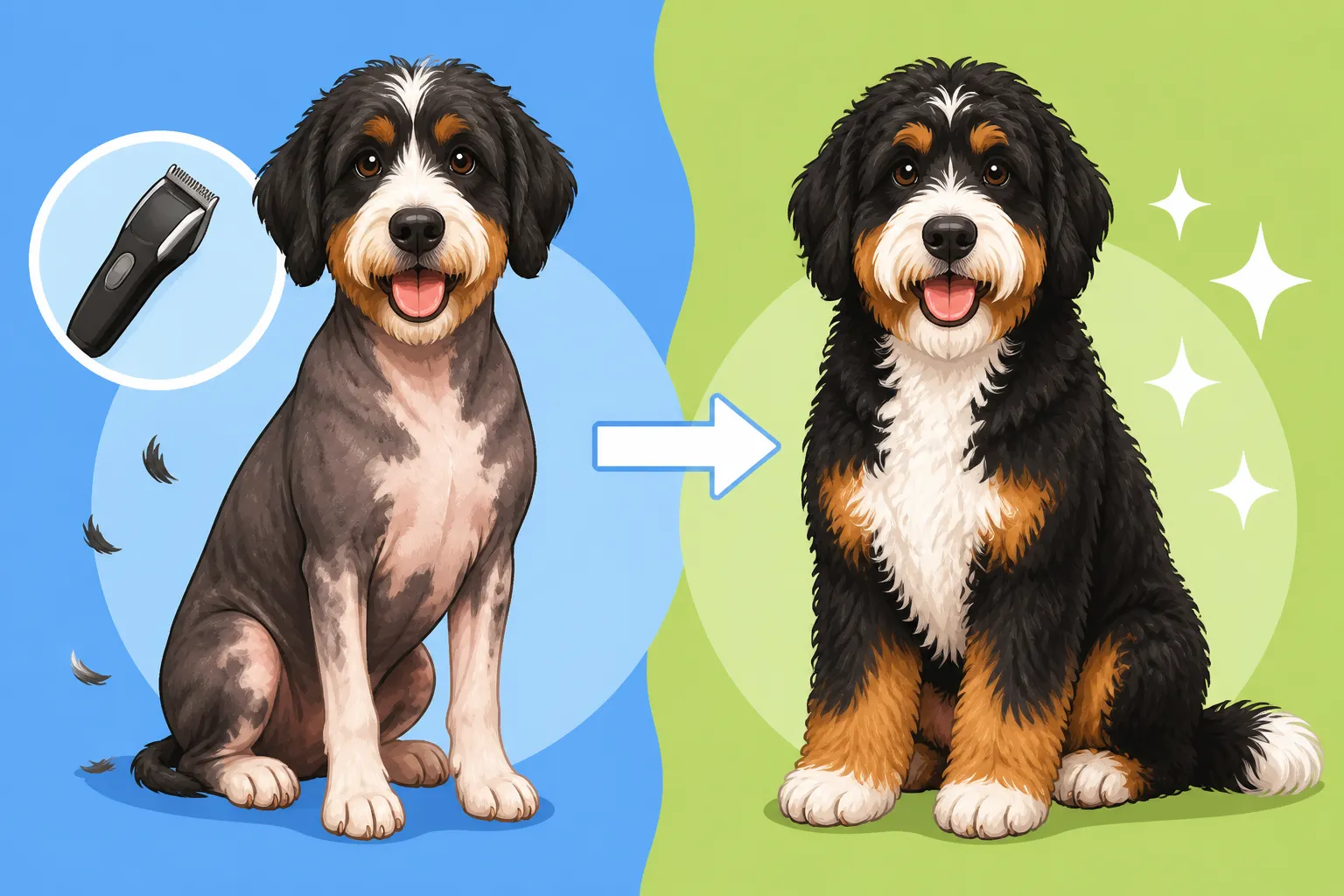
It's a common worry for Bernedoodle parents, one that often pops up right after a necessary shave: will that beautiful, fluffy coat ever grow back the same way? Whether you had to shave your beloved pup due to severe matting, a skin issue, or simply to help them cope with summer heat, the uncertainty about their coat's return is totally understandable. This guide is here to walk you through the realities of a Bernedoodle's coat regrowth after shaving, explaining what to expect, how to encourage healthy fur, and how to navigate any changes you might see.
Understanding the Bernedoodle Coat Type
The Bernedoodle coat is truly one-of-a-kind, a delightful mix of two very different worlds. It’s this unique genetic blend that makes predicting their coat type, and indeed its regrowth, a fascinating challenge for owners.
The Hybrid Nature of Their Fur
Your Bernedoodle is a direct descendant of a majestic Bernese Mountain Dog and an intelligent Poodle. The Bernese brings a thick, insulating double coat, designed to protect them from harsh mountain winters. Think of those long, flowing outer hairs and the dense, soft undercoat – quite a lot of fur! The Poodle, on the other hand, contributes a single layer of curly, non-shedding hair. This combination is what gives Bernedoodles their diverse range of coats, from straight and wavy to tightly curled.
Because of this hybrid heritage, no two Bernedoodle coats are exactly alike. You might have a pup with a beautifully wavy "fleece" coat, often considered the most desirable for its low-shedding qualities and soft texture. Others might have a curlier, more Poodle-like "wool" coat, which is fantastic for allergy sufferers but demands intense grooming. And then there are those with "straight" or "flat" coats, which tend to shed more and resemble their Bernese parent. This inherent variety means that how each individual coat reacts to shaving can also vary, making your experience unique to your dog.
How a Healthy Coat Functions
Beyond just looking adorable, your Bernedoodle's coat serves several critical functions that contribute to their overall health and comfort. It's not just a fashion statement; it's their natural protective layer. Firstly, the coat provides insulation. Whether it's keeping them warm in winter or, surprisingly, helping to keep them cool in summer by trapping air, a healthy coat acts as a thermal regulator. When hot, the coat traps a layer of cooler air against the skin, and when cold, it holds in body heat.
Secondly, it offers vital protection for their skin. Think of it as a natural shield against the elements: sun, wind, rain, and even minor scrapes or insect bites. Without this protective barrier, their skin is much more vulnerable to damage, sunburn, and irritations. A healthy coat also plays a role in sensory perception, with guard hairs providing tactile information about their surroundings. Understanding these functions helps us appreciate why maintaining coat health, even after a shave, is so important for your Bernedoodle’s well-being.
The Reality of Shaving a Bernedoodle's Coat
Shaving your Bernedoodle is rarely a decision made lightly. Often, it's a necessary step to ensure their comfort, health, or simply to reset their coat after a challenging period. It's a choice many owners grapple with, often feeling a pang of guilt or concern about their dog's altered appearance.
Why Owners Choose to Shave (or Must)
There are several compelling reasons why a Bernedoodle owner might decide, or be forced, to shave their dog's coat down. One of the most common, and frankly, heartbreaking reasons, is severe matting. Bernedoodle coats, especially those wonderful wavy and curly types, are prone to matting if not meticulously brushed. These mats aren't just unsightly; they can be incredibly painful, pulling at the skin, restricting movement, and even leading to skin infections. In cases of severe matting, where the mats are tight against the skin and widespread, shaving the coat completely is often the kindest and only humane option. Trying to brush out severe mats can cause immense pain and stress for your dog, and a professional groomer will almost always recommend a full shave down in such situations. We've all seen those horror stories of dogs coming in with coats so matted they look like a solid shell – for a Bernedoodle, with their dense fur, this can happen faster than you'd think, especially in areas like Mats in a Bernedoodle's Armpits and Britches.
Beyond matting, health issues can necessitate a shave. Skin infections, hot spots, or persistent allergies might require the veterinarian to have clear access to the skin for treatment. Sometimes, a shave allows medicated shampoos or topical treatments to work more effectively. Lastly, some owners choose to shave their Bernedoodle for comfort, particularly during hot summer months. While there's a The Summer Shave Argument on a Bernedoodle for leaving some coat for insulation, a short, even clip can certainly help prevent overheating. Other owners simply prefer a very short, low-maintenance look, trading the luxurious length for ease of care.
What Happens Immediately After Shaving
The moment you see your Bernedoodle after a full shave can be quite a shock, both for you and for them! Firstly, their appearance will be dramatically different. That fluffy, voluminous coat is gone, replaced by a much shorter, often thinner-looking layer of fur. Many owners report that their Bernedoodle's color appears different—often lighter or sometimes even a bit duller—because the outer, often sun-bleached or slightly damaged guard hairs are gone, revealing the true color of the undercoat. The texture might also feel different right away; instead of soft waves, you might feel a somewhat coarser stubble.
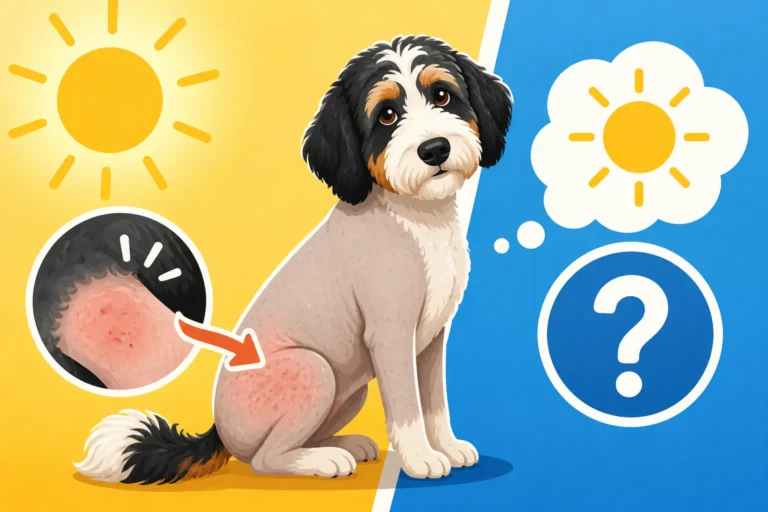
Beyond the aesthetics, the immediate aftermath of a shave also brings practical considerations. Your Bernedoodle's skin, which was previously protected by a thick layer of fur, is now exposed and more vulnerable. This means they can be more susceptible to sunburn, especially if they have light skin or spend a lot of time outdoors. You might need to consider dog-safe sunscreen or protective clothing. Similarly, if the weather turns chilly, they'll feel the cold much more acutely and might need a sweater or coat to stay comfortable. You might also notice them scratching more initially, not necessarily from irritation, but simply because their skin feels different without the weight and insulation of their usual coat. It's a big change, and it's perfectly normal for both of you to need a little adjustment period.
The Regrowth Process and Potential Changes
Once the initial shock of the shave wears off, the next big question looms: how long until the fur grows back, and will it be exactly the same? This is where the Bernedoodle's unique genetics truly come into play, offering a spectrum of regrowth experiences.
The Typical Timeline for Coat Regrowth
Patience is definitely a virtue when it comes to waiting for your Bernedoodle's coat to grow back. Generally speaking, you can expect to see noticeable growth within a few weeks, but achieving full length and density can take several months. Just like human hair, dog hair growth is a continuous cycle, but it's influenced by individual genetics, diet, and overall health.
In the first few weeks, you'll likely see a soft, fine fuzz emerging, especially if they were shaved very close to the skin. This puppy-like fur will gradually lengthen. Within 2-3 months, most Bernedoodles will have enough coat to feel soft and offer some protection, though it won't be their full, adult length. For a Bernedoodle to fully regain its original length and density, it can take anywhere from 4 to 12 months, sometimes even longer for very long coats. Factors such as the season (hair tends to grow faster in warmer months for some breeds, or shed more in others), your dog's age (Whether a Bernedoodle's Coat Gets Thicker With Age), and their general health can all play a role in this timeline. Don't be alarmed if one area seems to grow faster than another; this is also part of the normal process.
Texture and Color Variations Post-Shave
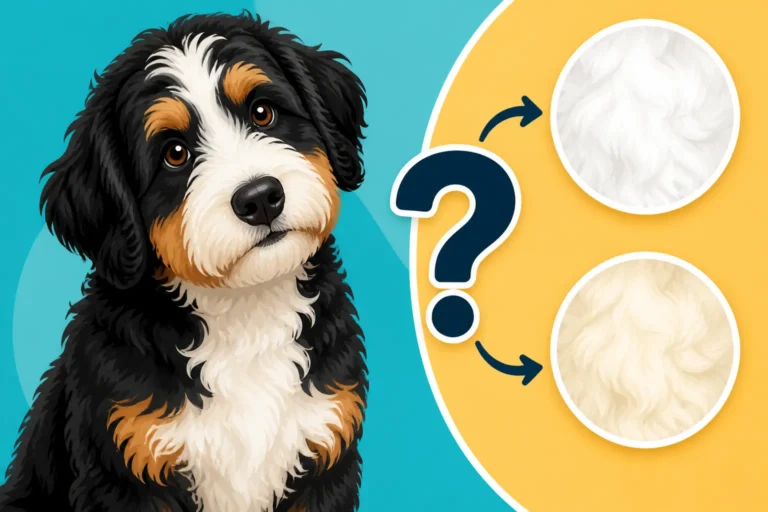
This is arguably the most common concern among Bernedoodle owners: will the coat come back with the same texture and color? The answer, while generally positive, isn't always a simple "yes." Many Bernedoodles experience what's sometimes called "shave shock" or "clipper alopecia," where the new coat grows back with a different texture or color, at least temporarily.
- Texture Changes: It's quite common for the new coat to come back curlier, coarser, or sometimes even softer than before. If your Bernedoodle had a wavy, fleece coat, it might return curlier and denser. If it was already very curly, it might come back even more tightly coiled. For some dogs, this change is temporary, and as the hair grows longer and cycles through, it eventually reverts to its original texture. For others, particularly those with a strong Poodle gene, the texture change might be more permanent. The reasoning behind this isn't fully understood, but it's thought to be related to the removal of the guard hairs and the disruption of the natural hair growth cycle. The fine, soft undercoat might also be stimulated to grow more prominently.
- Color Shifts: You might also notice changes in color. Sometimes, a shaved Bernedoodle's coat grows back a shade darker or lighter than it was before. This can happen because the previous long coat might have been sun-bleached or had accumulated slight variations over time. When shaved, the fresh, new hair emerges with its most natural pigment. Conversely, some owners report a temporary dullness. Over time, as the coat matures and is exposed to the elements, it will typically regain a more familiar hue. Rest assured, while these changes can be surprising, the functionality of the coat – its ability to protect and insulate – usually returns as it grows out. For more on how coats change, you might find Whether a Bernedoodle's Coat Lightens as It Ages informative.
Caring for a Shaved Bernedoodle and Promoting Healthy Regrowth
Having your Bernedoodle shaved, whether by choice or necessity, marks a new phase in their grooming routine. It's an opportunity to nurture their skin and coat from scratch, ensuring the healthiest possible regrowth.
Skin Protection and Hydration
With their coat significantly shortened, your Bernedoodle's skin is now more vulnerable than usual. It's like shedding a thick winter jacket and suddenly being out in just a t-shirt – they need extra protection. The most critical aspect is sun protection. A Bernedoodle with a short coat can easily get sunburned, especially if they have lighter skin or spend time outdoors during peak sun hours. Look for dog-specific sunscreens, which you can often find on Chewy or Amazon, and apply them to exposed areas like the bridge of their nose, ear tips, and any areas where the skin is visible. If they’re going to be outside for extended periods, consider a lightweight dog vest or shirt for added protection.
Beyond sun, keeping their skin hydrated is also important. Some dogs might experience dry, flaky skin after a shave. Using a gentle, moisturizing dog shampoo and conditioner during baths can help. Avoid harsh chemicals or human products. A good quality shampoo designed for sensitive skin can be found through retailers like Chewy. Furthermore, a healthy diet plays a huge role in skin and coat health. Ensure your Bernedoodle is on a high-quality dog food. Adding Omega-3 fatty acids, either through a supplement or specific foods, can work wonders for skin hydration and coat luster as it grows back. Brands like Ollie often emphasize fresh ingredients that support overall health, including skin and coat. You might want to read more about Whether Omega Oils Help a Bernedoodle's Coat Density.
Brushing and Grooming During Regrowth
Even with a short coat, maintaining a regular brushing routine is absolutely essential. Many owners make the mistake of thinking they don't need to brush a shaved dog, but this couldn't be further from the truth! Regular brushing, even during the regrowth phase, helps to:
- Prevent New Matting: As the hair starts to grow, it can still tangle, especially if the texture has changed or if your dog is particularly active. Gentle, daily brushing prevents small tangles from escalating into painful mats.
- Stimulate Blood Flow: Brushing increases blood circulation to the skin, which can promote healthy hair follicle activity and encourage faster, stronger regrowth.
- Distribute Natural Oils: Brushing helps spread the skin's natural oils throughout the growing coat, keeping it moisturized and healthy.
- Desensitize to Grooming: If the shave was due to severe matting and a potentially painful grooming experience, this is a perfect time to reintroduce positive associations with brushing. Use very soft brushes initially and make it a pleasant experience with treats and praise.
For a growing Bernedoodle coat, a soft slicker brush and a wide-toothed comb are excellent tools. Start with the slicker to gently work through the short hair, then follow with the comb to check for any hidden tangles. As the coat gets longer, you'll need to transition to more robust tools. For guidance on the right tools, check out The Brushes a Bernedoodle Owner Actually Needs and information on How Often a Bernedoodle Should Be Brushed.
Professional Guidance and Future Grooming Choices
Bringing a professional groomer into your Bernedoodle's life, especially after a shave, is always a wise move. They can offer invaluable advice tailored to your dog's specific coat type and growth pattern. A good groomer can assess the coat regrowth, identify any potential issues early on, and recommend the best products and techniques for your Bernedoodle's evolving fur. They can also help you understand different clipper blade lengths and suggest a grooming schedule that prevents future matting disasters. For instance, if you're considering another summer shave, a groomer can guide you on The Clip a Bernedoodle Owner Should Ask For in July to ensure comfort while maintaining some protective length.
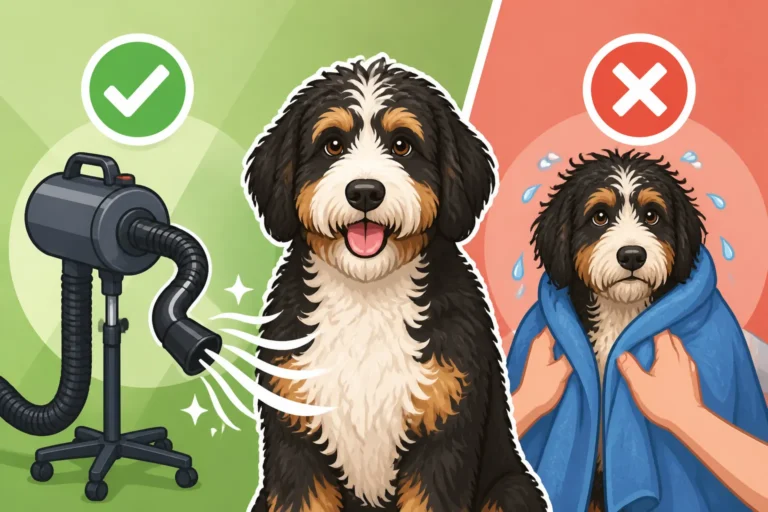
Discussing a preventative grooming schedule with your groomer is key. They might recommend professional grooms every 6-8 weeks, coupled with diligent home brushing in between. Investing in a professional grooming table and force dryer, available on Amazon or from professional grooming supply stores, can also make home grooming much more manageable for a large breed like a Bernedoodle. The goal is to establish a routine that keeps their coat healthy, comfortable, and prevents the need for drastic measures like a full shave down again.
Here’s a quick overview of potential scenarios and outcomes:
| Reason for Shaving | Immediate Appearance | Expected Regrowth Outcome | Key Considerations |
|---|---|---|---|
| Severe Matting | Patchy, potentially red skin, raw spots (if severe) | Coat will regrow, but texture/color may differ. Focus on skin healing first. | Protect sensitive skin; introduce brushing gently. |
| Health Issues (e.g., hot spots) | Area shaved around lesion, visible skin | Healthy coat should regrow over the affected area once underlying issue resolved. | Keep area clean; prevent licking/chewing; consult vet. |
| Summer Heat | Evenly short, lighter color (if long previously) | Usually grows back to original texture/color, but may take time to regain full density/length. | Sun protection is crucial; avoid over-shaving if not necessary. |
| Owner Preference (low maintenance) | Consistent, very short | Will continue to grow as long as allowed, requiring regular maintenance if short style is desired. | Be mindful of exposing skin to elements; consider coat's protective role. |
Disclaimer
This article is for general informational purposes only and does not constitute professional advice. Laws, prices and regulations vary by location and change over time. Consult a qualified professional for guidance on your specific situation.