Whether a Neutered Bernedoodle Gains Weight
It’s a truly common worry that settles in after you’ve made the responsible decision to spay or neuter your beloved Bernedoodle: suddenly, it feels like they’re packing on pounds faster than you can say “treat.” You’re not imagining it; many dog owners grapple with this exact challenge, feeling frustrated as their once lean and active pup starts to look a bit chunkier. This comprehensive guide will explain why this weight gain can happen, how to prevent it, and what steps you can take to ensure your Bernedoodle stays at a healthy weight, protecting their long-term well-being.
Understanding Why Neutering Can Lead to Weight Gain
The connection between neutering and weight gain in dogs, including our wonderful Bernedoodles, isn't just an old wives' tale. There's real physiological and behavioral science behind it, and understanding these factors is the first step to staying ahead of the curve.
The Hormonal Shift and Metabolism
When a dog is neutered, whether male or female, we're talking about a significant change in their hormonal landscape. For males, the removal of the testes means a sharp decrease in testosterone. For females, spaying removes the ovaries, leading to a drastic drop in estrogen. These hormones play a much larger role than just reproduction; they're also deeply intertwined with metabolism.
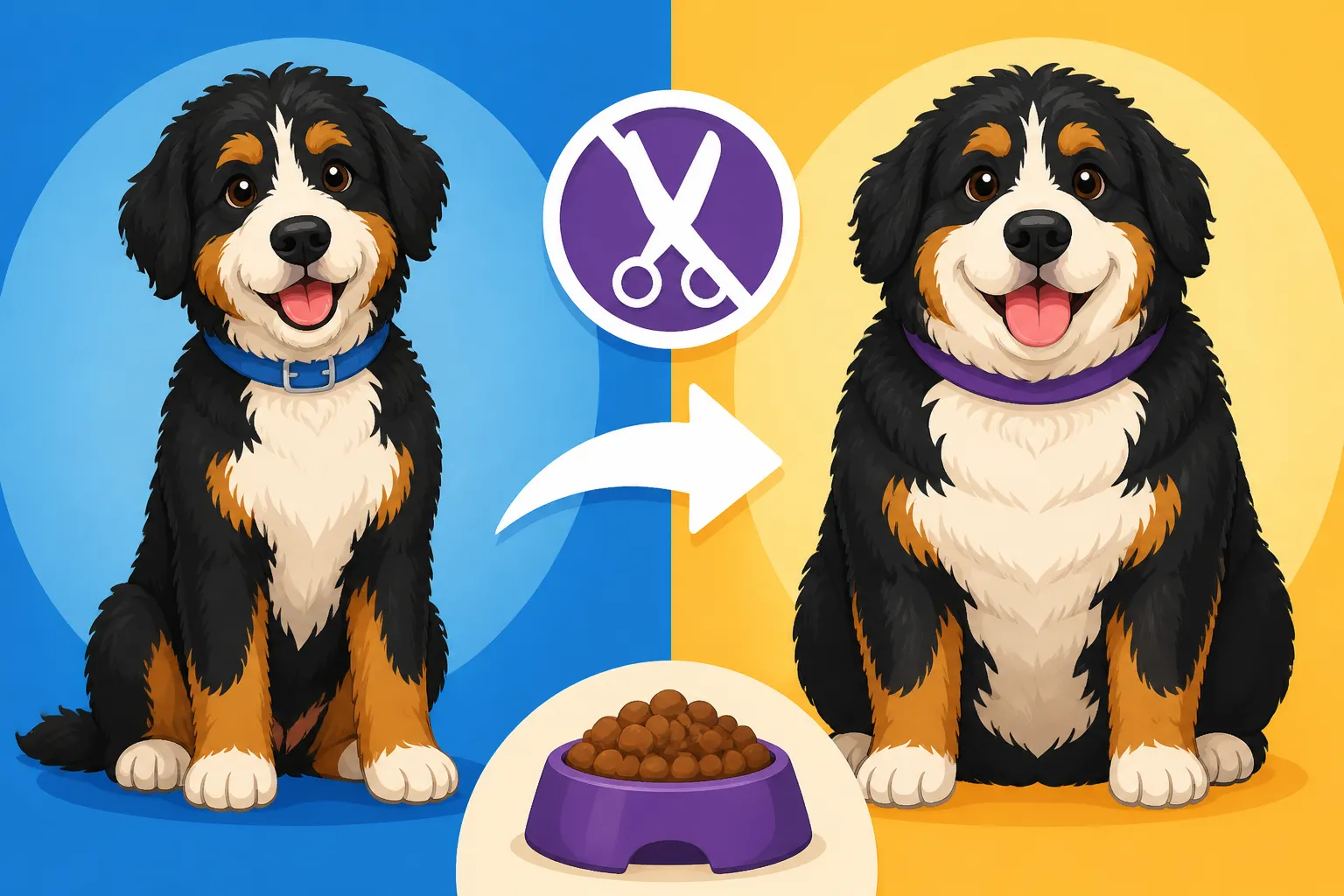
Testosterone, for instance, has a hand in building and maintaining muscle mass, which burns more calories at rest than fat does. Estrogen also influences metabolism. When these hormones decrease, a dog's metabolic rate naturally tends to slow down. Think of it like a car that suddenly becomes more fuel-efficient – it needs less gas to go the same distance. If your Bernedoodle continues to eat the same amount of food as before surgery, but their body is now burning calories at a slower rate, those extra calories are stored as fat. It's a subtle change, but over weeks and months, it can add up significantly, leaving many owners wondering, "What did I do wrong?" The truth is, it’s a natural consequence of the procedure, and it’s up to us as owners to adapt.
Changes in Activity Levels Post-Surgery
Beyond the internal metabolic shifts, many Bernedoodle owners also observe a change in their dog's energy and activity levels after neutering. This isn't universally true for every dog, but it's common enough to be a contributing factor to weight gain.
Some dogs, especially males, might experience a reduction in certain hormone-driven behaviors that previously kept them more active. For example, a male dog might be less inclined to roam vast distances in search of a mate or to engage in high-energy "marking" behaviors. A female dog might no longer experience the restless periods associated with heat cycles. Sometimes, the initial recovery period from surgery, which involves restricted activity, can also lead to a habit of less movement that persists if not actively managed. Our Bernedoodles, with their often goofy and playful personalities, can still be quite happy lounging on the couch, especially if their energy levels subtly drop and we don't consciously increase their playtime or walks. If their calorie intake remains high while their caloric output decreases, that excess energy has to go somewhere, and it usually ends up as extra padding. It's a delicate balance, and we need to be vigilant about keeping them engaged and active. The Exercise a Standard Bernedoodle Needs Daily offers great insights into maintaining their fitness.
Proactive Steps to Prevent Weight Gain
The good news is that preventing weight gain in a neutered Bernedoodle is absolutely achievable with a few thoughtful adjustments. Being proactive is key, ideally starting before you even notice those extra pounds.
Adjusting Their Diet Immediately
This is often the most critical step. Once your Bernedoodle has fully recovered from their neutering surgery and your vet gives the all-clear, it’s time to seriously evaluate their food intake. Because their metabolism will likely slow down, they simply won't need as many calories as they did before.
The exact reduction can vary, but a common recommendation is to reduce their daily caloric intake by about 10-20%. This isn't a hard and fast rule, and it’s always best to discuss specific percentages with your veterinarian, who knows your dog’s individual needs. What does this mean in practice? It might involve feeding slightly smaller portions of their current food, or switching to a "light" or "weight management" formula. These formulas are typically lower in calories and fat, but still provide all the essential nutrients your Bernedoodle needs. When you're looking for high-quality, lower-calorie kibble, sites like Chewy or even Amazon can be fantastic resources, offering a wide variety of options and customer reviews. Always measure their food precisely; eyeballing it can lead to unintentional overfeeding. Remember that treats also count towards their daily calorie budget. Opt for low-calorie training treats or even small pieces of plain cooked vegetables like carrots or green beans. Cutting back on the number of high-value treats is crucial. For more guidance on feeding, see What an Adult Bernedoodle Eats.
Maintaining an Appropriate Exercise Routine
Just as important as diet is ensuring your Bernedoodle continues to get plenty of appropriate physical activity. While their enthusiasm might not wane, their internal drive might slightly lessen, making it easier for them to opt for a snooze over a romp.
For a standard Bernedoodle, which can be a substantial dog, regular exercise is paramount. This isn't just about preventing weight gain; it's also vital for their mental health and joint health. Aim for at least 60-90 minutes of moderate-to-vigorous exercise daily, broken into several sessions. This could include brisk walks, fetch in the yard, trips to a dog park (if they're well-socialized), or even mentally stimulating games like hide-and-seek with their toys. Keeping a Bernedoodle's Weight Down really emphasizes the importance of consistent activity. If you have a mini or tiny Bernedoodle, their needs might be slightly different, but consistent activity tailored to their size is still crucial. Remember to adjust exercise based on weather conditions; a Bernedoodle’s thick coat can make them prone to overheating, so avoid strenuous activity during the hottest parts of the day. The Temperature a Bernedoodle Should Not Be Walked In provides critical advice here. Consider incorporating varied activities to keep them engaged. Swimming, for example, is a fantastic low-impact exercise that burns calories without stressing joints.
What to Do If Your Neutered Bernedoodle Is Already Gaining Weight
So, you’ve neutered your Bernedoodle, perhaps months ago, and despite your best intentions, you’ve noticed them getting a bit pudgy. Don’t despair! It’s a common scenario, and there are definite steps you can take to help them trim down and return to a healthy weight.
Assessing Their Current Diet and Portions
The first place to look when your Bernedoodle is gaining weight is always their bowl. Even small, seemingly insignificant changes can lead to calorie creep. Start by honestly evaluating exactly what and how much your Bernedoodle is eating.
- Measure Everything: Get out your measuring cups and scales. Don’t guess! Measure their kibble precisely.
- Account for Treats: Every single treat, chew, and table scrap adds calories. Many owners underestimate the caloric impact of treats. If your Bernedoodle is getting several high-calorie treats a day, that could be the culprit.
- Review Food Type: Is your Bernedoodle on a high-calorie "performance" or "all life stages" food that was appropriate for an intact, highly active dog, but might be too much for their current, post-neuter metabolism? Consider transitioning to a "light," "senior," or "weight management" formula. These often have reduced fat and calorie content but maintain protein levels to help preserve muscle mass.
- Beware of Hidden Calories: Some dental chews, filled bones, or even certain supplements can pack a surprising caloric punch. Read labels carefully.
Here's a quick comparison of potential diet changes:
| Category | Pre-Neuter (Active, Intact) | Post-Neuter (Reduced Metabolism) |
|---|---|---|
| Kibble Type | Standard adult, high-energy, all life stages | Weight management, light, senior, lower calorie |
| Portion Size | Full recommended serving, possibly more if very active | Reduced by 10-20% from previous, measured precisely |
| Treats | Moderate high-value treats | Low-calorie options (veggies), smaller portions, fewer |
| Snacks | Occasional table scraps (discouraged generally) | Absolutely no table scraps, only healthy, measured treats |
| Feeding Style | Free-feeding (discouraged), timed meals | Strict timed meals, no free-feeding |
Many owners find that simply reducing the portion of their current food by a small amount, or swapping out high-calorie treats for things like green beans or baby carrots, makes a world of difference. Companies like Ollie offer pre-portioned fresh food options which can also help with calorie control.
Boosting Their Physical Activity Safely
If diet adjustments are step one, increasing activity is step two. But it’s not just about more exercise; it’s about effective and safe exercise.
For a Bernedoodle that’s carrying extra weight, you need to be mindful of their joints. Extra weight puts significant strain on hips, elbows, and knees, conditions that Bernedoodles can already be predisposed to. Hips on a Ninety Pound Bernedoodle and Elbow Dysplasia in a Growing Bernedoodle are key articles to understand these sensitivities. Start with gentle, consistent increases. Instead of one long, exhausting walk, try two or three shorter, brisk walks throughout the day. Add in more play sessions in the yard with toys that encourage movement, like a flirt pole or a good game of fetch.
Consider new activities. If your Bernedoodle enjoys water, swimming is fantastic for overweight dogs because it's low-impact. Dog parks can be great for social dogs, but ensure they're actually running and playing, not just sniffing around or standing still. For dogs that aren't naturally high-energy, engage their minds as well as their bodies. Puzzle toys that dispense kibble can turn mealtime into an activity. Regular, consistent movement is far better than sporadic bursts of intense exercise. Always warm up and cool down, especially for older or heavier dogs.
Consulting Your Veterinarian
If you've diligently adjusted diet and exercise and your Bernedoodle is still struggling to lose weight, or if they seem to be gaining weight rapidly, it’s absolutely time to consult your veterinarian.
Weight gain, especially unexpected or stubborn weight gain, can sometimes be a symptom of an underlying medical condition. Hypothyroidism, for example, a condition where the thyroid gland doesn't produce enough hormones, can lead to a slowed metabolism and weight gain despite normal food intake. Other less common conditions or even certain medications can also contribute. Your vet can perform a thorough examination, run blood tests if necessary, and rule out any medical causes. They can also provide a precise target weight for your Bernedoodle, recommend specific caloric intake, and offer tailored exercise advice based on their individual health status, age, and existing joint issues. They might even suggest a prescription weight-loss diet, which is specifically formulated for safe and effective weight reduction. Don't feel like you've failed if you need professional help – that's exactly what your vet is there for. Regular check-ups are always a good idea; The Screening a Bernedoodle Should Have Yearly covers many important health checks.
Important Considerations for Bernedoodle Owners
Owning a Bernedoodle means you're already familiar with their wonderful quirks and unique needs. When it comes to managing their weight post-neuter, these breed-specific traits become even more important.
The Bernedoodle's Unique Needs (Coat, Size, Temperament)
Bernedoodles are a fantastic blend of Bernese Mountain Dog and Poodle, and this mix brings a few factors into play when considering weight management.
- Coat: Their dense, often wavy or curly coat can make it challenging to visually assess their body condition. It's easy for a few extra pounds to hide under all that fluff! You need to feel your Bernedoodle's ribs regularly. You should be able to feel them easily with light pressure, without seeing them prominently. If you have to press hard to feel them, they’re likely overweight.
- Size: Standard Bernedoodles are large dogs, ranging from 70-90+ pounds. This means that even a small percentage of excess weight can put a lot of strain on their developing or aging joints. Their Bernese heritage means they're already prone to conditions like hip and elbow dysplasia, so keeping them at an ideal weight is critical for joint health throughout their lives. Whether an Overweight Bernedoodle Loses Years emphasizes this critical point. Mini and tiny Bernedoodles also need careful weight management, though the strain on their smaller joints might be less dramatic than on their standard counterparts.
- Temperament: Bernedoodles are often described as goofy, affectionate, and sometimes a little stubborn. Their desire to please can make them highly food-motivated, which means they'll happily eat whatever is offered, making it easy to accidentally overfeed them. Their sensitive nature means positive reinforcement is best for training and exercise, and it's also why they can sometimes develop Whether a Bernedoodle Suffers Separation Anxiety, which can sometimes manifest as boredom eating. Channel their intelligence and eagerness to engage in training and puzzle feeders rather than just dishing out extra food.
Long-Term Health Implications of Obesity
Beyond just looking a bit fluffy, carrying extra weight has serious long-term health consequences for any dog, and our Bernedoodles are no exception. Understanding these risks can be a powerful motivator to maintain a healthy weight.
Obesity can significantly shorten a dog’s lifespan and dramatically reduce their quality of life. The most common issues include:
- Joint Problems: This is huge for Bernedoodles. Excess weight exacerbates conditions like arthritis, hip dysplasia, and elbow dysplasia. Imagine carrying a heavy backpack all day, every day – that's what extra weight feels like on their joints. It can lead to pain, reduced mobility, and a need for expensive medications or even surgeries down the line. Managing Arthritis in an Old Bernedoodle is a crucial read here.
- Diabetes: Just like in humans, obesity is a major risk factor for developing canine diabetes.
- Heart and Respiratory Disease: Carrying extra fat puts a strain on the heart and lungs, potentially leading to or worsening existing heart conditions and making breathing more difficult, especially in warm weather.
- Certain Cancers: Some studies suggest a link between obesity and an increased risk of certain types of cancer.
- Urinary Tract Issues: Overweight dogs can sometimes be more prone to conditions like Whether a Bernedoodle Is Prone to Bladder Stones.
- Reduced Stamina and Heat Intolerance: A heavier dog will tire more easily and struggle more in warm weather, limiting their ability to exercise and enjoy outdoor activities.
- Skin Problems: Rolls of fat can create folds in the skin that are prone to irritation and infection.
By being mindful of your Bernedoodle's weight after neutering, you’re not just helping them look good; you're actively contributing to a longer, healthier, and happier life. It’s a commitment, but one that’s absolutely worth making for your furry best friend.
Disclaimer
This article is for general informational purposes only and does not constitute professional advice. Laws, prices and regulations vary by location and change over time. Consult a qualified professional for guidance on your specific situation.