Cleaning a Bernedoodle’s Ears
If you're a Bernedoodle owner, you know their floppy, furry ears are undeniably adorable, but they can also be a real source of frustration when it comes to keeping them clean and healthy. It’s a common struggle to prevent those hidden warm, moist environments from becoming a breeding ground for nasty infections. This comprehensive guide is here to walk you through everything you need to know about effectively cleaning your Bernedoodle's ears, recognizing potential problems, and keeping those precious floppers happy and healthy.
Why Bernedoodle Ears Need Special Attention
Bernedoodles, with their delightful blend of Bernese Mountain Dog and Poodle, inherit a lot of wonderful traits, but sometimes their ear anatomy presents a unique set of challenges. It’s not just about looking cute; those floppy ears require regular, specific care to prevent common, often painful, issues. Many new Bernedoodle parents are caught off guard by just how much attention their pup's ears actually need.
The Anatomy of a Bernedoodle's Drop Ears
Let's talk about those gorgeous, long, pendulous ears. Unlike breeds with upright, pricked ears that allow for plenty of air circulation, a Bernedoodle's ears hang down, covering the ear canal. This design, while charming, essentially creates a warm, dark, and enclosed space. Think of it like a tiny, furry cave that's just begging for moisture and debris to get trapped inside. The Bernese side contributes to the heavier, furrier ear flap, while the Poodle side often brings more hair inside the ear canal itself. This combination is a recipe for reduced airflow, which is the primary culprit behind many ear problems.
Because the ear canal isn't openly exposed to the air, any moisture that gets in from a swim, a bath, or even just humidity can't easily evaporate. Instead, it sits there, raising the humidity level inside the ear. This constant dampness softens the delicate skin lining the ear canal, making it more susceptible to irritation and infection. It's a prime example of how even the most endearing physical traits can come with their own set of care responsibilities. Understanding this basic anatomy is the first step in appreciating why your Bernedoodle's ears need more than just a passing glance.
The Perfect Environment for Trouble: Warmth, Moisture, and Hair
So, we have a warm, dark, enclosed space. Now, add moisture and hair into the mix, and you've got the perfect storm for bacterial and yeast infections. That thick, soft fur inside the ear canal, often inherited from the Poodle parent, acts like a filter, catching everything from dust and pollen to tiny bits of debris. While that sounds helpful, it actually traps these particles within the ear, preventing them from naturally migrating out. When these trapped particles combine with moisture – perhaps from a vigorous shaking after a drink of water, or a playful splash in the lake – it creates an ideal breeding ground for microscopic invaders.
Yeast, which naturally lives on a dog's skin, thrives in these conditions, leading to those tell-tale yeasty smells and brown discharge. Bacteria can also multiply rapidly, causing painful inflammation and pus. Allergies can further complicate things, leading to increased inflammation and wax production, which then exacerbates the issue. It's a vicious cycle that, if left unchecked, can quickly turn a minor irritation into a full-blown, painful ear infection that might require antibiotics and stronger medications from your vet. This is why regular cleaning and vigilance are absolutely non-negotiable for Bernedoodles, especially those prone to Ear Infections in a Bernedoodle's Drop Ear.
Recognizing the Signs of an Ear Issue
Before you even think about cleaning, it's crucial to know what a healthy Bernedoodle ear looks and smells like, and, more importantly, what it doesn't. Catching an ear problem early can save your pup a lot of discomfort and you a potentially hefty vet bill. It’s all about tuning into your dog's subtle cues and learning to be observant during your regular cuddle sessions.
What to Look For and Listen For
A healthy Bernedoodle ear canal should be pale pink, clean, and have little to no odor. There might be a very small amount of light brown or yellowish wax, but nothing excessive. When something is brewing, the signs can be quite clear if you know what you're looking for. Visually, start by gently lifting your Bernedoodle's ear flap and peering inside. Are you seeing redness or swelling? Is there an unusually dark or excessive amount of waxy buildup? Does the discharge look abnormal – perhaps black and crumbly (often a sign of ear mites), yellow-green and pus-like (bacterial infection), or dark brown and greasy with a foul, yeasty smell?
Beyond what you see, listen to your dog and observe their behavior. Are they shaking their head more frequently or tilting it to one side? Are they scratching at their ears with their paws, sometimes so vigorously that they might even break the skin around the ear? You might also notice them rubbing their ears on furniture or the carpet. Sometimes, a dog will whimper or pull away when you try to touch their ear, indicating pain or tenderness. Even a subtle change in their usual demeanor, like being a bit more withdrawn or irritable, can be a sign that something is bothering them, and their ears are a common culprit. Don't dismiss these behaviors; they are your Bernedoodle's way of communicating distress.
When It's Time for the Vet, Not Just a Cleaning
While regular cleaning is fantastic for prevention and managing minor buildup, there are definite red flags that signal it's time to put down the cleaner and pick up the phone to your veterinarian. If you notice any of the following symptoms, especially in combination, do not attempt to clean the ear yourself as you could cause more pain or push debris deeper into an already inflamed canal:
- Intense redness and swelling: This indicates significant inflammation, which needs medical attention.
- Excessive discharge: Particularly if it's pus-like, green, or yellow.
- Strong, foul odor: A truly noxious smell usually means a serious infection.
- Severe pain: If your Bernedoodle cries out, snaps, or recoils violently when you try to touch their ear, it's too painful for home care.
- Visible injury or foreign object: If you see a cut, a puncture, or suspect a foxtail or other object is lodged inside, a vet needs to remove it safely.
- Changes in balance or hearing: While rare, severe ear infections can sometimes affect the inner ear, leading to head tilting, loss of balance, or apparent hearing loss. This is an emergency.
Remember, a vet can properly diagnose the type of infection (bacterial, yeast, mites) and prescribe the correct medication. Self-treating a severe infection can prolong your dog's suffering and make the condition harder to resolve. Your Bernedoodle relies on you to know when professional help is necessary, and when it comes to delicate organs like ears, it's always better to err on the side of caution.
Your Step-by-Step Guide to Cleaning Bernedoodle Ears
Now that you know why Bernedoodle ears need attention and what to look out for, let's get down to the nitty-gritty: how to actually clean them. This isn't a race, and patience is your best friend here. Making it a positive experience for your Bernedoodle will set you up for success for years to come. Many owners find that starting this routine when their Bernedoodle is a puppy helps them adapt well. Raising a Bernedoodle Puppy That Will Outweigh You comes with many training opportunities, and ear cleaning is one of them.
Gathering Your Supplies: What You'll Need
Before you even call your Bernedoodle over, get all your tools ready and within arm's reach. There’s nothing worse than having a partially-cleaned, slightly annoyed dog squirming while you rummage for supplies!
First and foremost, you'll need a good quality, vet-approved ear cleaner. Look for solutions specifically formulated for dogs, typically containing ingredients like salicylic acid or witch hazel, which help break down wax and dry the ear canal without irritation. You can find excellent options on sites like Chewy or Amazon, or your veterinarian can recommend a specific brand. Avoid anything with alcohol, as it can be too drying and irritating. Next, grab a generous supply of cotton balls or cotton rounds – never cotton swabs (Q-tips) for inside the ear canal, as these can push debris further in or even damage the eardrum. You'll also want a soft towel for any drips and for cleaning up later. Treats, and lots of them, are absolutely essential for positive reinforcement! For dogs with particularly hairy ear canals, you might also consider a specific ear powder and blunt-nosed hemostats for plucking, but we'll discuss that more in a moment.
Having everything organized beforehand minimizes stress for both you and your Bernedoodle. Choose a quiet, well-lit space where you both feel comfortable. Lay down an old towel or mat to protect your floor or furniture from any splatters during the cleaning process. A good setup makes the whole ordeal feel less like a chore and more like a routine wellness check, which it truly is.
The Cleaning Process: Gentle and Thorough
Okay, supplies are ready, Bernedoodle is (hopefully) calm and bribed with a treat. Here’s how to proceed:
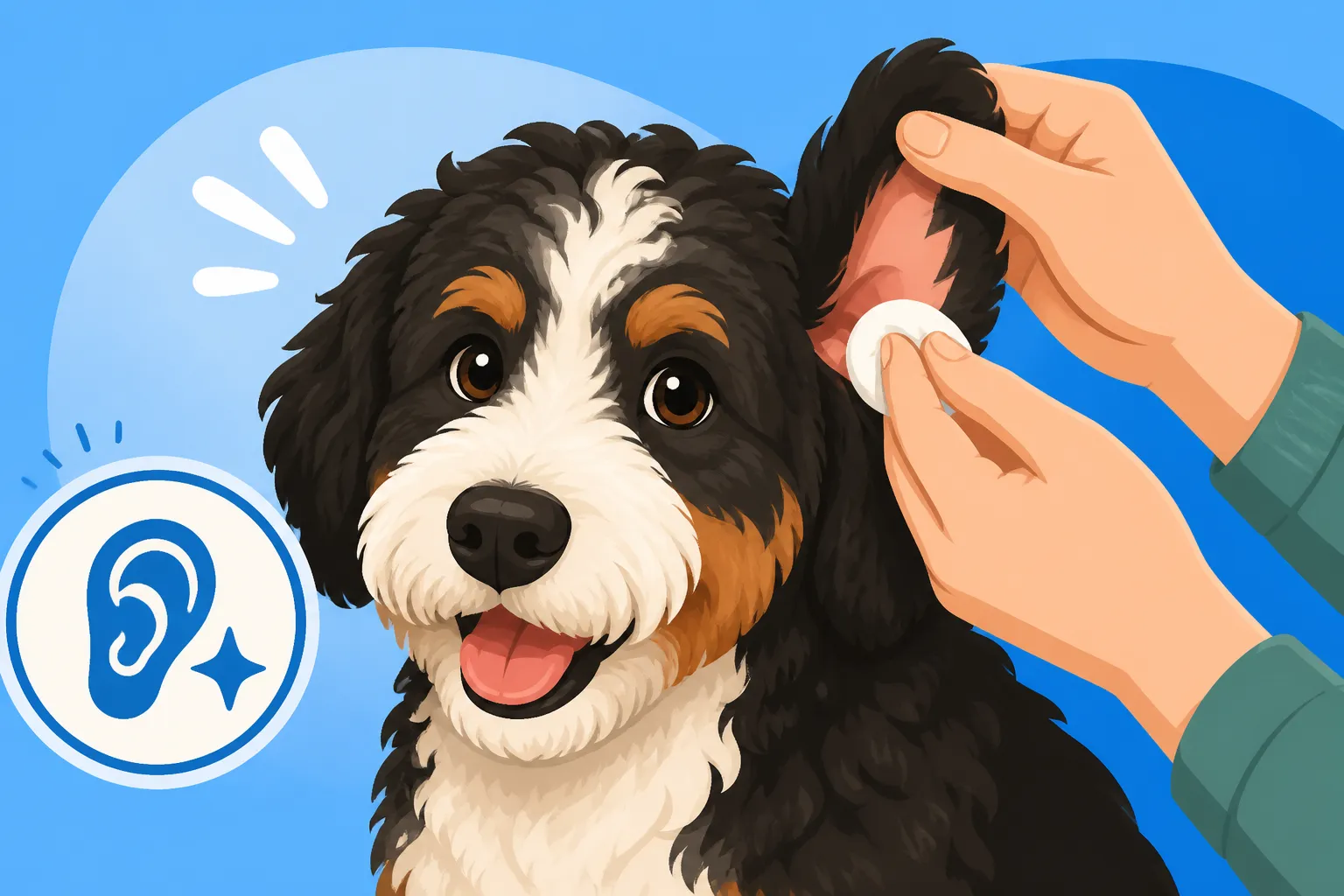
- Prep Time & Position: Have your Bernedoodle sit or lie down in a comfortable position. If they're a puppy or still getting used to it, have someone gently hold them. Give them a treat and offer plenty of verbal praise. Gently lift one ear flap.
- Apply Cleaner: Hold the ear cleaner bottle near the opening of the ear canal. Squeeze a generous amount of the solution directly into the ear canal until it's visibly full, or almost full. Don't be shy; you need enough liquid to really flush things out.
- Massage: Gently but firmly massage the base of the ear for about 20-30 seconds. You should hear a squishing sound as the cleaner moves around inside. This action helps break up wax and debris deep within the canal. Your Bernedoodle might find this surprisingly pleasant, or mildly annoying, depending on their personality and how sensitive their ears are.
- Allow Shaking (and Protect Yourself!): Let go of the ear. Your Bernedoodle will almost certainly want to shake their head vigorously. This is perfectly normal and actually helps dislodge the gunk! Step back or hold your towel strategically to avoid a shower of ear wax.
- Wipe Away Debris: Once they've finished shaking, use a clean cotton ball or round to gently wipe away any visible wax, dirt, or cleaner from the inner ear flap and the uppermost parts of the ear canal. Wipe only what you can see. Do not dig into the canal with the cotton ball. You might need several cotton balls until they come out relatively clean.
- Repeat for the Other Ear: Follow the same steps for the second ear.
- Reward Heavily: Finish with ample praise, cuddles, and their favorite high-value treat. You want them to associate ear cleaning with positive outcomes. This helps build trust and makes future sessions much easier. Many owners use a tasty chew like a dental stick from Chewy or a portion of their fresh dog food from Ollie as the ultimate reward.
Consistency is key. Even if your Bernedoodle’s ears look clean, a quick wipe-down once a week or every other week can prevent problems from ever starting. For Bernedoodles prone to issues, daily checks and more frequent cleaning might be necessary, as well as discussing with your vet how often to use the liquid cleaner.
Hair Plucking: Is It Necessary for Your Bernedoodle?
This is a hotly debated topic among Bernedoodle owners, groomers, and veterinarians. Many Poodles have significant hair growth deep within their ear canals, and Bernedoodles often inherit this trait. This hair can trap more moisture and debris, further contributing to infections.
Arguments for Plucking:
- Improved Airflow: Removing excess hair can significantly increase air circulation, keeping the ear canal drier.
- Better Cleaning: It makes it easier for ear cleaner to reach all parts of the canal and for debris to escape.
- Reduced Trapping: Less hair means fewer places for wax, dirt, and moisture to get stuck.
Arguments Against Plucking:
- Pain and Irritation: If not done correctly, plucking can be painful and irritate the sensitive skin of the ear canal, potentially leading to inflammation or even infection if bacteria enters the open follicles.
- Damage to Follicles: Repeated plucking can sometimes damage hair follicles, leading to scar tissue or ingrown hairs.
- Not Always Necessary: Some Bernedoodles have minimal hair in their ears and don't need plucking at all.
How to Approach Plucking:
First, inspect your Bernedoodle's ears. Is there a dense mat of hair blocking the canal, or just a few wisps? If it's very dense, plucking might be beneficial. If you decide to pluck, it is highly recommended to have a professional groomer or your vet show you how to do it correctly the first time. They can demonstrate the proper technique using blunt-nosed hemostats and ear powder (which helps grip the hair). The key is to grab only a few hairs at a time and pull quickly in the direction of hair growth. Never try to pluck large clumps, as this is painful and can cause tearing.
If you're unsure, or if your Bernedoodle is sensitive, consult your vet. They might suggest a light trim of the hair around the opening of the canal instead of deep plucking. The goal is always to improve ear health, not to cause discomfort or create new problems. For many Bernedoodles, simply keeping the surrounding hair trimmed short by a groomer (ask for a "sanitary trim" around the ears) and consistent cleaning with a liquid solution is perfectly sufficient without any plucking at all.
Bernedoodle Ear Cleaning: Do's and Don'ts
Here’s a quick summary to help you remember the most important aspects of Bernedoodle ear care:
| Do's | Don'ts |
|---|---|
| Do check ears weekly. | Don't use cotton swabs (Q-tips) in the canal. |
| Do use vet-approved ear cleaner. | Don't use alcohol-based cleaners. |
| Do massage the ear base after applying. | Don't dig deep into the ear canal. |
| Do allow your dog to shake their head. | Don't ignore signs of infection. |
| Do use cotton balls to wipe visible debris. | Don't pluck ear hair without instruction. |
| Do reward heavily with treats and praise. | Don't clean if the ear is red, swollen, or painful. |
| Do consult your vet for persistent issues. | Don't use home remedies without vet approval. |
Remember that prevention is always better than cure. By establishing a consistent ear care routine, you can help ensure your Bernedoodle's ears stay healthy and infection-free, contributing to their overall well-being and happiness. Keeping up with grooming, especially for The Coat a Bernedoodle Gets From Two Heavy Coated Parents, often means their ears get noticed too. If your Bernedoodle starts to get Lumps a Bernedoodle Owner Should Not Wait On, remember to check around their ears too.
Disclaimer
This article is for general informational purposes only and does not constitute professional advice. Laws, prices and regulations vary by location and change over time. Consult a qualified professional for guidance on your specific situation.