Whether a Tiny Bernedoodle Lives Longest
It's natural to want our beloved Bernedoodles with us for as long as possible, and a common question arises: does a smaller Bernedoodle, particularly a tiny one, inherently have a longer lifespan than its standard or mini counterparts? Many of us hope that by choosing a petite pup, we might bypass some of the longevity challenges seen in larger breeds. This guide dives deep into the science and anecdotal evidence to uncover the truth about tiny Bernedoodle lifespans and how you can best support your small companion's health for years to come.
Does Tiny Size Automatically Grant a Longer Lifespan to a Bernedoodle?
This is a question many prospective Bernedoodle parents ponder, especially given the heartbreakingly short lifespans that can sometimes plague larger dog breeds, particularly the Bernese Mountain Dog side of the Bernedoodle family. The general understanding in the canine world is that smaller dogs tend to live longer than larger dogs. Think about it: a Chihuahua can easily live 15-20 years, while a Great Dane often peaks around 7-10 years. This inverse relationship between size and longevity is a well-observed phenomenon, and it certainly gives hope to those who choose a smaller Bernedoodle.
However, applying this blanket rule directly to a designer breed like the Bernedoodle requires a nuanced look. A Bernedoodle is a cross between a Bernese Mountain Dog, known for its shorter lifespan and propensity for certain health issues, and a Poodle, which generally enjoys a longer lifespan and contributes to the smaller sizes through mini and toy variations. The expectation is that the Poodle genetics will "boost" the Bernese lifespan, and often, they do. But how much does size within the Bernedoodle spectrum actually matter?
Understanding Bernedoodle Lifespans by Size
Generally speaking, Bernedoodles, regardless of their specific size classification (standard, mini, or tiny), tend to have a longer lifespan than their purebred Bernese Mountain Dog parents. While a Bernese might average 7-8 years, Bernedoodles often live between 10-12 years, with many exceeding that range. This is part of the allure of the cross, often referred to as hybrid vigor, which aims to improve the overall health and longevity by widening the genetic pool. You might be interested to know The Average Age a Bernedoodle Reaches to set your expectations.
When we talk about specific sizes, there are indeed some general trends. Standard Bernedoodles, those majestic giants weighing 70-90+ pounds, typically fall into the 10-12 year range. Mini Bernedoodles, usually between 25-50 pounds, often see an extension, potentially living 12-14 years. Then we come to the tiny Bernedoodle, often under 25 pounds, sometimes even as small as 10-15 pounds. It's in this category that many assume the longest lifespans will be found, often stretching towards the 12-15+ year mark, and sometimes even longer, pushing into the Poodle parent's typical lifespan. It’s certainly a compelling argument based on general canine trends that smaller size correlates with increased longevity.
The Theory Behind Smaller Dogs Living Longer
The prevailing theory regarding smaller dogs' extended lifespans is fascinating and complex. It's believed that larger dogs age more rapidly. They grow much faster in their puppyhood and adolescence, which puts a significant strain on their bodies. This accelerated growth rate can lead to a quicker onset of age-related diseases and a higher cumulative cellular stress over their lifetime. Consider the rapid development from a tiny puppy to a ninety-pound adult standard Bernedoodle, compared to a tiny Bernedoodle that reaches its full, much smaller size at a slower, less strenuous pace.
Larger dogs also tend to be more susceptible to certain types of cancer and musculoskeletal issues, like hip and elbow dysplasia, simply because of the sheer size and stress on their joints and organ systems. The energy expenditure, metabolic rate, and cellular turnover are all higher in larger breeds, which may contribute to a faster aging process and a shorter overall lifespan. Therefore, a tiny Bernedoodle, with its lower body mass and slower aging process, theoretically benefits from this biological advantage, allowing for more years of companionship. This is one of the key reasons why people considering a Bernedoodle often ask Whether a Mini Bernedoodle Outlives a Standard.
When "Tiny" Might Not Mean "Longest"
While the general rule of thumb favors smaller dogs for longevity, it's crucial to understand that "tiny" doesn't automatically guarantee the absolute longest lifespan. There are nuances and potential pitfalls, especially when dealing with extremely small dogs or those from irresponsible breeding practices.
Firstly, "tiny" Bernedoodles are often achieved by breeding smaller Poodles (Toy or Miniature) with smaller Bernese Mountain Dogs, or sometimes, through multiple generations of Poodle crosses (e.g., F1b, F2b, Multigen). While the goal is a healthy, smaller dog, sometimes breeders aiming for extreme tininess might inadvertently introduce or exacerbate other health issues. For instance, very small dogs can be more prone to conditions like hypoglycemia (low blood sugar), especially as puppies, and certain congenital defects if not carefully bred.
Furthermore, the genetic health of the individual parents, regardless of size, plays an enormous role. A tiny Bernedoodle from parents with a history of serious health issues will likely have a shorter lifespan than a standard Bernedoodle from meticulously health-tested parents. So, while size offers a general advantage, it's never a substitute for responsible breeding and thorough health clearances. The question of Whether an Unknown Pedigree Costs a Bernedoodle Years really hits home here. Extreme size reduction can also sometimes lead to issues like fragile bones or difficulty regulating body temperature, especially in very cold or hot climates, which can indirectly impact overall vitality and longevity.
Critical Factors Influencing a Bernedoodle's Lifespan Beyond Just Size
While size definitely plays a part in the general longevity trends we observe in dogs, it's far from the only determinant. For any Bernedoodle, whether standard, mini, or tiny, a multitude of other factors contribute significantly to how many happy, healthy years they'll spend with you. Ignoring these would be a disservice to your furry family member and a missed opportunity to maximize their well-being.
Genetic Health Clearances from Parents
This is, without a doubt, one of the most crucial elements in a Bernedoodle's potential lifespan. The health of the parent dogs is directly passed down to their offspring. Reputable breeders invest heavily in comprehensive health testing for their breeding stock, screening for genetic conditions common to both Bernese Mountain Dogs and Poodles. This includes, but isn't limited to, hip and elbow dysplasia, Von Willebrand's disease, progressive retinal atrophy (PRA), and specific cancer markers. For instance, many responsible breeders will ensure The SOD1 Test Both Bernedoodle Parents Need is performed to screen for Degenerative Myelopathy.
When you bring home a Bernedoodle puppy, you're not just getting a cute ball of fluff; you're inheriting a genetic blueprint. A puppy from parents with excellent health clearances has a much better chance of living a long life free from debilitating inherited diseases. Conversely, a puppy from parents whose health status is unknown – perhaps from a backyard breeder or a puppy mill – is a roll of the dice. You might save some money upfront, but the potential veterinary bills and heartbreak down the line can be immense. Always ask to see the official OFA (Orthopedic Foundation for Animals) or PennHIP certifications, as well as genetic testing results for both parents. If you're wondering Asking a Breeder About Cancer in the Bernese Line, a good breeder will be open and honest.
Diet, Exercise, and Weight Management
What you put into your Bernedoodle's body, and how much activity you encourage, are paramount to their long-term health. A high-quality diet, appropriate for their life stage and size, provides the necessary nutrients for optimal development and maintenance. For growing puppies, especially the larger standard sizes, feeding a large breed puppy formula that supports slow, steady growth is vital to protect developing joints. But even for a tiny Bernedoodle, the quality of food matters.
Obesity is a silent killer for dogs, drastically reducing their lifespan and predisposing them to a host of health problems like diabetes, heart disease, and joint issues. Keeping your Bernedoodle at a healthy weight is one of the most impactful things you can do for their longevity. This means careful portion control and ensuring they get regular, appropriate exercise. For a tiny Bernedoodle, this might mean shorter, more frequent walks or indoor play sessions, whereas a standard Bernedoodle will need more vigorous activity. You can read more about Whether an Overweight Bernedoodle Loses Years for a deeper dive. Consistent activity also maintains muscle tone, supports joint health, and provides crucial mental stimulation, all contributing to a vibrant, longer life.
Regular Veterinary Care and Preventative Measures
Preventative care is the cornerstone of a long, healthy life for any dog. This means regular check-ups with your veterinarian, typically annually for adult dogs, and more frequently for puppies and seniors. These visits aren't just for vaccinations; they're opportunities for your vet to catch potential issues early, perform necessary screenings, and provide guidance on nutrition, parasite control, and overall wellness. You might be surprised by The Screening a Bernedoodle Should Have Yearly covers.
This includes maintaining an up-to-date vaccination schedule, consistent flea, tick, and heartworm prevention, and routine dental care. Dental disease, often overlooked, can lead to serious systemic health problems if bacteria from the mouth enter the bloodstream. Even a tiny Bernedoodle can suffer from painful dental issues, so routine brushing and professional cleanings are critical. Proactive monitoring for subtle changes in behavior, appetite, or energy levels can also lead to early detection of health problems, allowing for more effective and less invasive treatment options. Investing in pet insurance, like plans from Healthy Paws, can also provide peace of mind and financial support for these crucial preventative care measures and unexpected illnesses, ensuring you can always make the best health decisions for your furry friend without financial stress.
Common Health Concerns in Tiny Bernedoodles That Can Impact Lifespan
While the general rule of thumb suggests smaller dogs live longer, "tiny" doesn't grant immunity from specific health challenges. In fact, some conditions are either more prevalent or manifest differently in very small breeds, and tiny Bernedoodles are no exception. Being aware of these particular concerns allows you to be a more proactive and informed owner, helping to mitigate risks and potentially extend your beloved companion's healthy years.
Patellar Luxation and Joint Health
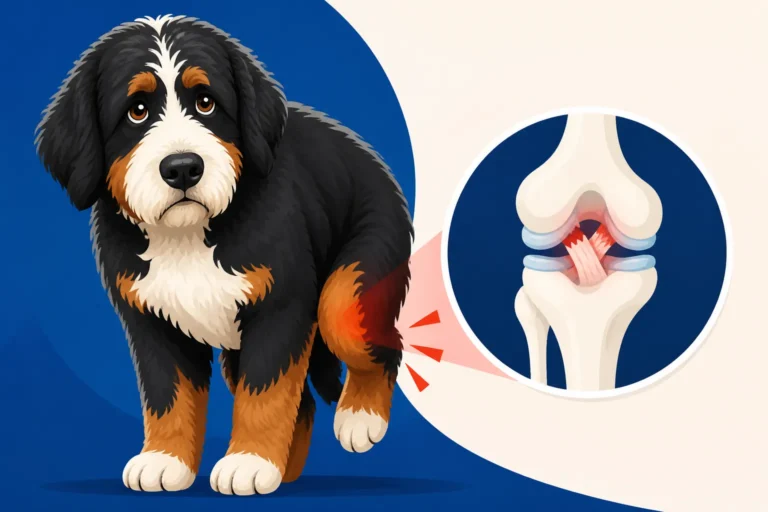
One of the most common orthopedic issues seen in smaller breeds, including many tiny Bernedoodles, is patellar luxation. This condition involves the kneecap (patella) slipping out of its normal groove in the thigh bone (femur). It can range from mild, causing an occasional skip in your dog's gait, to severe, leading to chronic pain and crippling lameness. While not typically life-threatening, severe patellar luxation can significantly impact a dog's quality of life and may require costly surgical intervention to correct.
The genetic predisposition from the Poodle side, particularly smaller Poodles, makes tiny Bernedoodles more susceptible. Good breeders will screen their breeding stock for patellar issues, but it's still something to be vigilant about as an owner. Observing your tiny Bernedoodle for any signs of a "bunny hop" gait, sudden lameness, or reluctance to use a back leg is important. Managing their weight, providing appropriate exercise, and avoiding excessive jumping can help, but genetics are a strong factor. Understanding Slipping Kneecaps in a Tiny Bernedoodle is crucial for early detection and management.
Dental Disease in Tiny Mouths
Tiny Bernedoodles, like many small breeds, are notoriously prone to dental disease. Their smaller mouths often mean their teeth are crowded, leading to increased plaque and tartar buildup. This overcrowding creates nooks and crannies where food particles and bacteria can accumulate easily, making it difficult for natural cleaning processes or even regular brushing to be fully effective. Without diligent care, this can quickly escalate from bad breath and gingivitis to severe periodontal disease, tooth loss, and even systemic infections when bacteria spread from the mouth to vital organs like the heart, kidneys, and liver.
The impact of chronic dental infection on overall health and lifespan is often underestimated. It causes persistent pain, making eating difficult, and puts a continuous strain on the immune system. Regular at-home dental care, such as daily brushing with dog-specific toothpaste, is paramount. Additionally, routine professional dental cleanings under anesthesia, as recommended by your veterinarian, are often necessary to maintain optimal oral health. Many owners ask Whether a Bernedoodle's Teeth Need Weekly Brushing, and the answer is that daily is ideal, but consistent weekly brushing is a great start. Healthy Paws pet insurance policies can also be invaluable for covering a portion of these essential, albeit sometimes costly, dental procedures. Learn more about Dental Disease in a Tiny Bernedoodle for a deeper understanding.
Hypoglycemia Risk in Puppies
For very tiny Bernedoodle puppies, especially those under a few pounds, there's a heightened risk of hypoglycemia, or dangerously low blood sugar. This is because their small bodies have limited reserves of fat and muscle, and their metabolic rate is very high. If they don't eat regularly or expend too much energy, their blood sugar can drop rapidly, leading to symptoms like weakness, lethargy, trembling, disorientation, and in severe cases, seizures and even coma.
While this is primarily a concern in very young puppies and typically resolves as they grow and mature, it's something new owners of tiny Bernedoodles need to be acutely aware of. Ensuring frequent, small meals, managing stress, and providing a warm, quiet environment are key preventative measures. If you notice any signs of hypoglycemia in your tiny Bernedoodle puppy, it's a veterinary emergency. Fortunately, once they mature, the risk significantly diminishes. This particular concern usually doesn't impact adult tiny Bernedoodle lifespan, but it's a critical early life health consideration.
Maximizing Your Tiny Bernedoodle's Potential Lifespan
So, while tiny Bernedoodles might have a statistical edge in terms of longevity compared to their larger cousins, it's certainly not a guarantee. The true secret to a long, vibrant life lies in the dedicated care and proactive choices you make as an owner. There are many steps you can take, starting from the moment you consider bringing a tiny Bernedoodle into your home, to ensure they thrive for as many years as possible.
Choosing a Reputable Breeder
This cannot be stressed enough, regardless of whether you're looking for a standard, mini, or tiny Bernedoodle. A reputable breeder is the foundation of a healthy puppy. They don't just breed for cute faces or specific sizes; they breed for health, temperament, and adherence to breed standards (even for crosses, they adhere to the parent breed standards). They will meticulously health test both parent dogs for genetic conditions prevalent in Bernese Mountain Dogs and Poodles. This includes screenings for hip and elbow dysplasia, eye conditions like PRA, cardiac health, Von Willebrand's disease, and other relevant genetic markers.
A responsible breeder will also prioritize the overall well-being of their puppies, providing excellent nutrition, early socialization, and a clean, stimulating environment. They will be transparent about their practices, welcome questions, and offer a health guarantee. Avoiding breeders who prioritize "rare" colors or extremely small sizes without proper health testing is paramount, as these practices can lead to puppies with increased health risks and potentially shorter, more challenging lives.
Proactive Health Management Throughout Life
Once your tiny Bernedoodle is home, proactive health management becomes your responsibility. This begins with establishing a strong relationship with a trusted veterinarian. Regular wellness check-ups are non-negotiable, serving as crucial opportunities for early detection of any health issues. Your vet will guide you on appropriate vaccination schedules, parasite prevention (fleas, ticks, heartworm, intestinal worms), and nutritional advice tailored to your tiny Bernedoodle's age and activity level.
Beyond the vet's office, you are your Bernedoodle's first line of defense. Pay close attention to any changes in appetite, energy levels, drinking habits, bathroom routine, or behavior. Small changes can often be early indicators of underlying health problems. For instance, a sudden reluctance to jump, or a slight limp, could signal joint discomfort, which can be managed more effectively if caught early. Investing in pet insurance, like Healthy Paws, can be an incredible resource, helping you cover unexpected veterinary costs, from routine check-ups to major surgeries, without having to compromise on your dog's care. This financial safety net allows you to always say "yes" to necessary treatments, further contributing to a longer, healthier life. Consider that What Changes in a Bernedoodle After Eight might indicate the need for more frequent vet visits.
The Importance of a Balanced Lifestyle
A long lifespan isn't just about avoiding illness; it's about fostering a life rich in physical and mental well-being. A balanced lifestyle for your tiny Bernedoodle includes appropriate nutrition, regular exercise, and plenty of mental stimulation.
- Nutrition: Feed a high-quality dog food appropriate for their life stage and size. Avoid overfeeding, as maintaining an ideal weight is critical for joint health and overall longevity. Tiny Bernedoodles may need slightly different caloric intake compared to their larger counterparts, so consult your vet. You can also explore Pancreatitis in a Bernedoodle to understand how diet can impact health.
- Exercise: While tiny Bernedoodles don't need the same strenuous exercise as a standard, they still need daily activity. Short, brisk walks, interactive play in the yard, or indoor games can keep them physically fit and mentally engaged. Avoid high-impact activities on their joints, especially when they're young.
- Mental Stimulation: Don't let their small size fool you; Bernedoodles are intelligent dogs thanks to their Poodle heritage. Puzzle toys, training sessions, and opportunities to learn new tricks are vital for preventing boredom and behavioral issues. A mentally stimulated dog is generally a happier, healthier dog.
- Environment: Provide a safe, comfortable, and loving home environment. Reduce stress where possible, as chronic stress can impact a dog's immune system. Ensure they have a comfortable, supportive bed and easy access to fresh water.
By combining careful breeding choices with diligent care and a commitment to their overall well-being, you can significantly enhance your tiny Bernedoodle's chances of enjoying a long, fulfilling life by your side. You might find yourself saying Keeping a Standard Bernedoodle Sound Past Ten is a challenge, but for a tiny Bernedoodle, with the right care, that goal is even more achievable. Also, remember that Whether Neutering Age Changes a Bernedoodle's Lifespan is a topic to discuss with your vet for optimal health decisions.
| Bernedoodle Size Category | Typical Weight Range | Average Lifespan (Years) | Common Size-Related Health Tendencies |
|---|---|---|---|
| Tiny Bernedoodle | 10-24 lbs | 12-15+ | Patellar Luxation, Dental Disease, Hypoglycemia (as puppies) |
| Mini Bernedoodle | 25-49 lbs | 12-14 | Hip & Elbow Dysplasia (less common than standard), Patellar Luxation |
| Standard Bernedoodle | 50-90+ lbs | 10-12 | Hip & Elbow Dysplasia, Bloat, Certain Cancers, such as those discussed in Whether a Standard Bernedoodle Is Old at Eight |
Disclaimer
The information provided in this article is for general informational purposes only and is not a substitute for professional veterinary advice. Always consult with a qualified veterinarian for any health concerns or before making any decisions related to your pet's health or treatment. Individual results may vary, and the lifespan of any dog can be influenced by numerous factors.