Keeping a Standard Bernedoodle Sound Past Ten
It’s a wonderful feeling, isn't it, watching your goofy, loving Bernedoodle mature from a rambunctious puppy into a cherished adult. But as they hit that eight-year mark, a little whisper often starts in the back of our minds: "How much longer will I have this incredible companion?" Especially with the Bernese Mountain Dog side of their family tree known for a sadly shorter lifespan, keeping a standard Bernedoodle sound past ten years old can feel like a daunting but incredibly important goal. This guide is all about navigating those senior years, making sure your beloved Bernedoodle thrives, not just survives, into their golden decade and beyond.
Recognizing the Shift: When Your Bernedoodle Becomes a Senior
It's easy to dismiss a little gray around the muzzle or a slightly slower pace as "just getting older," but for a standard Bernedoodle, hitting that seven or eight-year milestone often marks the official entry into their senior years. While their Poodle genetics might lend a little extra longevity compared to a purebred Bernese, we still need to be acutely aware of the changes that come with age in a large breed. This isn't about dreading the inevitable; it's about empowering ourselves to recognize the subtle shifts and address them proactively.
Understanding the Bernedoodle’s Lifespan Influences
One of the biggest reasons we love Bernedoodles is that wonderful hybrid vigor, often hoped to mitigate some of the health challenges found in their parent breeds. However, it's crucial to remember their lineage. The Bernese Mountain Dog typically has a lifespan hovering around 6-8 years, often cut short by cancer and orthopedic issues. Poodles, on the other hand, boast a much longer lifespan, often reaching 12-15 years, sometimes even more. Your Bernedoodle exists somewhere in that genetic blend. While some lucky pups might truly live to The Twelve to Fifteen Years a Bernedoodle Is Sold On, the reality for many standard Bernedoodles is an average closer to 10-12 years. Our goal, therefore, is to ensure those later years are filled with comfort and joy. It's about optimizing every single day.
When considering What Changes in a Bernedoodle After Eight, you might notice their energy levels aren't quite what they used to be. That boundless enthusiasm for a long hike might be replaced by a preference for a leisurely stroll around the block. Their play sessions might be shorter, and naps a little longer. These aren't necessarily signs of illness, but rather indicators that their body is aging and requires a different kind of care. They're still the same loving goofballs, just with a little less spring in their step.
Common Age-Related Changes to Watch For
As your Bernedoodle crosses The Birthday a Standard Bernedoodle Counts as Senior, you’ll likely start observing a variety of physical and behavioral changes. These can range from subtle to more pronounced, and understanding them is the first step in providing appropriate senior care. Physically, you might see them developing Arthritis in a Bernedoodle at Eight, manifesting as stiffness after resting, difficulty climbing stairs, or a general reluctance to jump. Their once-lustrous coat might become coarser or thinner in places, and some will develop benign fatty lumps (lipomas) that, while usually harmless, should always be checked by your vet.
Behaviorally, some Bernedoodles might become a bit more vocal, perhaps barking at things they once ignored, or they might seem a little more confused at times, forgetting commands or getting disoriented in familiar surroundings. Sleep patterns can change too, with some dogs sleeping more deeply and others becoming restless at night. Their senses might dull – hearing loss can be gradual, and their eyesight may dim, making them more reliant on scent and familiar routines. It's important to differentiate between normal aging and signs that warrant veterinary attention, so maintaining a close relationship with your vet becomes even more paramount.
Proactive Health Management: The Cornerstone of Senior Care
Once your Bernedoodle enters their senior years, a proactive approach to their health isn't just a good idea; it's essential. This means stepping up your game on veterinary visits and being extra vigilant for any changes, no matter how small they seem. We all want to keep our pups feeling their best for as long as possible, and early detection of age-related conditions is key to achieving that.
Regular Veterinary Check-ups and Screenings
For senior Bernedoodles, annual vet visits really aren't enough. It's truly beneficial to schedule at least two comprehensive check-ups a year once they hit eight or nine years old. These regular visits allow your veterinarian to catch issues early, often before they become major problems. Think of it as preventative maintenance for your furry best friend. During these appointments, your vet will perform a thorough physical exam, paying close attention to their joints, teeth, eyes, and ears.
A critical part of these senior visits should be comprehensive blood work and urinalysis. These tests provide invaluable insights into organ function, like kidneys, liver, and thyroid, which can start to decline with age. They can also help detect early signs of diabetes or other metabolic conditions. For instance, testing for Hypothyroidism From the Bernese Side of a Bernedoodle is crucial, as it’s a relatively common condition in Bernedoodles that can impact energy levels, weight, and coat health. Your vet might also recommend specific cancer screenings, as sadly, Whether Cancer Is Still the Leading Cause in Bernedoodles remains a concern due to their Bernese lineage. Regular screening is part of The Screening a Bernedoodle Should Have Yearly. Discussing options with your vet for these vital checks can make a huge difference in catching potential problems quickly.
Early Detection of Common Senior Ailments
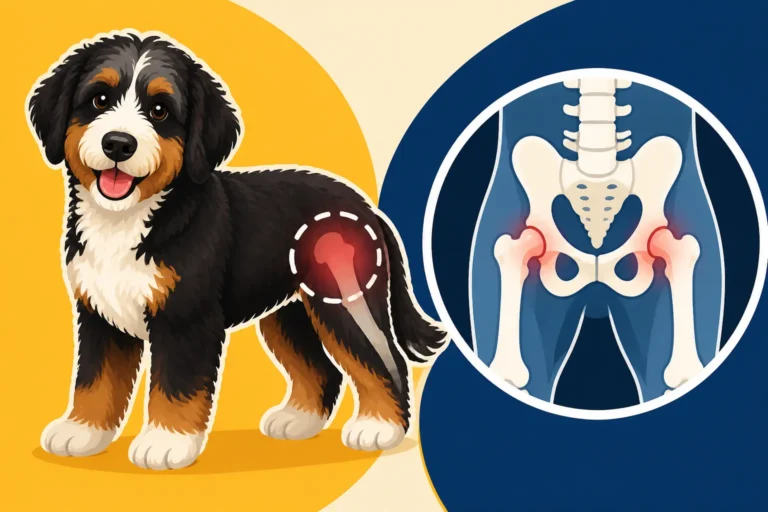
Beyond general screenings, familiarize yourself with the signs of specific conditions that commonly affect older, large-breed dogs. Orthopedic issues, particularly arthritis and hip/elbow dysplasia, are high on the list. If you notice your Bernedoodle struggling to get up, lagging on walks, or showing pain when touched, don't delay in seeking veterinary advice. There are many treatments available now that can significantly improve their comfort and mobility.
Cognitive Dysfunction Syndrome (CDS), often compared to Alzheimer's in humans, can also affect older dogs. Signs include disorientation, changes in sleep-wake cycles, altered interactions with family members, and house-soiling accidents. While there's no cure, certain medications and environmental enrichments can help manage symptoms and improve quality of life. Similarly, keep an eye out for any new lumps or bumps. While many are benign, any new growth warrants a vet visit, as early biopsy and diagnosis are crucial if it turns out to be something more serious like Mast Cell Tumors Hidden in a Bernedoodle's Coat. Prompt action is always best. This is where having pet insurance like Healthy Paws can truly provide peace of mind, knowing that a significant portion of unexpected veterinary bills for conditions like cancer or advanced orthopedic care could be covered.
Adapting Nutrition and Exercise for Optimal Health
Just as our own needs change as we age, so do our Bernedoodles'. The diet and exercise regimen that kept them spry in their younger years will likely need significant adjustments to support them as they move into their golden years. This isn't about deprivation; it's about thoughtful modifications to ensure their comfort and long-term health.
Tailoring Diet to an Aging Metabolism
As Bernedoodles get older, their metabolism naturally slows down. They might not burn calories as efficiently, and their activity levels typically decrease. This means that feeding the same amount of food they ate as a younger adult can quickly lead to weight gain, which puts undue stress on their aging joints, heart, and other organs. Managing Keeping a Bernedoodle's Weight Down is one of the most impactful things you can do for their senior health.
Switching to a high-quality senior dog food formula is often a good first step. These diets are typically lower in calories but still provide essential nutrients, often with added joint support ingredients like glucosamine and chondroitin. Discuss with your vet Feeding a Bernedoodle Past Eight and the appropriate portion sizes. Some older dogs might also benefit from increased fiber for digestive health or omega-3 fatty acids for their anti-inflammatory properties and cognitive function. If your Bernedoodle has specific health conditions, your vet might recommend a prescription diet tailored to their needs, such as kidney-supportive food or a diet for dogs with arthritis. Always introduce new foods gradually over several days to avoid digestive upset.
Thoughtful Exercise to Maintain Mobility
Maintaining an appropriate level of exercise is absolutely vital for an older Bernedoodle, even if they're slowing down. It helps manage weight, keeps muscles strong to support joints, maintains mental stimulation, and helps prevent stiffness. However, the type and intensity of exercise will need to change. Gone are the days of endless games of fetch or hour-long jogs that could potentially exacerbate joint issues.
Instead, focus on low-impact activities. Regular, shorter walks (multiple times a day, perhaps 15-20 minutes each) are much better than one long, strenuous outing. Swimming is an excellent full-body, non-weight-bearing exercise that many Bernedoodles adore and is great for Exercise for a Bernedoodle With Arthritis. Gentle leash walks on soft surfaces like grass or dirt trails are preferable to hard pavement. Mental stimulation is also crucial; incorporate puzzle toys, scent games, or short, fun training sessions to keep their minds sharp without overtaxing their bodies. Remember, the goal is to keep them moving comfortably, not to push them to their limits.
Enhancing Comfort and Quality of Life in Golden Years
Beyond medical care, creating an environment that supports your senior Bernedoodle's comfort and enhances their daily life is paramount. A little extra consideration goes a long way in ensuring their golden years are truly golden.
Creating a Senior-Friendly Environment
As your Bernedoodle ages, simple tasks can become more challenging. Think about their daily movements and how you can make things easier. Slippery floors can be a real hazard for dogs with arthritic joints or diminished strength. Lay down rugs or carpet runners in high-traffic areas to provide better traction. Ramps for cars or to access furniture can save their joints from painful jumps and strains. Consider a dog bed with orthopedic memory foam. These specialized beds, such as those from brands like Big Barker or K&H Pet Products, provide superior support for heavy, aching joints, helping to alleviate pressure points and improve sleep quality. Beds That Support a Heavy Old Bernedoodle are an investment in their comfort.
Easy access to food and water is also important. If they have difficulty bending, raised bowls can be a blessing. Ensure their favorite resting spots are easily accessible and free from drafts. For dogs with declining vision or hearing, consistency in their environment and routine can reduce anxiety. Simple changes, like keeping furniture in the same place and using consistent verbal cues, can make a world of difference.
Pain Management and Supportive Therapies
Despite our best efforts, many older Bernedoodles will eventually experience some level of chronic pain, most commonly from arthritis. The good news is that there are numerous ways to manage this pain and improve their comfort. Your vet can recommend anti-inflammatory medications (NSAIDs), which are often very effective. There are also supplements like glucosamine, chondroitin, and green-lipped mussel, though their efficacy can vary between individual dogs.
Beyond medication, many holistic and complementary therapies can offer significant relief. Canine massage, acupuncture, hydrotherapy (swimming in a controlled environment), and laser therapy are all options that can reduce pain and improve mobility without relying solely on pharmaceuticals. These therapies, when combined with veterinary guidance, can dramatically improve an older Bernedoodle's quality of life. For dogs struggling with severe mobility issues, talk to your vet about mobility aids like slings or harnesses to help with Supporting an Old Bernedoodle That Cannot Rise, or even dog wheelchairs for sustained support. Remember, pain isn't just a physical burden; it can also affect their mood and personality. Keeping them comfortable is a gift you give back for all their years of unconditional love. It’s comforting to know that pet insurance options, like Healthy Paws, often cover a wide range of these rehabilitative therapies when prescribed by a veterinarian, making advanced care more accessible.
Maintaining Grooming and Mental Well-being
Grooming might become more challenging as your Bernedoodle ages, especially if they have arthritis or pain. However, it's still incredibly important. Regular brushing prevents matting, which can be painful and lead to skin issues. You might need to adjust your grooming routine to shorter, more frequent sessions, allowing them to rest as needed. For older dogs who can't stand for long, your groomer might even be able to accommodate Grooming an Old Bernedoodle That Cannot Stand Long. Gentle ear cleaning and nail trims are also vital for their comfort and hygiene.
Mental well-being is just as crucial as physical health. Continue to engage with your senior Bernedoodle through gentle play, cuddle sessions, and positive reinforcement. Their minds can remain sharp even if their bodies are slowing down. Interactive toys, short training refreshers, and simply spending quality time together will keep their spirits high. An aging dog can sometimes become more anxious or clingy; offering extra reassurance and maintaining a predictable routine can help them feel secure. The bond you share is a powerful tool for their continued happiness.
Disclaimer
This article is intended for informational purposes only and does not constitute veterinary advice. Always consult with a qualified veterinarian for any health concerns or before making any decisions about your Bernedoodle's medical care, diet, or exercise regimen. Individual needs may vary, and a professional can provide tailored recommendations.