Whether a Bernedoodle Pants More Than Other Dogs
It can be truly unsettling when you see your beloved Bernedoodle panting heavily, especially if it seems to happen more often or intensely than with other dogs you've owned. You start to worry if they’re too hot, in pain, or if something more serious is going on, and it’s a valid concern. This guide is here to shed some light on Bernedoodle panting, helping you understand what’s normal, what’s not, and how to keep your furry friend comfortable and safe.
Understanding Canine Panting and Its Purpose
Panting is a completely natural and vital process for dogs, but understanding why they do it can help you discern when it's just normal dog behavior and when it's a signal that something isn't quite right. Unlike humans who sweat profusely to cool down, dogs rely primarily on panting.
The Basics of Thermoregulation
Think of panting as your dog's personal air conditioning system. When a dog pants, they rapidly draw air over the moist surfaces of their tongue, mouth, and upper respiratory tract. As this moisture evaporates, it carries heat away from their body, effectively cooling them down. This process, known as evaporative cooling, is their main mechanism for thermoregulation, alongside some minor heat dissipation through their paw pads. Without this ability, dogs would quickly overheat, especially given their internal body temperature is naturally higher than ours. So, a certain amount of panting is not just normal, it's essential for their well-being.
Normal vs. Excessive Panting
Distinguishing between normal and excessive panting is key to being a vigilant Bernedoodle parent. Normal panting usually occurs after exercise, during warm weather, or when your dog is excited. It's often shallow, rhythmic, and the tongue might be slightly extended. Your dog's breathing rate will be elevated, but they should appear otherwise comfortable and alert. They might settle down relatively quickly once they've had a chance to rest or cool off.
Excessive or abnormal panting, on the other hand, can be much more dramatic. It might be very rapid, noisy, labored, or accompanied by a wide open mouth and a very long, flat tongue. You might also notice other concerning signs: restlessness, drooling, lethargy, staggering, or changes in gum color. If the panting doesn't subside with rest or cooling, or if it seems disproportionate to the activity level or temperature, it’s a red flag. It’s your dog’s way of signaling distress, and it warrants your immediate attention.
Why Bernedoodles Might Seem to Pant More
It's not just your imagination; many Bernedoodle owners do observe that their furry companions seem to pant more than some other breeds. This isn't necessarily a sign of a problem, but rather a combination of factors stemming from their unique genetic makeup and physical characteristics.
The Bernedoodle's Thick Double Coat
One of the biggest contributors to a Bernedoodle's panting tendencies is their glorious, often dense, coat. They inherit this trait from both sides of their lineage – the thick, insulating double coat of the Bernese Mountain Dog and the dense, curly or wavy coat of the Poodle. While a coat like The Wavy Coat Most Bernedoodles Carry is beautiful and offers protection in cooler climates, it acts like a built-in winter jacket.
This thick insulation, especially the soft undercoat, is incredibly efficient at trapping heat close to the body. In hot or even moderately warm weather, this can quickly lead to overheating. Imagine wearing a heavy wool sweater on a summer day – you'd be sweating buckets! For a Bernedoodle, their coat creates a similar effect, making it harder for their body heat to dissipate naturally, which then prompts more vigorous panting to compensate. Regular grooming, as discussed in How Often a Bernedoodle Should Be Brushed, is critical for removing dead undercoat and allowing some air circulation, which can help manage this heat retention.
Size and Metabolism
Bernedoodles, especially standard-sized ones, are large dogs, often weighing between 70 to 90 pounds. Larger body mass inherently means more internal heat generation. Simply put, a bigger engine produces more heat. More body mass means more cells working, more metabolic activity, and consequently, more heat to shed. When you add physical activity into the mix, this internal heat production ramps up significantly.
The Poodle side of the Bernedoodle often brings a higher metabolism and a tendency towards activity. While not hyperactive, Bernedoodles generally enjoy play and regular exercise. This combination of a large body and a moderately active metabolism means they can generate heat quickly during even moderate exertion, necessitating more panting to keep their core temperature regulated. So, while a leisurely stroll might cause minimal panting in a smaller, less active dog, your Bernedoodle might be panting noticeably by the end of it. This isn't necessarily a bad thing, just a reflection of their physical build and energy levels.
Breed Predisposition to Heat Intolerance
Let's not forget the Bernese Mountain Dog's heritage. Berners hail from the cold, snowy Swiss Alps, where their thick coats and robust builds were perfectly designed to withstand harsh winter conditions. They are, quite simply, cold-weather dogs. The Poodle, while adaptable, also has a dense coat that can be quite warm.
When you combine these two breeds, you get a dog that is often not well-suited to extreme heat or humidity. Bernedoodles, as a result, often have a lower tolerance for heat than many other breeds. This inherent heat intolerance means they will start panting to cool down at temperatures and activity levels that might not even faze a more heat-tolerant dog like a short-coated Labrador or a desert-dwelling breed. This is why you'll often hear discussions around topics like Why a Black Tri Bernedoodle Overheats – dark coats absorb even more solar radiation, compounding the issue. It's not that they're sick; it's just how their physiology is designed, making them more susceptible to overheating and, therefore, more prone to panting.
When Panting Becomes a Concern: Signs of Trouble
While some level of panting is completely normal for a Bernedoodle, there are definitely times when it should raise a red flag. As their owner, you are your dog’s first line of defense, and recognizing the signs of distress can be life-saving.
Recognizing Heatstroke Symptoms
This is perhaps the most critical concern when you see excessive panting in a Bernedoodle, especially on a warm day or after exercise. Heatstroke is a severe and potentially fatal condition. What starts as normal panting can quickly escalate. Beyond just heavy panting, keep an eye out for these additional Signs a Bernedoodle Is Overheating:
- Exaggerated Panting: Much more intense than usual, loud, distressed, or even gasping for air. Their breathing might seem shallow and rapid, or deep and labored.
- Excessive Drooling: More slobber than usual, often thick and stringy.
- Bright Red or Pale Gums: Normal gums should be a healthy pink. Bright red indicates increased blood flow trying to cool the body, while pale or bluish gums (cyanosis) signify a critical lack of oxygen.
- Increased Heart Rate: You might notice their heart pounding rapidly.
- Lethargy and Weakness: Your usually energetic Bernedoodle might become sluggish, reluctant to move, or collapse.
- Staggering or Loss of Coordination: They might appear disoriented, stumble, or struggle to stand.
- Vomiting or Diarrhea: These can be late-stage signs.
- Seizures or Unconsciousness: This is an emergency requiring immediate veterinary intervention.
If you suspect heatstroke, every second counts. Get your Bernedoodle to a cooler environment immediately and start Cooling a Bernedoodle Down Safely while preparing to head to the vet.
Other Health Issues Causing Increased Panting
It’s important to remember that not all excessive panting is due to heat. A Bernedoodle's increased panting can also be a symptom of various underlying health problems, some of which require prompt veterinary attention.
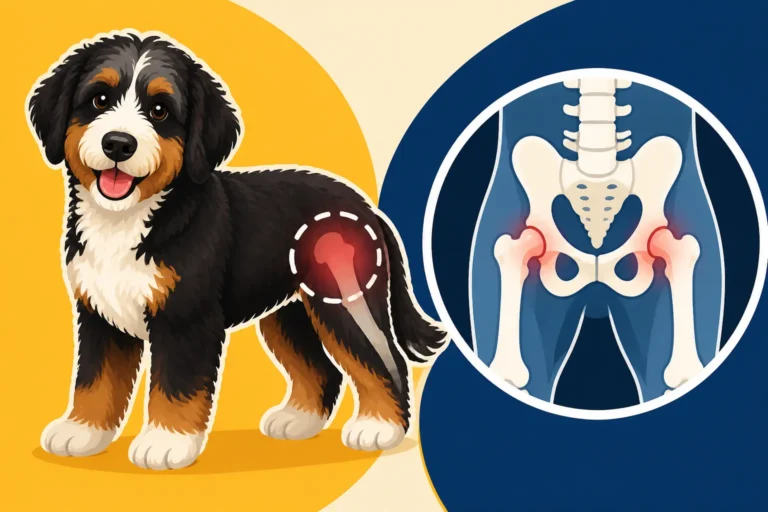
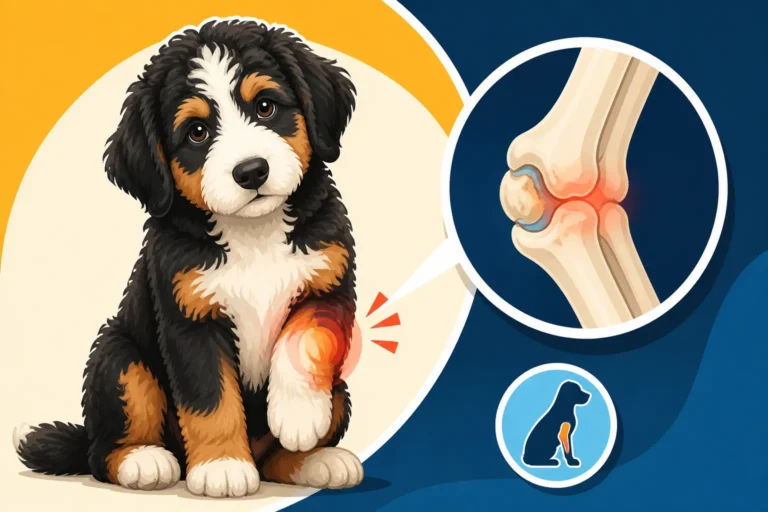
- Pain or Discomfort: Dogs often pant when they are in pain, even if the source isn't obvious. This could be due to an injury, arthritis (common in larger breeds, especially as they age; consider What Changes in a Bernedoodle After Eight), abdominal discomfort, or even dental issues like Dental Disease in a Tiny Bernedoodle. If your Bernedoodle is panting more than usual without any obvious reason, and seems withdrawn, restless, or reluctant to move, pain could be a factor.
- Anxiety, Stress, or Fear: Just like humans, dogs can experience anxiety or fear, and panting is a common physical manifestation. Thunderstorms, fireworks, separation anxiety, vet visits, or even a change in routine can trigger stress-induced panting. This panting is often accompanied by other signs of anxiety like whining, pacing, hiding, or destructive behavior.
- Respiratory Problems: Conditions affecting the lungs or airways can make breathing difficult, leading to increased panting as the dog struggles to get enough oxygen. This includes pneumonia, bronchitis, tracheal collapse (more common in smaller breeds, but still possible), or even allergies.
- Cardiac Issues: Heart conditions can lead to fluid buildup in the lungs (pulmonary edema), making it difficult for the dog to breathe deeply, which in turn causes excessive panting, especially at rest or when lying down.
- Cushing's Disease: This endocrine disorder, more common in older dogs, can cause increased thirst, urination, appetite, a pot-bellied appearance, and, you guessed it, increased panting.
- Certain Medications: Some medications, particularly corticosteroids, can have panting as a side effect.
- Bloat (Gastric Dilatation-Volvulus): This is a life-threatening emergency, especially for deep-chested breeds like standard Bernedoodles. While retching and a distended abdomen are primary signs, rapid, shallow panting can also occur as the dog struggles with extreme pain and pressure.
If your Bernedoodle is panting excessively and you're unsure of the cause, especially if it's sudden, severe, or accompanied by other concerning symptoms, always err on the side of caution and contact your veterinarian.
The Role of Environment and Activity
Beyond internal health factors, the external environment and your Bernedoodle's activity level play a huge role in how much they pant. Ignoring these can quickly lead to problems.
- Temperature and Humidity: This is the most obvious one. A Bernedoodle will naturally pant more in warmer temperatures. However, humidity is often the silent killer. High humidity prevents sweat and moisture from evaporating efficiently, meaning a dog's panting mechanism becomes far less effective at cooling them down. A 75-degree day with 90% humidity can be far more dangerous than an 85-degree day with low humidity. This is why The Temperature a Bernedoodle Should Not Be Walked In isn't just about the number on the thermometer, but also the "feels like" factor.
- Exercise Intensity and Duration: Any physical activity generates body heat. The more intense or prolonged the exercise, the more heat is produced, and the more a Bernedoodle will need to pant to release it. An enthusiastic game of fetch in the park, a long hike (Whether a Bernedoodle Hikes Well), or even extended playtime with other dogs can lead to significant panting. It's crucial to adjust exercise to the weather conditions and your dog's individual fitness level. A young, fit Bernedoodle can handle more than an older, less conditioned one.
- Confinement: Being confined in a hot, poorly ventilated space, like a parked car (even with windows cracked) or a small, stuffy room, can quickly lead to dangerous overheating and excessive panting. Never leave your Bernedoodle in a car, even for a few minutes, on a warm day. Also consider Whether a Bernedoodle Needs the House Air Conditioned if you live in a hot climate.
Understanding these environmental triggers helps you proactively manage your Bernedoodle's comfort and health.
Practical Tips for Managing Bernedoodle Panting and Preventing Overheating
Now that we understand why Bernedoodles might pant more, let's talk about what you can actually do to keep them comfortable and safe. Being proactive is always better than reacting to an emergency.
Smart Exercise and Outdoor Habits
Adjusting your Bernedoodle's routine during warmer months or in hot climates is paramount.
- Timing is Everything: Avoid walks and strenuous play during the hottest parts of the day. Early mornings and late evenings are typically much cooler and safer. Even on seemingly mild days, direct sun can be intense.
- Choose the Right Activities: Instead of high-impact games like fetch, opt for gentler activities. A leisurely sniff-walk on grass in the shade, or a short swim (if your Bernedoodle enjoys water) can provide mental and physical stimulation without overdoing it. Remember, pavement can get scorching hot, burning their paw pads and reflecting heat upwards, so stick to grassy areas.
- Short and Sweet: Keep exercise sessions shorter. Instead of one long walk, consider multiple shorter outings throughout the day.
- Listen to Your Dog: Pay close attention to your Bernedoodle's cues. If they start panting heavily, slowing down, or seeking shade, it’s time to call it quits and head home for a cool down. Never push them to continue.
Cooling Strategies at Home and On the Go
Creating a cool environment for your Bernedoodle is essential, especially indoors and during travel.
- Air Conditioning and Fans: If you live in a warm climate, air conditioning isn't a luxury; it's a necessity for a Bernedoodle. Even fans can help circulate air and aid in evaporative cooling. Ensure your Bernedoodle has access to the coolest parts of your home.
- Cooling Beds and Mats: Products like elevated dog beds allow air circulation underneath, and cooling mats that absorb heat or contain gel can be wonderfully refreshing. Just ensure the mat is durable enough for your Bernedoodle's size and chewing habits.
- Damp Towels and Spritzers: For a quick cool-down, you can dampen a towel with cool (not ice-cold) water and drape it over their back or belly. A misting bottle can also be effective, especially on their paw pads and inner thighs where blood vessels are close to the surface.
- Kiddie Pools: Many Bernedoodles love water! A shallow kiddie pool in the shade filled with a few inches of water can be a fantastic way for them to cool off and play.
- Cool Treats: Ice cubes, frozen Kongs filled with dog-safe purees (like pumpkin or yogurt), or special dog-friendly "pupsicles" can be a tasty way to hydrate and cool them down.
- Car Safety: If you must travel with your Bernedoodle in the car during warm weather, ensure the vehicle is well air-conditioned. Consider using window shades and a travel bowl for water. Remember, never leave them unattended in a car, not even for a minute.
Hydration and Grooming
These two often-overlooked aspects are crucial for managing a Bernedoodle's heat tolerance.
- Constant Access to Fresh Water: Always ensure your Bernedoodle has access to fresh, cool water, both indoors and outdoors. On walks, bring a portable water bottle and bowl. Consider adding a few ice cubes to their water bowl at home. Staying well-hydrated helps their body regulate temperature more effectively.
- Grooming for Comfort: While it might seem counterintuitive, shaving your Bernedoodle completely short is generally not recommended. Their coat, even dense, provides a layer of insulation against heat and protects against sunburn. However, keeping their coat trimmed to a manageable length (around 1-2 inches) and regularly removing loose undercoat through thorough brushing can significantly help. Discuss Whether a Bernedoodle Should Be Clipped Short in Summer with your groomer to find a balance between coat health and heat management. A professional groomer familiar with Bernedoodles, like those who might use equipment from brands such as Andis or Wahl for heavy coats, can help keep their coat airy and prevent matting which further traps heat.
When to Consult Your Vet
While some panting is normal and manageable with the tips above, there are times when a veterinary visit is absolutely essential. Don't hesitate if you observe any of the following:
- Sudden Onset of Excessive Panting: If your Bernedoodle suddenly starts panting heavily without an obvious cause (like recent exercise or heat exposure), it could signal an acute problem like pain, an allergic reaction, or respiratory distress.
- Panting Accompanied by Other Symptoms: As discussed earlier, if panting is paired with lethargy, weakness, staggering, vomiting, diarrhea, red/pale gums, or a distended abdomen, seek immediate veterinary care.
- Panting That Doesn't Resolve: If your Bernedoodle continues to pant heavily long after resting or moving to a cooler environment, it's a sign that their body is struggling to regulate its temperature or that an underlying issue is persistent.
- Unusual Noises or Labored Breathing: If the panting sounds abnormal, like a wheeze, cough, or struggle for breath, it could indicate a respiratory issue.
- Panting in an Older or Compromised Dog: Senior Bernedoodles or those with known health conditions (e.g., heart disease, respiratory problems) are more vulnerable. Any unusual panting in these dogs warrants a vet check.
It's always better to be safe than sorry. If you're ever in doubt about your Bernedoodle's panting, a quick call or visit to your vet can provide peace of mind and, if necessary, crucial early intervention. Pet insurance providers, like Healthy Paws, often cover emergency visits and diagnostics for unexpected illnesses or accidents, which can certainly ease the financial stress of getting your beloved Bernedoodle the care they need when these concerning symptoms arise. They can be a lifesaver in those "what if" moments.
Disclaimer
The information provided in this article is for general informational purposes only and is not a substitute for professional veterinary advice. Always consult with a qualified veterinarian for any health concerns or before making any decisions related to your Bernedoodle's health or treatment.