What a Bernedoodle Needs Every Day
Bringing a Bernedoodle into your life is an incredible joy, but let's be honest, it's also a significant commitment. Many new owners, myself included once upon a time, quickly realize that these wonderful, fluffy companions have daily needs that go far beyond just food and a walk around the block. This guide is here to walk you through the everyday essentials your Bernedoodle needs to truly thrive, from nose to tail and happy heart.
Daily Exercise Requirements for a Thriving Bernedoodle
Bernedoodles, with their Bernese Mountain Dog and Poodle heritage, are a vibrant blend of energy and loyalty. While they love to cuddle on the couch, ignoring their need for regular exercise is a recipe for a restless, potentially destructive, and unhappy pup. It's not just about burning off steam; it's about channeling their natural instincts and maintaining their physical and mental well-being. Thinking you can skip a day here or there might seem harmless, but for a breed that often has boundless energy, it can quickly lead to behavioral challenges.
Tailoring Exercise to Age and Size
Just like us, Bernedoodles have different exercise needs at various stages of their lives. A tiny, fluffy puppy isn't ready for a marathon, and an older, grey-muzzled senior might find a long hike too strenuous. It’s crucial to understand that their joints are still developing, especially for standard-sized Bernedoodles. Over-exercising a young pup can cause irreversible damage, setting them up for joint problems later in life. We're talking about conditions like hip or elbow dysplasia, which nobody wants for their beloved companion. Conversely, an adult Bernedoodle needs more than just a quick trot in the yard to stay healthy and happy. They truly thrive with consistent, appropriate activity that challenges their bodies without overdoing it.
For puppies, the general rule of thumb is about five minutes of exercise per month of age, twice a day. So, a four-month-old puppy might get two 20-minute sessions of gentle play. This isn't just about walks; it's about supervised play, exploring the yard, or short training sessions that engage their minds. For an adult Bernedoodle, particularly a standard size, you're looking at a minimum of 60-90 minutes of dedicated activity spread throughout the day. This could be a brisk walk in the morning, a game of fetch in the afternoon, and some playtime in the evening. Remember, too, that a mini or tiny Bernedoodle might have slightly different needs; they often have surprising bursts of energy but may not require the same endurance. The Exercise a Standard Bernedoodle Needs Daily offers more specific insights.
It's a dance, really, finding that sweet spot. You want to provide enough activity to keep them fit and content, but not so much that you risk injury, especially during their crucial growth phases. Watch your dog closely. Are they lagging behind on walks? Are they easily winded? Or are they still bouncing off the walls after an hour at the park? These are all cues that tell you whether you're hitting the right mark. Always err on the side of caution with puppies, gradually increasing duration and intensity as they mature and their bodies strengthen.
Balancing Mental and Physical Stimulation
You know, it's not just about physical exertion; a Bernedoodle's intelligent Poodle side means they need their brains worked just as much as their bodies. Simply letting them out in the yard isn't enough to satisfy their keen minds. Without mental engagement, they can become bored, and a bored Bernedoodle is often a destructive Bernedoodle. They might start creating their own "fun" by chewing furniture, digging holes, or barking excessively. Trust me, I've seen a few sofas fall victim to creative Bernedoodles looking for a project!
Incorporating mental stimulation into their daily routine can be incredibly simple and rewarding. Think about puzzle toys where they have to work to get treats, or hiding kibble around the house for them to "hunt" during mealtime. Even short, consistent training sessions throughout the day, where you work on basic commands or teach new tricks, can be incredibly enriching. These activities tap into their problem-solving abilities and satisfy their natural curiosity.
Beyond structured activities, simply allowing them to sniff on walks provides immense mental stimulation. Their world is largely scent-based, and letting them investigate interesting smells is like letting us read a captivating novel. Don't rush through every walk; designate a "sniffy walk" where they can take their time and explore. Agility courses, even homemade ones in your backyard, or enrolling in dog sports like The Draft Dog Work a Bernedoodle Can Still Do can also be fantastic for both physical and mental well-being for an adult Bernedoodle. It creates a well-rounded and happy companion, far beyond what mere physical exercise alone can achieve.
Recognizing Signs of Under-Exercised Bernedoodles
It's easy to fall into the trap of thinking a dog that's quiet and sleepy all day is a "good" dog. But sometimes, that quiet can be a sign of boredom or even mild depression, especially if it's punctuated by bursts of frantic energy or destructive behaviors. For a Bernedoodle, being under-exercised manifests in a variety of ways, none of which are pleasant for either you or your dog. They might start to seem restless, pacing around the house even after you've just come back from a short walk. This isn't laziness; it's pent-up energy manifesting.
One of the most common signs is destructive chewing. If your Bernedoodle suddenly decides your favorite pair of shoes is a new chew toy, or they start gnawing on furniture legs, it's often a cry for more activity. Excessive barking, especially when there's no clear trigger, can also be a sign of boredom and frustration. They might also begin to develop unwanted habits like digging in the yard, jumping on guests, or even nipping more frequently. These aren't necessarily signs of a "bad" dog; they're often indicators that their fundamental needs for exercise and mental engagement aren't being met.
Observing your Bernedoodle's behavior is key. Are they constantly seeking attention, nudging you with their nose, or bringing you toys when you're trying to relax? While some of this is normal Bernedoodle affection, an excessive need for attention could be their way of telling you they need more to do. Look for changes in their sleep patterns too; a dog that's not getting enough exercise might struggle to settle down at night or wake up frequently. Addressing these signs promptly by increasing their appropriate daily activity will not only make your Bernedoodle happier but will also make your home life much more peaceful.
Essential Nutritional Needs and Feeding Practices
Just like us, what our Bernedoodles eat forms the foundation of their health and longevity. It’s not just about filling their bellies; it’s about providing the right balance of nutrients to support their growth, energy, and overall well-being. Given the size and potential health predispositions of Bernedoodles, their diet plays an even more critical role. Cutting corners on nutrition might seem like a way to save money, but in the long run, it can lead to health issues that are far more costly, both emotionally and financially.
Choosing the Right Food for Growth and Maintenance
Navigating the world of dog food can feel overwhelming, with countless brands, formulas, and promises. For a Bernedoodle, especially a standard size, selecting a food specifically formulated for large breed puppies is absolutely crucial during their developmental stages. These formulas are designed with a careful balance of calcium and phosphorus to support controlled growth, which is vital for preventing skeletal issues like hip and elbow dysplasia. Why Slow Growth Protects a Bernedoodle's Elbows explains this in more detail. Growing too quickly can put undue stress on their developing joints, even if the genetics are sound.
Once they transition to adulthood, typically around 12-18 months, a high-quality large breed adult formula continues to be the best choice. Look for foods where a named meat source (like chicken, beef, or lamb) is the first ingredient. Avoid foods with excessive fillers, artificial colors, or by-products. Some Bernedoodle owners find success with specialized diets, such as those from companies like Ollie, which offer fresh, human-grade meal plans tailored to your dog's specific needs. Others prefer reputable kibble brands that offer large breed specific options. It’s worth checking the nutritional information on the back of the bag; look for AAFCO statements, which confirm the food provides complete and balanced nutrition for your dog's life stage.
Ultimately, the "best" food will depend on your individual Bernedoodle's needs, sensitivities, and your budget. Some dogs thrive on grain-inclusive diets, while others might do better with grain-free options (though discuss this with your vet due to ongoing research about grain-free diets and potential heart issues). Always introduce new foods gradually over 7-10 days to avoid upsetting their stomach. What works for one Bernedoodle might not work for another, so be prepared to observe and adjust as needed, always consulting with your veterinarian for personalized advice.
Establishing a Consistent Feeding Schedule
Bernedoodles thrive on routine, and meal times are no exception. A consistent feeding schedule not only helps regulate their metabolism but also establishes a predictable rhythm in their day, which can reduce anxiety and improve house-training. Free-feeding, where food is left out all day, is generally not recommended for Bernedoodles, especially standard sizes, due to their propensity to overeat and the increased risk of bloat. The Chest That Puts a Standard Bernedoodle at Bloat Risk is a must-read for any owner. Eating too quickly or too much at once can contribute to this dangerous condition.
For puppies, three meals a day are usually recommended until they're about six months old, then transitioning to two meals a day. Adult Bernedoodles generally do best on two meals a day, ideally spaced about 10-12 hours apart. This helps manage their hunger, prevents overeating, and aids in digestion. The exact portion size will depend on the specific food you choose, your dog's age, activity level, and weight. Always refer to the feeding guidelines on the dog food packaging as a starting point, but adjust as needed to maintain a healthy weight. Feeling for their ribs – you should be able to feel them easily without seeing them – is a good indicator.
Using a slow feeder bowl can be a game-changer for Bernedoodles who tend to "inhale" their food. These bowls have raised ridges or patterns that force them to eat more slowly, reducing the risk of bloat and improving digestion. Beyond physical health, consistent meal times are also a wonderful opportunity for bonding. Your Bernedoodle will learn to anticipate these moments, reinforcing their trust and connection with you. Remember, a structured feeding routine is a cornerstone of responsible Bernedoodle ownership.
Hydration and Healthy Treat Choices
Water is often overlooked but is absolutely paramount to your Bernedoodle's health. Just like us, proper hydration supports every bodily function, from digestion and nutrient absorption to temperature regulation. Always ensure your Bernedoodle has access to fresh, clean water throughout the day. This means multiple water bowls around the house, especially if you have a large home, and always bringing water with you on walks or outings. I swear, my Bernedoodle can drink a whole bottle of water after a good park romp!
Consider using stainless steel or ceramic bowls, as plastic can sometimes harbor bacteria or cause skin irritation on their chin. Clean their water bowls daily to prevent slime and bacterial buildup. If your Bernedoodle seems reluctant to drink, try adding a splash of bone broth (without onion or garlic!) or offering ice cubes as a refreshing treat. Staying well-hydrated is particularly critical for active Bernedoodles and those with thick coats, especially during warmer months. Signs a Bernedoodle Is Overheating will help you recognize when they need extra hydration.
When it comes to treats, remember they are part of their daily caloric intake and should be chosen wisely. Opt for healthy, low-calorie options, especially if you're watching your Bernedoodle's weight. Many fruits and vegetables like carrots, apple slices (no seeds!), green beans, or blueberries make excellent, nutritious treats. Brands like Chewy offer a wide variety of healthy dog treats, often with limited ingredients. Avoid treats high in sugar, fat, or artificial ingredients. Treats are fantastic for training and positive reinforcement, but moderation is key. A good rule of thumb is that treats shouldn't make up more than 10% of their daily caloric intake.
The Daily Grooming Routine Your Bernedoodle Demands
Ah, the Bernedoodle coat. It’s often what draws us in – soft, fluffy, teddy-bear like! But let’s be real, that beautiful coat is also a high-maintenance affair. Many first-time Bernedoodle owners are genuinely surprised by the sheer volume of grooming required, thinking that "low-shedding" means "no grooming." Oh, how wrong we can be! Neglecting their daily grooming can quickly lead to painful mats, skin infections, and expensive trips to the professional groomer. It’s a commitment, but a necessary one to keep them comfortable and healthy.
Brushing to Prevent Mats and Maintain Coat Health
This is the non-negotiable cornerstone of Bernedoodle care. Depending on their coat type (wavy, curly, or even straight), you'll need to brush your Bernedoodle anywhere from daily to every other day. Wavy coats tend to be the most forgiving, while curly coats are mat magnets. Straight coats, while less common, can still tangle and shed. What many don't realize is that it's not just the top layer you're brushing; you need to get down to the skin. This technique is called "line brushing," and it's essential for preventing mats, especially in those common trouble spots: behind the ears, in the armpits, and on their britches. The Places a Ninety Pound Bernedoodle Mats First are very specific.
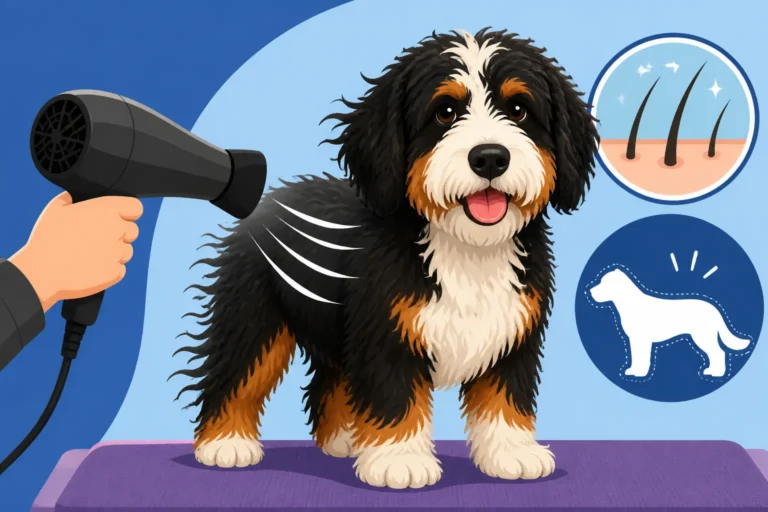
A good slicker brush and a metal comb are your best friends here. The slicker brush helps remove loose hair and tangles, while the metal comb is crucial for checking your work and ensuring there are no hidden mats close to the skin. If you hit a snag with the comb, go back with the slicker brush until it glides through smoothly. A de-matting spray can also be incredibly helpful for working through smaller tangles without pulling too much on their skin. Making brushing a positive experience from puppyhood, with lots of treats and praise, will save you a lot of hassle down the line.
Remember that their puppy coat will eventually give way to their adult coat, typically between 6 to 12 months, and this period, often called "coat change," is notoriously difficult. Mats seem to appear overnight! During this time, daily, thorough brushing is absolutely paramount. It’s a lot of work, but consistent effort prevents painful, time-consuming, and potentially costly shaving down by a professional groomer. It's an act of love, truly, to keep their coat healthy and mat-free.
Dental Care and Nail Trims
Dental hygiene is another aspect of daily care that's often overlooked until problems arise. Just like in humans, plaque and tartar buildup in dogs can lead to gum disease, tooth decay, and even systemic health issues affecting their heart, kidneys, and liver. Ideally, you should aim to brush your Bernedoodle's teeth daily, or at least several times a week. Start early with a soft finger brush and dog-specific toothpaste (never human toothpaste!) to get them accustomed to the process. Make it a positive experience with praise and rewards.
If daily brushing isn't feasible, incorporating dental chews or dental-specific kibble can help, but they are not a substitute for brushing. Water additives or dental wipes can also contribute to better oral hygiene. However, keep in mind that nothing beats manual brushing for removing plaque effectively. Regular veterinary check-ups will also include an assessment of their dental health, and your vet might recommend professional dental cleanings under anesthesia if significant tartar buildup occurs. Good dental health contributes significantly to their overall lifespan and quality of life.
Nail trims are also a crucial part of daily or weekly care, depending on how quickly your Bernedoodle's nails grow and how much natural wear they get. Overgrown nails can cause discomfort, pain, and even lead to splayed toes or issues with their gait, affecting their joint health in the long run. Aim to trim their nails every 2-4 weeks, or whenever you hear them clicking on hard floors. Use sharp dog nail clippers or a dremel tool. Many Bernedoodles dislike nail trims, so patience, positive reinforcement, and starting early are key. If you're nervous about cutting the quick (the sensitive part of the nail), ask your vet or groomer for a demonstration. Consistent, short trims are far better than infrequent, drastic cuts.
Eye and Ear Cleaning for Prevention
Bernedoodles, with their adorable drop ears and sometimes longer facial hair, are prone to certain issues if their eyes and ears aren't kept clean. Daily or every-other-day checks are essential to prevent minor irritations from escalating into more serious problems. Their long facial hair can trap dirt, debris, and moisture around their eyes, leading to tear staining and potential eye infections.
Gently wipe around your Bernedoodle's eyes daily with a soft, damp cloth or a specialized dog eye wipe. If they have long hair around their eyes, you might need to trim it carefully with blunt-nosed scissors to prevent it from irritating their eyes. Watch for excessive tearing, redness, discharge, or any signs of discomfort. These could indicate an infection or irritation, and you should contact your vet if you notice anything unusual. The Eye Conditions a Bernedoodle Is Tested For highlights specific concerns.
Their floppy ears, while charming, create a warm, dark, and often moist environment that is perfect for yeast and bacteria to grow. This makes them highly susceptible to ear infections. You should check your Bernedoodle's ears daily or every other day for redness, odor, discharge, or excessive scratching. Weekly cleaning with a vet-approved ear cleaning solution is recommended. Simply apply the solution, gently massage the base of the ear, and then wipe away any visible debris with a cotton ball. Never use cotton swabs deep inside the ear canal. After swimming or baths, ensure their ears are thoroughly dried to prevent moisture buildup. Ear Infections in a Bernedoodle's Drop Ear are no fun for anyone, so prevention is definitely better than cure.
Creating a Safe and Stimulating Home Environment
Your Bernedoodle's home environment is so much more than just four walls and a roof; it's their entire world. A well-prepared home isn't just about creature comforts; it's about safety, mental stimulation, and a sense of belonging. Too often, we focus on training external behaviors, but a huge part of a well-adjusted dog comes from the foundation of their living space. A chaotic or boring environment can undermine all your training efforts and contribute to stress and destructive habits.
Designated Rest and Play Areas
Every Bernedoodle needs a "den" – a safe, comfortable space that is exclusively theirs, where they can retreat when they feel overwhelmed, tired, or just need some alone time. For many, this is a crate. Crate training, when done positively, teaches independence, aids in house-training, and provides a secure sanctuary. Choose a crate that is appropriately sized; they should be able to stand up, turn around, and lie down comfortably. Place it in a quiet, low-traffic area of your home, and make it inviting with a soft bed or blankets. Brands like Amazon offer a wide array of crates and comfy beds for all sizes. A Bernedoodle That Leans on Everyone often benefits from having its own space.
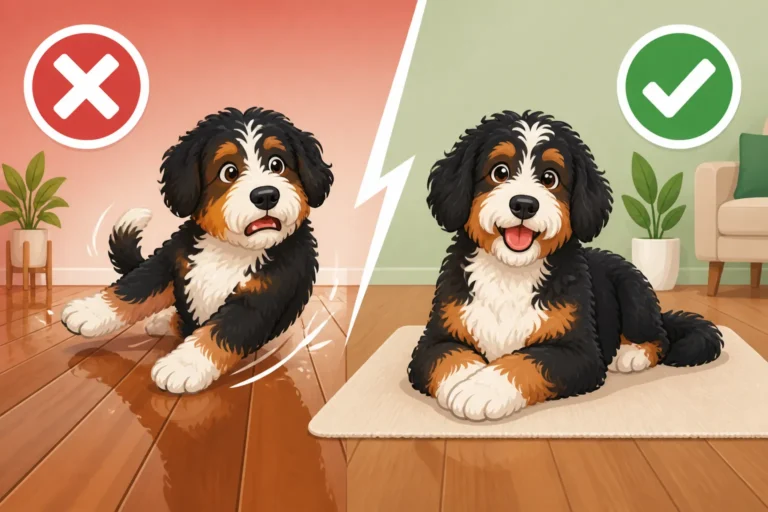
Beyond their crate, designate specific areas for play. For a standard Bernedoodle, this often means a good-sized living area where they can stretch out without knocking over lamps. Consider flooring; too much slippery hardwood can be hard on their joints, especially as puppies and seniors. Strategically placed rugs can provide traction and cushion. Having a dedicated space for their toys helps them understand boundaries and keeps your home tidier. It's about giving them clear definitions within the home, reducing confusion, and fostering a sense of security.
These designated areas aren't just for puppies; adult Bernedoodles benefit immensely from having a consistent space they can call their own. It provides mental stability and a predictable rhythm to their day. When you teach them to "go to their mat" or "go to their crate," you're giving them a tool for self-regulation and a clear instruction for when they need to settle. This not only makes them feel more secure but also makes managing their behavior much easier for you.
Enrichment and Interactive Toys
A Bernedoodle without proper mental stimulation is a recipe for trouble. Their intelligent Poodle ancestry means they are thinkers, and they need to engage their brains daily. Interactive toys and enrichment activities are crucial for preventing boredom and promoting healthy cognitive function. These aren't just toys to chew on; they are tools that challenge your Bernedoodle to problem-solve.
Puzzle toys, slow feeders, and treat-dispensing toys are excellent options. These require your Bernedoodle to manipulate them in various ways to get a reward, keeping them occupied and mentally engaged for extended periods. Think about rotating their toys regularly to keep things fresh and exciting; a toy that's been put away for a few weeks feels new again when it reappears! Items like durable chew toys can also satisfy their natural chewing instincts and help keep their teeth clean, but ensure they are size-appropriate and non-toxic.
Beyond physical toys, enrichment can come from scent work (hiding treats for them to find), training games, or even supervised access to a "sniffing garden" in your yard. Don't underestimate the power of simply letting them observe the world from a window, as long as they aren't barking excessively at everything that passes by. Providing a rich, stimulating environment means fewer destructive behaviors and a happier, more contented Bernedoodle. It's about tapping into their natural drives and giving them acceptable outlets for their energy and intelligence.
Protecting Your Home from a Mischievous Doodle
Let's face it, Bernedoodles, especially as puppies and adolescents, can be quite the handful. Their playful nature, combined with their size (even minis are substantial!), means that "doodle-proofing" your home is not just advisable, it's essential. This isn't about blaming the dog; it's about setting them up for success and protecting your belongings, and more importantly, their safety. What might seem harmless to us could be a choking hazard or toxic to them.
Start by thinking like a curious, mouthy dog. What's at nose height? What's at counter height? Remove anything valuable or dangerous that is within reach. This includes electrical cords, household chemicals, medications, small objects that could be swallowed, and certain plants that are toxic to dogs. Use baby gates to restrict access to certain rooms when you can't supervise directly. For items on counters, remember Whether a Bernedoodle Reaches the Kitchen Counter – they are tall, and their reach can be surprising! Secure trash cans with lids or place them in cabinets to prevent rummaging.
For puppies and adolescent Bernedoodles, supervision is key. Consider using a long leash to keep them tethered to you while indoors, which allows you to interrupt unwanted behaviors before they escalate. Provide plenty of appropriate chew toys to redirect their chewing instincts away from your furniture. Remember, a calm, safe environment is a collaboration. By proactive "doodle-proofing" your home, you're not just protecting your possessions; you're creating a secure space where your Bernedoodle can learn and grow without constant correction, fostering a more harmonious relationship.
Training and Socialization: Ongoing Daily Habits
Training isn't a one-and-done event; it's a continuous conversation you have with your Bernedoodle every single day. Their intelligence and desire to please (thanks, Poodle genes!) make them highly trainable, but consistency is the magic word. Neglecting daily reinforcement of good habits can lead to an intelligent dog who decides to make their own rules. And socialization, especially during puppyhood, shapes their entire perception of the world. It’s about building a well-adjusted, confident companion who can navigate various situations with grace, rather than fear or reactivity.
Short, Consistent Training Sessions
You don't need to dedicate hours each day to formal training sessions. In fact, short, frequent bursts of training are often far more effective for Bernedoodles, especially when they're young. Aim for 5-10 minute sessions, two or three times a day, focusing on one or two commands. This keeps them engaged, prevents boredom, and helps solidify what they've learned. Think of it as bite-sized learning that easily fits into your daily routine. Practice "sit" before meals, "stay" when you open the door, or "come" during playtime in the yard.
Consistency is key, not just in frequency but also in commands and expectations. Ensure everyone in the household uses the same verbal cues and hand signals. This eliminates confusion for your Bernedoodle. Positive reinforcement, using treats, praise, and toys, works wonders with this breed. They respond best to kindness and encouragement, not harsh corrections. If your Bernedoodle seems to be ignoring a command they once knew, they might be Whether a Bernedoodle Is Stubborn or Just Slow or simply testing boundaries, a common adolescent behavior. Just calmly guide them back to the correct action and reward them.
These daily micro-sessions not only reinforce commands but also strengthen your bond. It's a structured way to communicate and build mutual understanding. A well-trained Bernedoodle is a joy to live with, more confident in their interactions, and safer in various environments. Remember, training isn't just about obedience; it's about building a common language and trust.
Daily Social Interaction and Exposure
Socialization is a continuous process that extends far beyond puppyhood. While the critical window for puppy socialization (up to about 16 weeks) is paramount for exposing them to a wide variety of sights, sounds, people, and other friendly dogs, it doesn't stop there. Daily positive social interaction helps maintain their confidence and prevents them from becoming fearful or reactive as they mature. Bernedoodles can sometimes inherit a degree of shyness from their Bernese side, so consistent exposure is vital. Building Confidence in a Timid Bernedoodle is a long-term commitment.
Every day presents opportunities for socialization. A walk around the neighborhood exposes them to different noises, people, and passing dogs. A short car ride helps them become accustomed to travel. Visiting a dog-friendly park (once fully vaccinated) allows for safe, supervised interactions with other canines. Even simply having different guests visit your home, with appropriate introductions, can be a valuable experience. The goal isn't to force interactions but to provide positive exposure in a controlled manner.
Pay close attention to your Bernedoodle's body language. Are they relaxed, curious, or showing signs of stress? Always advocate for your dog, pulling them away from situations that make them uncomfortable. The idea is to build positive associations, so every exposure should ideally end on a good note. Ongoing socialization ensures your Bernedoodle remains a friendly, well-adjusted companion who can confidently navigate the diverse experiences life throws their way, rather than living in a bubble of fear or anxiety.
Addressing Behavioral Quirks with Patience
Bernedoodles are known for their charming personalities, but like all dogs, they can develop behavioral quirks or challenges. Whether it's counter-surfing, excessive leaning, occasional stubbornness, or a tendency to jump, addressing these issues consistently and patiently on a daily basis is crucial. Ignoring them won't make them disappear; in fact, it often reinforces the unwanted behavior.
For instance, if your Bernedoodle has developed a habit of A Bernedoodle That Leans on Everyone, which is endearing but can be overwhelming for some, consistently teaching them a "no lean" or "off" command is important. If they are prone to counter-surfing, make sure counters are clear and use management techniques like crates or baby gates when you can't supervise. For barking at the door, teach them an alternative behavior, like going to their mat, and reward them for it. Patience is paramount. It takes time for a dog to unlearn an ingrained behavior and adopt a new one.
Consistency across all family members is also incredibly important here. If one person allows a behavior while another corrects it, your Bernedoodle will become confused and less likely to learn. Seeking advice from a qualified professional dog trainer or behaviorist can be invaluable for more persistent issues. They can provide tailored strategies and help you understand the root cause of the behavior. Remember, every "quirk" is an opportunity for teaching and strengthening your bond. Addressing them proactively makes for a more harmonious household and a better-behaved Bernedoodle.
Proactive Health Checks and Wellness Practices
Owning a Bernedoodle means taking on the responsibility of their health, which goes far beyond annual vet visits. Daily proactive health checks and wellness practices are your first line of defense against potential problems. You are your Bernedoodle’s primary caregiver, and being attuned to their normal state allows you to spot subtle changes that might indicate an emerging health concern. This vigilance can make a huge difference in early detection and successful treatment, potentially saving both discomfort for your dog and significant veterinary bills.
Daily Body Scan and Health Observation
Making a quick "body scan" a part of your daily routine can be incredibly beneficial. This doesn't need to be a formal examination; it can happen naturally during petting sessions or after a walk. Gently run your hands over your Bernedoodle's entire body, feeling for any new lumps, bumps, or tender spots. Pay attention to their joints, belly, and paws. Many Bernedoodle owners discover Lumps a Bernedoodle Owner Should Not Wait On during these casual checks.
While you're at it, visually inspect their eyes for clarity and discharge, their nose for moisture and any unusual crustiness, and their mouth for healthy gums and clean teeth. Look for any changes in their coat or skin, such as redness, flakiness, or hot spots under their thick fur. Observe their gait; are they moving normally, or is there any limping or stiffness? Check their tail carriage and overall demeanor. Is their tail up and wagging, or tucked? Are they bright-eyed and engaged, or lethargic and withdrawn?
These daily observations are crucial because Bernedoodles, like many dogs, can be stoic when it comes to pain or discomfort. By being familiar with their normal state, you'll be much more likely to notice subtle deviations that could signal a developing issue, whether it's a minor cut, an allergic reaction, or something more serious. Early detection is often key to a more positive outcome.
Parasite Prevention and Medication Routine
Daily or monthly parasite prevention, depending on the type, is non-negotiable for your Bernedoodle's health. Fleas, ticks, heartworms, and intestinal parasites pose significant health risks and can lead to serious illnesses if left unchecked. Your veterinarian will recommend an appropriate parasite prevention regimen based on your location, your dog's lifestyle, and local parasite prevalence. This could include monthly oral medications, topical treatments, or yearly injections.
Consistency is absolutely critical with these medications. Missing a dose or delaying treatment can leave your Bernedoodle vulnerable. Make it a habit – perhaps linking it to a specific day of the month or a routine event – to ensure you never forget. For example, I mark it on my calendar and set a reminder on my phone. Discuss all available options with your vet to find the best fit for your Bernedoodle and your family. Many excellent products are available through online retailers like Chewy, but always ensure you're getting genuine, vet-approved products.
Beyond routine preventatives, if your Bernedoodle requires daily medications for a chronic condition (like thyroid issues or arthritis, which can appear in older Bernedoodles), establishing a strict routine is paramount. Administer medications at the same time each day, as prescribed by your vet. Keep a chart or use an app to track doses, especially if multiple medications are involved. Don't hesitate to ask your vet for tips on how to administer pills if your Bernedoodle is particularly resistant. Your diligence in this area directly impacts their comfort and quality of life.
Regular Vet Contact and Early Detection
While daily checks are important, they don't replace the expertise of a veterinarian. Maintaining open and regular communication with your vet is a vital part of your Bernedoodle's daily wellness. This includes annual check-ups, but also not hesitating to call or schedule an appointment if you notice any concerning changes during your daily observations. Sometimes, a quick phone call can help you determine if an issue warrants an immediate visit or can be monitored. The Screening a Bernedoodle Should Have Yearly covers typical annual check-ups.
Bernedoodles can be prone to certain health issues, such as hip and elbow dysplasia, certain cancers (inherited from the Bernese side), and thyroid problems. Being aware of these breed predispositions can make you more vigilant. If you notice any changes in appetite, thirst, urination, bowel movements, energy levels, or behavior, these are all indicators that a vet visit might be necessary. Don't wait until a problem becomes severe; early detection of many conditions, from Lymphoma in a Middle Aged Bernedoodle to The Age Degenerative Myelopathy Appears in a Bernedoodle, can significantly improve the prognosis and treatment options.
Building a strong relationship with your vet and their team means you have trusted professionals who know your Bernedoodle and can offer personalized advice. They are partners in your dog's health journey. Never feel embarrassed or afraid to ask questions, even if they seem small. Your proactive engagement with their care team is one of the greatest gifts you can give your Bernedoodle, ensuring they live the healthiest, happiest life possible.
The Importance of Connection and Affection
Beneath that fluffy, sometimes goofy exterior, Bernedoodles are incredibly sensitive, loving, and deeply relational dogs. They thrive on connection with their human families and require daily doses of affection and quality time. While food, water, and exercise are fundamental, neglecting their emotional needs can lead to anxiety, insecurity, and even behavioral problems. They aren't just pets; they're family members who crave interaction and reassurance.
Quality Time and Cuddle Sessions
Bernedoodles are often described as "velcro dogs" – they love to be near their people. This isn't just a cute quirk; it's a genuine need for companionship. Dedicate time each day, even if it's just 15-30 minutes, for focused one-on-one interaction. This could be a dedicated cuddle session on the couch, gentle grooming, a game of tug-of-war, or simply sitting together while you read or watch TV. It’s not about grand gestures; it’s about consistent presence and undivided attention.
These moments are crucial for reinforcing your bond and making your Bernedoodle feel secure and loved. It provides mental comfort and reduces feelings of loneliness or anxiety. Many Bernedoodles will initiate these sessions themselves, nudging your hand or resting their head on your lap. Lean into it! Reciprocating their desire for closeness builds trust and strengthens your relationship. Remember, while they can be left alone for reasonable periods, they are not dogs who thrive in isolation. Whether a Bernedoodle Needs Someone Home is a valid consideration for potential owners.
This quality time also helps you tune into their emotional state. Are they relaxed and happy, or are they showing subtle signs of stress or worry? Your presence and comforting touch can do wonders for their emotional well-being. It's a two-way street; the affection you give to your Bernedoodle often comes back to you tenfold, making these daily interactions a highlight for both of you.
Understanding Their Communication Cues
Bernedoodles communicate constantly, even without barking a single word. Learning to read their body language is a daily practice that deepens your understanding of their needs, desires, and emotional state. This isn't just about avoiding conflict; it's about building a truly empathetic relationship where you can respond effectively to their silent pleas and subtle expressions.
A loose, wagging tail (not just a stiff, high-speed vibration) often signifies happiness. A soft gaze, relaxed ears, and a gently open mouth indicate comfort and contentment. Conversely, a stiff body, a tail tucked between their legs, wide "whale eyes" (showing the whites of their eyes), or lip-licking can be signs of stress, fear, or anxiety. Excessive yawning or turning their head away might be their way of saying, "I'm uncomfortable with this situation." Signs a Bernedoodle Is Overheating also include specific body language cues.
By paying attention to these cues, you can avoid escalating uncomfortable situations, provide reassurance when they're anxious, or engage them in play when they're feeling boisterous. For example, if your Bernedoodle offers a polite sit when you're preparing food, they're communicating their desire in an appropriate way. If they're trying to hide behind you when a stranger approaches, they might be feeling timid. Recognizing these signals allows you to be a more responsive and effective caregiver, strengthening the non-verbal dialogue you share.
Building a Strong Human-Canine Bond
The bond you share with your Bernedoodle isn't built overnight; it's cultivated through consistent, positive daily interactions. Every walk, every meal, every training session, and every cuddle contributes to the tapestry of your relationship. It’s about creating a foundation of trust, respect, and mutual understanding. This means being a consistent leader, providing clear boundaries, and offering endless love and patience.
Establishing routines, as we've discussed for feeding and exercise, provides a sense of predictability and security that strengthens this bond. Your Bernedoodle learns to trust that their needs will be met. Engaging in activities they enjoy, whether it's a game of fetch, a swim, or a car ride, reinforces positive associations with you. Being fair and consistent in your training, using positive reinforcement, helps them see you as a benevolent leader rather than a source of unpredictable corrections.
Ultimately, the strongest bonds are built on everyday moments. It's the quiet understanding, the shared laughter over their goofy antics, the comfort they offer when you're sad, and the unwavering loyalty they provide. Prioritizing their emotional well-being and nurturing this bond daily creates a confident, happy Bernedoodle who is truly a cherished member of your family. This daily investment in connection is what transforms a pet into a soulmate.
Managing a Bernedoodle's Seasonal Needs
Bernedoodles, with their thick, luxurious coats inherited from their Bernese Mountain Dog ancestors, are wonderfully adapted for colder climates. However, this beautiful coat also comes with a significant caveat: they often struggle in the heat. Managing their needs changes with the seasons, and being prepared for extreme weather, both hot and cold, is a crucial part of their daily care. Ignoring seasonal challenges can lead to serious health risks, from heatstroke to frostbite.
Hot Weather Precautions
When the temperatures climb, a Bernedoodle's thick coat can quickly become a liability. They don't sweat like humans do; they primarily cool themselves by panting, and that thick insulation makes it much harder for them to dissipate heat. Overheating is a very real and dangerous threat for Bernedoodles, especially those with darker coats like a black tri Bernedoodle. Why a Black Tri Bernedoodle Overheats explains the physics of it. Heatstroke can be deadly and can develop surprisingly quickly.
During hot weather, your daily routine needs significant adjustments. Avoid walking your Bernedoodle during the hottest parts of the day; early mornings and late evenings are best. Test the pavement with the back of your hand – if it's too hot for you, it's too hot for their paws. Always carry water for them, and offer it frequently. Limit strenuous activity and watch for signs of overheating: excessive panting, drooling, lethargy, bright red gums, or staggering. Whether a Bernedoodle Should Be Walked in Summer is a serious consideration.
Ensure they have access to shade and plenty of fresh, cool water at all times. A kiddie pool in the yard, a cooling mat, or even a damp towel draped over them can help. Never, ever leave a Bernedoodle in a parked car, even for a few minutes with the windows cracked. The temperature inside a car can skyrocket to dangerous levels in a very short amount of time. If you live in a hot climate, air conditioning is almost a necessity for their comfort and safety. Grooming them with a shorter clip in summer can help, but avoid shaving them completely, as their coat also provides some insulation against the sun.
Cold Weather Considerations
While Bernedoodles are generally built for cold, that doesn't mean they're immune to all winter woes. Their thick double coat offers excellent insulation, allowing them to enjoy colder temperatures far more than many other breeds. However, extreme cold, ice, snow, and especially road salt can still pose risks. Daily checks and precautions ensure they can enjoy winter wonderland safely.
Even a cold-weather dog needs protection from prolonged exposure to freezing temperatures, especially if they are older, very young, or have underlying health conditions. Watch for signs of shivering, lethargy, or reluctance to move. While their coat provides warmth, their paw pads are still vulnerable to ice, snow, and corrosive road salts. Consider using paw balm or dog booties for walks on salted pavements to protect their sensitive pads. Always wipe their paws clean after walks to remove any salt residue. Ice Balls in a Bernedoodle's Feathering can also be a painful nuisance between their toes.
If your Bernedoodle loves playing in the snow, be mindful of ice balls forming in their fur, especially on their legs and belly. Brushing them thoroughly after snow play can help prevent these from matting and causing discomfort. Ensure they have a warm, dry place to sleep indoors, away from drafts. While they might love lounging in the snow for a bit, they are not outdoor dogs in the true sense and belong indoors with their families, especially overnight or during extreme weather. Adjusting your daily outings to the winter conditions keeps them happy and healthy through the colder months.
Seasonal Allergies and Their Management
Just like humans, Bernedoodles can suffer from seasonal allergies, which can manifest as itchy skin, paw licking, ear infections, or respiratory issues. These allergies are often triggered by environmental allergens like pollen, dust mites, or certain grasses. While not strictly a "daily" need in the same way as food or water, being vigilant about potential allergens and managing symptoms daily is crucial for their comfort.
If your Bernedoodle starts scratching more than usual, licking their paws incessantly, or developing recurrent ear infections during certain times of the year, allergies might be the culprit. A vet visit can help identify the allergen and establish a management plan. This might include daily antihistamines (prescribed by your vet), medicated shampoos, or dietary changes. Wiping down their paws and coat after outdoor excursions can help remove pollen and other allergens before they get tracked into the house.
For Bernedoodles, whose thick coats can already be prone to skin issues, allergies can exacerbate conditions like hot spots or yeast infections. Regular grooming and keeping their coat clean can also help manage these symptoms. Always follow your vet's advice for managing allergies, as self-treating can sometimes do more harm than good. Daily observation for signs of itching or discomfort allows you to intervene early and keep your Bernedoodle comfortable throughout the allergy season.
Table of Daily Bernedoodle Needs
To help visualize and keep track of all these daily essentials, here's a quick summary:
| Category | Daily Needs & Activities | Key Considerations |
|---|---|---|
| Exercise | Brisk walks (60-90 min for adults), playtime, fetch, sniffing walks | Tailor to age/size, balance mental/physical, watch for under-exercised signs. |
| Nutrition | 2 meals a day (adult), fresh water, healthy treats | Large breed specific food, consistent schedule, slow feeder, clean bowls, moderate treats. |
| Grooming | Brushing (daily/every other day), eye/ear check, dental care | Line brush to skin, use slicker/comb, regular teeth brushing, clean ears/eyes, trim nails as needed. |
| Environment | Safe space (crate), enrichment toys, doodle-proofing home | Comfortable den, rotate toys, remove hazards, baby gates as needed. |
| Training/Social | Short training sessions, positive interactions, exposure | Consistent commands, positive reinforcement, varied exposures (people, places, dogs), patient behavior correction. |
| Health Checks | Body scan, demeanor observation, parasite/medication routine | Feel for lumps/tenderness, check eyes/ears/nose/mouth, administer preventatives/meds consistently, vet contact as needed. |
| Affection/Bonding | Quality time, cuddles, responsive communication | Undivided attention, understand body language, consistent presence, build trust. |
| Seasonal Care | Weather-appropriate precautions, allergy monitoring | Avoid extreme heat/cold, hydrate, paw protection, adjust walks, monitor for allergy symptoms. |
Disclaimer
This article is for general informational purposes only and does not constitute professional advice. Laws, prices and regulations vary by location and change over time. Consult a qualified professional for guidance on your specific situation.