Whether a Bernedoodle Needs Joint Support Early
It’s a common worry among Bernedoodle owners, isn't it? You bring home this adorable, fluffy bundle of joy, knowing they’re destined to grow into a magnificent, large dog, and almost immediately, the thoughts about their future joint health start creeping in. Given their Bernese Mountain Dog lineage, notorious for certain orthopedic challenges, it's natural to wonder if early joint support is something your Bernedoodle needs. This guide is here to help you navigate the nuances of Bernedoodle joint health, from genetic predispositions to practical daily care, so you can make informed decisions for your furry family member.
Understanding Bernedoodle Joint Health: A Proactive Approach
Bringing a Bernedoodle into your life means committing to their well-being, and a huge part of that, especially with larger breeds, revolves around their structural integrity. Their joints are the foundation of their active lives, and understanding the unique blend of genetics at play is the first step in a proactive approach to keeping them sound. It's not just about addressing problems if they arise; it's about setting them up for success from the very beginning.
The Genetic Blueprint: Bernese Mountain Dog and Poodle Influences
When you look at a Bernedoodle, you’re seeing a beautiful mosaic of two distinct breeds: the sturdy, majestic Bernese Mountain Dog and the elegant, athletic Poodle. Both contribute their unique genetic predispositions, and for joint health, this means a mix of potential strengths and vulnerabilities. The Bernese side, unfortunately, is well-known for a higher incidence of orthopedic conditions like hip and elbow dysplasia. These aren't just minor aches; they are developmental conditions where the joints don't form correctly, leading to pain, arthritis, and mobility issues later in life. It’s the reason why many prospective Bernedoodle owners feel that nagging concern.
On the other hand, the Poodle side, while generally healthier in terms of lifespan and some joint issues, can still contribute certain genetic factors, though typically less severe or prevalent in the specific context of hip and elbow dysplasia compared to the Bernese. The hope with a crossbreed like the Bernedoodle is often centered around the concept of "hybrid vigor" – the idea that mixing two different gene pools can reduce the incidence of breed-specific diseases. While hybrid vigor can certainly offer benefits, it's not a magic bullet that completely eliminates the risk of inheriting conditions from either parent breed. A Bernedoodle still carries the genetic possibilities from both its parents, meaning careful selection from health-tested lines remains paramount.
This combination means that while your Bernedoodle might have a slightly lower risk of certain conditions compared to a purebred Bernese, they are by no means immune. Understanding this genetic foundation helps us appreciate why early, thoughtful care is so important. It’s not just about reactive treatment but about laying the groundwork for a lifetime of comfortable movement. The Five Clearances a Bernedoodle Breeder Should Have is a critical resource for understanding what questions to ask your breeder.
Growth Plates and Rapid Development: A Critical Window
Bernedoodle puppies are simply adorable, but beneath that fluffy exterior, a marvel of rapid growth is happening. They go from tiny pups to substantial adolescents in a relatively short period, and this rapid growth phase is a critical window for joint development. Their bones grow at an astonishing rate, but their growth plates – areas of soft, developing cartilage at the ends of long bones – are particularly vulnerable during this time. These plates eventually harden into bone, but until they do, they are susceptible to injury or abnormal development if undue stress is placed upon them.
Consider a large breed puppy food, for instance. It’s not just about providing enough calories for their rapid expansion; it's crucially about controlling the rate of growth and providing the right balance of nutrients, particularly calcium and phosphorus. Too much calcium, or an imbalanced ratio, can actually lead to skeletal abnormalities rather than preventing them. It’s a delicate balance, and mistakes during this period can have long-lasting consequences for joint health.
This vulnerability means that every jump, every hard landing, and every uncontrolled burst of energy during puppyhood can potentially impact how those growth plates develop. It’s why you’ll often hear advice about limiting intense exercise and preventing jumping, even if your puppy seems like a bouncing ball of energy. We’re not trying to stifle their joy, but rather to protect their immature joints during this vital developmental stage. Why Slow Growth Protects a Bernedoodle's Elbows delves deeper into this often-overlooked aspect of puppy care.
Common Joint Issues in Bernedoodles and Early Indicators
While no one wants to imagine their vibrant Bernedoodle puppy facing health challenges, being aware of common joint issues and their early signs is a crucial part of responsible pet ownership. The earlier you recognize a potential problem, the sooner you can intervene, often leading to better long-term outcomes. These conditions aren't always obvious to the untrained eye, which is why a keen observer makes all the difference.
Hip and Elbow Dysplasia: The Big Concerns
Hip and elbow dysplasia are, without a doubt, the orthopedic conditions that loom largest in the minds of many Bernedoodle owners, largely due to the Bernese Mountain Dog’s genetic predisposition. These aren't just one-off injuries; they are developmental abnormalities where the joints either don't fit together correctly (hip dysplasia) or the components of the elbow joint grow at incongruent rates (elbow dysplasia). The result? Instability, grinding, pain, and eventually, debilitating arthritis.
In puppies and young Bernedoodles, the signs can be subtle. With hip dysplasia, you might notice a "bunny hop" gait when they run, where both back legs move together. They might show reluctance to jump, difficulty getting up from a lying position, or seem to have less endurance on walks. For elbow dysplasia, early signs could include a slight lameness or stiffness in a front leg, especially after rest or exercise. They might hold the affected limb slightly out or not put full weight on it. It’s important to remember that they might not cry out in pain; dogs are incredibly stoic, often masking discomfort until it's quite severe. Any persistent or recurring limping, stiffness, or changes in gait warrant a vet visit. Your vet might suggest X-rays to get a clearer picture of the joint development. The Elbow Grades a Bernedoodle Breeder Should Show offers more insight into how breeders screen for this condition.
Other Considerations: Patellar Luxation and Osteochondritis Dissecans (OCD)
While hip and elbow dysplasia tend to get the most attention for large breeds, Bernedoodles can potentially be susceptible to other joint conditions, though perhaps less frequently. Patellar luxation, or "slipping kneecap," is more commonly associated with smaller breeds, but it can occur in Bernedoodles, particularly the Mini or Tiny sizes, given the Poodle's contribution. This is where the kneecap temporarily dislocates from its groove, causing the dog to skip a step or hold a leg up for a few seconds before continuing as if nothing happened. It can range from mild, intermittent occurrences to severe, painful dislocations that require surgical correction.
Osteochondritis Dissecans (OCD) is another condition that can affect rapidly growing large breed puppies. It involves a disturbance in the normal development of cartilage, where a flap of cartilage separates from the underlying bone, often in the shoulder, elbow, or stifle (knee) joint. This can cause pain and lameness. Signs usually appear between 6 and 9 months of age, manifesting as intermittent or continuous lameness in the affected limb. It’s another reason why controlled growth and appropriate exercise are so crucial during puppyhood. Recognizing these varied possibilities helps you and your veterinarian form a comprehensive strategy for your Bernedoodle's joint health.
Nutritional Strategies for Proactive Joint Support
Nutrition isn't just about filling your Bernedoodle's belly; it's about fueling their growth and development, especially when it comes to their skeletal structure. For a rapidly growing, large breed like the Bernedoodle, getting the diet right can make a profound difference in minimizing the risk of joint problems down the line. It's a foundational pillar of proactive joint care.
Large Breed Puppy Formulas: More Than Just Calories
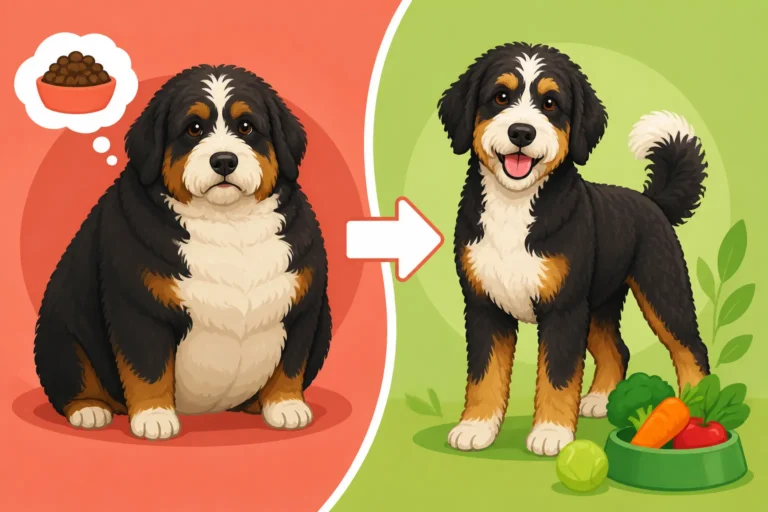
One of the most impactful decisions you'll make for your Bernedoodle puppy's joint health is the food you choose. For large breeds, "large breed puppy formulas" aren't just a marketing gimmick; they're specifically formulated to support a controlled growth rate. Why is this so important? Because rapid growth, fueled by excessively high calorie or calcium levels, can actually exacerbate the risk of developmental orthopedic diseases like hip and elbow dysplasia. These specialized diets typically have a lower caloric density, which helps prevent puppies from growing too quickly and putting undue stress on their developing joints.
Beyond calories, the balance of minerals, particularly calcium and phosphorus, is critical. Large breed puppy foods are designed with precise calcium-to-phosphorus ratios to ensure proper bone development without over-mineralization, which can lead to osteochondrosis (cartilage abnormalities). Look for foods that state they are formulated for "large breed growth" or "all life stages including the growth of large breed dogs." Always follow the feeding guidelines for your puppy's anticipated adult weight, not their current weight, to help manage growth. Many reputable brands offer these specialized formulas, and you can easily find a wide selection of them on sites like Chewy, allowing you to compare ingredients and choose what’s best for your pup.
When to Consider Supplements: Glucosamine, Chondroitin, and Omega-3s
The question of whether to start joint supplements early for a Bernedoodle is one that sparks a lot of discussion among owners and even veterinarians. Common ingredients like glucosamine, chondroitin, and MSM are often highlighted for their potential to support cartilage health and reduce inflammation. Glucosamine is thought to help build and repair cartilage, while chondroitin sulfate is believed to improve the elasticity of cartilage and inhibit enzymes that break down cartilage. MSM (methylsulfonylmethane) is often included for its anti-inflammatory properties.
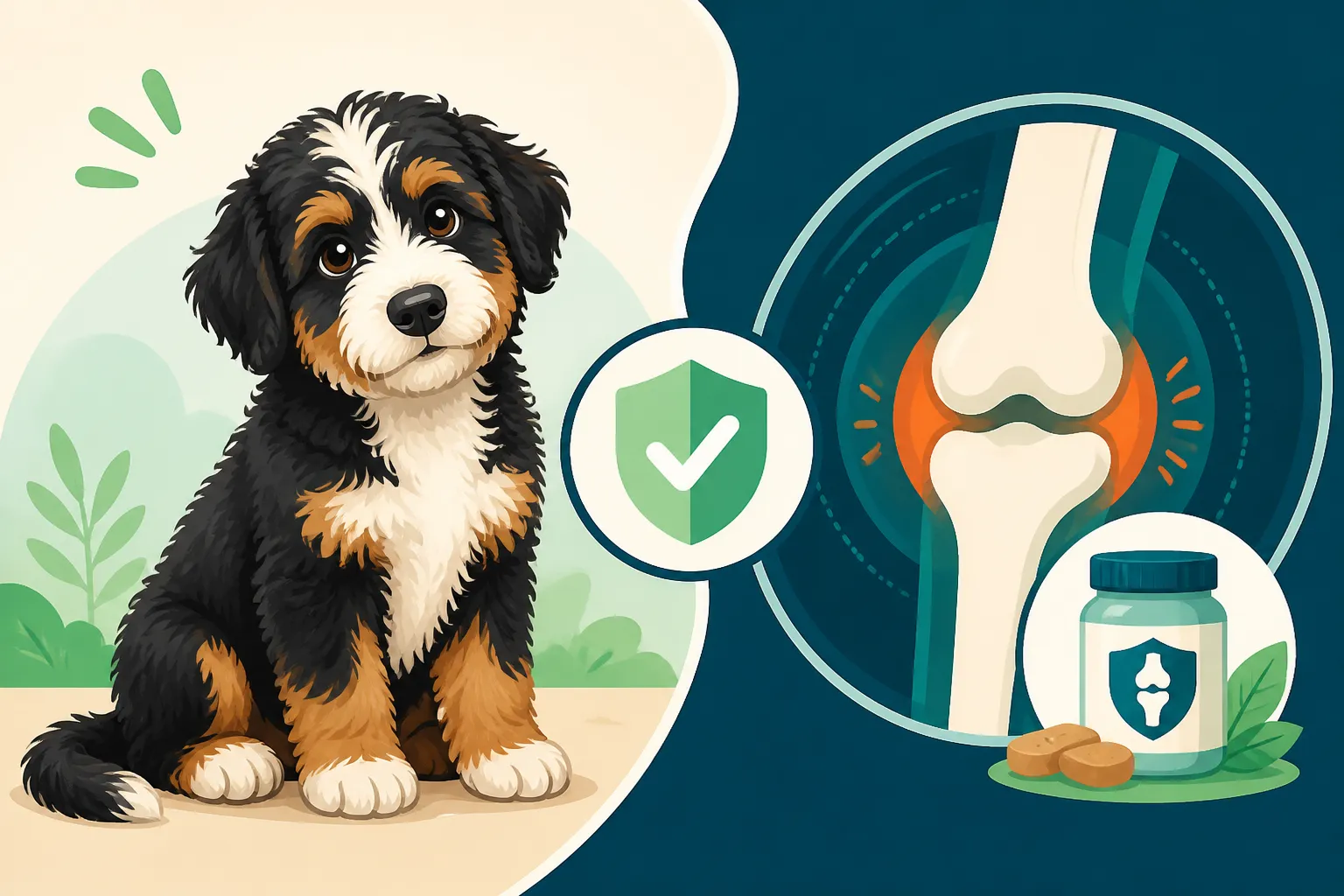
Many vets and breeders advocate for starting these supplements proactively, especially in breeds known for joint issues. The idea is that providing these building blocks early on can help maintain healthy cartilage and joint fluid, potentially delaying or reducing the severity of future problems. However, it's not a universal recommendation, and some argue that a high-quality large breed puppy food already provides sufficient support, or that supplements are best reserved for when signs of joint discomfort appear. If you're considering a supplement, always consult your veterinarian. They can help you choose a reputable brand with appropriate dosages for your Bernedoodle's size and age. You'll find a vast array of these products, from chewable tablets to liquid forms, available on platforms like Amazon, but always ensure you're choosing a trusted brand recommended by your vet. Some specialized fresh food brands, such as Ollie, might also offer formulations or supplementary treats designed with joint health in mind, though you'd want to check their specific nutrient profiles and consult your vet to see if they align with early joint support needs.
| Ingredient | Primary Benefit | When to Consider |
|---|---|---|
| Glucosamine | Cartilage repair & maintenance | Proactively, or with early signs of stiffness/pain |
| Chondroitin Sulfate | Cartilage elasticity, anti-inflammatory | Proactively, often paired with Glucosamine |
| MSM | Anti-inflammatory, pain relief | Proactively, or for existing inflammation |
| Omega-3 Fatty Acids | Reduce inflammation, support overall health | Generally beneficial for all dogs, especially for joint and skin health |
| Hyaluronic Acid (HA) | Lubricates joints, shock absorption | Often in comprehensive joint formulas, for support or existing issues |
Lifestyle and Management: Protecting Growing Joints
Beyond genetics and nutrition, the way you manage your Bernedoodle's daily life, especially during their critical growth phases, plays an enormous role in protecting their developing joints. Think of it as creating a "joint-friendly" environment and routine that minimizes stress and maximizes healthy development. This involves careful consideration of their exercise, their environment, and even simple daily habits.
Exercise Protocols: Balancing Activity and Rest for Puppies
It’s tempting to let a Bernedoodle puppy run wild, chasing balls, and jumping with boundless energy. They’re so happy and eager to please! However, uncontrolled or excessive exercise can be detrimental to their immature joints. The widely recommended "five-minute rule" is a great guideline: your puppy should get 5 minutes of structured exercise (like a leash walk) per month of age, twice a day. So, a 4-month-old puppy would get two 20-minute walks a day. This doesn’t include free play in a safely fenced yard, which is important for mental stimulation and natural movement, but it emphasizes limiting repetitive, high-impact activities.
Activities to largely avoid in puppyhood (until growth plates are closed, typically around 12-18 months, though this varies):
- Repetitive jumping: Off furniture, out of cars, agility jumps, or intense games of fetch with high jumps.
- Long-distance running: Especially on hard surfaces like pavement.
- Stairs: While a few stairs occasionally aren't a huge concern, repeatedly running up and down flights of stairs can put strain on hips and elbows. Whether Stairs Hurt a Standard Bernedoodle Puppy provides further detail on this topic.
- Slippery surfaces: Running or playing on hardwood or tiled floors without rugs can cause them to splay out, leading to joint strain.
Instead, focus on controlled, low-impact exercise like short leash walks, gentle swimming (if they enjoy it and the water is safe), and supervised playtime on soft surfaces like grass. Think about quality over quantity when it comes to puppy exercise. The goal is to build muscle tone to support the joints without overstressing them.
Environmental Factors: Flooring, Ramps, and Jumping
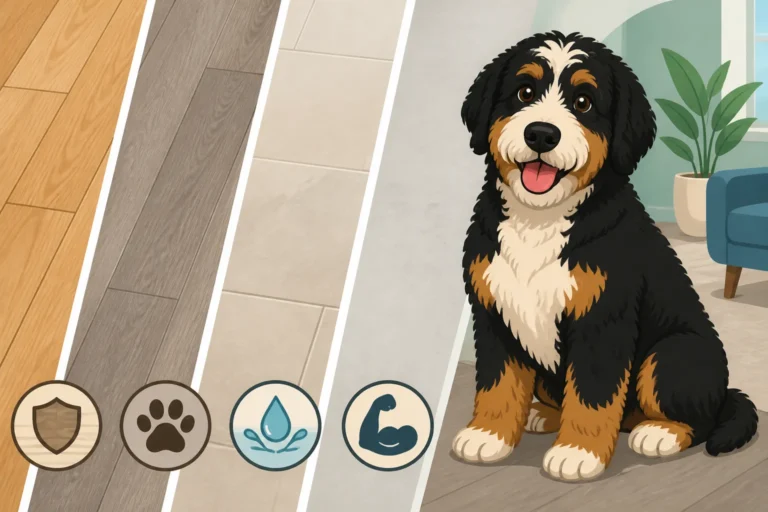
Your home environment can be a silent contributor to joint stress, or it can be a sanctuary for healthy development. Slippery floors, in particular, pose a significant risk to growing Bernedoodles. Imagine a large, gangly puppy trying to gain purchase on a slick surface – their legs splay, their hips twist, and their elbows take the brunt of repeated slips. This can contribute to laxity in joints and worsen conditions like dysplasia. Covering hard, slippery floors with rugs, runners, or carpet can provide much-needed traction and reduce the risk of accidental slips and falls.
Another major consideration is jumping. Whether it’s jumping off the couch, leaping out of a car, or scaling stairs repeatedly, these high-impact actions place immense concussive forces on developing joints. For a young Bernedoodle, preventing these jumps is key. Consider using dog ramps or steps to help them access furniture or get in and out of vehicles. This not only protects their joints but also teaches them safer habits from a young age. While it might seem like a lot of effort, instilling these practices early can prevent a lifetime of pain and expensive veterinary bills. It’s about creating a safe, joint-conscious world for your growing companion. Whether Jumping Off Furniture Hurts a Bernedoodle expands on this important environmental modification.
The Role of Veterinary Care and Breeder Practices
While daily care and nutrition are vital, you’re not alone in managing your Bernedoodle’s joint health. Your veterinarian is your primary partner, and a responsible breeder is your first line of defense against inherited conditions. Understanding their roles and what to expect from them is fundamental to a proactive approach.
Early Screening and Diagnostic Tools
Regular veterinary check-ups are essential, especially during your Bernedoodle's rapid growth phase. Your vet will perform physical examinations, checking for any signs of discomfort, abnormal gait, or joint laxity. Don't hesitate to voice any concerns you have, even if they seem minor. Remember, subtle limping or stiffness can be early indicators.
If a joint issue is suspected, your vet might recommend diagnostic imaging, most commonly X-rays. For conditions like hip and elbow dysplasia, specific views can reveal the degree of joint laxity or malformation. While official OFA (Orthopedic Foundation for Animals) or PennHIP certifications are typically done once a dog is fully grown (usually around 24 months for hips and 12-24 months for elbows, depending on the test), preliminary X-rays can sometimes be taken earlier if there are strong concerns about pain or mobility. These early diagnostics allow for timely intervention, which can include pain management, physical therapy, or, in some cases, surgical options that are more effective when performed on younger, still-developing dogs. Catching an issue early can dramatically improve your Bernedoodle’s quality of life.
Responsible Breeding: Health Clearances and Pedigree Awareness
Before you even bring your Bernedoodle home, the breeder you choose has the most significant impact on your puppy’s genetic predisposition to joint issues. A responsible breeder will meticulously health test their breeding stock for relevant genetic and orthopedic conditions, particularly hip and elbow dysplasia, which are prevalent in Bernese Mountain Dogs. This means that both parent dogs should have verifiable OFA or PennHIP clearances, indicating healthy hips and elbows, and ideally, their extended pedigrees should show generations of sound joint health.
Don't be shy about asking your breeder for proof of these clearances. They should be transparent and willing to provide registration numbers that you can verify online through the OFA database. This isn't just a piece of paper; it's tangible evidence that they are actively trying to reduce the risk of passing on these debilitating conditions to their puppies. While no guarantee is absolute – genetics are complex – choosing a puppy from thoroughly health-tested parents significantly stacks the odds in your favor. Conversely, a breeder who shrugs off health testing or claims "hybrid vigor" makes it unnecessary is a red flag. Educate yourself on what to look for; Asking a Breeder About Cancer in the Bernese Line (and similarly for joint issues) is a crucial conversation to have.
Making an Informed Decision: Is Early Joint Support Right for Your Bernedoodle?
So, after considering genetics, growth, nutrition, and environmental factors, you're left with the crucial question: should you start early joint support for your Bernedoodle? There’s no single, universally correct answer, as every dog and every family situation is unique. However, by weighing the various aspects, you can make an informed decision that feels right for you and your beloved companion.
Weighing the Pros and Cons of Proactive Supplementation
The decision to provide joint supplements to a young, seemingly healthy Bernedoodle often comes down to a balance of potential benefits versus the financial cost and the philosophical approach to pet care.
Pros of Proactive Supplementation:
- Potential for Prevention/Mitigation: Advocates believe that providing key building blocks like glucosamine and chondroitin early can help maintain healthy cartilage, potentially delaying the onset or reducing the severity of degenerative joint diseases later in life. It's seen as an investment in future mobility.
- Peace of Mind: For many owners, knowing they are doing everything they can to support their Bernedoodle's joints brings a significant sense of reassurance, especially given the breed's predispositions.
- Nutritional Gap Filling: If a dog's diet, even a high-quality one, isn't quite sufficient in these specific compounds, supplements can help fill that gap.
Cons/Considerations of Proactive Supplementation:
- Cost: Joint supplements, particularly high-quality ones, can be an ongoing expense throughout your dog's life.
- Efficacy Debate: While anecdotal evidence is strong for many owners, scientific studies on the effectiveness of these supplements for prevention in healthy young dogs can be mixed or inconclusive. Some argue that evidence is stronger for managing existing arthritis.
- "Fixing" What Isn't Broken: Some veterinarians prefer to reserve supplementation for when there are actual signs of joint discomfort or confirmed orthopedic issues, believing that a balanced diet and proper exercise are sufficient for a healthy puppy.
- Quality Variation: Not all supplements are created equal. The market is unregulated, and product quality, potency, and absorption can vary widely, making it crucial to choose a reputable brand, often with veterinary recommendations.
Ultimately, discussing this with your vet, considering your Bernedoodle's specific genetic background (i.e., known joint issues in their pedigree), and observing their individual growth and activity levels will guide your choice. Whether Joint Supplements Help a Bernedoodle explores this topic in greater depth.
A Holistic Approach: Combining Diet, Exercise, and Monitoring
Instead of focusing solely on one aspect, the most effective strategy for your Bernedoodle's joint health is a holistic one that integrates multiple layers of care. No single supplement or intervention acts as a miracle cure; rather, it's the synergy of responsible choices that yields the best results.
This holistic approach means:
- Optimal Nutrition: Feeding a high-quality, large breed specific puppy food for the appropriate duration, ensuring controlled growth and balanced nutrients.
- Controlled Exercise: Adhering to guidelines like the "five-minute rule," avoiding high-impact activities, and focusing on building muscle through low-impact means during puppyhood.
- Joint-Friendly Environment: Mitigating risks from slippery floors and preventing jumps from heights, utilizing ramps and rugs where necessary.
- Regular Veterinary Check-ups: Consistent monitoring by a professional who can spot subtle signs of joint issues early and advise on appropriate interventions, including preliminary X-rays if warranted.
- Informed Breeding Choices: Starting with a puppy from health-tested parents to minimize genetic predispositions.
- Thoughtful Supplementation (if desired): If you choose to supplement, do so under veterinary guidance, using reputable products that contain ingredients like glucosamine, chondroitin, and omega-3s, which are widely recognized for their joint support benefits.
By weaving these elements together, you create a robust support system for your Bernedoodle’s developing joints, maximizing their chances for a long, comfortable, and active life. It's a journey, not a sprint, and your consistent dedication to these principles will be the greatest gift you can give your Bernedoodle.
Disclaimer
This article is for general informational purposes only and does not constitute professional advice. Laws, prices and regulations vary by location and change over time. Consult a qualified professional for guidance on your specific situation.