Whether a Bernedoodle Should Live in Texas or Florida
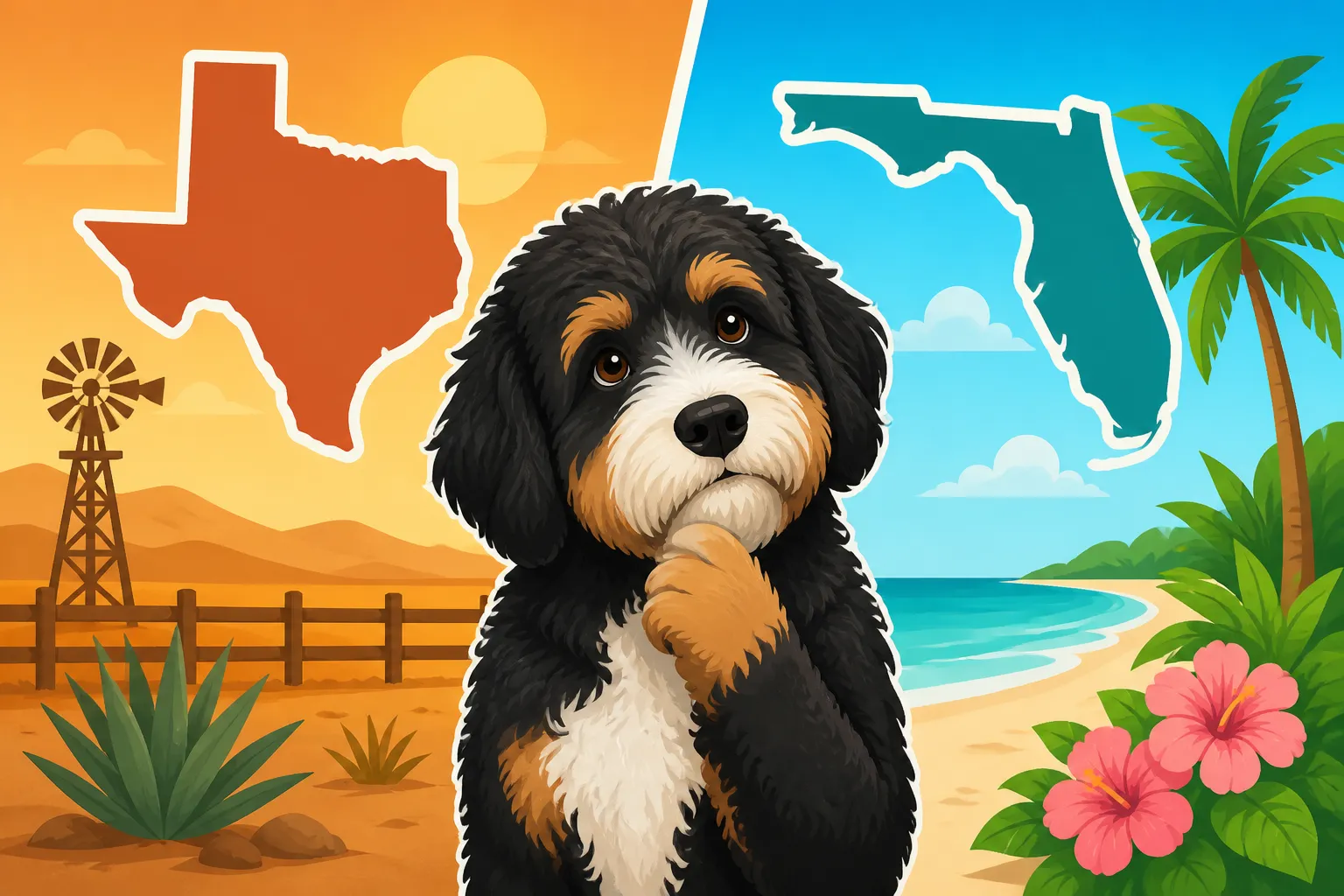
It’s a truly tempting thought, isn't it? Imagining your adorable Bernedoodle frolicking with you under the warm sunshine of Texas or along the beautiful beaches of Florida. But before you pack the car and head south, it’s crucial to take a very realistic look at whether these hot, humid climates are truly suitable for a Bernedoodle. The truth is, while they might adapt, it often comes with significant sacrifices to their comfort, health, and your peace of mind.
Understanding the Bernedoodle's Climate Needs
Bernedoodles are charming, intelligent, and often incredibly goofy dogs, but their lineage tells us a lot about where they thrive best. It's a blend of the sturdy Bernese Mountain Dog, built for the cold Alps, and the Poodle, a water retriever whose coat also provides insulation. This combination, while wonderful in many ways, isn't inherently designed for year-round warmth and high humidity.
The Bernedoodle's Double Coat and Its Purpose
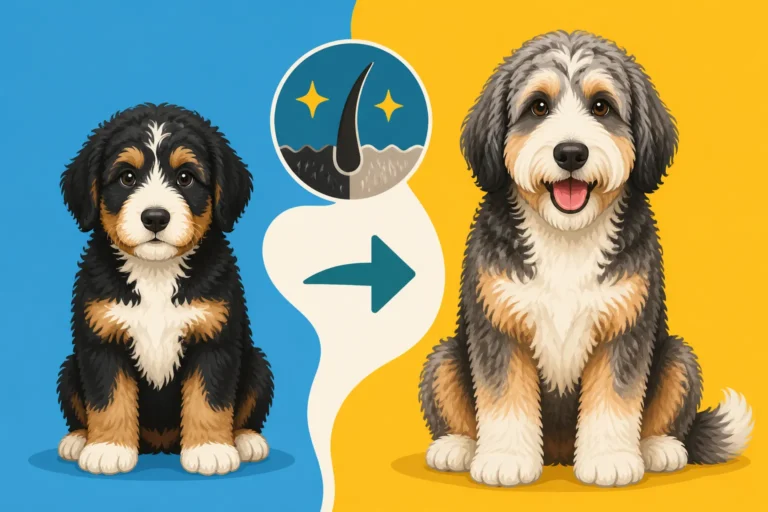
Let's talk about that magnificent Bernedoodle coat. While many hope for the Poodle's non-shedding qualities, the Bernese Mountain Dog contributes a dense, thick double coat. This coat is genetically engineered for severe cold. The soft, fluffy undercoat provides insulation, trapping warm air close to the body, while the coarser, longer outer coat offers protection from snow and rain. When you bring this kind of coat to a hot climate, it essentially becomes a heavy winter parka in the middle of summer. This is why you'll often hear discussions around The Coat a Bernedoodle Gets From Two Heavy Coated Parents. Even if your Bernedoodle has more of the Poodle's curl, that density still acts as a heat trap in high temperatures.
Imagine wearing a thick wool sweater on a hot summer day; that's essentially how your Bernedoodle feels. Their body struggles to dissipate heat, leading to discomfort and a higher risk of overheating. This isn't just about shedding; it's about the very structure and purpose of their fur.
Poodle Influence on Coat Type and Heat Tolerance
While the Poodle side often reduces shedding, it doesn't necessarily make the Bernedoodle heat-resistant. Poodles have a dense, curly single coat that grows continuously. This coat, while fantastic for keeping them warm in cold water (their original purpose as retrievers), can also trap heat against the skin in warm, humid air.
Depending on the generation and individual genetics, a Bernedoodle might inherit a curlier Poodle-like coat, a wavier blend, or even a straighter Bernese-like coat. Even the curlier, "hypoallergenic" coats can still be quite thick and insulating. They might not shed a ton of fur around your house, but that dense layer still needs careful management to prevent overheating. Think of it as a tightly woven blanket that still holds heat, rather than a light, breathable fabric. The type of coat your Bernedoodle has will influence how quickly they might get hot, but none are truly immune to the dangers of extreme heat.
The Bernese Predisposition to Heat Stress
The Bernese Mountain Dog is known for its exquisite appearance and gentle nature, but also for its profound intolerance to heat. They are a brachycephalic-adjacent breed, meaning they don't have extremely flat faces, but their respiratory systems are not designed for efficient cooling in high temperatures. This trait carries over to varying degrees in Bernedoodles.
This predisposition means that even with a Poodle's genetic input, many Bernedoodles will struggle immensely in temperatures that other breeds might find merely warm. Their large size, thick coat, and respiratory limitations combine to make them particularly vulnerable. It's not just discomfort; it's a serious health risk that can escalate rapidly. This is a primary reason why you must understand whether a Bernedoodle cannot cope with heat.
The Realities of Living in Hot Climates Like Texas and Florida
So, what does this actually look like day-to-day if you choose to bring a Bernedoodle to a place like Texas or Florida? It means making significant concessions and changes to your lifestyle, and potentially accepting a dog that spends a good portion of its life in forced confinement to air conditioning.
Navigating High Temperatures and Humidity
Texas summers are long, with triple-digit temperatures common in many areas, and humidity often adds to the oppressive feeling. Florida is notorious for its relentless heat and near-constant high humidity, which makes it even harder for dogs to cool down through panting. Evaporative cooling (panting) becomes less effective when the air is already saturated with moisture. These aren't just a few hot weeks; these are months of intense, potentially dangerous conditions for your dog.
Imagine walking outside and feeling like you've hit a wall of heat and moisture. Your Bernedoodle feels that, but magnified by their natural insulation. What seems like a pleasant evening walk to you could still be dangerously warm for them. It requires constant vigilance and a profound understanding of the risks involved. It also means you need to be very aware of The Temperature a Bernedoodle Should Not Be Walked In.
Daily Life Adjustments and Limitations
Living in these climates with a Bernedoodle means a drastically altered daily routine. Forget spontaneous midday park trips or long afternoon walks. Their outdoor time will be severely restricted to the coolest parts of the day – often pre-dawn and late evening. Even then, exercise might need to be shorter and less intense than what a typical Bernedoodle needs.
This can be incredibly frustrating for an active breed that loves to be outdoors and socialize. A Bernedoodle thrives on mental and physical stimulation, and constant indoor living can lead to boredom, destructive behaviors, or anxiety. You might find yourself constantly negotiating with their natural instincts, trying to keep them comfortable while also trying to keep them happy and entertained. It's a delicate balance, and one that many owners find incredibly challenging to maintain year after year.
| Aspect of Life | Bernedoodle's Ideal Climate | Texas/Florida Summer Reality |
|---|---|---|
| Outdoor Temperature | 40-70°F (4-21°C) | 80-100+°F (27-38+°C) |
| Humidity | Low to Moderate | High to Very High |
| Exercise Time | Ample throughout day | Restricted to early morning/late evening |
| Pavement Temperature | Cool, comfortable | Can exceed 120°F (49°C), causing burns |
| Cooling Method | Efficient panting, coat regulation | Inefficient panting, coat acts as trap |
| Risk of Heatstroke | Low with proper care | High, even with extreme caution |
| Quality of Life | Active, varied outdoor experiences | Largely indoor, monitored outings |
Increased Health Risks and Vet Bills
The biggest, most heartbreaking reality of bringing a Bernedoodle to a hot climate is the heightened risk to their health. Heatstroke is a very real and often fatal danger. It can happen quickly and without much warning, especially in a dog already predisposed to overheating. Signs of Heatstroke in a Bernedoodle can escalate from excessive panting to lethargy, vomiting, diarrhea, seizures, and organ failure in a shockingly short period.
Beyond immediate heatstroke, prolonged exposure to heat can lead to chronic issues. Their thick coats are also prone to developing skin infections and hot spots in humid environments if not meticulously groomed, adding to discomfort and vet visits. You'll likely find yourself at the vet more often for heat-related concerns, from dehydration to more serious emergencies. This translates to increased emotional stress and significant financial costs. Investing in emergency funds or good pet insurance that covers such incidents becomes not just a good idea, but an absolute necessity.
Essential Strategies for Bernedoodle Owners in Hot Regions
If you are already in a hot climate, or are determined to make it work, there are strategies you absolutely must implement to keep your Bernedoodle as safe and comfortable as possible. These aren't suggestions; they are non-negotiable necessities.
Creating a Cool and Safe Indoor Environment
Your air conditioner will become your Bernedoodle’s best friend, and probably your most significant utility expense. The indoor environment must be consistently cool and comfortable. This often means running the A/C even when you might not personally feel the need for it. You need to ensure Whether Air Conditioning Is Necessary for a Bernedoodle.
Beyond just temperature, consider other cooling aids. Cooling mats, which contain a gel that activates with pressure, can be a godsend for dogs trying to escape the heat. You can find excellent options on Amazon or Chewy. Keep fresh, cool water available at all times, in multiple locations. Consider adding ice cubes to their water or using a pet fountain to encourage drinking. Some owners even invest in small kiddie pools for their dogs to splash in, provided it's in a shaded area and the water is kept clean.
Adapting Outdoor Activities and Exercise
This is where the biggest lifestyle change comes in. Long daytime walks are out of the question for most of the year. Your dog's exercise schedule will need to shift dramatically.
- Early Mornings: Aim for walks as the sun is just rising, before the pavement has had a chance to heat up.
- Late Evenings: Wait until well after sunset, when temperatures have dropped significantly and the ground has cooled.
- Pavement Checks: Always, always, always check the pavement with your hand. If it’s too hot for your bare hand for five seconds, it’s too hot for your Bernedoodle's paws. Whether Pavement Burns a Bernedoodle's Pads is a real concern.
- Short and Sweet: Keep outdoor exercise sessions brief and focused. Instead of a long walk, maybe a quick potty break followed by indoor enrichment.
- Water Breaks: Bring water with you and offer it frequently.
- Avoid Peak Heat: Between roughly 10 AM and 6 PM, your Bernedoodle should be indoors in the air conditioning. This directly relates to When to Walk a Bernedoodle in Summer.
- No Cars: Never, ever leave your Bernedoodle in a parked car, even for a few minutes with the windows cracked. The temperature inside a car can skyrocket to fatal levels in minutes.
For their essential The Exercise a Standard Bernedoodle Needs Daily, you'll need to get creative. Consider indoor games, puzzle toys, and training sessions to provide mental stimulation. A dog walker or daycare specializing in climate-controlled environments might also be an option for when you're at work.
Grooming for Heat Management
Proper grooming becomes even more critical in hot, humid climates. While a common misconception is that shaving a Bernedoodle will keep them cool, it's not always the best solution. Whether a Shaved Bernedoodle Handles Heat Better is a nuanced discussion. Shaving down to the skin can actually expose their delicate skin to sunburn and make it harder for their bodies to regulate temperature, as their coat offers some insulation against the sun's rays.
Instead, regular brushing is paramount to remove loose undercoat and prevent matting, which further traps heat. Line brushing several times a week, getting all the way down to the skin, will help their coat breathe. A professional groomer who understands double coats can help maintain a shorter, manageable clip that leaves enough coat for protection while reducing bulk. Regular bathing with appropriate shampoo and thorough drying is also crucial to prevent skin issues in humid conditions. Make sure to use quality grooming tools, many of which are available through Chewy.
Monitoring for Signs of Heat Stress
You need to become an expert at recognizing the early signs of heat stress. Vigilance is key to preventing a medical emergency. Keep a close eye on your Bernedoodle for any of the following:
- Excessive Panting: Much heavier and faster than normal, and may not subside even when resting.
- Bright Red Gums: A sign of increased blood flow trying to cool the body.
- Dark Red or Purple Tongue: Indicates poor oxygenation.
- Drooling: Thick, ropey saliva.
- Lethargy or Weakness: Unwillingness to move, stumbling, or collapsing.
- Vomiting or Diarrhea: Can be signs of internal distress.
- Dizziness or Disorientation: Staring blankly, bumping into things.
- Wobbling or Stumbling: Loss of coordination.
- Seizures: A critical emergency sign.
If you suspect heatstroke, act immediately: get them to a cooler environment, apply cool (not ice cold) water to their belly, armpits, and paw pads, and get to an emergency vet immediately. Even if they seem to recover, a vet check is essential to rule out internal damage. You should also know how to provide Cooling a Bernedoodle Down Safely while en route to the vet.
Is It Truly Fair to Your Bernedoodle?
This is the question every prospective Bernedoodle owner in a hot climate needs to ask themselves honestly. It’s not just about what you can do, but what’s truly best for the dog.
Quality of Life Considerations
While it's theoretically possible to keep a Bernedoodle alive in Texas or Florida, what kind of life are you truly offering them? A life largely confined indoors, with severely restricted outdoor enjoyment, constant monitoring, and the ever-present threat of heatstroke? For a dog breed that thrives on outdoor adventure, companionship, and plenty of exercise, this can lead to a less enriched, less joyful existence.
Dogs are resilient and will adapt to their circumstances, but that doesn't mean it's ideal. Consider if you're prepared for the long-term commitment of managing their heat intolerance, the potential health problems, and the impact on your own lifestyle. It's a significant burden to place on both you and your beloved pet. High-quality food can help maintain their overall health, and brands like Ollie offer fresh food options that can be appealing, but diet alone won't solve heat stress.
Alternatives for Warm Climate Dwellers
If you live in Texas or Florida and your heart is set on a canine companion, but a Bernedoodle’s needs seem overwhelming, consider breeds that are naturally better suited to warmer climates. Breeds with shorter coats, less dense undercoats, or smaller sizes tend to handle heat more efficiently. For instance, many Poodle varieties, short-haired retrievers, or smaller companion breeds might be a much more comfortable and healthier fit for your lifestyle in a hot environment.
Ultimately, choosing a dog that thrives in your climate means both you and your furry family member can enjoy a happier, healthier, and more active life together, free from the constant worry of overheating.
Disclaimer
This article is for general informational purposes only and does not constitute professional advice. Laws, prices and regulations vary by location and change over time. Consult a qualified professional for guidance on your specific situation.