Whether a Bernedoodle Has a Sensitive Stomach
One of the most common worries I hear from fellow Bernedoodle parents revolves around their dog's tummy. It seems like a lot of us have experienced that dreaded sudden bout of diarrhea, or endless picky eating, leaving us wondering if our beloved Bernedoodle just has a naturally sensitive stomach. It's a frustrating situation, especially when you're trying to do everything right for their health and happiness. This guide is here to shed some light on why your Bernedoodle might be experiencing digestive issues and how you can support their sensitive system.
Understanding "Sensitive Stomach" in Bernedoodles
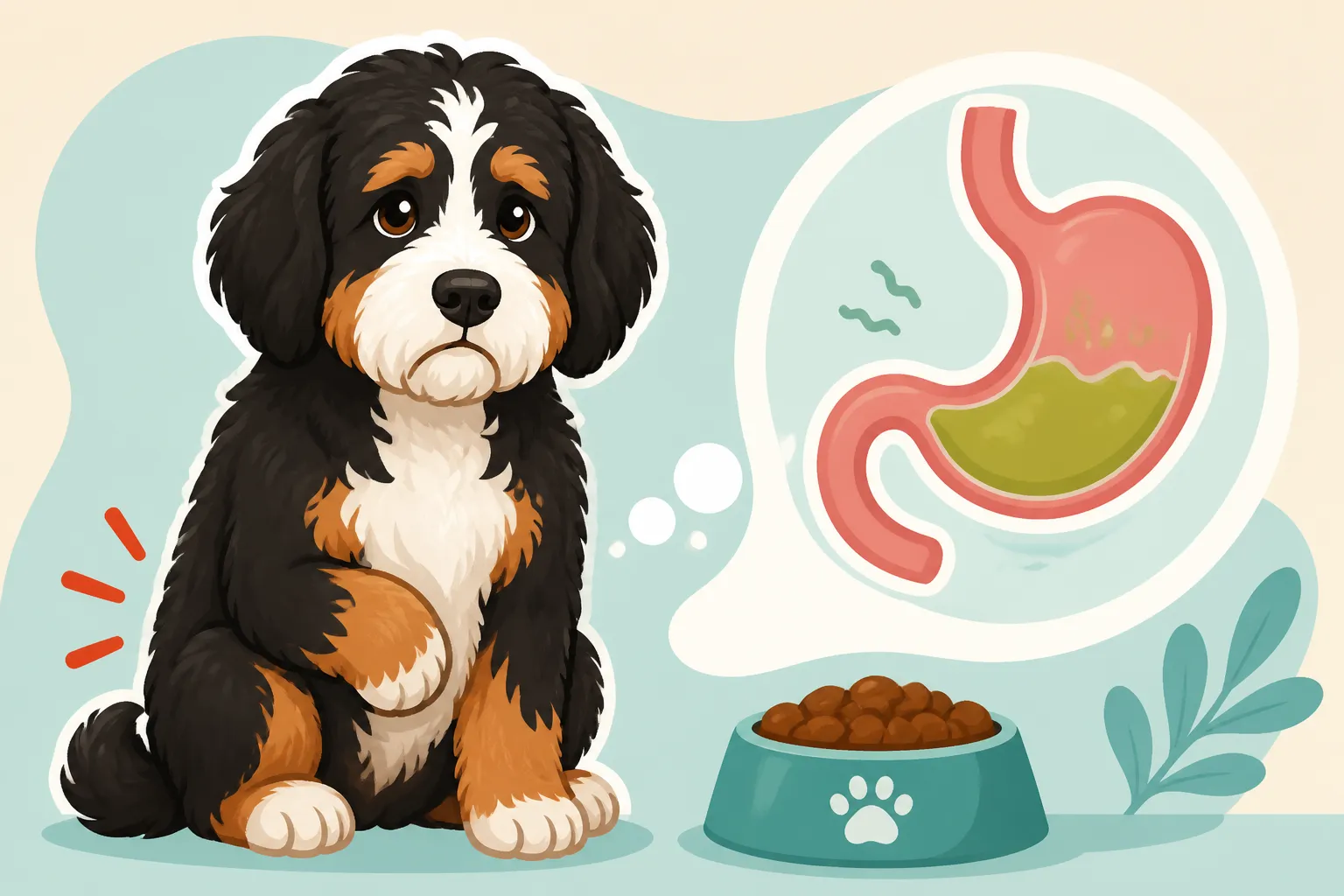
When we talk about a "sensitive stomach" in our Bernedoodles, it's not always a formal diagnosis from a vet. More often, it's an umbrella term we use to describe a range of digestive discomforts that aren't severe enough to be an emergency but are certainly disruptive and concerning. You know the drill: one day they're fine, the next they're refusing their food or having an upset tummy that clears up on its own, only to reappear a few weeks later. This kind of unpredictability is what drives us crazy!
The reality is, Bernedoodles, being a crossbreed of Bernese Mountain Dogs and Poodles, can inherit predispositions from both sides of their family tree. Poodles, particularly Standard Poodles, can be prone to certain gastrointestinal issues, and while Bernese Mountain Dogs are generally robust, they aren't immune to digestive woes either. This genetic lottery means some Bernedoodles will sail through life with an iron gut, while others will require a bit more careful management of their diet and environment. It's not necessarily a guarantee that your Bernedoodle will have a sensitive stomach, but it's certainly a possibility many owners encounter.
What a Sensitive Stomach Looks Like
Identifying a sensitive stomach isn't always as simple as a sudden bout of vomiting. Often, the signs are more subtle, creeping up on you until you realize there's a pattern. One day, your sweet pup might seem a little off, maybe not as enthusiastic about breakfast as usual, and then the real symptoms start.
- Loose Stool or Diarrhea: This is probably the most common and alarming sign. It can range from soft, unformed stools to full-blown liquid diarrhea. Sometimes it's a one-off, other times it can last for a day or two, making you constantly worry about dehydration or a more serious underlying issue.
- Vomiting: Similar to diarrhea, occasional vomiting can be a sign. It might be after eating something they shouldn't have, or it could be seemingly random. If it's frequent, especially multiple times a day or over several days, that's a red flag.
- Reduced Appetite or Picky Eating: Your Bernedoodle, who usually devours their meals, suddenly turns their nose up at their food. They might eat a little, then walk away, or refuse it entirely. This can be frustrating, especially when you've invested in a quality food you thought they'd love.
- Frequent Gas or Bloating: A gassy Bernedoodle isn't just unpleasant for you; it can be a sign of digestive distress for them. Excessive gas, rumbling stomachs (borborygmi), or a visibly bloated abdomen can indicate that their system isn't processing food efficiently. If you see signs of bloating, especially coupled with unproductive retching, it's critical to act fast, as this can be a symptom of Bloat in a Standard Bernedoodle's Deep Chest, a life-threatening condition.
- Lethargy or Discomfort: When their stomach is upset, your Bernedoodle might just not feel well. They might be less active, sleep more, or seem generally subdued. You might notice them stretching a lot, posturing as if in pain, or showing tenderness if you touch their abdomen. It's heartbreaking to see them uncomfortable.
Common Triggers for Digestive Upset
Understanding what sets off your Bernedoodle's sensitive stomach is half the battle. It's rarely just one thing, and often a combination of factors can contribute. Think of yourself: sometimes it’s that extra spicy meal, other times it’s stress, or maybe you just ate too quickly. Dogs are no different.
One of the biggest culprits is a sudden change in diet. Our Bernedoodles thrive on consistency. Introducing a new food too quickly, or even a new brand of treats, can send their digestive system into a tailspin. We've all been there – you run out of their usual kibble, grab a different bag at the store, and suddenly your perfectly healthy pup is having bathroom issues. It's a harsh lesson learned! Even just switching protein sources can be enough for some sensitive pups.
Beyond food changes, environmental factors play a huge role. Stress, for example, can manifest physically in a dog's gut. A new puppy in the house, a move, a change in your work schedule, or even a scary thunderstorm can contribute to an upset stomach. Whether a Bernedoodle Suffers Separation Anxiety can also be a significant trigger for stress-related digestive issues. Furthermore, those sneaky counter-surfing habits or scavenging during walks are notorious triggers. Eating something spoiled from the trash, too much grass, or even just some leaves in the yard can lead to digestive upset. And let's not forget the well-meaning relative who slips them a piece of leftover steak under the table – human food, especially rich or fatty items, can wreak havoc on a dog's system. Knowing The Foods That Are Dangerous to a Bernedoodle is crucial for preventing accidental ingestion.
Even seemingly minor things can be triggers. Some Bernedoodles might react to certain common ingredients in commercial dog foods, like specific grains, chicken, or beef. Others might have issues with artificial colors, flavors, or preservatives. It truly becomes a detective game trying to pinpoint the exact cause for your unique pup.
Dietary Approaches for a Bernedoodle with a Sensitive Stomach
Once you suspect your Bernedoodle has a sensitive stomach, the most impactful change you can make is to their diet. This isn't about finding a magic bullet, but rather creating a consistent, gentle, and nourishing feeding routine that supports their digestive health. It might take some trial and error, but patience and careful observation will be your best allies.
Many owners feel overwhelmed by the sheer number of dog food options out there. Grain-free, limited ingredient, raw, fresh-cooked – where do you even begin? My advice is always to start simple and, if possible, work with your vet. They can help rule out any underlying medical conditions and guide you towards appropriate dietary choices.
Choosing the Right Food
When selecting a food for a Bernedoodle with a sensitive stomach, there are several avenues you can explore. The goal is to find something easily digestible that doesn't trigger their specific sensitivities.
- Limited Ingredient Diets (LID): These foods are designed with minimal ingredients to reduce the chances of encountering an allergen or irritant. They typically feature a single novel protein source (like duck, venison, or lamb) and one carbohydrate source (like sweet potato or peas). If you suspect a specific protein or grain is causing issues, an LID can be a great diagnostic tool. Many reputable brands offer excellent LID options.
- Hydrolyzed Protein Diets: These are prescription diets where the proteins have been broken down into such small components that the dog's immune system doesn't recognize them as allergens. This is often recommended by vets for severe food allergies or inflammatory bowel disease (IBD).
- Novel Protein Diets: Similar to LIDs, these focus on proteins your dog hasn't eaten before. If your Bernedoodle has been on chicken or beef-based foods their whole life, switching to fish or rabbit might circumvent existing sensitivities.
- Fresh-Cooked or Raw Diets: Some owners find success with fresh-cooked or raw diets, like those offered by services like Ollie, believing that less processed ingredients are easier for their dog's system to handle. These diets often allow for greater control over individual ingredients, which can be helpful if you're trying to eliminate specific triggers. However, these diets require careful balancing to ensure your Bernedoodle is getting all the necessary nutrients, so consulting a veterinary nutritionist is highly recommended.
- High-Quality Commercial Kibble for Sensitive Stomachs: Many mainstream brands, available on platforms like Chewy or Amazon, now offer specific formulas for sensitive digestion. These often include prebiotics, probiotics, and easily digestible ingredients like rice or oatmeal. Look for foods that are clearly labeled for "sensitive stomachs" or "digestive health."
When you do choose a new food, remember the golden rule: introduce it slowly. Over a period of 7-10 days, gradually mix the new food with their old food, increasing the proportion of the new food each day. This gives their digestive system time to adjust without shock. It's also important to stick to a consistent feeding schedule and measure portions carefully. Overfeeding can certainly contribute to digestive upset, and understanding The Daily Cups a Standard Bernedoodle Needs or How Much Food a Bernedoodle Puppy Needs at Four Months is vital. Trying to free-feed a Bernedoodle, as discussed in Whether a Bernedoodle Can Be Free Fed, can make it harder to monitor their intake and can exacerbate sensitive stomach issues.
Supplementation and Support
Beyond the main meal, certain supplements can lend a helping hand to a sensitive Bernedoodle stomach. These aren't cures, but they can support gut health and ease discomfort.
- Probiotics: These are beneficial bacteria that help maintain a healthy balance in the gut microbiome. A balanced gut is better equipped to digest food and fight off harmful bacteria. You can find probiotics specifically formulated for dogs in powder, chew, or capsule form. Some dog foods even have probiotics added.
- Prebiotics: These are non-digestible fibers that act as food for the beneficial bacteria (probiotics) in the gut. They help these good bacteria thrive. Many sensitive stomach dog foods already contain prebiotics like FOS (fructooligosaccharides) or MOS (mannan-oligosaccharides).
- Digestive Enzymes: For some Bernedoodles, the issue might be a lack of sufficient digestive enzymes to break down their food properly. Supplements containing enzymes like amylase, protease, and lipase can aid in the digestion of carbohydrates, proteins, and fats.
- Fiber Supplements: Depending on the type of digestive upset, fiber can be incredibly helpful. Soluble fiber (like psyllium husk) can help firm up loose stools, while insoluble fiber can promote regularity. However, too much fiber or the wrong type can sometimes make things worse, so always introduce slowly and consult your vet.
- Omega-3 Fatty Acids: Often found in fish oil, these anti-inflammatory fatty acids can help soothe an irritated digestive tract. They also contribute to healthy skin and coat. While beneficial, it's worth noting that concerns about Whether Grain Free Diets Threaten a Bernedoodle's Heart are separate from general Omega-3 supplementation, but it's always good to be informed about diet as a whole.
- Joint Supplements: While not directly for the stomach, many large breeds like Bernedoodles benefit from joint support. If your Bernedoodle has a sensitive stomach and joint issues, it's worth considering Whether a Bernedoodle Needs Joint Supplements From Young – ensuring any joint supplement doesn't upset their tummy.
When adding any new supplement, introduce it one at a time and observe your Bernedoodle for any changes. What helps one dog might not help another, and sometimes, a supplement can even cause new issues. Always discuss supplementation with your veterinarian, especially if your Bernedoodle has other health conditions.
Management and Prevention Strategies
Living with a Bernedoodle that has a sensitive stomach means being proactive, not just reactive. It's about setting up their environment and routine to minimize triggers and support their overall well-being. This comprehensive approach will give your furry friend the best chance at a comfortable, happy life.
Consistency is key, not just in their diet, but in their daily routine. Dogs thrive on predictability, and knowing what to expect can reduce stress, which, as we've discussed, can impact digestion.
Environmental Factors and Stress
Beyond food, the world around your Bernedoodle can play a significant role in their digestive health. Stress is a huge one, and it's often underestimated.
- Minimizing Stress: Bernedoodles are generally sensitive, empathetic dogs. Changes in routine, loud noises, new pets, or even just feeling neglected can cause them anxiety, which can manifest as digestive upset. Create a calm, predictable environment. Ensure they have a quiet, safe space (like their crate or bed) where they can retreat. If you know a stressful event is coming (like guests arriving or fireworks), try to pre-emptively manage their anxiety. Regular, gentle exercise and consistent training can also help build their confidence and reduce overall stress.
- Controlled Access to "Forbidden" Foods: This is a big one. No matter how much you try to control their diet, if they're constantly sneaking scraps off the floor, raiding the trash, or "grazing" on questionable items in the yard, their sensitive stomach will suffer. Child-proof latches on cabinets, a sturdy trash can with a lid, and diligent supervision during walks are essential. Teach them a strong "leave it" command – it's a lifesaver! Remember, those seemingly harmless table scraps, even Low Calorie Treats for a Bernedoodle Watching Its Weight, can sometimes be problematic if they're not part of their regular diet.
- Regular, Moderate Exercise: While too much strenuous activity right after eating can sometimes cause issues, consistent moderate exercise helps keep their digestive system moving smoothly. A couple of good walks a day, or some playtime in the yard, can contribute to overall health and reduce stress. Just make sure you're mindful of their age and size, ensuring they get appropriate exercise without overdoing it, especially when considering Keeping a Standard Bernedoodle Sound Past Ten as they age.
- Hydration: Always ensure your Bernedoodle has access to fresh, clean water. Dehydration can exacerbate digestive issues, especially during bouts of diarrhea or vomiting. Sometimes, simply having a water fountain or extra bowls around the house can encourage them to drink more.
When to Seek Veterinary Help
While occasional soft stools or a bit of gas might be "normal" for a sensitive Bernedoodle, there are definitely times when you absolutely need to call your vet. Ignoring severe or persistent symptoms can lead to more serious health problems, and as much as we try to manage things at home, some issues require professional intervention.
You should contact your veterinarian immediately if you notice any of the following:
- Severe or Persistent Vomiting: If your Bernedoodle is vomiting multiple times within a few hours, or continuously for more than 24 hours.
- Severe or Bloody Diarrhea: Diarrhea that is completely liquid, contains fresh blood (bright red streaks), or digested blood (tarry black stools).
- Lethargy, Weakness, or Collapse: If your Bernedoodle seems unusually weak, listless, or can't stand.
- Signs of Bloat: Pacing, drooling, unproductive retching, a distended abdomen, or signs of pain. This is a medical emergency.
- Loss of Appetite for More Than 24 Hours: If they refuse all food for a full day, especially if it's coupled with other symptoms.
- Sudden Weight Loss: Unexplained and rapid weight loss can be a sign of a serious underlying condition.
- Any Signs of Pain or Discomfort: Whining, restlessness, panting, or guarding their abdomen.
For ongoing, milder symptoms, it's still a good idea to schedule a non-emergency vet visit. They can run diagnostics to rule out underlying issues like parasites, bacterial infections, food allergies, inflammatory bowel disease, or even conditions like pancreatitis. In rare but serious cases, persistent digestive issues can even be an early sign of more severe problems like The Cancers That Take Bernedoodles Most Often. Your vet might recommend fecal tests, blood work, imaging, or even dietary trials with prescription foods. Sometimes, the best course of action is simply to have a professional eye on the situation, guiding you through the dietary maze and ensuring your Bernedoodle stays healthy and happy.
| Symptom Category | Mild Signs (Monitor & Manage at Home) | Moderate Signs (Consult Vet Soon) | Severe Signs (Emergency Vet Immediately) |
|---|---|---|---|
| Stool Quality | Occasional soft stool, slight mucus | Loose stools lasting >1 day, persistent mucus | Watery diarrhea, visible blood, black/tarry stools |
| Vomiting | Occasional regurgitation after eating | Vomiting 1-2 times in 24 hours, not eating | Repeated vomiting, unproductive retching |
| Appetite | Slightly less enthusiastic for a meal or two | Refusing food for 12-24 hours | Refusing food for >24 hours, extreme pickiness |
| Energy/Behavior | Slightly quieter than usual, more napping | Noticeable lethargy, withdrawn, mild discomfort | Weakness, collapse, severe pain, disorientation |
| Other | Mild gas, stomach gurgling | Frequent gas, audible stomach sounds, mild bloating | Distended abdomen (bloat concern), fever, pale gums |
This article is for general informational purposes only and does not constitute professional advice. Laws, prices and regulations vary by location and change over time. Consult a qualified professional for guidance on your specific situation.