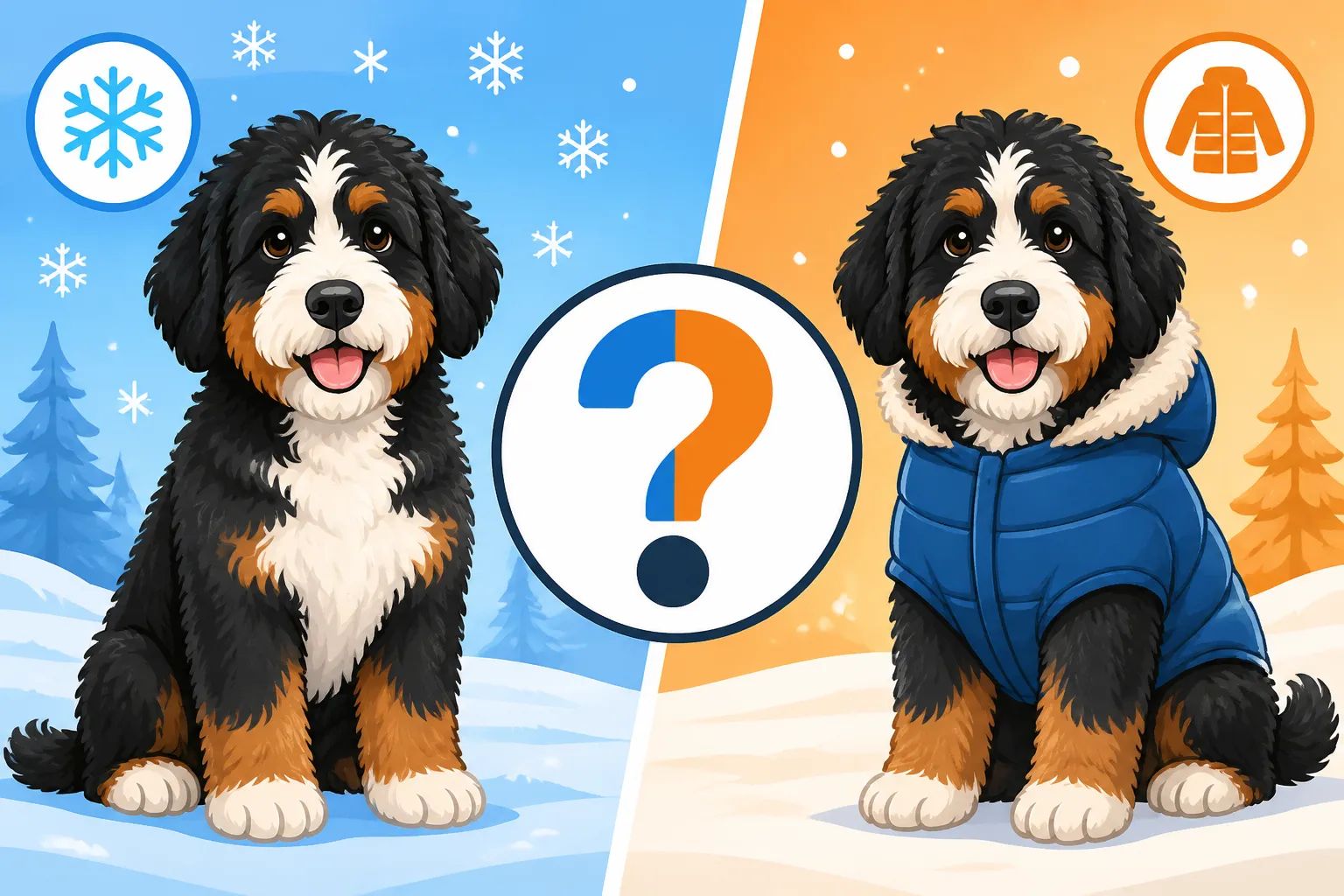
Whether a Bernedoodle Needs a Coat in Winter
It’s a common winter morning scenario for Bernedoodle parents: you look outside at the crisp, cold air, then down at your big, fluffy companion, and wonder, "Do they really need a coat?" With their luxurious, often thick and seemingly insulating fur, it can feel counterintuitive to bundle them up, yet we worry endlessly about our furry family members being too cold. This guide aims to clear up that confusion, diving deep into whether your Bernedoodle needs a winter coat, considering everything from their unique genetics to their individual lifestyle.
Understanding the Bernedoodle's Natural Winter Protection
Bernedoodles inherit a fascinating mix of traits from their Bernese Mountain Dog and Poodle parents, and their coat is a prime example of this genetic lottery. While many envision a thick, fluffy coat, the reality is there's a spectrum, and this impacts their natural insulation against winter's chill. It's not a one-size-fits-all answer, and understanding your specific dog's coat is the first step in deciding on winter wear.
The Bernese Influence: Built for Cold
The Bernese Mountain Dog side of your Bernedoodle’s family tree is definitely designed for winter. Originating in the snowy Swiss Alps, Bernese Mountain Dogs boast a dense, double coat that provides exceptional insulation. This coat consists of a longer outer layer that repels water and snow, and a thick, woolly undercoat that traps warm air close to their body. They thrive in cold weather, and a quick romp in the snow is often their idea of a good time. Many Bernedoodles inherit a significant portion of this cold-weather resilience, especially those with a heavier, denser coat.
However, it's not a guarantee. Some Bernedoodles get a coat that's more poodle-like or a blend that doesn't quite achieve the full Bernese double-coat density. This means they might not have the same inherent protection their Bernese ancestors did, leaving them more susceptible to cold. It’s crucial to feel their coat, not just look at it; a dense, thick coat, particularly with noticeable undercoat, offers more warmth. You can learn more about The Coat a Bernedoodle Gets From Two Heavy Coated Parents.
The Poodle Influence: Variable Protection
Poodles, while often perceived as delicate, actually have a single, dense, curly coat that offers surprisingly good protection against the elements, especially when kept at a moderate length. This curly coat can shed water effectively and trap air, providing insulation. However, it's a single coat, meaning it lacks the thick underlayer of a Bernese. When a Bernedoodle inherits a more Poodle-dominant coat, it tends to be curlier and might be less dense than a Bernese coat, especially if it's clipped short.
For Bernedoodles with The Curly Coat Bernedoodle and Its Upkeep, their natural protection might be quite good if the coat is maintained at a longer, shaggy length. But if you prefer a shorter clip, or if their curls are very open rather than tight and dense, their natural insulation is significantly reduced. This is where the "designer dog" aspect of the Bernedoodle comes in – the consistency of traits like coat type isn't as predictable as with a purebred, making individual assessment key.
Common Bernedoodle Coat Types and Cold Tolerance
Most Bernedoodles land somewhere in the middle of their parent breeds, typically sporting a wavy or curly coat. A wavy coat, often described as the "ideal" Bernedoodle coat, can offer a good balance of weather resistance and warmth, especially if it's thick. It might still have some undercoat from the Bernese side, giving it extra bulk. The Wavy Coat Most Bernedoodles Carry can vary greatly in density and texture.
On the other hand, some Bernedoodles have a straighter coat, which tends to shed more, like the Bernese, but might not have the full insulation unless it’s very dense. Conversely, a very tight, dense Poodle-like curl might actually offer better cold protection than a sparse wavy coat. It's important to remember that a matted coat, regardless of type, loses its insulating properties, as the mats prevent air circulation and trap cold, dampness. Regular grooming is always essential, especially in winter, to keep their natural insulation working as it should.
Individual Factors Influencing Winter Coat Needs
Beyond their genetics, many individual factors play a significant role in how well your Bernedoodle tolerates cold and whether they truly need a winter coat. Thinking about your dog's unique situation will help you make the best decision for their comfort and safety.
Size and Age of Your Bernedoodle
It might seem obvious, but smaller Bernedoodles, like Mini or Tiny Bernedoodles, generally feel the cold more acutely than their Standard counterparts. They have less body mass relative to their surface area, meaning they lose heat more quickly. A tiny Bernedoodle under twenty-five pounds is going to shiver long before a ninety-pound standard Bernedoodle even notices a chill. If you have a smaller Bernedoodle, a coat is almost always a good idea when temperatures drop significantly or if they'll be outside for more than a quick potty break.
Age also plays a huge part. Puppies, especially very young ones, haven't fully developed their internal temperature regulation systems and often have thinner coats. They get cold very easily and can be at risk for hypothermia if exposed to cold for too long. Similarly, senior Bernedoodles, especially those Caring for a Bernedoodle Past Eight or dealing with age-related conditions like arthritis, have a harder time maintaining body heat. Their circulation might be less efficient, and their metabolism can slow down, making them more susceptible to the cold. For both very young and very old Bernedoodles, a warm, protective coat is more often a necessity than an option.
Health Conditions and Medications
A Bernedoodle's underlying health can significantly impact their cold tolerance. Dogs with certain medical conditions might have compromised immune systems or circulatory issues that make them feel the cold more readily. For example, a Bernedoodle on certain medications might have a harder time regulating their body temperature. If your dog has a chronic illness, a conversation with your vet about their cold tolerance is definitely in order. They might recommend specific precautions, including wearing a coat, even if your Bernedoodle seems generally robust.
Furthermore, dogs recovering from surgery or those with joint issues like Arthritis in a Bernedoodle at Eight can benefit immensely from a coat. Cold can exacerbate joint pain and stiffness, making movement even more uncomfortable. A warm coat can help keep their muscles and joints supple, easing their discomfort during winter walks. It's about more than just staying warm; it's about maintaining their quality of life.
Activity Level and Duration of Exposure
Think about what your Bernedoodle actually does in the cold. A dog that's constantly moving, running, and playing vigorously generates a lot of internal heat. If your Bernedoodle is engaged in high-energy activities like fetch in a snowy park or The Draft Dog Work a Bernedoodle Can Still Do, they might not need a heavy coat for short bursts, especially if they have a dense, natural coat. However, even active dogs can get cold once they stop moving, or if they are exposed for extended periods.
For leisurely strolls, short potty breaks, or standing around waiting for you (like outside a coffee shop), their activity level is much lower, and heat generation is minimal. In these scenarios, a coat provides essential warmth, preventing them from burning extra calories just to stay warm. The duration of their outdoor time is also critical. A five-minute dash outside is vastly different from a 30-minute walk or an hour at the dog park. For anything beyond a brief bathroom break in truly cold weather, consider a coat.
When a Winter Coat is Truly Necessary for Your Bernedoodle
While Bernedoodles are generally robust, there are definitive signs and scenarios where putting a coat on your furry friend isn't just a nice gesture – it's crucial for their well-being. Knowing these indicators can help you make an informed decision and keep your Bernedoodle safe and comfortable all winter long.
Shivering and Hunching: Clear Signs of Cold
The most obvious sign that your Bernedoodle is cold is shivering. Just like us, dogs shiver to generate heat when their body temperature drops. If you see your Bernedoodle shivering, especially when they're not excited or anxious, it's a clear signal they need more warmth. Another tell-tale sign is hunching their back, tucking their tail, or lifting their paws off the cold ground. These postures are their way of minimizing exposed surface area and trying to conserve heat.
Don't ignore these subtle cues. Many Bernedoodle owners mistake a dog's stoicism for tolerance, but a dog that's clearly uncomfortable isn't having a good time and could be at risk. Even if they seem to "tough it out" for a short period, repeated exposure to uncomfortable cold can lead to unnecessary stress on their body and potential health issues down the line. Trust your instincts, and if you're feeling cold, chances are your Bernedoodle might be too, especially if they are showing these physical signs.
Extreme Temperatures and Inclement Weather
When the mercury truly plummets, or when there's a nasty mix of cold, wind, and precipitation, a coat becomes non-negotiable for most Bernedoodles. Temperatures consistently below freezing (32°F or 0°C) with wind chill can rapidly drop a dog's body temperature. Even a thick Bernedoodle coat might not be enough to ward off biting winds or freezing rain. Think about Winter With a Bernedoodle – it's not just about temperature, but the feel of the weather.
| Temperature (Fahrenheit) | Wind Chill Factor | General Guidance for Bernedoodles |
|---|---|---|
| Above 45°F | Low to Moderate | Most Bernedoodles are fine, especially active ones. |
| 35°F – 45°F | Low | Monitor smaller, older, or less active dogs. Coat generally not needed for short outings. |
| 25°F – 35°F | Moderate | Coat recommended for most Bernedoodles for walks longer than 15-20 min. |
| 15°F – 25°F | High | Coat strongly recommended for all Bernedoodles for any outdoor time. Limit exposure. |
| Below 15°F | High to Extreme | Coat essential. Very short potty breaks only. Risk of frostbite/hypothermia increases. |
This table is a general guide. Always consider your individual Bernedoodle's tolerance and signs. If your Bernedoodle has a very short trim, they will need a coat at higher temperatures than one with a full, shaggy coat. Wet conditions, like snow or sleet, also drastically reduce a coat's insulating properties, making a waterproof outer layer on a coat incredibly valuable.
Extended Outdoor Activities
If you're planning a longer outing, like a hike, a significant walk, or an extended stay at a winter dog park, a coat is a sensible addition. Even if your Bernedoodle initially seems fine, prolonged exposure to cold temperatures can lead to their core body temperature dropping. This is particularly true if they aren't constantly moving or if there are periods of rest.
Imagine taking your Bernedoodle on a winter trail walk; they might be running and playing for a while, but then you stop for a quick water break, or to enjoy the view. During those static moments, their body isn't generating as much heat, and the cold can creep in. A good coat acts as a buffer, ensuring they stay warm and comfortable throughout the adventure. This is also where understanding topics like The Exercise a Standard Bernedoodle Needs Daily becomes crucial, as prolonged outdoor activity needs proper preparation in winter.
Choosing the Right Winter Gear and Winter Care Tips
So, you've assessed your Bernedoodle, considered the weather, and decided a coat is a good idea. But what kind of coat? And what other winter care tips can help keep your fluffy friend happy and healthy when the temperatures drop? Navigating the world of dog apparel and winter grooming can feel overwhelming, but a few key considerations will make it much simpler.
Selecting the Perfect Winter Coat for Your Bernedoodle
When choosing a coat, prioritize warmth, fit, and functionality. Look for coats made with insulating materials like fleece, wool, or synthetic down, with a waterproof or water-resistant outer layer. This combination will keep them warm and dry, even if it's snowing or sleeting. A good coat should cover their core body, from the base of the neck to the tail, and ideally protect their belly from cold snow and ice. Brands found on platforms like Chewy or Amazon often have detailed descriptions and customer reviews to help guide your choice.
Fit is paramount. A coat that's too tight will restrict movement and might rub, causing discomfort or chafing. One that's too loose won't offer proper insulation and could snag. Measure your Bernedoodle accurately around the neck, chest, and back length, and compare it to the brand's sizing chart. Adjustable straps are a huge plus for a snug, comfortable fit. Consider features like reflective strips for visibility during darker winter days, and openings for a leash or harness. For active Bernedoodles, a coat that doesn't hinder their natural gait is essential. You might even find specialized coats designed for deep-chested dogs, which can offer a better fit for your Bernedoodle's build.
Paw Protection and Foot Care
It's not just their bodies that need protection in winter; their paws are highly vulnerable. Cold pavement, ice, and especially de-icing salts can cause pain, cracking, and chemical burns. Dog booties are an excellent solution. They protect against extreme cold, sharp ice, and corrosive salts. If your Bernedoodle isn't used to booties, introduce them gradually indoors first, with plenty of positive reinforcement and treats. There are many options available on Amazon or Chewy, from simple silicone ones to more robust fabric and rubber designs.
Even without booties, regular paw care is crucial. After every walk, gently wipe your Bernedoodle's paws with a warm, damp cloth to remove any salt, chemicals, or ice buildup. You might find a paw balm or wax helpful to moisturize and protect their paw pads from drying and cracking in the harsh winter air. Also, remember to keep the hair between their paw pads trimmed. This prevents ice balls from forming, which can be incredibly painful and make walking difficult. Ice balls in a Bernedoodle's feathering are also a common problem, so regular brushing and trimming can help here too. Learn more about preventing Ice Balls in a Bernedoodle's Feathering and how to handle Road Salt Hurts a Bernedoodle's Feet.
Hydration, Nutrition, and General Winter Wellness
Even in cold weather, proper hydration is essential. While dogs might drink slightly less in winter, they still need constant access to fresh water. If your Bernedoodle spends any time outdoors in freezing temperatures, ensure their water bowl doesn't freeze. Heated dog bowls or frequent checks are a must.
Nutrition also plays a role. While you shouldn't drastically change their diet without vet guidance, ensuring they're eating a high-quality, balanced diet provides the energy they need to stay warm. Some owners consider slightly increasing their dog's fat intake if they are extremely active outdoors in very cold climates, but this should be discussed with a veterinarian. Maintaining a healthy weight is key; being underweight means less natural insulation, while being overweight can strain their joints and cardiovascular system, making them less resilient to cold.
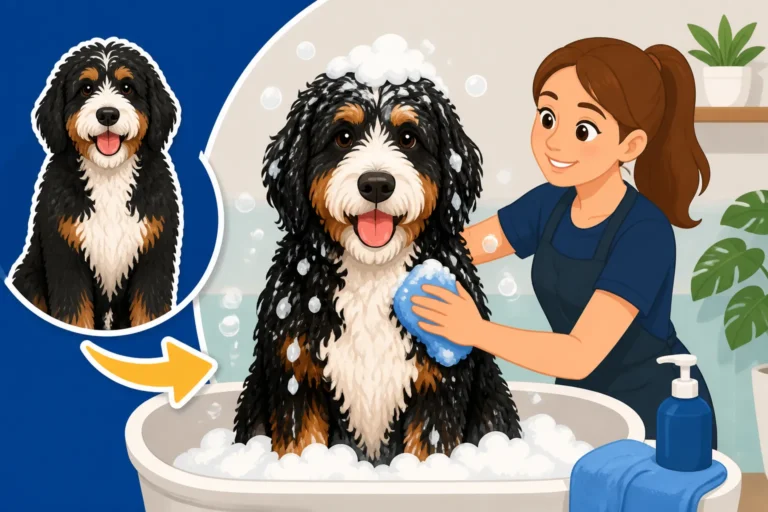
Finally, continue your regular grooming routine. A clean, well-brushed coat is a better insulator than a matted one. Even though they may not be shedding heavily, regular brushing helps distribute natural oils and prevents mats from forming, which can trap cold moisture against the skin. How Often a Bernedoodle Should Be Brushed becomes even more important when dealing with snow and wet conditions. In extremely cold climates, some owners opt for a slightly longer winter cut to maximize natural insulation, while still keeping it manageable enough to prevent matting from snow and ice.
Disclaimer
This article is for general informational purposes only and does not constitute professional advice. Laws, prices and regulations vary by location and change over time. Consult a qualified professional for guidance on your specific situation.