Heatstroke Risk in a Dark Coated Bernedoodle
It's heartbreaking to see your usually vibrant Bernedoodle panting excessively, struggling, or even collapsing on a warm day, especially if they have that beautiful, dark, thick coat. We all want our furry family members to enjoy the sunshine, but for many dark-coated Bernedoodles, summer can quickly turn from fun to frightening. This guide is here to walk you through understanding why your dark-coated Bernedoodle is so susceptible to overheating, how to spot the signs, what immediate steps to take, and crucially, how to prevent heatstroke altogether.
The Unique Vulnerability of Dark-Coated Bernedoodles to Heat
Bernedoodles, with their delightful mix of Bernese Mountain Dog and Poodle, inherit a lot of wonderful traits. But for those sporting a dark, rich coat, particularly black or dark sable, they also inherit a higher predisposition to overheating. It’s not just about how warm we feel; a dog’s internal temperature regulation is very different from ours, and their magnificent fur, while lovely, can be a serious liability in the heat.
The Science Behind Black Fur and Heat Absorption
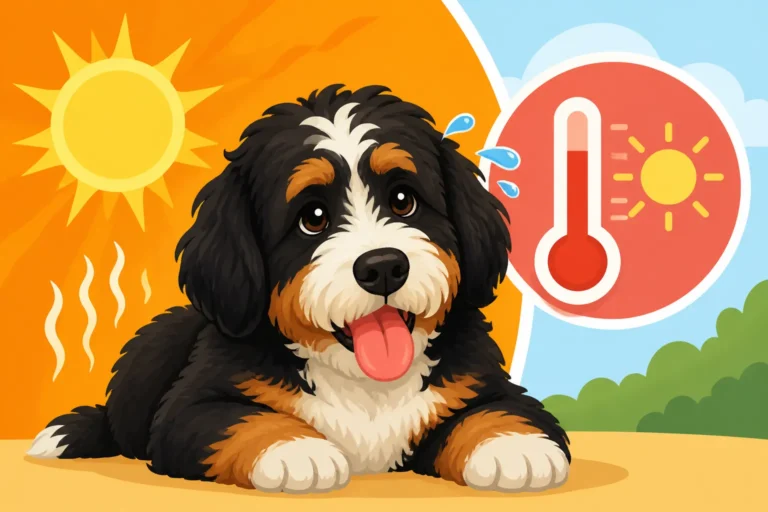
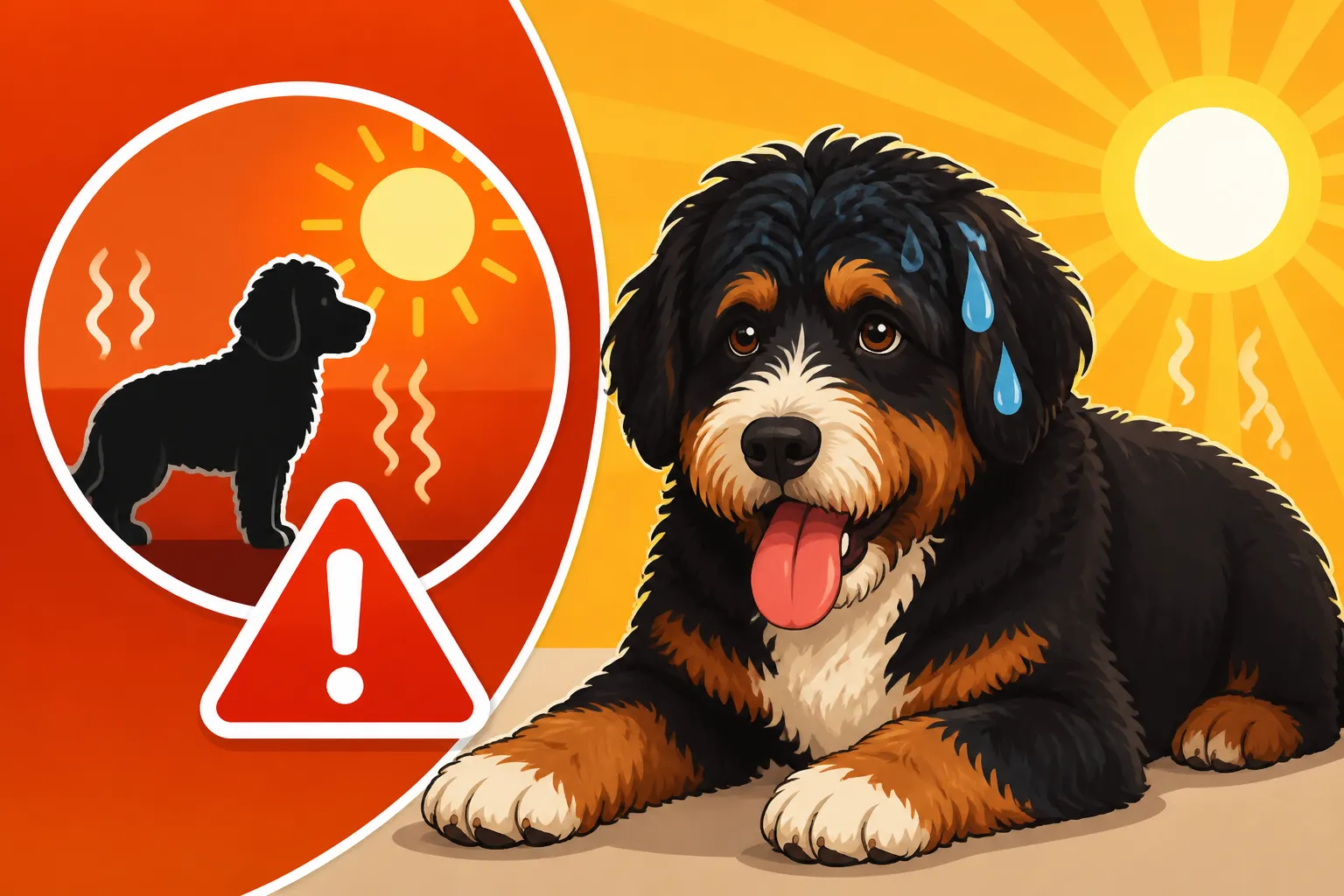
Think about wearing a black t-shirt on a sunny day versus a white one. You can physically feel the difference almost immediately, right? The same principle applies, perhaps even more intensely, to our dogs. Dark colors, especially black, are incredibly efficient at absorbing solar radiation, which is just a fancy way of saying they soak up the sun's heat. This isn't reflected away; it's absorbed directly into the fur and then transferred to the dog's skin.
This absorption means that even on a moderately warm day, if your Bernedoodle is out in direct sunlight, their coat is actively pulling in heat. Lighter-colored dogs, or those with white markings, reflect more of that radiant heat away from their bodies, giving them a slight, but significant, advantage. It’s why you might see a cream-colored Goldendoodle happily trotting along while your gorgeous black-tri Bernedoodle is already looking for the shadiest spot they can find. If you've ever wondered why your particular pup struggles more, this is often the core reason. It's not just an old wives' tale; the physics are clear and present.
Bernedoodle Coat Types and Their Insulating Properties
Beyond color, the very texture and density of a Bernedoodle's coat play a huge role. Bernedoodles typically boast a thick, often wavy or curly coat. This dense fur, while fantastic for keeping them warm in cold climates (hello, Bernese Mountain Dog ancestry!), acts like a personal, non-removable blanket in hot weather. It traps a layer of warm air close to their body, hindering the natural evaporative cooling process that helps them regulate temperature.
Even if your Bernedoodle has a lighter-colored coat but it's incredibly thick and dense, they're still at a higher risk than a short-haired breed. The Bernese side often contributes a significant undercoat, which is a fantastic insulator. While Poodle genes can lead to less shedding, they don't necessarily mean less insulation. That luscious, soft fur you love to pet can become a heat trap when the mercury rises. Understanding that this isn't just about sun exposure but also about their innate fur structure is crucial for responsible ownership. It's this combination of dark color and thick density that makes a Bernedoodle, especially a larger standard size, particularly susceptible, often more so than an equivalently sized Poodle with a different coat. This makes it really clear that you need to be cautious; it's an inherent trait of their beautiful lineage.
Comparing Dark vs. Light Coated Bernedoodles in the Sun
Let's talk real-world experiences. Imagine two Bernedoodles, both the same size and age, out for a short walk on a sunny 75-degree Fahrenheit day. One is a sleek, black-tri, and the other is a soft cream. You'll likely notice the black-tri one starting to pant much sooner and with greater intensity. They might lag behind, look for shade under every tree, or even try to plop down in the grass. This isn't them being lazy; their body is working overtime to shed the heat their dark coat is absorbing.
Meanwhile, the cream Bernedoodle might still be relatively comfortable, enjoying the stroll. This isn't to say light-colored dogs are immune to heatstroke – absolutely not! But the dark-coated ones have a shorter fuse, so to speak. Their internal temperature climbs faster, and they reach that dangerous threshold much quicker. It's a stark reminder of why being hyper-vigilant with your dark-coated companion is paramount. For more in-depth discussion on this, you might find our guide on Why a Black Tri Bernedoodle Overheats particularly enlightening.
Decoding the Alarming Signs of Canine Overheating
Spotting the signs of overheating early can literally be the difference between a minor scare and a trip to the emergency vet. Dogs don't sweat like we do; their primary way of cooling down is panting, and when panting isn't enough, their body temperature can escalate rapidly. As a Bernedoodle owner, you need to be attuned to these indicators, understanding that they can progress quickly.
Subtle Indicators You Might Miss
Initially, the signs of your Bernedoodle getting too warm can be easy to overlook, especially if you're not actively looking for them. The first and most obvious is excessive panting – panting that's harder, faster, and more labored than usual for their activity level. They might look like they're trying to catch their breath even after a short burst of play. Another key indicator is seeking shade or trying to lie down, even in places they wouldn't normally rest. They're instinctively trying to escape the heat.
You might also notice their gums becoming brighter red than normal, almost brick-red, as their blood vessels dilate to try and cool down. This is followed by thick, ropy drooling – a clear sign their body is working hard. Some dogs will also start to appear a bit lethargic or less responsive, their usual happy-go-lucky Bernedoodle demeanor replaced by a dullness. If you’re ever unsure, trust your gut. If your Bernedoodle seems "off" in warm weather, it's always best to err on the side of caution. For a more detailed breakdown of these symptoms, take a look at our article on Signs a Bernedoodle Is Overheating.
Advanced Symptoms of Heatstroke
Once those subtle signs are missed or ignored, the situation can quickly spiral into full-blown heatstroke, a medical emergency. At this stage, symptoms become much more severe and alarming. You might see vomiting or diarrhea, sometimes with blood, as their internal organs start to shut down. Their movements can become uncoordinated, leading to stumbling, staggering, or even a complete collapse. This loss of motor control is a very serious sign.
In the worst cases, dogs can experience seizures, go into a coma, or their gums might turn blue or purple, indicating a lack of oxygen, or even pale white due to shock. Their breathing will be extremely distressed, and their heart rate will be rapid and weak. If you see any of these advanced symptoms, there's no time to waste. Your Bernedoodle's life is genuinely on the line, and immediate veterinary intervention is critical. This isn't something you can wait out or hope will get better on its own.
Why Rapid Recognition is Crucial
The speed at which a dog's condition can deteriorate from mild overheating to life-threatening heatstroke is astonishingly fast. What starts as heavy panting can, within minutes, become organ damage and even death. Unlike humans who sweat all over our bodies, dogs mostly cool through panting and through the pads of their feet. When their core body temperature rises to dangerous levels (typically above 104°F or 40°C), cellular damage begins, affecting vital organs like the kidneys, liver, heart, and brain.
This is why you, as their dedicated owner, are the first and best line of defense. Knowing these signs and acting swiftly can prevent irreversible harm. Don't second-guess yourself if you observe any of the initial symptoms. Your quick thinking and immediate action are paramount to mitigating the severity of the situation. Every minute counts when your Bernedoodle is battling rising temperatures.
Emergency Response: Acting Fast When Heatstroke Strikes
If your dark-coated Bernedoodle is showing serious signs of overheating or heatstroke, panic is a natural reaction, but clear-headed action is what's needed most. You need to initiate cooling measures immediately and prepare for veterinary care without delay. This isn't a situation to "wait and see."
The First Steps to Cool Down Safely
Your absolute first priority is to get your Bernedoodle out of the heat source and into the coolest environment possible. This means moving them into deep shade, an air-conditioned room, or even a cool car with the AC blasting. Then, start active cooling. Dampen their coat and skin with cool (not icy!) water. Focus on areas where blood vessels are close to the surface: the armpits, groin, belly, and paw pads. You can use a hose on a gentle setting, wet towels, or even your hands if you're out and about.
Crucially, avoid using ice-cold water or ice packs. While it might seem counterintuitive, extreme cold can cause the blood vessels to constrict, trapping heat inside the body and potentially inducing shock. It can also drop their temperature too quickly, which is also dangerous. Just cool water is sufficient. Offer small amounts of cool drinking water if they are conscious and willing to drink, but don't force it, as they could aspirate it. Remember, these are critical first aid steps, not a cure. You can find more detailed advice on Cooling a Bernedoodle Down Safely in our dedicated article.
When to Seek Emergency Veterinary Care
Let's be blunt: if you suspect heatstroke, you need to get to the vet immediately, even if your dog seems to be recovering. Heatstroke causes internal damage that isn't always visible from the outside. Organs like kidneys, the brain, and the lining of the gastrointestinal tract can be severely affected, leading to delayed complications hours or even days later. It's simply not worth the risk to wait. Call ahead to your vet or the nearest emergency animal hospital to let them know you're coming and the situation, so they can be prepared for your arrival.
This is where having pet insurance, like a plan from Healthy Paws, can provide immense peace of mind. Veterinary emergency care, especially for conditions like heatstroke that might require IV fluids, blood work, and overnight stays, can be incredibly expensive. Knowing that you can focus on your dog's well-being without crippling financial stress is invaluable during such a crisis. A good policy will help cover the costs of these unexpected, urgent medical needs, ensuring your Bernedoodle gets the best possible care without hesitation.
What to Expect at the Vet
When you arrive at the veterinary clinic, the team will spring into action. They'll immediately take your Bernedoodle's temperature, which will likely be very high. They'll continue cooling efforts, often using intravenous (IV) fluids to help rehydrate and support organ function. They'll monitor for complications like kidney failure, abnormal blood clotting (disseminated intravascular coagulation or DIC), or heart arrhythmias.
Blood tests will be run to assess organ damage, and they may administer medications to protect the stomach lining or prevent seizures. Depending on the severity, your Bernedoodle may need to stay hospitalized for observation, potentially for several days. Even after they come home, a vet might recommend follow-up checks and specific care to help them fully recover from any potential organ damage. The experience can be harrowing for both you and your dog, highlighting the importance of prevention above all else.
Proactive Prevention: Guarding Against Summer's Dangers
An ounce of prevention is worth a pound of cure, especially when it comes to heatstroke in our beloved Bernedoodles. Being proactive and making thoughtful adjustments to your routine during warmer months is absolutely essential, particularly with their dark, dense coats.
Adjusting Your Bernedoodle's Outdoor Schedule
The easiest and most effective way to prevent overheating is to modify when and how your Bernedoodle spends time outdoors. During the summer, avoid walks and strenuous activity during the hottest parts of the day. This generally means steering clear of 10 AM to 4 PM, but on truly scorching days, you might need to adjust even further. Early mornings and late evenings are your best friends.
Consider shorter, more frequent walks instead of one long one. A quick 10-15 minute potty break and sniff-around might be all they can handle safely in the middle of the day, even in the shade. Pavement, asphalt, and even sand can absorb and retain an incredible amount of heat, burning paw pads and radiating heat up into your Bernedoodle's body. Always check the ground temperature with your hand; if it's too hot for you to hold your hand there for 5 seconds, it's too hot for their paws. For more guidance on activity levels in warmer weather, our article Whether a Bernedoodle Should Be Walked in Summer offers excellent advice, including The Temperature a Bernedoodle Should Not Be Walked In.
Creating a Cool and Safe Environment at Home
Your home needs to be a refuge from the heat. If you have air conditioning, use it! Keeping your indoor environment cool and consistent is vital for a dark-coated Bernedoodle. If AC isn't an option, strategically placed fans can help circulate air, especially if you also have cross-ventilation. Cooling mats, which contain a gel that activates with pressure, can be a fantastic addition, providing a cool spot for your dog to lie down.
One of the biggest dangers, and one that is entirely preventable, is leaving a dog in a parked car. Even on a mild day, the temperature inside a car can rise rapidly to deadly levels within minutes. Cracking windows does almost nothing to prevent this. Never, ever leave your Bernedoodle unattended in a vehicle, not even for "just a minute." It's a risk simply not worth taking, and the consequences can be tragic. Ensure constant access to fresh, cool water both inside and outside the house.
Grooming Considerations for Dark-Coated Bernedoodles
There's a common debate among Bernedoodle owners: should you shave down a thick, dark coat in summer? The answer isn't a simple yes or no, and it often depends on the individual dog and coat type. While a very short summer clip can help some dogs by reducing the insulating layer and allowing air to circulate closer to the skin, it's not without caveats. If shaved too short, particularly if the undercoat is compromised, it can expose their skin to harmful UV rays, leading to sunburn and increasing the risk of skin cancer.
Also, a dog's coat, believe it or not, provides some protection from the sun's direct rays. A good groomer can offer a "summer cut" that leaves enough length to protect the skin but thins the coat significantly to aid cooling. Regular brushing to remove loose undercoat is also important, as mats and dead hair trap heat. Always discuss your options with a professional groomer who understands double coats. You might want to explore the topic of Whether a Shaved Bernedoodle Handles Heat Better for a deeper dive into the pros and cons of summer shaving.
Essential Summer Toolkit and Long-Term Heat Management
Being well-prepared with the right tools and a mindful approach can make all the difference in keeping your dark-coated Bernedoodle safe and comfortable during the warmer months. It's about more than just reacting; it's about anticipating and facilitating their comfort.
Hydration is Key: Water Access and Boosting Intake
Constant access to fresh, cool water is non-negotiable. Place multiple water bowls around your home, both indoors and outdoors, to encourage frequent drinking. For walks and outings, a portable water bottle with an attached bowl is a lifesaver. Ensure the water is truly cool; warm, stagnant water won't tempt them to drink as much and isn't as effective for cooling.
You can also get creative to encourage hydration. Adding a little bit of low-sodium chicken broth to their water can entice them to drink more. Freezing dog-safe broths or even just water in ice cube trays creates refreshing, hydrating treats. Some Bernedoodles love playing with ice cubes in their bowl. Remember, adequate hydration supports all bodily functions, including their ability to regulate temperature, which is especially challenging for Whether a Black Bernedoodle Absorbs More Heat.
Cooling Gear That Actually Helps
The market is flooded with cooling products, and some are genuinely effective for Bernedoodles. Cooling vests, often made with evaporative materials, can significantly lower core body temperature during walks or outdoor activities. Just be sure they fit well and aren't too tight. Cooling bandanas work similarly for the neck area.
Another excellent option is a simple kiddie pool filled with a few inches of water. Many Bernedoodles love to splash, wade, or even fully immerse themselves to cool off. It’s a great way to combine fun and essential temperature regulation. Elevated dog beds, which allow air to circulate underneath, also provide a cooler resting spot than lying directly on a hot patio. If your Bernedoodle enjoys a dip, check out Whether a Bernedoodle Swims to Cool Off. Also, for reviews on specific products, Whether a Cooling Vest Works on a Bernedoodle and Whether a Kiddie Pool Helps a Bernedoodle could be helpful resources.
Long-Term Management and Awareness
Managing your dark-coated Bernedoodle's heat risk is not just a summer chore; it's a long-term commitment. Regular veterinary check-ups are important to ensure they are healthy overall, as underlying conditions can exacerbate heat sensitivity. For instance, heart or respiratory issues can make it harder for a dog to cool down effectively.
Beyond that, it’s about constant awareness. Always be mindful of the ambient temperature, humidity levels, and how long your dog has been exposed to the heat. Learn your individual Bernedoodle's tolerance levels—some will tolerate heat better than others, even within the same coat color. Being prepared also means having your vet's emergency number and the location of the nearest emergency clinic easily accessible, just in case. Your vigilance is their ultimate protection.
Heatstroke Symptom Severity Comparison
To help you quickly assess the situation and act appropriately, here's a table summarizing the different stages of overheating symptoms in your Bernedoodle.
| Symptom Category | Mild Overheating / Heat Stress | Moderate Overheating | Severe Heatstroke |
|---|---|---|---|
| Panting | Heavier than usual, persistent | Very rapid, labored, possibly noisy | Extremely distressed, struggling to breathe |
| Energy Level | Seeking shade, lying down, slightly lethargic | Weakness, reluctance to move, slower response | Collapse, loss of consciousness |
| Gums | Brighter red, tacky | Brick red, very dry, possibly purple/blue | Pale, gray, blue, or purple; possibly bruised spots |
| Drooling | Increased, normal consistency | Excessive, thick, ropy saliva | Little to no drooling (dehydration), or bloody drool |
| Body Temp. | 102.5°F – 104°F (39.2°C – 40°C) | 104°F – 106°F (40°C – 41.1°C) | Above 106°F (41.1°C) |
| Other Signs | Increased thirst, warm to touch | Vomiting, diarrhea, dizziness, stumbling, restless | Seizures, muscle tremors, bloody vomit/diarrhea, coma |
| Action Needed | Get to cool area, offer water, monitor closely | Start cooling immediately, contact vet ASAP | EMERGENCY VET CARE IMMEDIATELY, active cooling en route |
Disclaimer
The information provided in this article is for educational purposes only and is not intended to be a substitute for professional veterinary advice, diagnosis, or treatment. Always seek the advice of your veterinarian or other qualified animal health provider with any questions you may have regarding a medical condition. Never disregard professional veterinary advice or delay in seeking it because of something you have read here.