Whether an Overweight Bernedoodle Loses Years
It's a question many of us Bernedoodle parents quietly fret over as we gaze at our fluffy, sometimes generously-proportioned companions: are those extra pounds just more to love, or are they silently shaving years off our precious time together? It’s a valid concern, especially with a breed that often struggles with joint issues and other health predispositions. This guide is here to tackle that worry head-on, exploring the very real impact of an overweight Bernedoodle on their long-term health and offering practical steps to ensure they live their fullest, healthiest life.
The Real Impact of Extra Pounds on a Bernedoodle's Lifespan
Let's be brutally honest for a moment: those extra rolls and that slightly broader profile might seem charming, but for a Bernedoodle, carrying excess weight isn't just about aesthetics. It's a significant health burden that can drastically shorten their active, happy years. We’re talking about a breed whose Bernese Mountain Dog lineage already predisposes them to certain health challenges, and then we add a layer of extra strain with unhealthy weight. It's a recipe for a shorter, less comfortable life.
Understanding the Strain on Joints and Organs
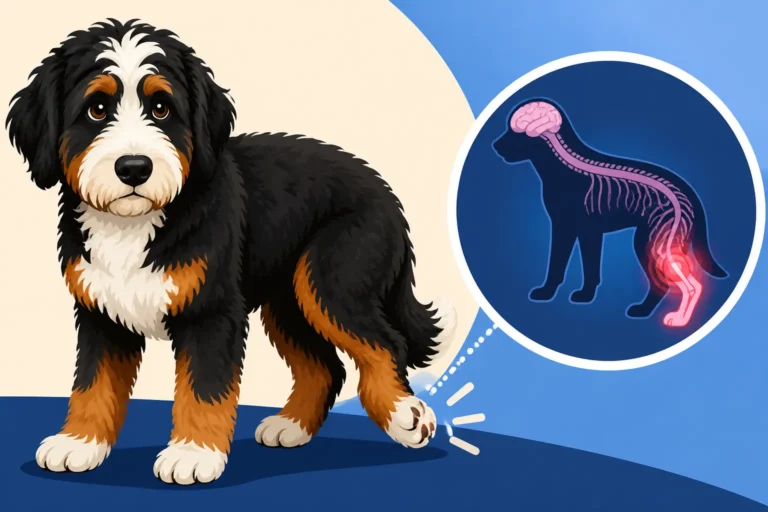
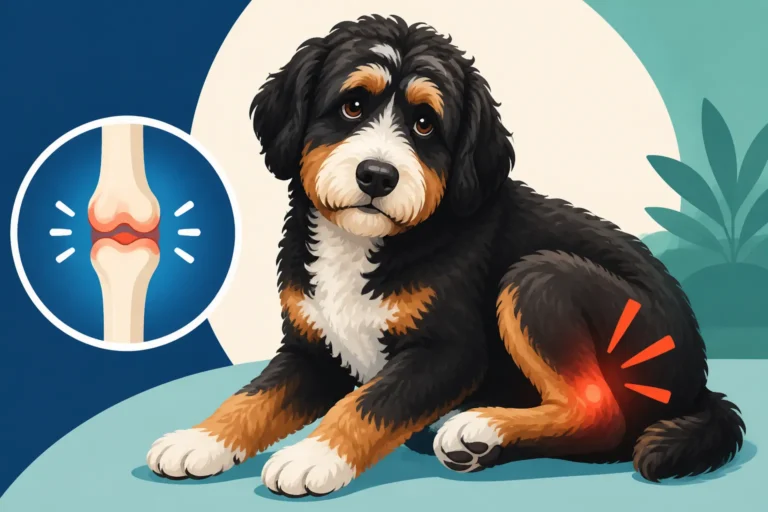
Imagine trying to navigate your day with a heavy backpack strapped to you 24/7. That's essentially what an overweight Bernedoodle experiences. Their skeletal structure, particularly their hips and elbows, is designed to support a specific weight. When that weight is exceeded, every step, every jump, every playful romp places undue stress on those joints. This can accelerate the onset and severity of conditions like Hips on a Ninety Pound Bernedoodle or Elbow Dysplasia in a Growing Bernedoodle, turning youthful vigor into painful stiffness far too early. The cartilage wears down faster, inflammation increases, and arthritis becomes an unwelcome, early guest.
Beyond the visible joints, the internal organs are working overtime. An obese Bernedoodle's heart has to pump harder to supply blood to a larger body mass, increasing the risk of cardiovascular disease. Their lungs are often compressed by abdominal fat, making breathing more labored, especially during exercise or in warm weather. Even their digestive system can be impacted, leading to issues like pancreatitis, a painful inflammation of the pancreas. All of these factors contribute to a system under constant strain, wearing out faster than it should.
The Connection to Chronic Health Issues
Weight isn't just a physical burden; it's a metabolic one. Adipose tissue, or fat, isn't just inert padding; it's an active endocrine organ that produces hormones and inflammatory compounds. This means that an overweight Bernedoodle is living in a state of chronic, low-grade inflammation, which can pave the way for a host of serious health problems. Diabetes, for example, is far more common in obese dogs because their bodies become less responsive to insulin.
Furthermore, there’s a concerning link between obesity and certain types of cancer, a disease that, sadly, is already a significant concern for the Bernedoodle breed due to their Bernese heritage. While we often ask Whether the Bernedoodle Cross Actually Reduced Cancer, the reality is that any additional risk factor, such as excessive weight, can exacerbate an already challenging predisposition. Cancers, particularly those affecting the bladder, mammary glands, and certain other organs, have been shown to have a higher incidence in overweight pets. The metabolic changes induced by obesity can create an environment more conducive to tumor growth, making the question of Whether Cancer Is Still the Leading Cause in Bernedoodles even more critical when combined with poor weight management.
Identifying if Your Bernedoodle is Overweight
So, how do you know if your Bernedoodle is tipping the scales into unhealthy territory? With all that glorious fluff, it can be deceptively tricky. Their thick coats often mask changes in body shape, making it easy to overlook gradual weight gain. It's not enough to just look at a number on a scale; you need to get hands-on and learn to assess their actual body condition.
Beyond Just the Scale: Body Condition Scoring
While the vet's scale gives you a number, it doesn't tell the whole story, especially when you have a Bernedoodle who might be naturally stocky or just extra fluffy. This is where body condition scoring (BCS) comes in, and it's a tool every Bernedoodle owner should master. It’s a hands-on assessment that helps you gauge fat levels, usually on a scale of 1 to 5 or 1 to 9.
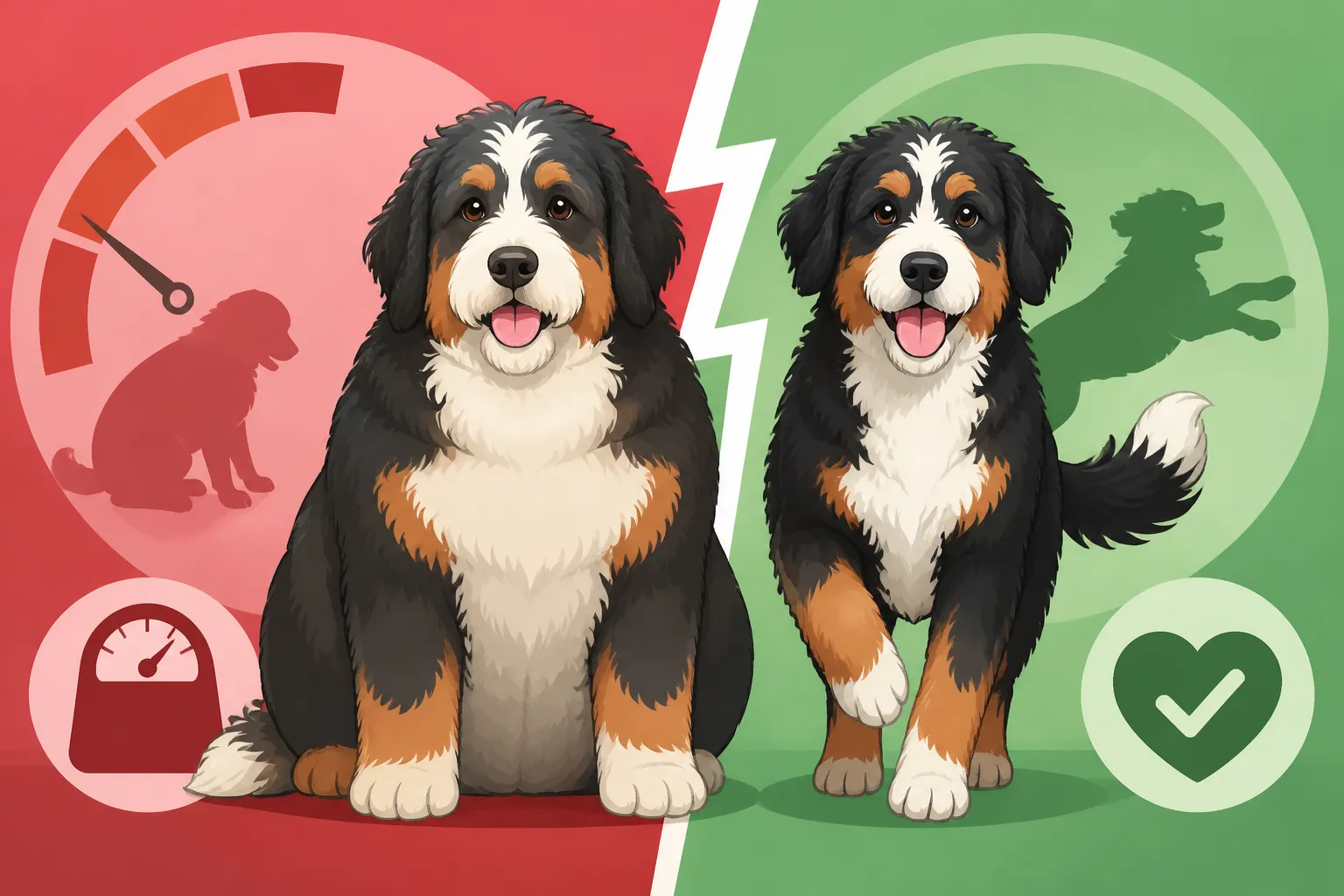
An ideal Bernedoodle should have ribs that you can easily feel with gentle pressure, almost like feeling the knuckles on your hand, but not see. There should be a distinct waistline when viewed from above, a lovely "hourglass" shape, and an abdominal tuck-up (where the belly slopes up from the rib cage to the hind legs) when viewed from the side. If you can't easily feel those ribs without pressing hard, if their waist is more like a straight line or even bulges out, and if there's no abdominal tuck, then your Bernedoodle is likely carrying too much weight. A healthy Poodle parent in their lineage tends to be quite lean, so even a slight roundness can be a sign.
Subtle Signs You Might Be Missing
Sometimes, the signs aren't as obvious as a bulging waistline, especially if your Bernedoodle’s coat is particularly dense. You need to be a detective! Are they less enthusiastic about their morning walk, or do they tire more quickly than they used to? Perhaps they're struggling to jump onto the couch or into the car, movements they once performed with ease. You might notice them panting more, even after minimal exertion, or seeming less comfortable in warmer weather, a particular concern for Why a Black Tri Bernedoodle Overheats or any Bernedoodle with a thick coat.
Another subtle cue can be a change in their grooming habits; an overweight Bernedoodle might struggle to reach certain areas, leading to matted fur or skin issues. Even their mood can be affected; some dogs become less playful or more lethargic when they're uncomfortable due from excess weight. If you're observing any of these shifts, combined with a less-than-ideal BCS, it's definitely time to consider a weight management plan.
Here's a quick reference table for assessing your Bernedoodle's body condition:
| Feature | Ideal Weight (BCS 4-5/9) | Overweight (BCS 6-7/9) | Obese (BCS 8-9/9) |
|---|---|---|---|
| Ribs | Easily palpable with minimal fat covering. | Palpable with some difficulty; moderate fat covering. | Difficult to palpate; heavy fat covering. |
| Waistline | Distinctly visible behind the ribs when viewed from above. | Indiscernible or slightly broadened when viewed from above. | Absent; broad or bulging when viewed from above. |
| Abdominal Tuck | Clearly evident when viewed from the side. | Minimal or absent when viewed from the side. | None; sagging abdomen. |
| Spine/Hips | Vertebrae and hip bones palpable with slight fat. | Vertebrae and hip bones palpable with some difficulty. | Vertebrae and hip bones difficult to palpate; heavy fat. |
| Fat Pads | Minimal or no fat deposits. | Noticeable fat deposits over base of tail, lower back. | Extensive fat deposits on chest, neck, limbs, tail base. |
Strategies to Help Your Bernedoodle Shed Pounds Safely
Once you’ve identified that your Bernedoodle needs to shed some pounds, the next step is action. But this isn't a race; it's a marathon, especially when dealing with a large breed. Sudden, drastic changes can be harmful, so a carefully considered, veterinarian-guided approach is always best. Remember, our goal is to enhance their quality of life, not just hit a number.
Re-evaluating Diet and Portion Control
This is often the biggest hurdle for us pet parents because, let’s face it, those puppy-dog eyes are powerful! The first thing to do is critically examine what and how much your Bernedoodle is eating. Many commercial dog foods are calorie-dense, and standard feeding guidelines might be too generous for your specific dog's metabolism and activity level. Start by consulting your veterinarian for a precise daily caloric intake recommendation tailored to your Bernedoodle's ideal weight and current activity. You might be surprised at how much less they actually need.
Switching to a lower-calorie or weight-management dog food formula can be incredibly helpful. These foods are designed to make your Bernedoodle feel full with fewer calories. And here's the tough love: cut out or drastically reduce unhealthy treats and table scraps. A single piece of cheese or a bite of your dinner can pack a significant caloric punch for a dog. Opt for low-calorie, healthy alternatives like raw carrots, green beans, or specially formulated low-calorie dog treats. If you're giving joint supplements or other chewable medications, remember to factor their calories into the daily total. Brands like Healthy Paws help with medical costs, but preventative measures like diet are even better!
Tailoring Exercise to Their Needs
Exercise is the other side of the weight loss coin, but for a Bernedoodle, it needs to be approached thoughtfully. These dogs are large and can be prone to joint issues, so high-impact activities might do more harm than good, especially if they're already overweight. The key is consistency and gradual increases in activity. Instead of a single, long, grueling walk, consider several shorter, brisk walks throughout the day. Swimming is an excellent low-impact exercise that allows them to burn calories without stressing their joints.
Consider activities like leisurely hikes on soft ground or interactive play sessions in the yard. If your Bernedoodle is still a puppy, remember The Five Minute Rule on a Bernedoodle Puppy's Walks to protect their developing joints. As they lose weight and build stamina, you can gradually increase the duration and intensity. But always watch for signs of overheating, especially if you have a dark-coated Bernedoodle or are exercising during warmer parts of the day. The goal is joyful movement, not exhaustion.
Partnering with Your Veterinarian
You are not alone in this journey! Your veterinarian is your most valuable ally in helping your Bernedoodle achieve a healthy weight. They can accurately assess your dog's body condition, rule out any underlying medical conditions that might contribute to weight gain (like hypothyroidism, a condition Hypothyroidism From the Bernese Side of a Bernedoodle can introduce), and calculate a precise caloric target. They can also recommend specific therapeutic weight-loss diets that are only available through veterinary clinics.
Your vet can also help you set realistic weight loss goals and monitor progress safely. Regular weigh-ins and body condition checks at the clinic provide accountability and allow for adjustments to the plan as needed. They can also advise on appropriate exercise levels, especially if your Bernedoodle has existing joint issues. This professional guidance ensures that your Bernedoodle loses weight in a healthy, sustainable way, minimizing risks and maximizing success. Comprehensive pet insurance, like policies from Healthy Paws, can also provide peace of mind for those regular vet visits and any unexpected health issues that might arise during a weight loss journey.
Long-Term Management and Prevention
Getting the weight off is a fantastic achievement, but keeping it off is where the real dedication comes in. Weight management is a lifelong commitment, ensuring your Bernedoodle enjoys all the benefits of a lean, healthy body well into their senior years. This means understanding that their needs will change over time and adapting your approach accordingly.
Consistency is Key: Maintaining a Healthy Weight
Maintaining a healthy weight for your Bernedoodle requires consistent effort, day in and day out. It's about establishing routines that work for both of you and sticking to them. This means precise portion control at every meal, carefully monitoring treat intake, and ensuring regular, appropriate exercise. Life happens, and routines can get disrupted, but aim for consistency 80-90% of the time. If you have multiple people feeding your Bernedoodle, make sure everyone is on the same page about food types and quantities to avoid accidental overfeeding.
Regular check-ups with your vet are essential for long-term success. These visits aren't just for vaccinations; they're an opportunity to weigh your Bernedoodle, assess their body condition, and discuss any changes in their activity level or appetite. As your Bernedoodle ages, their metabolism might slow down, or their activity might naturally decrease. This is particularly true when considering What Changes in a Bernedoodle After Eight. Your vet can help you adjust their caloric intake and exercise plan to prevent weight creep as they enter their golden years. This proactive approach is a cornerstone of responsible pet ownership, helping them stay comfortable and active.
The Role of Preventative Care
Weight management is intrinsically linked to overall preventative care. A healthy weight reduces strain on joints, lessens the risk of metabolic diseases, and contributes to a stronger immune system, allowing your Bernedoodle to better resist other health challenges. Thinking preventatively means not waiting for problems to arise. For instance, being proactive about their diet and exercise can reduce the severity of conditions like Arthritis in a Bernedoodle at Eight, making their later years far more comfortable.
This holistic approach also extends to dental health, regular grooming (especially crucial for a Bernedoodle’s coat), and ensuring they receive The Screening a Bernedoodle Should Have Yearly. Many of these screenings, such as blood work, can flag early indicators of metabolic issues that might be exacerbated by weight. Furthermore, a healthy weight makes it easier for your veterinarian to examine your dog thoroughly during physical exams. Investing in a good pet insurance plan, such as those offered by Healthy Paws, can certainly help offset the costs of both preventative care and any health issues that might arise, reinforcing the importance of keeping your Bernedoodle in peak condition.
Disclaimer
This article is for general informational purposes only and does not constitute professional advice. Laws, prices and regulations vary by location and change over time. Consult a qualified professional for guidance on your specific situation.