Whether Anesthesia Is Riskier on a Ninety Pound Bernedoodle
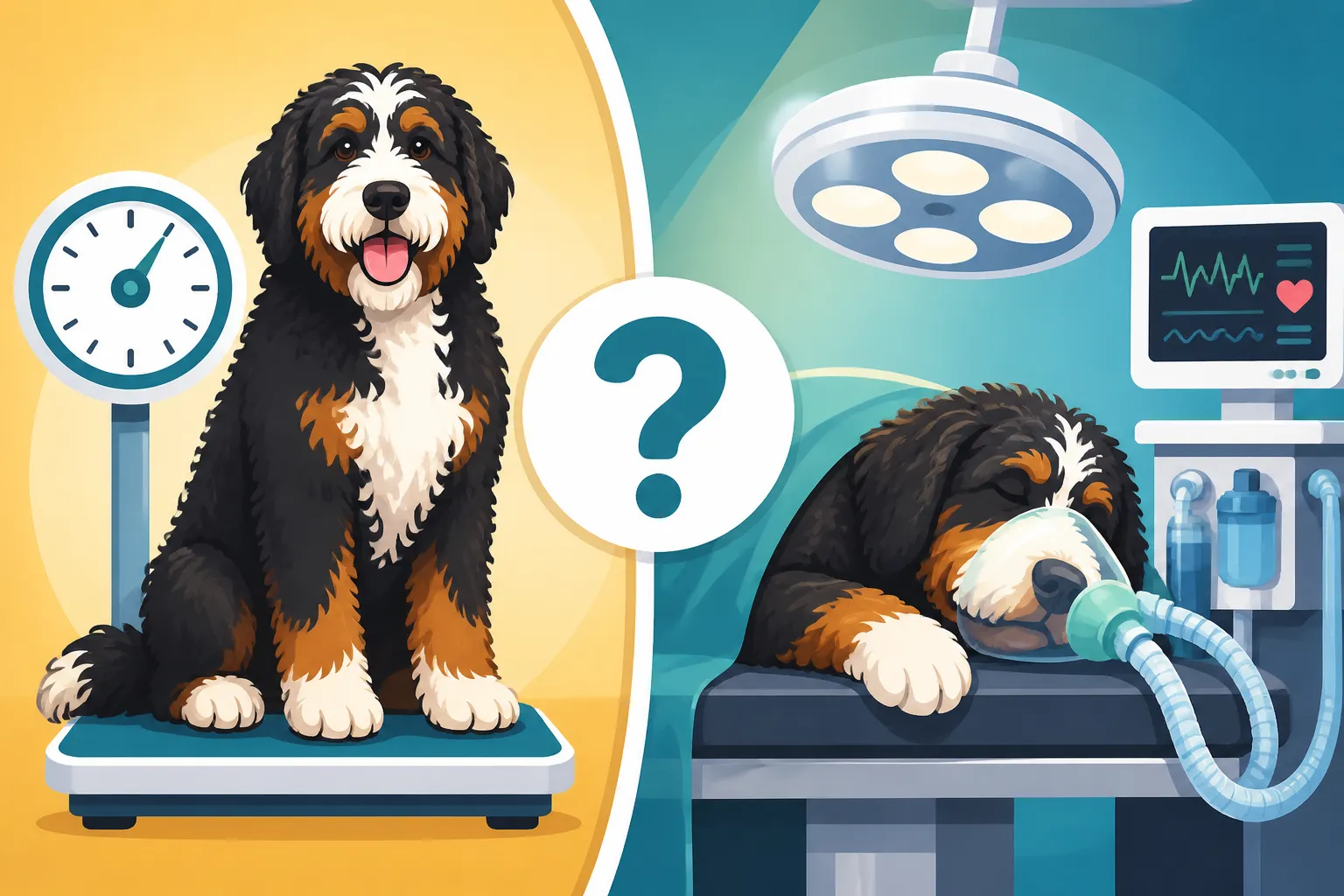
It's a genuine worry, isn't it? When your beloved Bernedoodle, a dog that can easily outweigh a small human, needs to go under anesthesia for a procedure, a million "what ifs" race through your mind. The thought of their big, happy self being vulnerable on an operating table is enough to make any dog parent anxious. This guide is here to walk you through the realities of anesthesia for a ninety-pound Bernedoodle, addressing those specific concerns and helping you feel more prepared and empowered to advocate for your furry family member.
Why Large Dogs Like Bernedoodles Present Unique Anesthesia Considerations
Let's be real, when you have a big dog like a Bernedoodle, especially one tipping the scales at ninety pounds, everything feels a little…bigger. This includes the considerations surrounding anesthesia. It's not that larger dogs are inherently "riskier" in a blanket sense, but their sheer size and certain breed predispositions do introduce a different set of challenges that your vet team carefully plans for.
Body Mass and Drug Metabolism
Think about it: administering medication to a tiny Chihuahua versus a ninety-pound Bernedoodle is a vastly different ballgame. The dosage calculations are critical, and a larger body mass can sometimes mean drugs behave differently. For instance, some anesthetic agents are stored in fat tissue, and a bigger dog might have more of that. This can affect how quickly the medication takes effect, how long it stays in their system, and how they recover. It’s not just about giving "more" of a drug; it’s about precise, individualized dosing based on their specific weight, body condition, and even their unique metabolism. Your vet will take great care to ensure the dosage is spot on, preventing both under-dosing (which means they might not stay asleep) and over-dosing (which can prolong recovery or cause complications).
Deep Chests and Respiratory Function
One of the most talked-about concerns for large, deep-chested breeds, and certainly something to consider with your Bernedoodle, is the risk associated with their respiratory and cardiovascular systems. These big chests, while magnificent, can sometimes be more prone to conditions like bloat, or gastric dilatation-volvulus (GDV), a life-threatening emergency. Even outside of emergencies, their lung capacity and how their body manages breathing under anesthesia need extra attention.
During anesthesia, a dog's natural reflexes are suppressed, including their ability to breathe efficiently on their own. For a big Bernedoodle, the weight of their own body on their lungs, combined with the relaxing effects of the drugs, can make breathing more challenging. This is why close monitoring of oxygen levels and ventilation is paramount. Vets often intubate large dogs, meaning a tube is placed directly into their windpipe, allowing precise control over their breathing and ensuring they receive enough oxygen throughout the procedure. For more on specific risks, consider reading about The Chest That Puts a Standard Bernedoodle at Bloat Risk to understand the anatomical considerations.
Underlying Health Conditions Common in Bernedoodles
Bernedoodles, being a cross of Bernese Mountain Dogs and Poodles, can inherit health predispositions from both sides. While hybrid vigor often means a healthier dog overall, they aren't immune to certain conditions that can complicate anesthesia. For example, some Bernedoodles may carry traits for Von Willebrand's Disease in a Bernedoodle, a bleeding disorder, or might be prone to joint issues like Elbow Dysplasia in a Growing Bernedoodle or Hips on a Ninety Pound Bernedoodle, which can mean they need orthopedic surgeries down the line.
Older Bernedoodles, especially those What Changes in a Bernedoodle After Eight, might have age-related conditions such as early-stage kidney disease, heart murmurs, or other organ function changes that need to be carefully assessed. Anesthesia needs to be adjusted for these factors, using drugs that are processed more easily by compromised organs, or reducing dosages. Even something like being Whether an Overweight Bernedoodle Loses Years can significantly increase anesthetic risk, putting extra strain on their heart and lungs. It's why that thorough pre-anesthetic screening isn't just a suggestion; it's a non-negotiable step to ensure their safety.
Mitigating Risks: Pre-Anesthetic Protocols and Monitoring
When it comes to anesthesia for your large Bernedoodle, the goal isn't just to put them to sleep; it's to do so as safely as humanly possible, minimizing every potential risk. This proactive approach starts long before they even step into the operating room.
Comprehensive Pre-Anesthetic Screening
Before any sedative or anesthetic drug touches your Bernedoodle, a top-notch veterinary team will conduct a thorough pre-anesthetic workup. This isn't just a quick peek; it's a deep dive into your dog's current health status.
- Full Physical Examination: The vet will listen to their heart and lungs, check their hydration levels, feel their abdomen, and assess their overall body condition. This helps identify any obvious issues that might increase risk.
- Bloodwork: This is absolutely crucial. A complete blood count (CBC) will check for anemia, infection, and platelet levels (important for clotting). A biochemistry panel will assess organ function, especially the liver and kidneys, which are responsible for metabolizing and eliminating anesthetic drugs. If there are any red flags, like elevated kidney enzymes, the vet can adjust the anesthetic protocol to use drugs that are safer for those specific organs. Sometimes, additional tests like a coagulation panel might be recommended, especially if there's any concern about bleeding disorders or if the dog is undergoing a major surgery. This type of testing is often part of deciding Whether a Bernedoodle Should Be Tested Before Neutering, for example.
- Urinalysis: This can provide further insight into kidney function and rule out urinary tract infections.
- Electrocardiogram (ECG) or Echocardiogram (Cardiac Ultrasound): For older dogs, or those with known heart murmurs, these tests provide a detailed look at heart health, helping the vet choose drugs that won't strain their cardiovascular system.
This comprehensive screening gives your vet a complete picture, allowing them to make informed decisions and tailor the anesthesia specifically for your Bernedoodle's individual needs.
Tailored Anesthesia Plans and Drug Selection
Once your vet has all the information from the pre-anesthetic screening, they'll create a customized anesthesia plan. This isn't a one-size-fits-all approach. For a ninety-pound Bernedoodle, this often involves:
- Pre-medication: Before the main anesthetic, dogs usually receive a combination of sedatives and pain medication. This helps them relax, reduces anxiety, and means they need less of the stronger anesthetic gas. It also provides pain relief that carries them through the initial part of recovery.
- Intravenous (IV) Catheter and Fluids: Nearly all large dogs undergoing anesthesia will have an IV catheter placed. This is a lifeline! It allows immediate access for emergency medications if needed, and also provides continuous intravenous fluids throughout the procedure. These fluids help maintain blood pressure, prevent dehydration, and support kidney function, especially important during longer procedures or for dogs who might be more sensitive.
- Careful Drug Choices: Vets have a wide array of anesthetic drugs at their disposal. They'll select specific agents that are known to be safe for large breeds, considering their organ function and any pre-existing conditions. For instance, some drugs are metabolized primarily by the liver, others by the kidneys. If your Bernedoodle has even a slight compromise in one of those organs, the vet will choose drugs that are processed elsewhere.
- Anesthetic Monitoring Equipment: Modern veterinary practices use sophisticated equipment that rivals what you'd see in human hospitals.
Vigilant Monitoring During the Procedure
This is where your Bernedoodle's safety truly shines. Throughout the entire anesthetic procedure, from induction to recovery, they will be under constant, vigilant monitoring by a trained veterinary technician or nurse, overseen by the veterinarian.
Here's what they'll be watching:
| Parameter | Why It's Monitored | What's Used to Monitor It |
|---|---|---|
| Heart Rate & Rhythm | Detects arrhythmias or abnormally slow/fast heart rates | ECG (Electrocardiogram), Esophageal Stethoscope, Pulse Oximeter |
| Respiratory Rate & Depth | Ensures adequate breathing and oxygen exchange | Capnograph (measures CO2 in exhaled breath), Visual Observation |
| Oxygen Saturation | Confirms sufficient oxygen in the bloodstream | Pulse Oximeter |
| Blood Pressure | Crucial for organ perfusion (blood flow) and preventing shock | Doppler or Oscillometric Blood Pressure Monitor |
| Body Temperature | Large dogs can lose heat; hypothermia can prolong recovery | Rectal Thermometer, Warming Blankets, IV Fluid Warmer |
| Anesthetic Depth | Ensures they are deep enough to not feel pain, but not too deep | Eye reflexes, Jaw tone, Heart rate, Blood pressure |
This continuous feedback loop allows the veterinary team to make immediate adjustments to anesthetic gas levels, fluid rates, and medication if needed, ensuring your Bernedoodle remains stable and safe throughout their procedure. For example, if your Bernedoodle is undergoing a major operation like What Gastropexy Adds to a Bernedoodle's Spay or Whether a Bernedoodle Needs a Hip Replacement, this intensive monitoring is even more critical due to the invasiveness and length of the surgery.
Post-Anesthetic Care and Recovery for Your Big Bernedoodle
The anesthetic journey doesn't end when the surgery is over. In fact, the recovery phase is just as crucial, especially for a ninety-pound Bernedoodle. Their size can make the wake-up process a bit different, and attentive care during this time is paramount to a smooth and safe return to their normal, goofy self.
Gentle and Monitored Wake-Up
Waking up from anesthesia can be disorienting, and for a large dog, it can look a bit clumsy and uncoordinated. Your Bernedoodle might appear groggy, stumble, or even seem a little agitated as the drugs wear off. This isn't uncommon, and the veterinary team is prepared for it. They'll ensure your Bernedoodle is kept in a warm, quiet, and comfortable recovery area, often with soft bedding to prevent injury if they try to stand before they're fully steady.
The monitoring continues during this phase. They’ll still be checking vital signs—heart rate, breathing, temperature—to ensure everything is returning to normal. They'll also be watching for any signs of prolonged sedation or unexpected reactions. For a big dog, maintaining a stable body temperature is key, as they can lose heat during surgery. Warming blankets and careful observation will help prevent hypothermia, which can slow recovery. The goal is a gradual, peaceful return to consciousness, where they feel secure and supported every step of the way.
Managing Pain and Discomfort
Just like us, dogs experience pain after surgery or any procedure where anesthesia is used. For a ninety-pound Bernedoodle, managing this pain effectively is vital for their comfort and recovery. Your vet will have incorporated pain management into the pre-medication and potentially given additional pain relief during the procedure itself.
After anesthesia, they'll likely continue with injectable pain medications, often tailored to the type and invasiveness of the procedure. For more extensive surgeries, such as those related to Whether a Bernedoodle Needs Elbow Surgery or even for cancer treatments where a Bernedoodle might undergo procedures that can be painful, a multimodal approach to pain control is common. This means using several different types of pain medications that work in different ways to provide comprehensive relief. Before your Bernedoodle goes home, your vet will discuss an oral pain medication regimen for you to administer, explaining dosages, timing, and potential side effects. Don't hesitate to ask questions about pain management; keeping your Bernedoodle comfortable is a top priority.
Home Care and Observing for Complications
When your big Bernedoodle finally comes home, the real home recovery begins. They might still be a bit quiet, sleepier than usual, and have a reduced appetite for the first 24-48 hours. This is generally normal. However, you'll need to be observant for any signs that things aren't quite right.
Keep an eye out for:
- Excessive Lethargy: While some tiredness is expected, if your Bernedoodle is extremely difficult to rouse or seems completely unresponsive, contact your vet.
- Difficulty Breathing: Labored breathing, gasping, or bluish gums are emergencies.
- Vomiting or Diarrhea: A little nausea can occur, but persistent vomiting or diarrhea is concerning.
- Pain: Whining, reluctance to move, guarding the surgical site, or abnormal aggression can indicate uncontrolled pain.
- Swelling or Discharge: At the incision site, minor swelling is common, but significant swelling, redness, heat, or unusual discharge warrants a call to the vet.
- Lack of Appetite or Thirst: While a reduced appetite is normal, ensure they are at least drinking water.
Limit activity for the first few days, especially if they've had surgery. Keep them on a leash for potty breaks, and prevent jumping on furniture or going up and down stairs too much. Provide a quiet, comfortable space where they can rest undisturbed. Following all post-operative instructions precisely is your best tool for ensuring a smooth and complication-free recovery for your large Bernedoodle.
The Importance of Communication with Your Veterinary Team
Navigating the world of veterinary care, especially when it involves something as significant as anesthesia for your large Bernedoodle, can feel overwhelming. But remember, your vet and their team are your partners. Open, honest communication is the single most important factor in ensuring the best possible outcome.
Asking the Right Questions
Don't ever feel silly for asking questions, even if you think they might be basic. It's your right as a pet parent to understand exactly what's happening to your dog. Before any procedure involving anesthesia, sit down with your vet and discuss your concerns. Here are some questions you might want to ask:
- What specific pre-anesthetic tests do you recommend for my ninety-pound Bernedoodle, and why?
- What are the specific risks associated with anesthesia for a dog of his size and breed?
- What drugs will be used, and how will they be tailored to his individual health profile?
- Who will be monitoring him throughout the procedure, and what equipment will be used?
- What is the protocol for recovery? Will a technician be with him the entire time he's waking up?
- What signs of complications should I watch for when he comes home?
- What are the costs involved, including the pre-anesthetic bloodwork, the anesthesia itself, and the post-operative medications?
- Does your clinic have specific experience with large breed anesthesia?
A good veterinary team will appreciate your engagement and take the time to answer every question thoroughly, ensuring you feel confident and informed.
Discussing Costs and Insurance
Let's face it, veterinary procedures, especially those involving anesthesia and surgery, can be costly. The comprehensive care—blood tests, IV fluids, skilled monitoring, quality anesthetic drugs, and pain management—all add up. Don't be afraid to ask for an itemized estimate before the procedure. Understanding the financial aspect upfront can alleviate a lot of stress.
This is also where pet insurance can be a huge lifesaver. Companies like Healthy Paws often cover a significant portion of unexpected veterinary bills, including those for accidents, illnesses, and related procedures like anesthesia and surgery. Having pet insurance can allow you to make decisions based on what's best for your Bernedoodle's health, rather than being solely driven by cost. Reviewing your policy details with your insurance provider or asking your vet's office for a direct submission can simplify the process during a stressful time. Investing in your Bernedoodle's health extends beyond their daily food bowl; it means planning for the unexpected.
Disclaimer
The information provided in this article is for general informational purposes only and is not a substitute for professional veterinary advice. Always consult with a qualified veterinarian for any health concerns or before making any decisions related to your Bernedoodle's health and treatment, including anesthesia protocols.