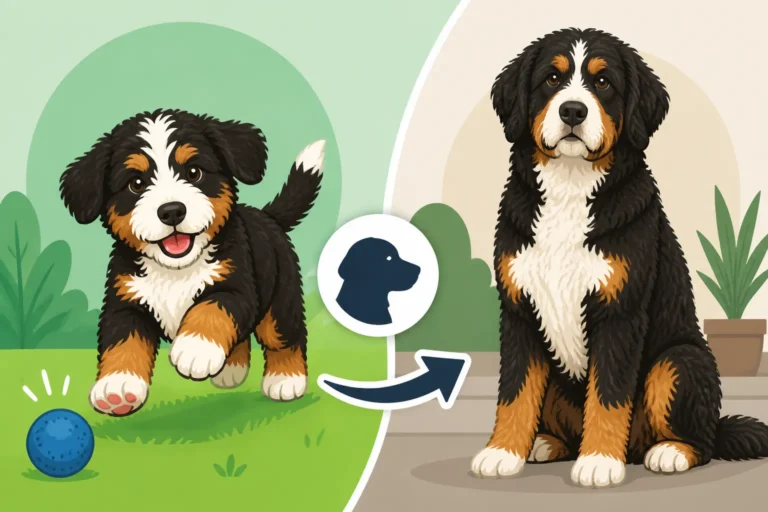
Whether a Bernedoodle Is Naturally Reserved
It’s a common misconception that every Bernedoodle will be a perpetually goofy, tail-wagging social butterfly. While many are incredibly friendly, some Bernedoodle owners find themselves a little surprised when their furry companion isn't quite as outgoing as they expected. This can lead to frustration, wondering if you've done something wrong or if your dog is truly "shy." This guide is here to unravel the truth behind whether a Bernedoodle is naturally reserved, helping you understand their unique temperament and how to foster a confident, happy companion.
Understanding the Bernedoodle's Genetic Tapestry of Temperament
To truly grasp why your Bernedoodle might be naturally reserved, we have to look at their parent breeds: the Bernese Mountain Dog and the Poodle. These two breeds bring very distinct personalities to the table, and how those traits blend can result in a wide spectrum of temperaments in a Bernedoodle. It's never a one-size-fits-all situation.
The Bernese Mountain Dog's Reserved Nature
The Bernese Mountain Dog is, at its heart, a noble and devoted companion. They were bred for farm work in the Swiss Alps, which often required a watchful, sturdy, and somewhat independent nature. While they are incredibly affectionate and loyal with their families, they are also known for being a bit reserved, sometimes even aloof, with strangers. This isn't necessarily shyness in the fearful sense, but rather a cautious and discerning approach to new people and situations.
Imagine a Bernese in its natural element, observing newcomers to the farm. They wouldn't immediately rush up, tail wagging furiously, to greet every stranger. Instead, they would likely assess the situation, take their time, and only offer their trust once they've decided the new person poses no threat. This inherent watchfulness and deliberate interaction style are deeply ingrained. When a Bernese exhibits this trait, it's often a sign of their stable and calm disposition, not fear.
The Poodle's Outgoing and Confident Demeanor
On the flip side, we have the Poodle – a breed renowned for its intelligence, elegance, and often, an outgoing and exuberant personality. Poodles, whether Standard, Miniature, or Toy, tend to be highly confident and love to be the center of attention. They are quick learners, eager to please, and generally embrace new experiences and people with enthusiasm.
Think of a Poodle entering a room full of unfamiliar faces. Many will greet everyone with a cheerful wag, a curious sniff, and a desire to engage. They are often less prone to the "wait and see" approach of the Bernese and more inclined to jump right into the social fray. Their history as retrieving dogs means they are often highly motivated by interaction and activity. This confident, sometimes even theatrical, persona is a hallmark of the Poodle breed.
How These Traits Blend in a Bernedoodle
The magic (and sometimes the mystery!) of the Bernedoodle lies in how these two contrasting temperaments merge. Breeders often talk about "hybrid vigor," and while this usually refers to health, it can apply to temperament too, sometimes producing a well-rounded dog that enjoys the best of both worlds. However, it also means there's a degree of unpredictability. You might get a Bernedoodle that leans heavily into the Bernese's calm, watchful disposition, or one that inherits the Poodle's vivacious spirit. Many fall somewhere in between, exhibiting a nuanced blend.
A Bernedoodle might greet known family members with all the Poodle exuberance, then revert to the Bernese's more reserved approach when a new visitor steps through the door. They might be incredibly confident in their familiar home environment but become more cautious and observant in a bustling new park. This blend can manifest as a dog who isn't overtly shy or fearful, but simply prefers to take things in, process them, and engage on their own terms rather than being immediately boisterous. Understanding that this "reserved" quality is often a direct inheritance from their Bernese lineage can help temper expectations and provide a foundation for appropriate training and socialization.
Distinguishing Reservedness from Shyness or Fear
It's absolutely vital to understand the difference between a Bernedoodle who is naturally reserved and one who is genuinely shy or fearful. Mistaking one for the other can lead to inappropriate responses, potentially exacerbating issues rather than helping your dog thrive.
What "Naturally Reserved" Truly Means for a Bernedoodle
When we talk about a Bernedoodle being "naturally reserved," we're describing a dog who is calm, observant, and thoughtful in new situations or with unfamiliar people. This isn't a sign of distress; it’s a reflection of their personality, often inherited from the Bernese side. A reserved Bernedoodle might:
- Observe from a distance: When new guests arrive, they might stay across the room, watching the interaction before deciding to approach. They're gathering information, not hiding in terror.
- Approach slowly: Once they decide to engage, their approach will be gentle and deliberate, perhaps a slow walk over for a sniff or a gentle lean against your leg or the guest's. They won't rush in for boisterous greetings immediately.
- Not be easily overwhelmed: While they might not be the life of the party, they can typically handle new environments without melting down. They just prefer to process things quietly.
- Form strong bonds over time: They might take a little longer to warm up to new people, but once they do, their loyalty and affection are deep and unwavering. This patient bond-building is a lovely Bernese trait.
The key here is that a reserved dog isn't exhibiting signs of fear. There's no trembling, tucked tail, flattened ears, or attempts to flee. They are simply exercising caution and discernment, which are admirable qualities in a large companion animal.
Identifying Genuine Shyness or Fear-Based Behavior
True shyness or fear is a different beast entirely, and it’s something that requires proactive intervention. A fearful Bernedoodle will display clear signs of anxiety and distress when faced with new stimuli. These behaviors might include:
- Hiding or cowering: They might try to physically remove themselves from the situation, seeking refuge under furniture or behind their owner.
- Excessive barking, growling, or lunging: This isn't always aggression, but often a "go away" signal stemming from fear or feeling trapped.
- Trembling or shaking: Even in non-cold environments, a fearful dog might visibly tremble.
- Submissive urination or defecation: Extreme fear can sometimes lead to involuntary elimination.
- Escape attempts: Trying to bolt from a new situation or pulling frantically on the leash to get away.
- Avoidance cues: Turning their head away, avoiding eye contact, yawning, lip licking, or lifting a paw in an appeasement gesture.
If your Bernedoodle is exhibiting these kinds of behaviors, it's crucial to understand that they are genuinely distressed and need help. This isn't just a personality quirk; it's a welfare concern. Addressing this quickly with positive reinforcement and potentially professional guidance is key. You might find some helpful insights in articles like Building Confidence in a Timid Bernedoodle or Whether a Bernedoodle Recovers From a Bad Experience.
The Critical Role of Early Socialization
Regardless of whether your Bernedoodle is predisposed to reservedness or has a more outgoing streak, early and consistent socialization is absolutely critical. This is the period, especially before 16 weeks of age, where puppies learn about the world and form their opinions on what is safe and what is scary. Without proper socialization, a naturally reserved temperament can easily tip over into genuine shyness or fear.
Socialization isn't just about meeting a lot of people and dogs; it's about having positive experiences with a wide variety of sights, sounds, smells, textures, and environments. Think of it as building a robust emotional vocabulary for your puppy. Introduce them to different types of people (kids, adults, people with hats, beards, or wheelchairs), various sounds (traffic, vacuums, thunderstorms), and different surfaces to walk on. Keep these experiences short, positive, and paired with high-value treats.
For a potentially reserved Bernedoodle, socialization should be about gentle exposure, not overwhelming immersion. Don't throw them into a crowded dog park if they're hesitant. Instead, observe from a distance, reward calm curiosity, and gradually increase proximity as they show comfort. Remember, you're teaching them that the world is a generally safe and interesting place. A valuable resource for this crucial stage is Socializing a Bernedoodle Before Twelve Weeks. A good online puppy training program, such as those offered by BAXTER & Bella, can provide a structured approach to early socialization and training from the comfort of your home, ensuring positive experiences.
Common Scenarios of Bernedoodle Reservedness
Understanding what reserved behavior looks like in everyday life can help you appreciate your Bernedoodle's personality and respond appropriately. It's not about being anti-social; it's often about their unique way of processing the world.
Meeting New People or Guests in the Home
This is one of the most common scenarios where a Bernedoodle's reserved nature shines through. You might have guests over, and instead of an immediate, effusive greeting at the door, your Bernedoodle might perform a careful assessment.
They might stay in another room initially, or perhaps enter the living area and observe your guests from a comfortable distance, perhaps under a coffee table or from their bed. They'll likely sniff the air, perhaps glance at you for reassurance, and only when they feel safe and curious enough, will they slowly approach. When they do, it might be a gentle sniff of a hand, a soft lean against a leg, or even just sitting nearby without direct interaction. This isn't a snub; it's their way of gathering information and deciding if the new person is trustworthy. Avoid forcing interactions; let them come to your guests on their own terms. Encourage your guests to ignore the dog initially and let the dog initiate contact. This empowers the Bernedoodle to make the choice, building confidence rather than anxiety.
Encountering Unfamiliar Environments or Situations
Whether it's a new dog park, a bustling pet store, or even just a friend's house, a reserved Bernedoodle often approaches unfamiliar environments with a measured caution. They won't necessarily bolt or cower, but they'll likely take their time to explore.
Instead of bounding into a new dog park, they might pause at the gate, surveying the scene. Once inside, they may stick close to you, slowly sniffing the perimeter, rather than immediately engaging with other dogs. In a new home, they might explore room by room, checking corners and assessing new smells before settling down. This is their way of processing novelty and ensuring their safety. Forcing them into overwhelming situations can be counterproductive, increasing stress. Instead, allow them to set the pace, offering calm reassurance and rewarding their brave investigations. Taking along a favorite blanket or a chew toy from Amazon can create a sense of familiarity in new surroundings.
Interactions with Other Dogs
A Bernedoodle's reserved nature can also influence how they interact with other canines. While some Bernedoodles are truly social butterflies, many will be more discerning in their doggy friendships.
They might prefer polite, brief greetings with new dogs, opting for a quick sniff before moving on, rather than engaging in rowdy play. They might choose to play primarily with dogs they already know and trust, rather than eagerly jumping into a new pack at the dog park. This can sometimes be mistaken for unfriendliness, but it's often just a preference for calm, respectful interactions. If they encounter an overly boisterous or pushy dog, a reserved Bernedoodle might try to disengage, giving polite "leave me alone" signals. It’s important to advocate for your dog in these situations, stepping in to ensure they aren't overwhelmed or harassed by overly enthusiastic playmates. Articles such as A Bernedoodle Meeting the Family Dog can offer valuable tips for ensuring smooth introductions.
| Trait | Naturally Reserved Bernedoodle | Shy or Fearful Bernedoodle |
|---|---|---|
| Initial Reaction | Observes from a distance, pauses, assesses situation | Hides, cringes, tries to escape, excessive barking/growling |
| Body Language | Relaxed, curious, tail natural or gently wagging, ears alert but not pinned | Tucked tail, flattened ears, trembling, tense body, avoidance of eye contact |
| Approach to New | Cautious, slow, deliberate; may eventually engage on own terms | Avoids, tries to flee, might snap or lunge out of fear |
| Vocalization | Minimal or soft sounds when comfortable; quiet observation | Excessive barking, whining, growling in distress |
| Recovery Time | Adapts over a reasonable period (minutes to hours), then relaxes | Prolonged stress, difficulty relaxing, may avoid future similar situations |
| Underlying Emotion | Curiosity, caution, discernment | Anxiety, panic, perceived threat |
Nurturing a Confident, Well-Adjusted Bernedoodle
A reserved Bernedoodle can absolutely be a wonderfully confident and happy companion. The key is to understand their nature and provide the right support and environment to help them flourish. It’s about building trust and offering them tools to navigate the world at their own pace.
Positive Reinforcement and Gentle Exposure
This is the cornerstone of building confidence in any dog, especially one who tends to be reserved. When introducing your Bernedoodle to new people, places, or experiences, always ensure it's a positive interaction. This means:
- Go at their pace: Never force them into interactions they're not comfortable with. If they seem hesitant, create more distance.
- Reward calm curiosity: When your Bernedoodle shows even a slight interest in something new – a sniff, a look – reward it instantly with a high-value treat and praise. This teaches them that engaging (even minimally) is safe and rewarding.
- Keep it positive: Always make new experiences associated with good things. If they're unsure of a new person, have that person toss treats from a distance, without trying to pet or engage directly.
- Be their advocate: If someone (or another dog) is being too pushy, step in and create space for your Bernedoodle. They need to know you are their protector.
Consistency is key here. Regular, gentle exposure to a variety of safe, positive situations will gradually expand their comfort zone. Remember, you're not trying to change their fundamental personality from reserved to boisterous, but rather to ensure their reservedness doesn't morph into fear. You may find helpful guidance in articles like Whether a Bernedoodle Is Sensitive to Being Told Off as positive reinforcement works far better than scolding.
The Importance of Structured Training
Structured training does so much more than teach your Bernedoodle commands; it builds a foundation of trust, communication, and confidence. A well-trained dog understands what's expected of them, which provides a sense of security and reduces anxiety, particularly for a dog that might naturally be a bit more cautious.
Enroll in positive reinforcement obedience classes, either in person or through an online program like those offered by BAXTER & Bella. These classes not only teach practical skills like sit, stay, and come, but also expose your dog to new environments and people in a controlled, positive setting. The consistency of training helps your Bernedoodle feel more secure in their place in the world and more confident in handling new situations because they know how to respond to your cues. Simple commands can be powerful tools; for example, asking for a "sit" or "down" when a new person approaches gives your dog a job to do and helps them feel more in control. This kind of mental engagement is especially good for intelligent breeds like Bernedoodles. Consider exploring What a Bernedoodle Should Know Before It Hits Sixty Pounds for insights into key training milestones.
Creating a Secure and Predictable Home Environment
A home that feels safe and predictable is a sanctuary for a naturally reserved Bernedoodle. Routine and consistency can significantly reduce anxiety and help them thrive.
- Establish a routine: Predictable feeding times, potty breaks, and exercise schedules help your Bernedoodle feel secure. They know what to expect, which can be very calming.
- Provide a safe space: Ensure your Bernedoodle has a designated quiet spot in the house where they can retreat if they feel overwhelmed. This might be a crate, a cozy bed, or a corner away from high-traffic areas. This "den" should be respected by everyone in the household. You can find many comfortable options for large dog beds and crates on Amazon. Whether a Crate Suits a Ninety Pound Bernedoodle can give you more details on appropriate crate selection.
- Manage visitors: When guests come over, have a plan. Give your Bernedoodle a high-value chew or toy in their safe space, or keep them on a leash initially so they don't feel cornered or bombarded.
- Consistent rules: Clear, consistent household rules help your Bernedoodle understand their boundaries and expectations, further contributing to their sense of security.
A stable and supportive home environment provides the secure base from which your Bernedoodle can bravely venture out and explore the world, knowing they always have a safe haven to return to. Whether a Bernedoodle Copes in a Busy House offers more guidance on managing household dynamics.
When to Seek Professional Guidance for Behavior
While a naturally reserved Bernedoodle is a normal and often cherished personality type, there are times when caution can escalate into something more serious, requiring professional intervention. Knowing when to reach out for help is crucial for your dog's well-being and your peace of mind.
Recognizing Escalating Fear or Anxiety
If your Bernedoodle's reserved tendencies begin to manifest as true fear or anxiety, it’s a sign that you should seek professional help. These are not merely personality traits but indications of distress that can significantly impact their quality of life. Look out for:
- Persistent avoidance: Not just observing, but actively trying to escape or hide from new people, dogs, or situations repeatedly.
- Destructive behavior: Chewing, digging, or pacing excessively when left alone, particularly if accompanied by other signs of separation anxiety.
- Aggression stemming from fear: Growling, snapping, or lunging when feeling trapped or overwhelmed, especially if this behavior is new or intensifying. This is often a dog's last resort when they feel threatened and can't escape.
- Inappropriate urination/defecation: Consistent accidents indoors despite being house-trained, particularly when stressed or fearful.
- Obsessive behaviors: Excessive licking, tail chasing, or other repetitive actions, which can be coping mechanisms for anxiety.
- An inability to relax: Even in familiar environments, the dog seems constantly on edge, watchful, or unable to settle.
If you observe these behaviors consistently, it's a strong indicator that your Bernedoodle is struggling beyond simple reservedness. They may be experiencing genuine fear or anxiety that requires a more targeted approach.
The Value of a Certified Professional Dog Trainer or Behaviorist
When your Bernedoodle's behavior moves beyond general reservedness into fear or anxiety, the guidance of a certified professional dog trainer or a veterinary behaviorist is invaluable. These experts have the knowledge and experience to accurately assess the root cause of the behavior and develop a tailored modification plan.
- Certified Professional Dog Trainers (CPDT-KA or KPA-CTP): These trainers specialize in positive reinforcement and can help you implement effective training and management strategies to build your dog's confidence and modify unwanted behaviors. They can guide you through desensitization and counter-conditioning protocols to help your Bernedoodle form positive associations with previously feared stimuli.
- Veterinary Behaviorists (DACVB): These are veterinarians who have specialized in animal behavior. They are qualified to diagnose and treat behavioral disorders, which can include prescribing medication if necessary, alongside behavior modification plans. They can rule out underlying medical conditions contributing to the behavior and provide a holistic treatment approach.
Don't hesitate to seek professional help. Early intervention is often more effective, and these professionals can provide the tools and support you need to help your Bernedoodle live a happier, more confident life. For more on this, you might read Whether a Bernedoodle Needs a Professional Trainer.
Understanding Underlying Health Concerns
It's also crucial to remember that sometimes, what appears to be a behavioral issue, such as increased reservedness, fear, or even aggression, can actually be a symptom of an underlying medical problem. Dogs are incredibly stoic, and subtle signs of pain or discomfort might manifest as changes in temperament long before overt physical symptoms appear.
For example, a Bernedoodle experiencing chronic pain from Arthritis in a Bernedoodle at Eight or Elbow Dysplasia in a Growing Bernedoodle might become more reserved or snappy simply because they are uncomfortable and less tolerant of interaction. Similarly, hormonal imbalances (like Hypothyroidism From the Bernese Side of a Bernedoodle) or even cognitive dysfunction in older dogs can lead to behavioral shifts.
Always consult your veterinarian if you notice any sudden or significant changes in your Bernedoodle's temperament or behavior. A thorough veterinary check-up, including blood work and potentially other diagnostics, can rule out medical causes. This step is essential before embarking on a purely behavioral modification plan. Regular health screenings, such as those discussed in The Screening a Bernedoodle Should Have Yearly, are always a good idea to catch potential issues early.
Disclaimer
This article is for general informational purposes only and does not constitute professional advice. Laws, prices and regulations vary by location and change over time. Consult a qualified professional for guidance on your specific situation.