Why a Black Coat Makes a Bernedoodle Suffer in Summer
It's heartbreaking to see your usually vibrant, goofy Bernedoodle panting excessively, struggling to find a cool spot, or just looking utterly miserable when the summer sun beats down. For those of us with a beautiful black-coated Bernedoodle, this struggle often feels even more intense, and it's not just your imagination. This comprehensive guide will explain exactly why their dark fur makes them more susceptible to overheating and what you can do to protect them.
The Physics of a Dark Coat and Heat Absorption
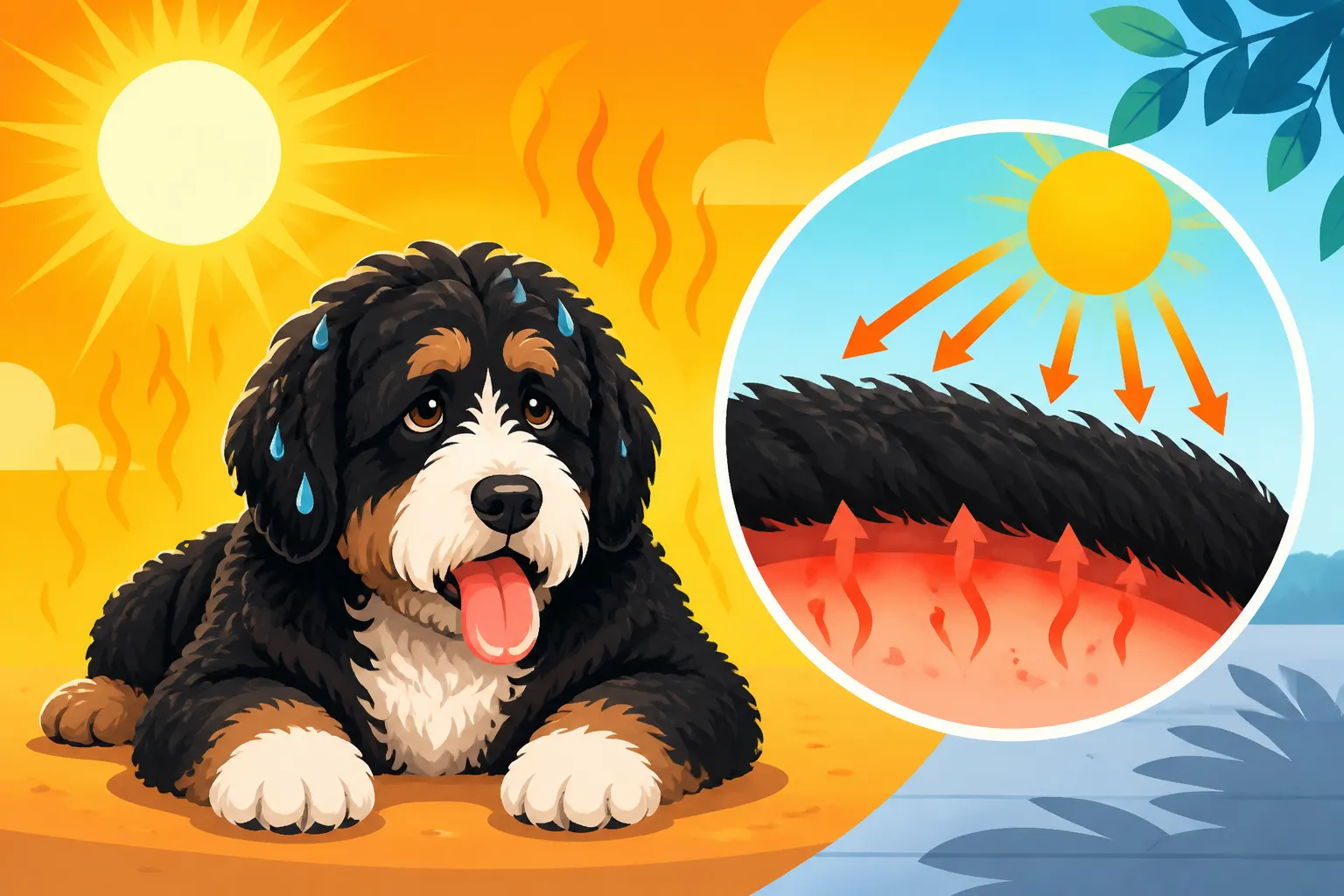
It's basic science, really, but understanding it helps us grasp why our black Bernedoodles face a tougher battle against the heat. Dark colors, especially black, are notorious for absorbing more solar radiation than lighter colors. Think about wearing a black t-shirt on a sunny day versus a white one – the difference in how hot you feel is immediate and dramatic.
How Dark Pigment Influences Core Temperature
The pigment in your Bernedoodle's black fur doesn't just absorb visible light; it absorbs a significant amount of the sun's infrared radiation, which is the heat-carrying part of sunlight. This absorbed energy gets trapped in the outer layers of their coat, heating it up much faster and to a higher temperature than a lighter-colored coat would. It's like having a built-in solar panel on their back, constantly drawing in heat. This external heat then begins to transfer to their skin and, eventually, to their internal core temperature. This process is far more efficient in dark coats, meaning a black Bernedoodle's body has to work harder and faster to dissipate heat from the get-go.
The Trapping Effect of a Thick Double Coat
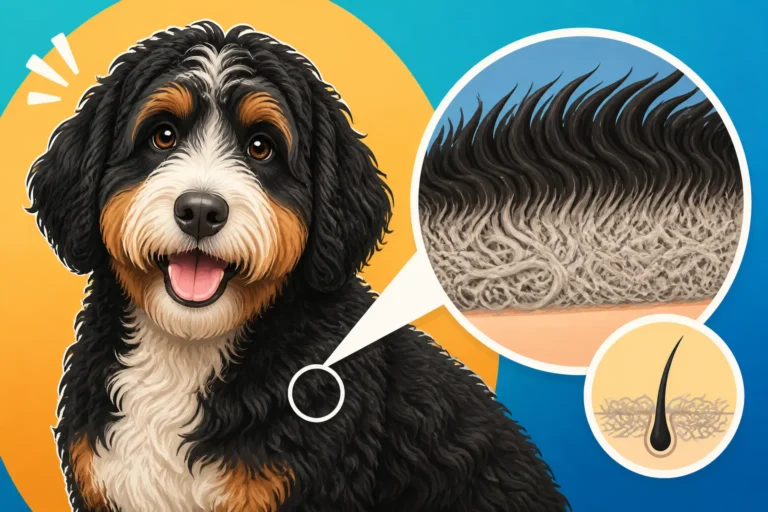
Now, add to this the fact that many Bernedoodles inherit a wonderfully thick, often wavy or curly, double coat from their Bernese Mountain Dog ancestry, sometimes even retaining an undercoat. This dense fur, while fantastic for keeping them warm in winter, acts as an insulating barrier year-round. When that outer layer of black fur starts absorbing and holding onto heat, the underlying density of the coat can actually trap that warmth against their body. It prevents air from circulating freely to their skin, making it incredibly difficult for their natural cooling mechanisms – like panting and radiating heat from their paws – to be effective. It creates a stifling microclimate right around their skin, essentially turning their beautiful black coat into a hot, insulating blanket when what they desperately need is to release heat.
Increased Risk Factors for Black Bernedoodles in Summer
Beyond the basic physics, there are specific scenarios and characteristics that make black Bernedoodles particularly vulnerable during the warmer months. It's not just about comfort; it's about real health risks that can escalate quickly.
Prolonged Exposure to Direct Sunlight
Imagine your black Bernedoodle lounging in a sunny spot in the yard, soaking up the rays. While it might look peaceful, that direct sun exposure is rapidly turning their dark fur into an oven. Even on a moderately warm day, if they're in direct sunlight for an extended period, their body temperature can climb to dangerous levels much faster than a lighter-colored dog. We often underestimate how quickly this can happen. A ten or fifteen-minute sunbathing session for a light-coated dog might be tolerable, but for a black Bernedoodle, it could be the start of serious overheating. They often don't realize they're too hot until it's too late, driven by instinct to find a comfortable spot, which sometimes happens to be directly in the sun. This is especially critical during peak sun hours between 10 AM and 4 PM, where UV radiation and heat are at their strongest.
Exercise in Warmer Temperatures
Bernedoodles, especially standard sizes, are often energetic dogs who love their walks and playtime. But pushing a black Bernedoodle to exercise on even a mild summer day, let alone a hot one, can be extremely risky. Their dark coat and insulating fur mean their body temperature rises much more quickly during physical activity. The combination of internal heat generation from muscle exertion and external heat absorption from their coat creates a perfect storm for heat stress. A twenty-minute walk that a light-colored dog might tolerate could be enough to push a black Bernedoodle into heat exhaustion or worse. You might think a morning walk at 8 AM is safe, but if the sun is already out and shining on that black coat, your dog is already at a disadvantage. It’s crucial to understand Whether a Bernedoodle Should Be Walked in Summer and adjust your routine drastically.
Higher Risk of Heatstroke Compared to Lighter Coats
This isn't just a slight difference; it's a significant increase in the potential for heatstroke. Heatstroke is a medical emergency, and a black Bernedoodle's predisposition to overheating puts them at the front of the line for this life-threatening condition. Once their core body temperature exceeds a safe range (typically around 105-106°F or 40.5-41°C), their internal organs can start to fail. The speed at which this can occur in a black-coated dog is frightening. While all dogs can get heatstroke, the thermal properties of a dark coat mean that a black Bernedoodle has a much smaller margin for error and a faster trajectory towards crisis in hot conditions. Heatstroke Risk in a Dark Coated Bernedoodle is a very real concern that every owner of a black-coated dog must be acutely aware of.
Proactive Measures for Summer Safety
Knowing the risks is the first step; taking proactive action is the next. We owe it to our beloved black Bernedoodles to implement strategies that keep them safe and comfortable during the warmer months. These aren't just suggestions; for a dark-coated dog, they're often non-negotiable lifesavers.
Adjusting Your Daily Schedule
The most straightforward and effective measure is to completely re-evaluate your dog's daily schedule. Forget morning walks at 9 AM and evening romps at 5 PM if the sun is high and the temperatures are anything above mild. For a black Bernedoodle, walks and outdoor playtime must be relegated to the very coolest parts of the day: early morning, often before the sun has even truly risen, and late evening, well after sunset. Even then, check the pavement temperature with your hand – if it's too hot for your palm, it's too hot for their paws. During the hottest hours, keep your Bernedoodle indoors in air conditioning or a shaded, cool environment. This simple shift can make all the difference in preventing their body from accumulating dangerous levels of heat. Understanding The Temperature a Bernedoodle Should Not Be Walked In is paramount.
Utilizing Cooling Gear and Accessories
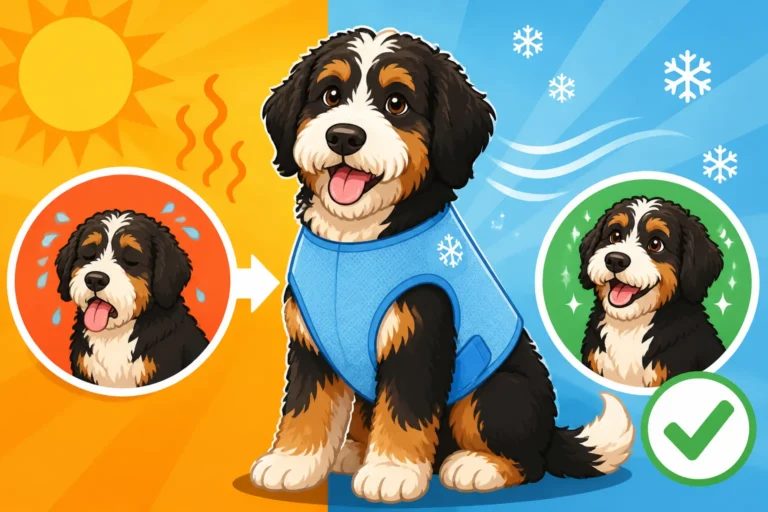
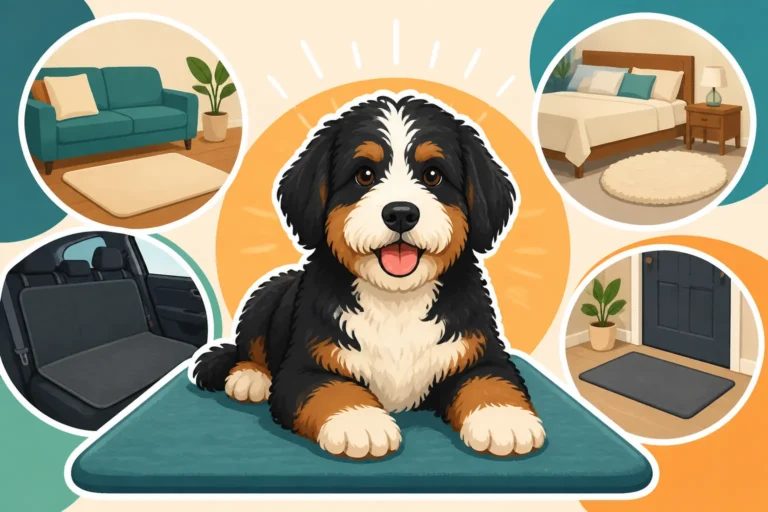
Thankfully, there's a whole world of cooling gear designed to help dogs like our Bernedoodles stay comfortable. Cooling vests, which often work by evaporative cooling or containing gel packs, can be incredibly effective. Look for options that fit well and don't restrict movement. Cooling mats, especially gel-filled ones that activate with pressure, provide a wonderful spot for them to lie down and dissipate heat. You can find excellent options for these on sites like Chewy or Amazon. Portable water bowls are a must-have for any outing, ensuring constant access to fresh, cool water. Some owners even use dog-safe "cool coats" or simply dampen a towel with cool water and drape it over their dog's back during short outdoor excursions or car rides. Remember, these are aids, not solutions for prolonged exposure, but they can significantly enhance comfort and safety when used appropriately.
Strategic Grooming for Heat Management
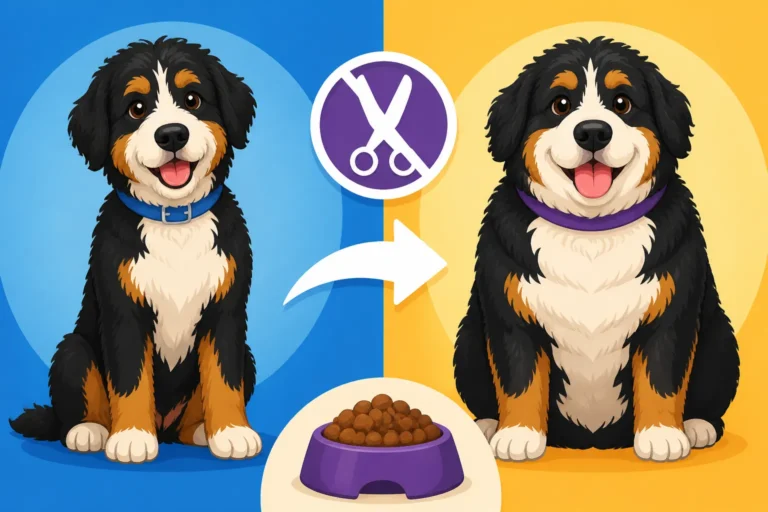
While a full shave is generally not recommended as it can expose their skin to sunburn and disrupt natural insulation, strategic grooming can help. A skilled groomer can thin out the undercoat, which is the primary insulator, without taking the guard hairs too short. This allows for better air circulation closer to the skin. Discuss a "summer cut" with your groomer that shortens the coat length overall but leaves enough to protect against sunburn. Ensure that areas prone to matting, like armpits and behind the ears, are kept clear, as mats further impede airflow. Trimming the hair between their paw pads can also aid in heat dissipation, as dogs sweat through their paws. Whether a Shaved Bernedoodle Handles Heat Better is a nuanced discussion, but reducing coat density is often a good compromise.
Common Misconceptions and What Not to Do
In our eagerness to help our dogs, we can sometimes fall prey to well-meaning but ultimately harmful advice or practices. It's crucial to distinguish between effective strategies and those that might put your black Bernedoodle at even greater risk.
Avoid Shaving a Bernedoodle Down to the Skin
This is perhaps the biggest misconception. While it seems logical that less hair equals less heat, shaving a Bernedoodle completely down to the skin can actually be detrimental. Their coat, even a thick one, provides a layer of insulation that protects them from both cold and heat. Removing it entirely exposes their delicate skin to the sun's harsh UV rays, leading to sunburn, skin damage, and an increased risk of skin cancer. Moreover, it can disrupt the natural thermoregulation process that their coat provides. Instead of a cooling effect, you might find their bare skin heats up even faster. A proper trim that shortens but doesn't remove their protective layer is usually the better approach. Whether Shaving Actually Cools a Bernedoodle depends heavily on the coat type and length.
Never Leave Your Bernedoodle in a Parked Car
This cannot be stressed enough, regardless of coat color, but it's especially critical for black Bernedoodles. The interior temperature of a car can skyrocket in minutes, even on a seemingly mild day with the windows cracked. A black Bernedoodle's ability to absorb heat means they will reach dangerous temperatures even faster. Leaving your dog in a parked car, even "just for a minute," is a death sentence. The risk of heatstroke in this scenario is incredibly high and completely preventable. Always take your Bernedoodle with you or leave them safely at home in an air-conditioned environment. This is one of the most vital warnings: Why a Bernedoodle Must Never Wait in a Parked Car.
Don't Assume Shade or Water is Always Enough
While shade and water are absolutely essential, relying solely on them without other precautions, especially for a black Bernedoodle, can be dangerous. A shaded area might still be radiating heat from the ground, or the ambient air temperature might be too high for a dog struggling to dissipate heat through panting. Similarly, providing water is critical for hydration, but it won't prevent internal overheating if the dog is continually exposed to high external temperatures or is over-exercising. A black Bernedoodle needs active cooling strategies in addition to passive ones like shade and water, especially if outdoor activity is unavoidable for short periods. Don't be complacent; always combine multiple cooling efforts.
Recognizing and Responding to Heatstroke
Even with the best precautions, accidents can happen, or a situation can escalate unexpectedly. Knowing the signs of heatstroke and how to react promptly is absolutely critical for saving your black Bernedoodle's life. This is not a situation for a "wait and see" approach.
Early Warning Signs of Overheating
Catching overheating early is key. The first signs might be subtle. Your black Bernedoodle might start panting heavily, even at rest, with rapid, shallow breaths. Their gums might appear darker red than usual. You might notice excessive drooling, sometimes thick and stringy. They may seek out cool surfaces or try to dig. Look for a change in demeanor – they might become sluggish, disoriented, or unusually restless. As it progresses, their eyes may appear glazed over, and they might seem less responsive to commands. Any of these signs should trigger immediate action. Familiarize yourself with Signs a Bernedoodle Is Overheating to be prepared.
Progressive Symptoms of Heatstroke
As overheating progresses into full-blown heatstroke, the symptoms become more severe and alarming. Your Bernedoodle's panting will become frantic, almost like hyperventilating. Their gums might turn pale, blueish, or even brick red, indicating circulation problems. They may stagger, lose coordination, or even collapse. Vomiting and diarrhea are common, and in severe cases, seizures can occur. Muscle tremors or unconsciousness are grave signs that require immediate veterinary intervention. The time from early signs to critical condition can be very short for a black Bernedoodle due to their difficulty in cooling down.
Immediate First Aid and Veterinary Care
If you suspect heatstroke, act immediately. Your first priority is to begin cooling your dog down while simultaneously getting them to the nearest emergency vet.
- Move to a cool area: Get them out of the sun and into air conditioning or the coolest available shade.
- Apply cool water: Do NOT use ice-cold water, as this can cause blood vessels to constrict and actually hinder cooling. Use cool (not cold) water to wet their entire body, especially their belly, armpits, and groin. You can use a hose, a wet towel, or even a bucket. A portable spray bottle can work in a pinch.
- Use a fan: If possible, place a fan directed at their wet body to aid evaporative cooling.
- Offer small amounts of water: If they are conscious and able to swallow, offer small sips of cool (not cold) water. Do not force them to drink.
- Get to the vet: Even if they seem to be cooling down, it is critical to get them to a veterinarian as quickly as possible. Heatstroke can cause internal organ damage that isn't immediately visible, and professional medical attention is essential for monitoring and follow-up care. Your vet will know the best way for Cooling a Bernedoodle Down Safely.
Here's a quick reference table for heatstroke progression:
| Symptom Severity | Early Warning Signs | Moderate Overheating Signs | Severe Heatstroke Signs |
|---|---|---|---|
| Panting | Heavy, rapid panting at rest | Frantic, uncontrollable panting | Labored, gasping, or cessation of panting |
| Gums/Tongue | Dark red, slightly tacky | Bright red, dry, possibly purplish | Pale, bluish, or grey (indicating shock) |
| Energy Level | Lethargic, seeking cool spots | Disoriented, wobbly, stumbling | Collapse, seizures, unconsciousness |
| Other Physical | Excessive drooling, increased thirst | Vomiting, diarrhea (possibly bloody), muscle tremors | Rapid or irregular heartbeat, unresponsive pupils |
| Urgency | Monitor closely, start cooling measures | IMMEDIATE active cooling and contact vet | EMERGENCY vet care required without delay |
Long-Term Considerations for Black Bernedoodles in Warm Climates
If you live in a region with consistently warm or hot summers, owning a black Bernedoodle requires even more dedicated long-term planning and commitment. It's not just about getting through a few hot days, but about ensuring their quality of life year after year.
Creating a Cool Home Environment
For a black Bernedoodle in a warm climate, your home effectively becomes their sanctuary. Air conditioning is not a luxury; it's a necessity. Keep your indoor temperatures comfortable, especially during the hottest parts of the day and night. Ensure they have access to cool, tiled floors or cooling mats, which can be found readily on Amazon or Chewy. Consider using blackout curtains on windows that receive direct sun to keep rooms from heating up. If you have a multi-level home, they might gravitate to a cooler basement. Some owners even use dedicated room fans to help circulate cool air and create a comfortable breeze for their dog. This continuous focus on a cool indoor environment is vital for their well-being. Whether Air Conditioning Is Necessary for a Bernedoodle is a question that usually gets a resounding "yes" for black-coated dogs in warm areas.
Diet and Hydration Support
While diet won't prevent heatstroke, it can play a supporting role in overall health and hydration. Ensure your Bernedoodle always has access to fresh, cool water. Consider adding extra water to their kibble, or explore fresh dog food options. Brands like Ollie, for instance, offer meals with higher moisture content, which can contribute to their overall hydration. You want to make sure they are not just drinking enough, but also retaining that hydration. Avoid feeding large meals right before or after any planned outdoor activity, as digestion generates heat. Splitting their daily food into smaller, more frequent meals might also be beneficial during hot spells. Healthy treats, especially frozen fruit or vegetable purees, can be a refreshing and hydrating snack.
Limitations on Outdoor Activities and Lifestyle Adjustments
A black Bernedoodle in a perpetually warm climate might simply not be able to enjoy the same types of extensive outdoor activities as a lighter-coated dog in a cooler region. You might need to adjust your expectations about long hikes or all-day adventures during many months of the year. Consider alternative forms of exercise that are less heat-intensive, such as swimming (if they enjoy it and it's safe) or indoor dog sports in air-conditioned facilities. Even then, remember that exertion creates heat, so moderation is key. This isn't just about avoiding heatstroke; it's about minimizing chronic heat stress that can impact their overall health and happiness. A long-term commitment to their comfort means making significant lifestyle adjustments, prioritizing their safety over human convenience or past activity preferences.
Disclaimer
This article is for general informational purposes only and does not constitute professional advice. Laws, prices and regulations vary by location and change over time. Consult a qualified professional for guidance on your specific situation.