Whether a Bernedoodle Prefers to Sleep Outside in Winter
Many Bernedoodle owners, captivated by their dog's robust appearance and fluffy coat, often wonder if these wonderful companions prefer the brisk, open air for their slumber, even in the depths of winter. The reality is, while a Bernedoodle might tolerate cold better than some breeds, the idea that they prefer to sleep outside in winter is a myth that can lead to significant health and safety risks. This guide will walk you through why your Bernedoodle is truly happiest, healthiest, and safest nestled inside with their family when the snow flies and the temperatures plummet.
Unpacking the Bernedoodle's Cold Weather DNA
It’s easy to look at a fluffy Bernedoodle and think they're built for the cold, like some kind of furry winter warrior. And it's true, they do inherit some remarkable traits. But it's also important to understand which traits and how they combine, because it's not a simple one-size-fits-all answer.
The Bernese Mountain Dog's Alpine Heritage
The Bernese Mountain Dog, one half of your Bernedoodle's lineage, hails from the Swiss Alps. These dogs were bred for hard work in cold, mountainous regions, pulling carts, driving cattle, and guarding farmsteads. Their defining feature is that magnificent, thick double coat – a soft, insulating undercoat and a longer, water-repellent outer coat. This combination is incredibly effective at trapping body heat and shedding snow, making them well-suited for short periods in very cold temperatures while active. They have a natural inclination for cold weather and often seem to perk up when the temperature drops, enjoying a good romp in the snow. This genetic blueprint gives your Bernedoodle a significant advantage when it comes to chilly weather.
The Poodle's Less Robust Protection
On the other side of the family tree, we have the Poodle. While often perceived as a delicate, high-maintenance breed, Poodles are actually hardy, intelligent dogs. However, their coat is quite different from a Bernese. Poodles possess a single layer, curly coat that is dense but lacks the insulating undercoat found in double-coated breeds. This single coat is fantastic for water work, as it dries relatively quickly, and it's also why Poodles are often favored by allergy sufferers. But for prolonged, inactive exposure to extreme cold, a Poodle's coat offers less protection than a Bernese's. They don't have that secondary layer designed specifically to keep them warm when stationary in frigid temperatures. So, your Bernedoodle gets a mix of these two coat types, which means their cold tolerance isn't quite as straightforward as their Bernese parent.
Bernedoodle Coat Variations and Their Insulation
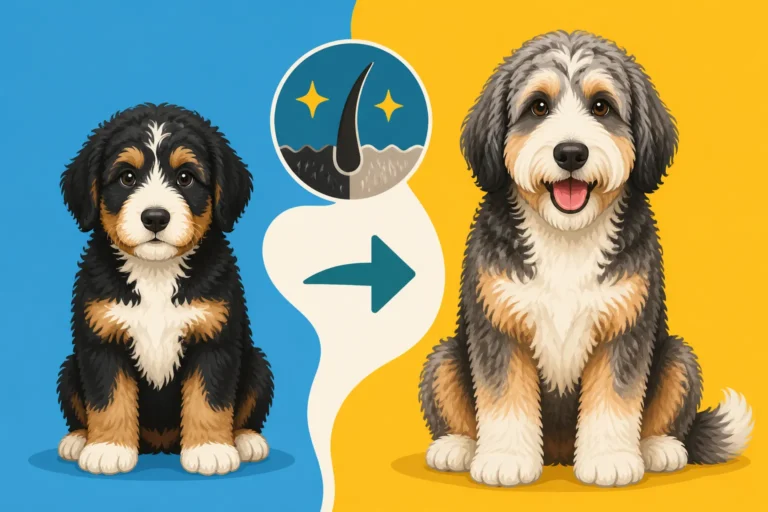
The Bernedoodle's coat is famously variable, and this variation directly impacts their natural insulation against winter's chill. You might have an F1 Bernedoodle with a wavy coat, an F1b with a curlier, more Poodle-like coat, or a multigen Bernedoodle with a blend.
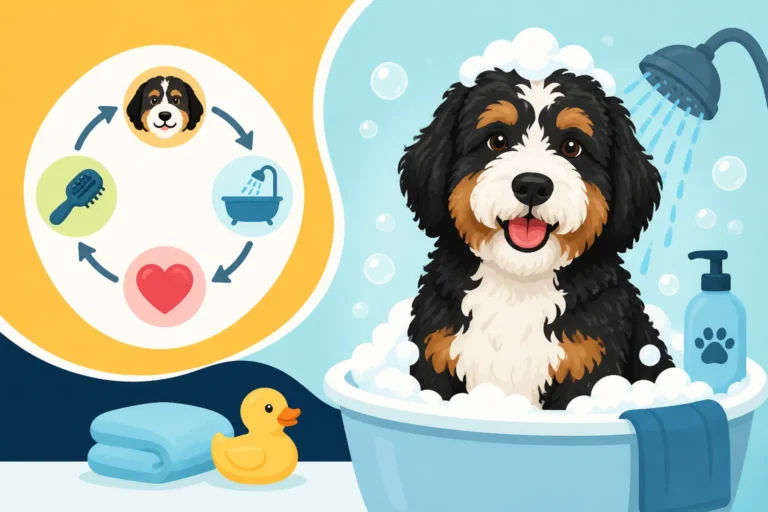
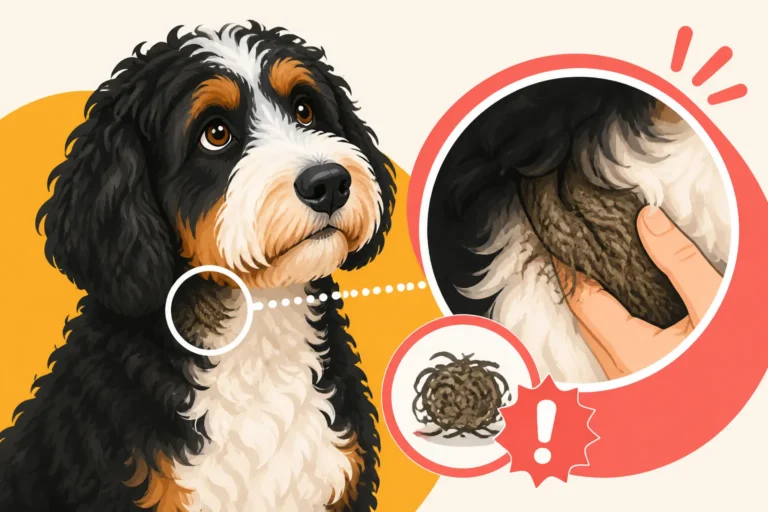
- Curly Coats: These tend to be denser and can trap more air, providing good insulation. However, a curly coat must be kept meticulously free of mats. Matted fur loses its insulating properties, becoming compacted and allowing cold air and moisture to penetrate to the skin. This means regular brushing is essential, even in winter. How Often a Bernedoodle Should Be Brushed is crucial for these coats.
- Wavy Coats: This is a common Bernedoodle coat type, often referred to as the "fleece" coat. It offers a good balance of density and softness. Like curly coats, these also benefit from being mat-free to maintain their insulating capabilities. The Wavy Coat Most Bernedoodles Carry often appears fluffy but still needs care.
- Straighter Coats: While less common, some Bernedoodles can inherit a straighter coat that sheds more and often has less density than the curlier varieties. These coats offer the least protection against cold and wet weather, making these Bernedoodles more vulnerable to the elements.
Regardless of the specific texture, remember that The Coat a Bernedoodle Gets From Two Heavy Coated Parents is designed to keep them warm, but it's not magic. A Bernedoodle's coat, no matter how thick, offers limited protection when they are static and exposed to very low temperatures, especially if it's damp or dirty.
Why "Preferring" Outdoor Winter Sleep is a Myth
While your Bernedoodle might love playing in the snow or tolerating a quick potty break on a frosty morning, equating this with a "preference" for sleeping outside during winter is a dangerous misunderstanding of canine needs and safety. Dogs are not wild animals, and their domesticity comes with different expectations and vulnerabilities.
Instinct vs. Human Interpretation of Comfort
It’s true that many dogs, including Bernedoodles, seem to enjoy the cold. You might see them rolling in the snow, catching snowflakes, or even lounging on a patch of frozen ground for a few minutes. This is often their Bernese heritage shining through. They are active and often invigorated by cooler temperatures. However, enjoying active time in the cold is vastly different from sleeping in it. When a dog is sleeping, their metabolic rate slows, and they aren't generating as much body heat through movement. Their ability to regulate temperature drops significantly, making them far more susceptible to the actual dangers of prolonged cold exposure. A dog might tolerate being outside, perhaps because they're anxious indoors or simply haven't been given a warm alternative, but this isn't a true preference for comfort or safety. Their natural instinct is to seek warmth and shelter, just like us.
The Real Dangers of Cold Exposure for Bernedoodles
Leaving a Bernedoodle to sleep outside in winter, even in what might seem like a sheltered spot, exposes them to serious risks that far outweigh any perceived "preference."
- Hypothermia: This is when a dog's body temperature drops below normal, leading to shivering, lethargy, muscle stiffness, and eventually organ failure. Even a thick coat cannot prevent this if temperatures are too low for too long.
- Frostbite: Ears, paw pads, and tails are particularly vulnerable to frostbite, which can cause tissue damage and, in severe cases, necessitate amputation. Imagine how uncomfortable and painful that would be.
- Increased Metabolic Strain: To stay warm in cold conditions, a dog's body has to burn more calories. This can lead to rapid weight loss, fatigue, and a weakened immune system, making them more susceptible to illness. For older Bernedoodles or those with underlying health conditions, this strain is even more dangerous. Keeping an Old Bernedoodle Comfortable indoors is especially important as they age.
- Dehydration: Dogs can become dehydrated in winter just as easily as in summer. Their water bowls can freeze solid, cutting off their access to vital hydration.
- Other Dangers: Beyond the cold itself, outdoor sleeping leaves them vulnerable to predators, theft, accidental poisoning from antifreeze, and exposure to harmful weather elements like ice and harsh winds.
For a Bernedoodle, The Temperature a Bernedoodle Should Not Be Walked In is typically in the low single digits (Fahrenheit) or below zero, and prolonged exposure at these temperatures, especially overnight, is simply too risky.
The Deep-Seated Need for Proximity and Security
Dogs are deeply social animals, pack creatures by nature. While they might not be hunting in packs anymore, that primal need for connection and security with their family remains strong. When you leave a Bernedoodle to sleep alone outside, you're not just exposing them to the physical cold, but also to emotional isolation. They thrive on being part of the household, feeling safe and secure within their "den" – your home. Even the largest, most confident Bernedoodle benefits immensely from the comfort of being near their human family. This isn't just about physical warmth, but profound psychological well-being. Whether a Bernedoodle Needs Someone Home highlights their need for companionship, and this extends to nighttime. Being excluded from the warmth and security of the family home for an entire night, especially in harsh weather, can lead to anxiety, stress, and behavioral issues.
What if Outdoor Time is Unavoidable or Desired Briefly?
Let's be realistic: sometimes, dogs spend short periods outdoors in winter, whether for potty breaks, supervised play, or if there's an emergency that necessitates temporary outdoor shelter. The key is brief and supervised. For these situations, or if you simply have an outdoor space for your Bernedoodle during the day, creating a genuinely safe and warm area is paramount.
Building a Truly Insulated and Safe Outdoor Shelter
A simple wooden box is not enough. If your Bernedoodle must spend any significant time outdoors when it's cold, they need proper shelter. Think about it like a mini, insulated house.
- Insulation is Key: The dog house walls, floor, and roof should be insulated. This can be done with rigid foam insulation panels between two layers of plywood.
- Elevated Floor: The floor should be raised several inches off the cold ground to prevent heat loss and keep moisture out. You can use bricks or wooden skids.
- Appropriate Size: The house should be just large enough for your Bernedoodle to stand up, turn around, and lie down comfortably. A house that's too big won't retain body heat effectively.
- Small, Protected Opening: The entrance should be small, perhaps with a heavy, chew-proof flap, to minimize heat loss and block wind. Face the opening away from prevailing winds.
- Weatherproof Exterior: The outside should be sealed and waterproof to keep rain and snow out.
Remember, this is for temporary shelter, not a full-time residence, especially when the temperatures truly drop. Even with the best setup, it's never as safe or warm as being inside your home.
Providing Appropriate Warmth and Bedding
Once you have a structurally sound shelter, the internal warmth is next.
- Straw, Not Blankets: For outdoor shelters, thick, dry straw (like agricultural straw) is often recommended over blankets or towels. Straw is excellent for insulation, resistant to moisture, and dogs can burrow into it. Blankets, on the other hand, can absorb moisture, freeze, and offer poor insulation once damp.
- Self-Warming Beds or Heated Mats: For extra warmth, consider a self-warming pet bed (which reflects the dog's body heat back to them) or a heated pet mat designed specifically for outdoor use. Always ensure any electrical cords are chew-proof and safe from the elements. You can find many options on platforms like Chewy or Amazon.
- Regular Checks: Bedding, especially straw, needs to be checked regularly (daily in harsh conditions) to ensure it's dry and free of urine or feces. Damp bedding is useless and dangerous.
Strict Monitoring and Limiting Exposure
Even with the best outdoor setup, a Bernedoodle should never be left unsupervised for extended periods or overnight in freezing temperatures.
- Constant Vigilance: Always monitor your dog for signs of cold, such as shivering, hunching, whining, or trying to burrow.
- Water Access: Ensure they have access to unfrozen water. Heated water bowls can prevent freezing.
- Know Their Limits: Even a cold-tolerant Bernedoodle has limits. Whether a Bernedoodle Should Be Walked in Summer is a common question about heat, but knowing their cold limits is just as vital. When temperatures dip very low (single digits Fahrenheit or below), or if there's a severe wind chill, outdoor time should be absolutely minimal, regardless of shelter. Bring them inside.
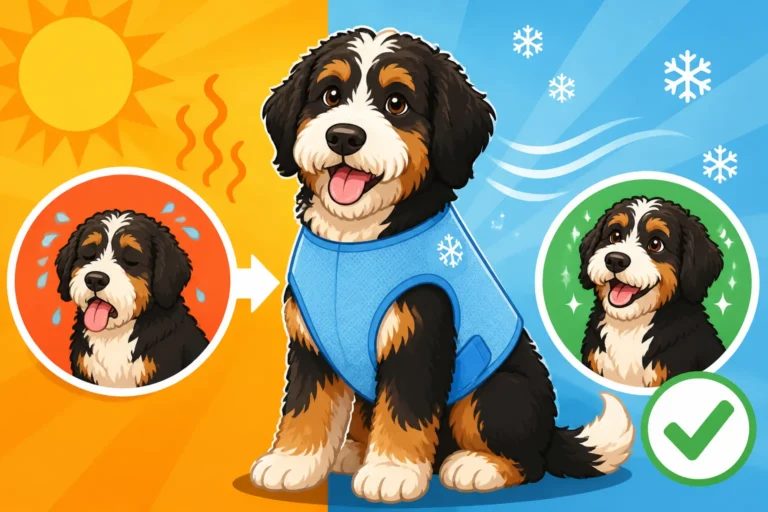
- Appropriate Gear: For brief outings, consider a dog coat, especially for Bernedoodles with thinner or clipped coats. Whether a Bernedoodle Needs a Coat in Winter is often a good idea for added protection.
Cultivating the Best Winter Comfort for Your Bernedoodle Indoors
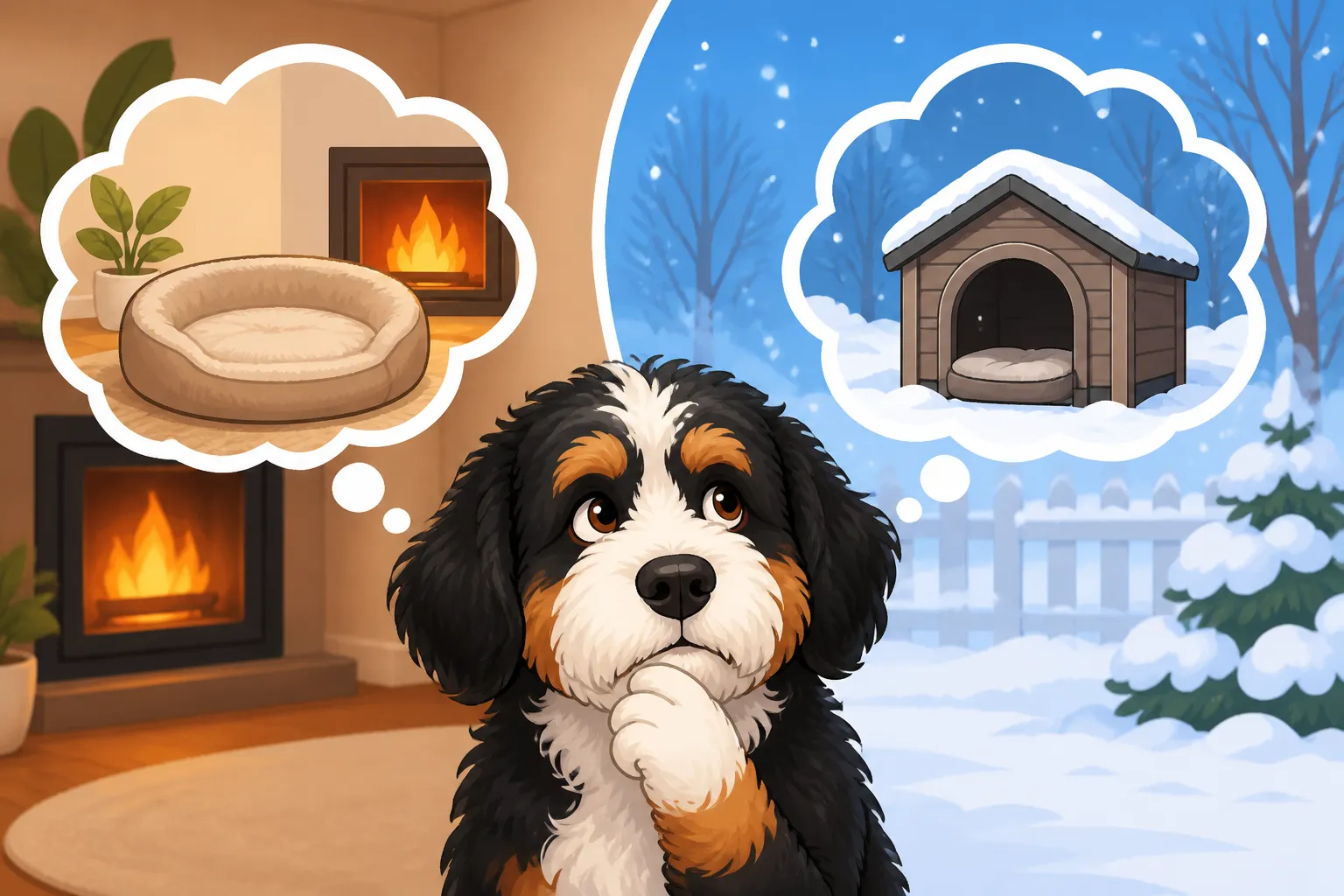
The undeniable truth is that your Bernedoodle's safest and happiest place to sleep during winter is inside, nestled warmly within your home. Providing a comfortable indoor environment meets both their physical needs for warmth and their emotional need for companionship.
Creating a Cozy Indoor Retreat
Your Bernedoodle, no matter how big, deserves a cozy spot indoors where they feel safe, warm, and part of the family.
- Supportive Beds: Invest in a good quality, orthopedic dog bed, especially for larger Bernedoodles. Their size and potential for joint issues mean they need good support off the hard floor. Place it in a draft-free area, perhaps near a sunny window or in a quiet corner of a family room.
- Blankets and Comfort Items: Provide soft blankets for them to burrow into. Many Bernedoodles love to "nest" and arranging their blankets is a charming ritual.
- Designated Space: Even if they sleep on your bed (lucky you!), having their own dog bed or crate that is their personal retreat is important for their sense of security. Make sure their crate, if used, is comfortable and inviting, not a punishment zone.
Balancing Outdoor Enrichment with Indoor Warmth
Winter doesn't mean your Bernedoodle has to become a couch potato. They still need mental and physical exercise.
- Smart Outdoor Play: Enjoy short, supervised play sessions outside when the weather allows. A brisk walk in fresh snow can be exhilarating for them. Just be mindful of their paw pads on ice or salt – consider dog boots. Ice Balls in a Bernedoodle's Feathering can also be an issue, so check their paws after play.
- Appropriate Winter Gear: For longer walks or when temperatures are particularly low, a dog coat can add an extra layer of warmth, especially if your Bernedoodle's coat is clipped short.
- Indoor Activities: On truly bitter days, pivot to indoor games. Tug-of-war, hide-and-seek with treats, puzzle toys, and training sessions can keep their minds and bodies engaged. A regular routine of The Exercise a Standard Bernedoodle Needs Daily is important for their overall health, but it needs to be adapted for winter.
Nutritional Adjustments and Health Checks for Winter
Winter can bring subtle changes to your Bernedoodle's needs.
- Balanced Nutrition: If your Bernedoodle is very active outdoors in the cold, they might burn more calories. Discuss with your vet if a slight adjustment to their food intake is necessary to maintain a healthy weight. However, be cautious not to overfeed, as Whether an Overweight Bernedoodle Loses Years is a serious concern. Brands like Ollie, which offer fresh, balanced meals, can be a great way to ensure they are getting all the nutrients they need to stay healthy year-round.
- Hydration: Always ensure access to fresh, clean water indoors.
- Vigilance for Health Changes: Keep a close eye on your Bernedoodle during winter. Cold weather can sometimes exacerbate conditions like arthritis, making Managing Arthritis in an Old Bernedoodle even more critical. If you notice any changes in their gait, energy levels, or appetite, consult your veterinarian.
Winter Sleeping Environment Comparison
Here's a quick comparison to help you visualize the ideal vs. less-than-ideal winter sleeping situations for your Bernedoodle:
| Feature | Indoor Sleeping (Recommended) | Outdoor Sleeping (Not Recommended for Overnight/Prolonged) |
|---|---|---|
| Temperature Control | Consistent, comfortable warmth | Fluctuating, potentially dangerous low temperatures |
| Shelter Quality | Draft-free, weatherproof, secure home environment | Variable, even well-built dog houses have limits |
| Comfort | Soft, supportive bed, blankets, human proximity | Hard surfaces, straw (if provided), potential for dampness |
| Safety Risks | Minimal risks from elements, predators, theft | Hypothermia, frostbite, dehydration, predators, theft, accidental poisoning |
| Social & Emotional | Feeling secure, part of the "pack," reduced anxiety | Isolation, potential for anxiety, stress, behavioral issues |
| Health Impact | Stable body temperature, less metabolic strain, improved sleep | Increased metabolic strain, weakened immune system, higher risk of illness and injury |
| Required Monitoring | Standard daily care | Constant vigilance, frequent checks for cold stress, dry bedding, unfrozen water |
Ultimately, while your Bernedoodle might tolerate a roll in the snow, their true preference, and certainly their safest option, is to sleep warm and secure inside your home. They are cherished family members, and their well-being, especially during the colder months, depends on your thoughtful care. For more on ensuring your Bernedoodle thrives in colder weather, check out Winter With a Bernedoodle and Whether a Bernedoodle Suits a Cold Climate.
Disclaimer
This article is for general informational purposes only and does not constitute professional advice. Laws, prices and regulations vary by location and change over time. Consult a qualified professional for guidance on your specific situation.