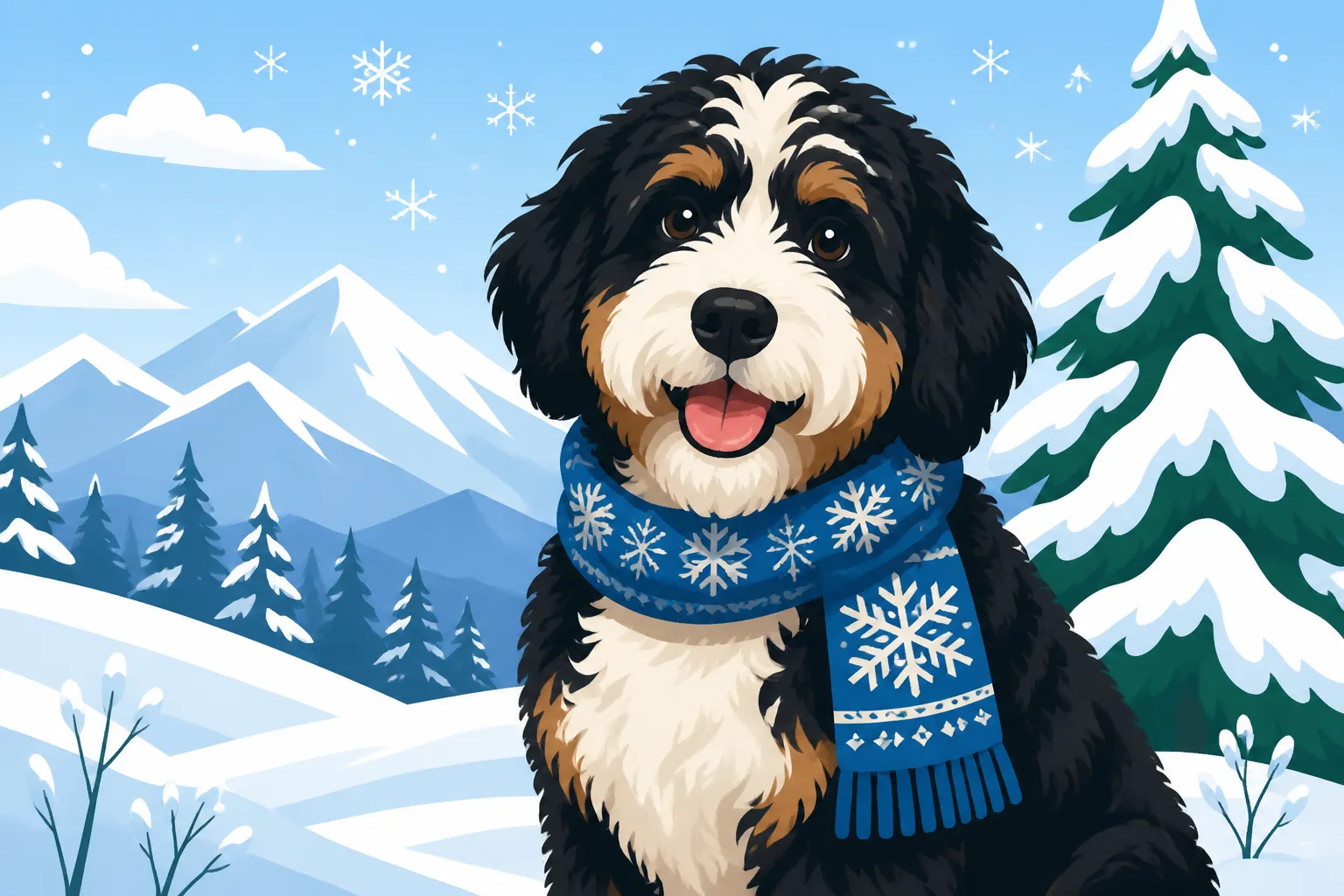
Winter With a Bernedoodle
As the colder months approach, many Bernedoodle owners find themselves wondering how to best prepare their fluffy companions for winter's chill. It's easy to assume that a big, shaggy dog like a Bernedoodle is automatically equipped to handle frigid temperatures, but the reality is more nuanced, and proper care is crucial to keep them healthy and happy. This comprehensive guide will walk you through everything you need to know to ensure your Bernedoodle thrives during the winter season, from coat care to nutrition and exercise.
Understanding Your Bernedoodle's Winter Needs
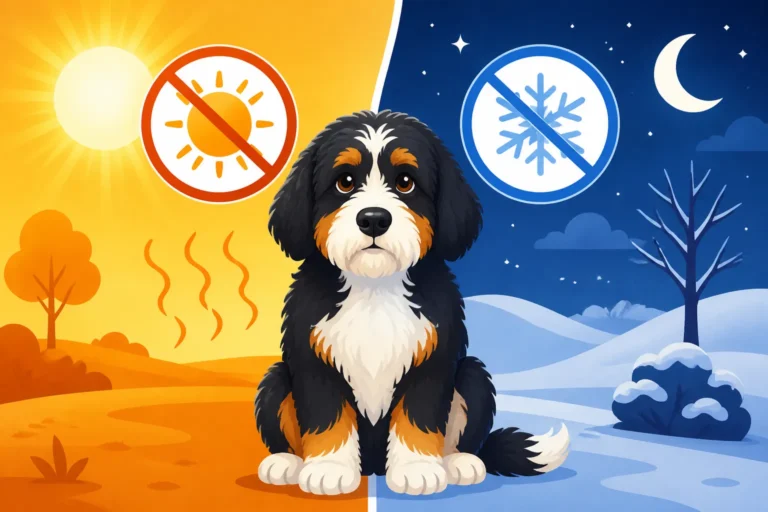
When you think about winter and dogs, your mind might instantly picture huskies frolicking in the snow. Bernedoodles are a different story, a wonderful blend of the cold-hardy Bernese Mountain Dog and the often-more-sensitive Poodle. This mix means their individual needs can vary quite a bit, making a "one size fits all" approach impractical and potentially even harmful. Understanding the genetic influences on your dog's winter tolerance is the first step toward providing the best care.
The Bernese Mountain Dog Influence
The Bernese Mountain Dog hails from the Swiss Alps, a region known for its harsh, snowy winters. This breed was historically used for drafting, driving cattle, and guarding farmhouses, meaning they were bred to spend significant time outdoors in cold conditions. They possess a thick, double coat that offers excellent insulation, acting like a natural winter jacket. This undercoat is dense and soft, while the outer coat is longer and slightly wavy, designed to repel snow and moisture.
Because of this heritage, many Bernedoodles inherit a good degree of cold tolerance. They often enjoy playing in the snow, rolling around, and even just lounging in chilly weather. This background provides a fantastic foundation for winter resilience, but it's important to remember that even a Bernese can get too cold if exposed for too long without activity, or if they are very young, old, or unwell. The Bernese side certainly contributes to The Coat a Bernedoodle Gets From Two Heavy Coated Parents, giving them a natural advantage in cooler climates.
The Poodle's Cold Weather Traits
On the other side of the family tree, we have the Poodle, a breed that, despite its elegant appearance, was originally bred as a water retriever. Their dense, curly, single coat is excellent for insulation, especially when wet, and it traps body heat effectively. However, Poodles generally don't have the same thick undercoat as a Bernese, and if their coat is clipped short, their natural protection against the cold is significantly reduced.
This Poodle influence means that while your Bernedoodle might have some of the Bernese's cold tolerance, they might also inherit a coat type that, if not properly managed, offers less insulation. A Poodle's coat, when left to grow, can provide quite a bit of warmth, but it's not the same as a double coat. If your Bernedoodle leans more towards the Poodle side in terms of coat texture and thickness, especially if it's a shorter clip, they might feel the cold more acutely than their shaggier counterparts. This is why paying close attention to your individual dog's comfort levels is paramount.
Bernedoodle Coat Types and Winter Protection
Bernedoodles come in a wonderful variety of coat types, from straight and wavy to curly, and this variety directly impacts how they handle winter weather. A straight-coated Bernedoodle might shed more and have less insulation if they lack the dense undercoat. A wavy coat, often seen as the "classic" Bernedoodle look, can offer good protection, especially if it's kept at a moderate length. The curly-coated Bernedoodle, which leans heavily into the Poodle genetics, will have a dense, woolly coat that, when grown out, offers excellent insulation by trapping air.
However, all these coats require careful attention in winter. Mats can form quickly when coats get wet and rub, and these mats can pull at the skin, be uncomfortable, and crucially, reduce the insulating properties of the coat. A matted coat is like a compromised winter coat, making your dog more susceptible to the cold. We'll delve deeper into this in the grooming section, but for now, understand that even the fluffiest Bernedoodle isn't automatically invincible against winter, and their specific coat type dictates much of their natural protection.
Protecting Paws and Preventing Ice Balls
One of the most overlooked aspects of winter care for Bernedoodles is paw protection. While their bodies might be well-insulated, their paws are directly exposed to cold, ice, snow, and harsh chemicals. These elements can cause everything from minor discomfort to serious injury, making paw care a non-negotiable part of your winter routine.
The Dangers of Icy Pavement and Road Salt
Imagine walking barefoot on a frozen sidewalk or through a puddle filled with ice and harsh chemicals – that's what your Bernedoodle's paws can experience. Icy pavements and sidewalks pose a slip-and-fall risk, not just for you, but for your dog, potentially leading to sprains, strains, or worse, especially for a larger breed like a Standard Bernedoodle that can weigh upwards of ninety pounds. Beyond the physical impact, the sheer cold can cause frostbite on exposed paw pads if walks are too long or temperatures too extreme.
Then there's the insidious threat of road salt and de-icing chemicals. These substances are designed to melt ice, but they are highly irritating to paw pads, causing dryness, cracking, and even chemical burns. When your Bernedoodle licks their paws after a walk, they ingest these chemicals, which can lead to digestive upset, vomiting, or even more severe toxicity depending on the type and quantity ingested. It's a double whammy: physical harm from the elements and chemical harm from the treatments we use on our roads and sidewalks. Whether Road Salt Hurts a Bernedoodle's Feet is a serious concern every winter.
Choosing the Right Paw Protection
Given the dangers, what's a loving Bernedoodle owner to do? Paw protection comes in a few forms, and the best choice often depends on your dog's tolerance and the specific conditions. Paw balms, like Musher's Secret or generic paw waxes available on Chewy or Amazon, create a protective barrier against snow, ice, and salt. They keep pads moisturized, preventing cracking. You simply rub a thin layer onto their pads before a walk. However, these don't offer much protection against sharp ice or prolonged exposure to very cold surfaces.
For more robust protection, dog booties are the way to go. Finding the right fit is crucial – too loose, and they'll fall off; too tight, and they'll be uncomfortable. Look for booties with good traction and waterproof material. Some Bernedoodles take to booties immediately, while others require patience and positive reinforcement to get used to them. Start with short sessions indoors, rewarding heavily, and gradually increase wear time. While they might look a little silly at first, booties are invaluable for protecting sensitive paws from the elements and chemicals.
Dealing with Ice Balls and Snow Clumps
Bernedoodles with their often long, flowing coats, particularly on their legs and between their paw pads, are prone to developing ice balls. These are painful clumps of snow and ice that cling to their fur, growing larger and pulling at their skin with every step. They can accumulate quickly, especially in powdery or slushy snow, turning a fun winter romp into a miserable experience.
To prevent ice balls, consider trimming the fur between your Bernedoodle's paw pads and the longer feathering on their legs before winter truly sets in. A good groomer can do this easily, or you can carefully do it yourself with blunt-nosed scissors. After a snowy walk, immediately check your Bernedoodle for ice balls. Do not pull them off! Instead, gently warm the area with your hands or lukewarm water (never hot) to melt the ice, then comb out the softened clumps. Ice Balls in a Bernedoodle's Feathering are a common winter annoyance, so preparation and prompt removal are key to keeping your dog comfortable.
Essential Winter Grooming for Your Bernedoodle
Bernedoodles are renowned for their beautiful, often curly or wavy coats, which are a major part of their charm. However, this dense, luscious fur becomes both a blessing and a challenge during winter. The cold months demand an even more diligent grooming routine than usual to prevent painful matting, maintain insulation, and keep your dog healthy. Neglecting their coat in winter can lead to discomfort, skin problems, and even hypothermia.
The Importance of Regular Brushing in Winter
In winter, your Bernedoodle's coat is exposed to snow, ice, mud, and fluctuating temperatures, all of which can wreak havoc on their fur. Wet snow can easily knot the coat, and if it dries without being brushed out, it quickly forms tight, painful mats. These mats not only pull at the skin but also compromise the coat's natural insulating properties by preventing air from circulating and trapping moisture against the skin, which can lead to skin irritation or infections. Regular, thorough brushing is the first line of defense.
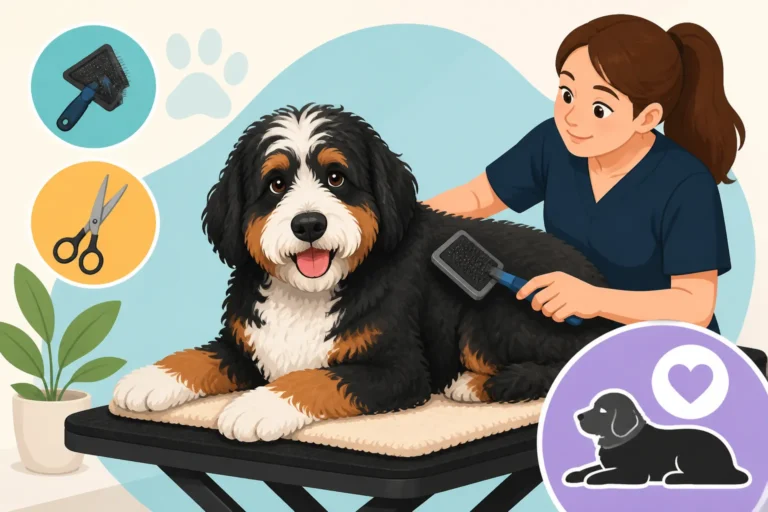
You should aim for daily brushing, especially after outdoor play in snow. This isn't just a quick surface brush; you need to line brush, getting down to the skin to remove any tangles, loose hair, and potential mats. A good quality slicker brush and a metal comb are your best friends here. Focus on areas prone to matting: behind the ears, armpits, britches (the long hair on their hind legs), and their tail. This daily ritual prevents small tangles from becoming enormous, impenetrable mats that might require a complete shave-down. For more insights on this, refer to The Volume of Coat a Bernedoodle Owner Brushes Weekly and The Slicker and Rake a Bernedoodle Needs.
Winter Baths and Drying Techniques
While you might think bathing less in winter is a good idea to prevent your Bernedoodle from getting cold, sometimes a bath is necessary, especially if they've rolled in something unpleasant or their coat has become excessively dirty and matted with winter grime. The key is how you bathe and dry them. Never let your Bernedoodle air dry in winter, especially if they're going outside or if your home is chilly. Residual moisture trapped in their dense coat can lead to them becoming dangerously cold or developing skin issues.
After a bath, towel-dry your Bernedoodle as thoroughly as possible. Then, use a high-velocity force dryer, if you have one, or a regular hairdryer on a cool or low-heat setting, keeping it moving constantly to avoid burning their skin. Ensure their coat is bone-dry all the way to the skin before they are allowed outside or left unsupervised. This process might take a significant amount of time, especially for a standard-sized Bernedoodle, but it's critical for their health and comfort during the colder months. Plan bath days carefully, perhaps earlier in the day when you have plenty of time.
Managing Mats and Undercoat in Cold Weather
The combination of a thick coat, winter weather, and less frequent professional grooming (due to the cold or less available appointments) makes matting a prime concern for Bernedoodle owners. Mats, as mentioned, are not just cosmetic; they can be incredibly painful, causing skin irritation, hot spots, and even restricting movement. In extreme cases, severe matting can hide underlying skin infections or parasites, going unnoticed until the dog is shaved down.
If you encounter mats that brushing alone can't handle, don't try to rip them out. This is painful for your dog and can cause skin damage. Instead, try to carefully work them apart with a mat splitter or by gently teasing them with a comb. If a mat is too close to the skin or too large, it's always best to take your Bernedoodle to a professional groomer. They have the right tools and expertise to safely remove mats, often with specialized clippers, minimizing discomfort. Regular grooming helps manage the dense undercoat that contributes to matting, especially in Bernedoodles leaning more towards their Bernese heritage. Keeping the coat at a manageable length can be a lifesaver for both you and your dog.
Adjusting Exercise and Outdoor Play in Winter
Bernedoodles, regardless of their size, are active dogs that require regular exercise to stay physically and mentally healthy. Winter, with its shorter days, colder temperatures, and often slippery conditions, presents unique challenges to maintaining their activity levels. It's crucial to adjust their exercise routine to ensure they get enough stimulation without risking their health or safety.
Safe Winter Activities for Bernedoodles
Just because it's cold doesn't mean your Bernedoodle needs to be cooped up indoors! Many Bernedoodles absolutely adore snow. Short bursts of playing fetch in a securely fenced yard, romping through fresh powder, or even trying out some basic scent work in the snow can be fantastic ways to burn off energy. Consider activities like "hide and seek" with treats in the snow to engage their minds and bodies. If you live in an area with safe, cleared trails, brisk walks can still be a great option.
However, always prioritize safety. Avoid icy patches, busy roads where salt is heavily used, and areas with deep, uncleared snow that might hide hazards. If your Bernedoodle enjoys pulling, you could even introduce them to recreational dog sledding or skijoring (where your dog pulls you on skis) on soft, groomed trails, provided they are properly trained and conditioned. Remember that even though many Bernedoodles tolerate cold well, Whether a Bernedoodle Should Be Walked in Summer is a question many owners face for overheating, and a similar cautious approach, albeit for cold, is needed in winter. Always gauge your dog's enthusiasm and comfort.
Recognizing Signs of Cold Stress
It's easy to assume your Bernedoodle, with their thick coat, is invincible in the cold. But even the hardiest dogs can succumb to cold stress, hypothermia, or frostbite if exposed for too long, especially in extreme temperatures or when wet. Signs of cold stress can be subtle at first. Look for shivering, hunching, whining, or lifting paws off the ground. These are clear indications that your dog is getting too cold and needs to come inside immediately.
More severe signs include lethargy, weakness, shallow breathing, and stiff muscles. Frostbite can affect ears, tail, and paw pads, appearing as pale, waxy, or grayish skin that feels cold to the touch. If you suspect your Bernedoodle is suffering from severe cold stress or frostbite, wrap them in warm blankets and contact your veterinarian immediately. It's always better to err on the side of caution and limit outdoor time when temperatures drop significantly or if there's a biting wind.
The "Five-Minute Rule" and Joint Health
During puppyhood, and even into young adulthood, a Bernedoodle's joints are still developing. Over-exercising a growing large-breed puppy can lead to orthopedic problems like hip or elbow dysplasia later in life. The "five-minute rule" suggests that a puppy should only get five minutes of structured exercise per day per month of age. So, a four-month-old puppy would get 20 minutes, spread throughout the day. This rule applies year-round but is particularly important in winter when slippery surfaces can put extra strain on developing joints.
For adult Bernedoodles, especially those prone to joint issues (a concern given the Bernese lineage), slippery ice and snow can increase the risk of injury. A sudden slip or fall can exacerbate existing arthritis or lead to new injuries like torn ligaments. Moderate exercise on softer, less slippery surfaces is preferable. Consider indoor play or shorter, more frequent outdoor trips on cleared paths. Joint supplements, discussed further below, can also play a role in supporting their joint health, but careful exercise management is paramount. If your Bernedoodle has existing issues, you might want to read Exercise That Suits a Bernedoodle With Bad Elbows.
Winter Nutrition and Hydration Considerations
Just as our own bodies have different needs in winter, so do our Bernedoodles. The colder weather can impact their metabolism, energy expenditure, and overall health, necessitating some adjustments to their diet and hydration routines. It's not just about what they eat, but also how much, and ensuring they stay well-hydrated is crucial, even when it doesn't feel as hot.
Maintaining Ideal Weight Through Winter
Some dogs, particularly those who spend more time outdoors or have higher energy expenditure in the cold, might naturally burn more calories to maintain their body temperature. For these Bernedoodles, a slight increase in their food intake might be appropriate. However, many Bernedoodles spend more time indoors during winter, meaning their activity levels might actually decrease. In this scenario, maintaining their regular portion sizes could lead to unwanted weight gain. An overweight Bernedoodle puts additional strain on their joints, which is especially concerning for a breed already prone to orthopedic issues.
It's important to monitor your Bernedoodle's weight and body condition closely throughout the winter months. You should be able to easily feel their ribs without seeing them, and they should have a discernible waist when viewed from above. If you notice weight gain, adjust their food intake slightly downwards and increase indoor activity. If they're particularly active outdoors and seem to be losing weight, a small, gradual increase in high-quality food, perhaps from brands like Ollie, known for its fresh food options, could be beneficial. Always make dietary changes slowly to avoid upsetting their digestive system.
Ensuring Adequate Hydration in Cold Climates
Just because it's cold outside doesn't mean your Bernedoodle needs less water. In fact, cold, dry winter air, combined with indoor heating, can be very dehydrating. Dogs can also become less motivated to drink cold water, or if their outdoor water bowls freeze, they might not have access to it. Dehydration can lead to serious health issues, impacting kidney function, digestion, and overall vitality.
Ensure your Bernedoodle always has access to fresh, unfrozen water. If you have outdoor water bowls, consider using heated bowls (available on Amazon) to prevent freezing. Indoors, ensure their water bowl is always full and clean. Some dogs might be encouraged to drink more if you add a splash of low-sodium chicken broth to their water or offer wet food, which has a higher moisture content. Monitoring their water intake and ensuring they're drinking regularly is a simple yet vital part of winter care.
Supplements for Joint Support in Colder Months
Bernedoodles, due to their Bernese Mountain Dog lineage, are predisposed to orthopedic issues such as hip and elbow dysplasia. The cold, damp weather of winter can often exacerbate joint pain and stiffness, making existing conditions more uncomfortable and potentially accelerating the onset of arthritis. This is where joint supplements can play a beneficial role, providing extra support during these challenging months.
Supplements containing ingredients like glucosamine, chondroitin, MSM, and omega-3 fatty acids (DHA/EPA) are commonly recommended for large breeds to support joint health. Glucosamine and chondroitin help maintain cartilage and joint fluid, while MSM provides anti-inflammatory benefits. Omega-3s are powerful anti-inflammatories that can help reduce discomfort and improve mobility. Always consult your veterinarian before starting any new supplement regimen to ensure it's appropriate for your Bernedoodle's specific needs and health status. These supplements aren't a cure, but they can certainly contribute to Keeping an Old Bernedoodle Comfortable as they age, especially during cold snaps.
Creating a Cozy and Safe Indoor Environment
While Bernedoodles generally enjoy outdoor activities, winter often means more time spent indoors. Making sure your home environment is comfortable, stimulating, and safe is just as important as outdoor care. A well-prepared indoor space can prevent boredom, reduce anxiety, and protect your Bernedoodle from potential hazards associated with winter heating and reduced outdoor time.
Warm Bedding and Designated Resting Spots
After a chilly outdoor adventure, or simply to escape the draft, your Bernedoodle needs a warm, comfortable place to rest and recuperate. Investing in a high-quality, orthopedic dog bed is always a good idea for a large breed, but in winter, consider beds that offer extra insulation or even self-warming features. Placing their bed away from drafty windows or doors, and perhaps in a warmer, carpeted area of the house, can make a big difference.
For Bernedoodles with joint issues, elevated beds can help keep them off cold floors, and orthopedic foam provides excellent support, reducing pressure on sore joints. Having multiple designated resting spots around the house can give your Bernedoodle choices and allow them to move with the warmth or quiet as needed. Just like us, a good night's sleep or a cozy nap in a warm spot contributes significantly to their overall well-being. For ideas on suitable bedding, you might find Beds That Support a Heavy Old Bernedoodle helpful.
Indoor Activities to Keep Your Bernedoodle Engaged
When outdoor playtime is limited by extreme cold or bad weather, boredom can quickly set in, leading to destructive behaviors or anxiety. Bernedoodles are intelligent dogs that need mental and physical stimulation. Plan for a variety of indoor activities to keep them happy and engaged. Puzzle toys, like KONGs stuffed with treats (you can find many on Chewy), or snuffle mats, can keep them occupied and challenge their minds.
Obedience training sessions, learning new tricks, or practicing existing commands can be fun indoor activities that strengthen your bond and provide mental exercise. Indoor fetch in a safe, open area, or even a game of hide-and-seek with their favorite toy, can burn off some physical energy. Rotate toys regularly to keep things interesting. A bored Bernedoodle is more likely to chew on furniture or bark excessively, so proactive engagement is key.
Carbon Monoxide and Heater Safety
Winter often means increased use of heating systems, fireplaces, and space heaters, all of which come with potential risks for pets. Carbon monoxide is an odorless, colorless gas that can be fatal to both humans and animals. Ensure your home has working carbon monoxide detectors, especially if you use gas furnaces, fireplaces, or wood stoves. Dogs are often more susceptible to carbon monoxide poisoning than humans due to their faster metabolism and smaller size.
Space heaters, while great for supplemental warmth, pose a burn risk and can be easily knocked over by a large, clumsy Bernedoodle, leading to fires. Always keep space heaters on a stable surface, away from anything flammable, and never leave them unsupervised when your Bernedoodle is in the room. Fireplaces also need screens to prevent embers from sparking out and causing burns or fires. Educating yourself on Whether a Bernedoodle Prefers to Sleep Outside in Winter can highlight that despite their origins, a warm, safe indoor space is paramount.
When to Seek Veterinary Advice in Winter
Even with the best preventative care, winter can bring unique health challenges for Bernedoodles. Being vigilant and knowing when to consult your veterinarian is crucial for addressing potential issues promptly and ensuring your dog's continued well-being. Don't hesitate to reach out to your vet if you notice anything unusual.
Recognizing Winter-Related Health Issues
Beyond frostbite and hypothermia, several other health concerns can become more prevalent or exacerbated in winter. Respiratory infections, much like the common cold in humans, can spread easily among dogs, especially if they are exposed to sudden temperature changes or interact with many other dogs. Keep an eye out for coughing, sneezing, nasal discharge, or lethargy.
Arthritis symptoms often worsen in cold, damp weather. If your older Bernedoodle, or one with known joint issues, seems more stiff, reluctant to move, or is limping more than usual, it's time for a vet check. They might benefit from pain management, anti-inflammatory medications, or changes to their supplement regimen. Skin dryness and flakiness can also be an issue due to low humidity indoors and out; a vet can recommend moisturizing shampoos or dietary supplements to help. Regular veterinary check-ups throughout the year are important, but in winter, pay extra attention, as discussed in The Screening a Bernedoodle Should Have Yearly.
Hypothermia and Frostbite Concerns
As discussed earlier, even robust Bernedoodles can suffer from hypothermia (dangerously low body temperature) or frostbite (tissue damage from freezing). Hypothermia occurs when a dog's body loses heat faster than it can produce it. Symptoms range from mild (shivering, lethargy) to severe (collapse, coma, shallow breathing). Frostbite is less common but can be very serious, particularly affecting extremities like ears, tail, and paw pads.
If you suspect either, immediate action is vital. For hypothermia, gently warm your dog by wrapping them in warm (not hot) blankets, moving them to a warm environment, and offering warm water or broth. For frostbite, avoid rubbing the affected areas, as this can cause further damage. Instead, gently warm the area with lukewarm water. In both cases, once first aid is administered, contact your veterinarian immediately. These are medical emergencies that require professional intervention.
Maintaining Regular Vet Checks
Winter, with its holidays and colder weather, often sees a dip in routine vet visits. However, maintaining your Bernedoodle's regular health checks, or even scheduling an extra one if they are older or have chronic conditions, is paramount. A vet can catch subtle changes in health that you might miss, such as worsening joint disease, early signs of respiratory issues, or changes in weight that need addressing.
They can also discuss preventative measures, recommend appropriate winter supplements, and ensure your Bernedoodle's vaccination and parasite prevention schedule is up to date, as some parasites can still be a concern in winter. Don't let the cold be an excuse to skip essential health monitoring. Your veterinarian is your best partner in ensuring your Bernedoodle remains healthy and happy all year round, especially when the snow starts to fall.
| Winter Concern | Signs to Watch For | Prevention / Immediate Action | When to Call the Vet |
|---|---|---|---|
| Cold Stress / Hypothermia | Shivering, whining, hunching, lifting paws, lethargy, weakness, shallow breathing | Limit outdoor time, use coats/booties, provide warm indoor resting spots, gently warm with blankets if suspected | If shivering is persistent, dog is unresponsive, or exhibiting severe symptoms |
| Frostbite | Pale, waxy, gray/blue skin on ears/tail/paws; cold to touch; pain | Limit exposure, paw protection, check extremities regularly, gently warm affected area with lukewarm water | Immediately, if frostbite is suspected, as tissue damage can be severe |
| Paw Irritation / Road Salt | Licking paws excessively, limping, red/cracked pads, vomiting after licking | Use paw balm/booties, wipe paws thoroughly after walks, avoid salted areas | If paws are severely cracked, bleeding, or dog shows signs of toxicity |
| Matting | Tangled fur, dense clumps, skin irritation under mats, discomfort when touched | Daily line brushing, professional grooming, trim paw/leg feathering | If mats are large, tight, or causing visible skin issues |
| Worsening Arthritis | Increased stiffness, limping, reluctance to move, difficulty rising/lying down | Warm bedding, moderate exercise, vet-approved joint supplements | If symptoms worsen significantly or pain appears unmanaged |
| Respiratory Issues | Coughing, sneezing, nasal discharge, lethargy, fever | Avoid exposure to sick dogs, ensure good ventilation, provide warm environment | If symptoms are persistent, severe, or accompanied by fever/loss of appetite |
Disclaimer
This article is for general informational purposes only and does not constitute professional advice. Laws, prices and regulations vary by location and change over time. Consult a qualified professional for guidance on your specific situation.