Grooming an Old Bernedoodle That Cannot Stand Long
The heart of a Bernedoodle owner aches when their once-spry companion starts to slow down, and one of the most challenging parts of this journey can be maintaining their beautiful coat when they can no longer comfortably stand for a lengthy grooming session. It's a real struggle to keep them looking and feeling good without causing discomfort or stress. This comprehensive guide is here to walk you through compassionate and effective strategies for grooming your beloved senior Bernedoodle, ensuring they remain happy and healthy even when standing for long isn't an option.
Understanding the Challenges of an Older Bernedoodle's Groom
Watching your Bernedoodle age is a privilege, but it also comes with a unique set of challenges, especially when it comes to their grooming needs. The very things that make grooming a routine task for a young, bouncy pup become significant hurdles for an older dog with diminishing stamina and increasing aches. It's not just about them being "lazy"; their bodies are genuinely telling them no.
Decreased Stamina and Mobility
One of the first things you'll notice in an aging Bernedoodle is a decline in their physical endurance. That eagerness to stand on the grooming table, full of wiggles and kisses, often gives way to a reluctance to remain still, or even a struggle to stay upright for extended periods. Their joints might be aching, their muscles weaker, and balancing on a slick surface can be truly frightening. It's heartbreaking to see them try to shift their weight, searching for comfort, when every position feels like a challenge. Many older Bernedoodles develop Arthritis in a Bernedoodle at Eight, making any prolonged standing deeply uncomfortable, even painful. What was once a quick brush-out can become an ordeal that leaves both of you exhausted and stressed. They might start to lean heavily on you, or collapse into a sitting position mid-brush, not out of defiance, but because their body simply can't handle the strain anymore.
Coat Changes in Senior Years
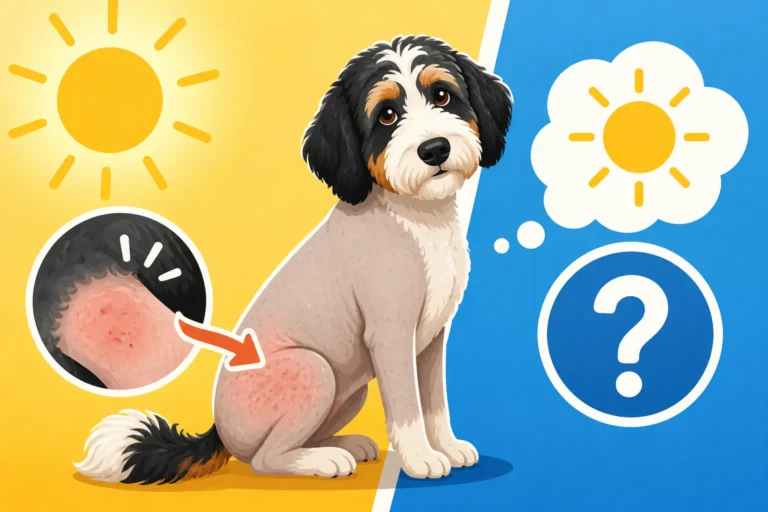
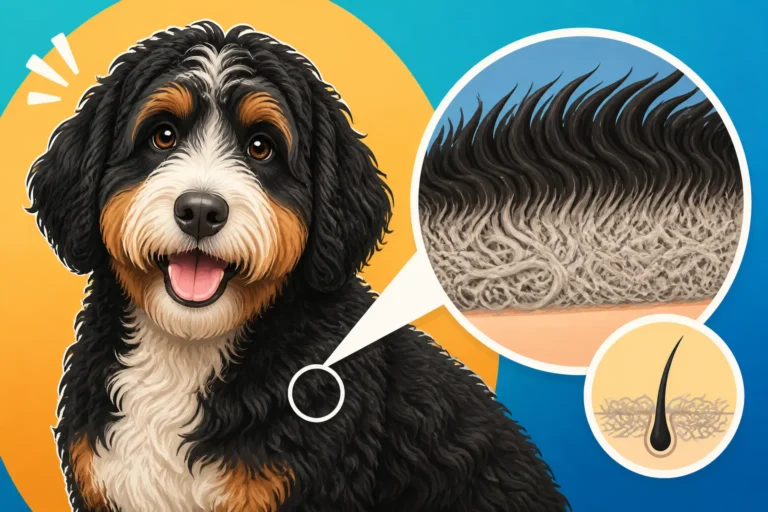
As our Bernedoodles gracefully enter their golden years, their magnificent coats can undergo subtle, yet impactful, transformations. While we might associate aging with thinning hair, it's not uncommon for a senior Bernedoodle's coat to become denser in some areas, or even more prone to matting due to changes in skin elasticity and oil production. We've all wondered Whether an Old Bernedoodle's Coat Thins, and while it can in some cases, other changes like dullness, dryness, or a coarser texture are just as common. This can make brushing a tougher job, as the bristles might not glide through as easily, pulling on sensitive skin. Furthermore, older dogs tend to move less, spending more time lying down, which can create pressure points where mats form quickly, especially behind the ears, in the armpits, or along their flanks. Their skin might also become thinner and more delicate, making them more susceptible to irritation from prolonged brushing or even the friction of mats.
Emotional and Behavioral Shifts
Beyond the physical changes, our senior Bernedoodles can also experience shifts in their emotional and behavioral responses to grooming. What was once a tolerated or even enjoyed activity can become a source of anxiety or confusion. Some older dogs develop mild cognitive dysfunction, making them less patient with repetitive tasks or more prone to feeling disoriented. They might forget previous training, becoming more "stubborn" or resistant, when in reality, they're simply feeling vulnerable or anxious. Loud noises, unfamiliar sensations, or even just the sustained physical contact of grooming can trigger unease. Their hearing might be less acute, making verbal reassurance harder to process, and their eyesight might be dimming, increasing their reliance on familiar routines and gentle touch. It's crucial to remember that these aren't deliberate acts of defiance; they're often expressions of discomfort, fear, or simply the natural progression of aging impacting their tolerance levels.
Adapting Your Grooming Approach for Comfort
When your senior Bernedoodle can no longer stand comfortably for grooming, it's a clear signal that your approach needs a compassionate overhaul. This isn't about giving up on their care; it's about finding new ways to ensure they stay clean, comfortable, and mat-free without adding stress or pain. Think of it as tailoring the experience specifically to their evolving needs.
Shorter, More Frequent Sessions
The days of hour-long, comprehensive grooming sessions might be behind you, and that's perfectly okay. For an older Bernedoodle with reduced stamina and potential joint discomfort, breaking down the grooming process into much shorter, more frequent sessions is an absolute game-changer. Instead of trying to tackle a full brush-out, bath, and nail trim all at once, consider dividing it into smaller, manageable chunks. Perhaps you do their back and one side on Monday, the other side and belly on Tuesday, and then focus on their legs and tail on Wednesday. Nail trims can be a quick, separate task on another day entirely. This strategy not only reduces the physical strain on your dog but also helps prevent them from becoming overwhelmed or anxious. Each session should be brief – maybe 10-15 minutes max – ending on a positive note with plenty of praise and a special treat from a brand like Ollie, known for its palatable fresh food options that make great high-value rewards. Remember, consistency is key, even if it's in short bursts.
Finding the Right Environment
The environment where you groom your senior Bernedoodle plays a massive role in their comfort and cooperation. What worked for a puppy might now be completely unsuitable. First and foremost, choose a quiet, calm space where distractions are minimal. A bustling kitchen with family members coming and going isn't ideal; a peaceful bedroom or a dedicated grooming corner might be better. Ensure the surface you're working on is non-slip and stable. A bath mat on a hard floor or a specialized grooming mat on a table can provide much-needed traction and security, preventing slips that could exacerbate joint pain or cause fear. Consider the temperature of the room too; older dogs, especially those with less muscle mass, can get chilled easily. A slightly warmer room can help keep their muscles relaxed. If you're grooming on the floor, consider a thick, supportive blanket or Beds That Support a Heavy Old Bernedoodle to cushion their joints and offer a sense of security. The goal is to create a serene, safe haven where they feel supported, not stressed.
Gentle Handling and Communication
When grooming an older Bernedoodle, your touch and voice become even more important tools. They're more sensitive, often more fragile, and certainly more attuned to your emotional state. Every movement should be deliberate, slow, and gentle. Avoid sudden tugs or quick shifts of position. Use a soft, reassuring voice throughout the process, even if they can't see or hear you as well as they once did. Constant verbal praise, even for just a few seconds of cooperation, can make a huge difference. Pay close attention to their body language: a quick lick of the lips, a yawn, turning their head away, or stiffening can all be subtle signs of discomfort or stress. If you notice these cues, take a break. Offer a soft word, a gentle stroke, or a small treat before attempting to continue. Sometimes, simply resting your hand on them for a moment, letting them feel your calm presence, is enough to reset and continue. Remember, building trust and maintaining their comfort is paramount, even if it means slowing down considerably.
Specialized Tools and Techniques for Limited Mobility
Grooming an older Bernedoodle with limited mobility isn't about making do with your old tools; it's about upgrading and adapting your kit to ensure their comfort and safety. Investing in the right specialized equipment and learning tailored techniques can transform a stressful chore into a more manageable, even pleasant, routine for both of you.
Support Aids for Standing and Lying
For Bernedoodles who struggle to stand for brushing or drying, supportive aids are a godsend. A grooming sling, often used for smaller dogs but available in larger sizes, can gently support their weight on a grooming table, allowing their feet to touch the surface while taking the strain off their joints. This can make brushing and even some light clipping much easier. If a table isn't an option, or they prefer to be on the floor, investing in a high-quality orthopedic dog bed can provide excellent cushioning for lying down grooming sessions. There are fantastic options available on Chewy that offer superior joint support. For tasks like brushing, you can encourage them to lie on their side, using a supportive pillow or bolster to keep them comfortable and steady. Teaching them a "down-stay" command, especially a relaxed one, can be invaluable. You might also consider a non-slip bath mat or a durable yoga mat on the floor to give them secure footing if they do need to shift or stand for a moment. The key is to provide stability and minimize any effort required from their aching joints.
Ergonomic Brushes and Quiet Dryers
Your choice of grooming tools can significantly impact your senior Bernedoodle's experience. Look for brushes with ergonomic handles that are comfortable for you to hold, reducing hand fatigue during longer, more careful sessions. For your Bernedoodle, choose brushes with softer bristles or flexible heads that conform to their body, minimizing pulling on their delicate skin or thinning coat. A good quality slicker brush with protected tips and a metal comb are still essential for getting through their dense Bernedoodle coat, but use them with extreme gentleness. When it comes to drying, loud force dryers, while efficient, can be very distressing for older dogs, especially those with diminished hearing or increased anxiety. While a What a Force Dryer Costs for a Bernedoodle can be a consideration, for a senior dog, a quieter, lower-power option might be better, or even towel drying followed by air drying in a warm, draft-free room. If a dryer is necessary, invest in one with adjustable speeds and heat, and introduce it slowly, keeping it on the lowest, quietest setting possible. The aim is to reduce noise and vibration that might startle or discomfort them.
Safe Clipping and Trimming Practices
Clipping and trimming an older Bernedoodle requires extra caution and precision. Their skin can be thinner, more prone to tearing, and they might have lumps, bumps, or tender spots that you need to avoid. Always use sharp, clean clippers with a fresh blade to ensure smooth cuts and prevent pulling. Dull blades can pull hair, causing pain and clipper burn. For areas like paw pads, consider using smaller, quieter trimmers designed for delicate work. Cutting Black Nails on a Bernedoodle is always a challenge, but even more so when they can't stand. Instead of struggling to hold up their paw, try trimming a nail or two while they're lying down or even just relaxing in your lap. A Dremel tool can also be a gentler option for nails, as it grinds rather than cuts, reducing the risk of cutting into the quick, which can be particularly traumatic for an older dog. Always keep styptic powder close by for any accidental nicks. The goal is small, controlled movements, prioritizing their comfort above all else, even if it means the trim isn't perfectly even.
Grooming Tasks for a Non-Standing Bernedoodle
When your Bernedoodle can't stand for grooming, it feels like the whole routine has to be reinvented. But don't worry, many essential tasks can still be accomplished effectively and comfortably with a few adjustments and a lot of patience. It’s all about working with their limitations, not against them.
Brushing and Dematting While Lying Down
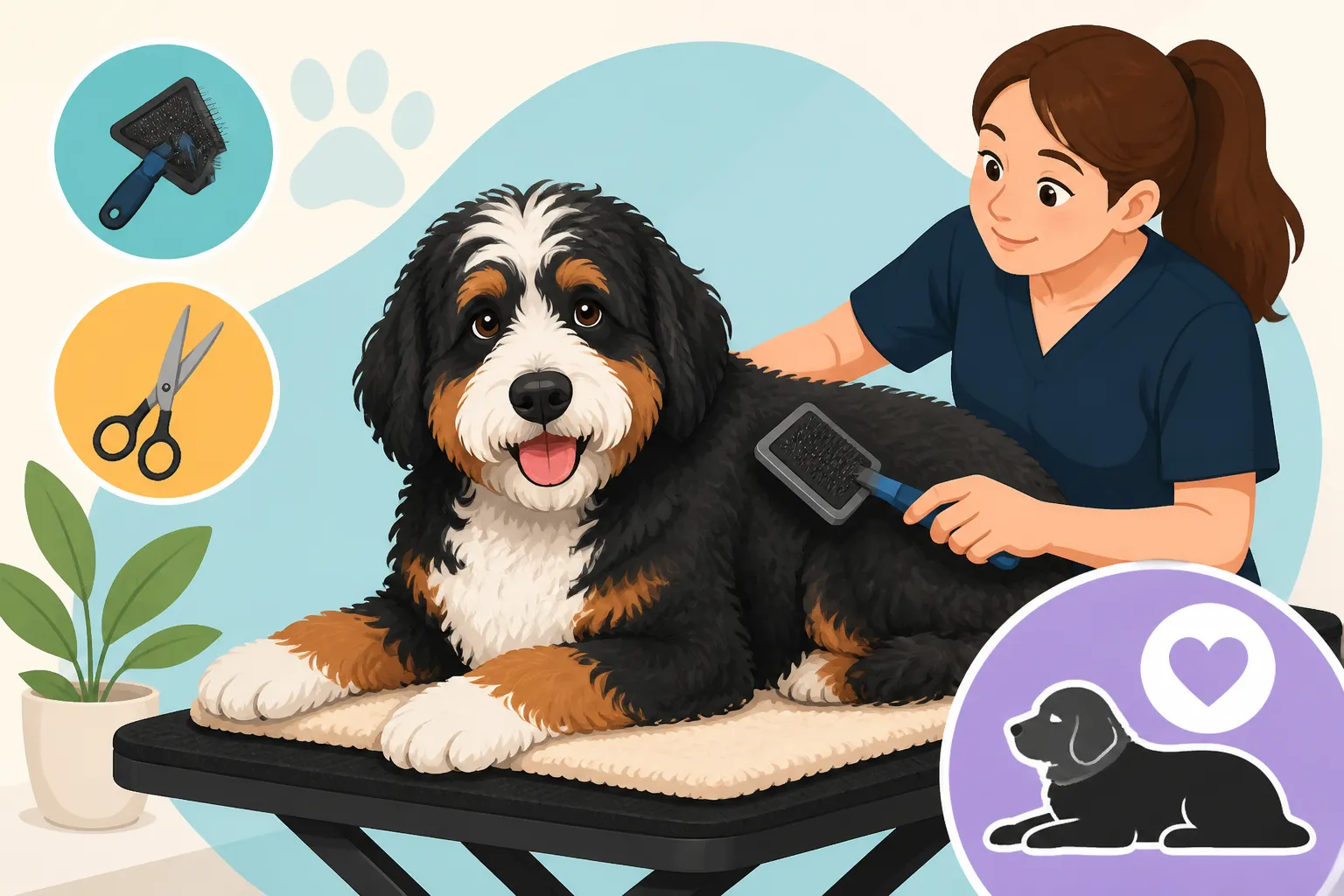
Brushing your Bernedoodle thoroughly is non-negotiable, especially with their predisposition to matting. When standing isn't an option, teaching your dog to comfortably lie on their side for brushing becomes an invaluable skill. Start by getting them settled on a comfortable, non-slip surface, like an orthopedic bed or a soft rug. Offer praise and treats as they relax. Then, gently roll them onto their side. You might need to use a bolster or pillow to keep them stable and prevent them from rolling back.
Begin your line brushing technique. This involves parting the hair down to the skin with one hand and brushing up and out from the skin with a slicker brush with the other. Work in small sections, always brushing only a small amount of hair at a time. This method ensures you get down to the roots, where mats typically form, without pulling on the outer coat. Pay extra attention to common matting areas like behind the ears, armpits, and the "feathers" on their legs and tail. These spots are often overlooked and can quickly become painful tangles.
If you encounter mats, don't try to pull them out with a slicker brush. Instead, use a mat splitter or a seam ripper (with extreme caution!) to gently separate the mat into smaller sections, then brush those out. For really stubborn mats, it's often kinder to carefully clip them out with clippers, using a short blade and getting underneath the mat, close to the skin, but always keeping your fingers between the blade and the skin as a guard. Remember, even with reduced activity, The Weekly Hours a Standard Bernedoodle's Coat Takes can still be substantial, so dividing this into multiple short sessions is crucial for both your dog's comfort and your sanity.
Bathing with Minimal Standing
Bathing a large Bernedoodle when they can't stand is a challenge, but it's absolutely doable with the right setup. If you have a walk-in shower or a tub with a handheld showerhead, that's your best friend. Place a non-slip mat on the bottom of the tub or shower to provide stability. Gently guide your Bernedoodle into the shower, perhaps offering a high-value treat on the floor of the tub to encourage them.
Once inside, let them lie down. You can use a bath pillow for their head if it makes them more comfortable. Use the handheld sprayer to thoroughly wet their coat, taking care to avoid spraying water directly into their ears or face. Apply a gentle, tearless shampoo, lathering it into their coat as they lie down. You'll need to work in sections, perhaps doing their back and sides first, then gently rolling them to do their belly and legs. Rinse meticulously, ensuring all shampoo is removed to prevent skin irritation.
For older dogs, sometimes a "dry bath" with waterless shampoo or grooming wipes, available from online retailers like Amazon, can be a great interim solution for cleaning specific areas without the stress of a full bath. If a full bath is necessary, consider having a second person assist you, one to support and comfort your dog, and one to do the washing. Remember, Washing a Ninety Pound Bernedoodle at Home requires planning and space, but it's often less stressful than a professional groomer's noisy tub for a sensitive senior.
Drying Effectively and Safely
After a bath, drying a non-standing Bernedoodle effectively is critical to prevent skin issues like hot spots and matting. Towel drying is your first line of defense. Use multiple absorbent towels to blot as much water out of their coat as possible while they're still lying down. Gently squeeze the water from their feathers and ears.
If you're opting for air drying, ensure your Bernedoodle is in a warm, draft-free room. You can place them on their orthopedic bed with clean, dry towels. Regularly turn them from side to side to allow air to circulate and help dry the underside.
If you must use a dryer, choose a quiet, low-heat setting. Avoid holding the dryer too close to their skin, and constantly move it to prevent overheating. A pet dryer on a stand can be helpful, allowing you to direct airflow without having to hold the dryer, freeing your hands to brush and fluff. Remember to brush gently as you dry, continuing the line brushing technique to ensure the coat dries straight and mat-free right down to the skin. This can be a long process, especially for a thick-coated Bernedoodle, but Drying a Bernedoodle to the Skin is essential to prevent skin problems and achieve a soft, flowing coat. Again, breaking the drying process into segments, perhaps focusing on one side at a time, can reduce the strain on your senior dog.
When to Seek Professional Help and What to Ask For
Even with the best intentions and adapted techniques, there comes a point where home grooming for an elderly Bernedoodle with limited mobility might become too much for you or too stressful for them. Recognizing this threshold isn't a failure on your part; it's a testament to your love and commitment to their well-being.
Recognizing When Home Grooming Isn't Enough
There are clear signs that indicate your home grooming efforts might no longer be sufficient or kind for your aging Bernedoodle. If despite your best efforts at shorter, gentler sessions, your dog consistently shows extreme distress, pain, or fear during grooming, it's a big red flag. This could manifest as excessive panting, trembling, snapping, or trying to escape more vigorously than usual. Severe matting is another critical indicator. If you're struggling to keep up with mats, especially in sensitive areas, and they're becoming tight to the skin, causing discomfort or pulling, it's time to call in the professionals. Remember, deeply matted coats can hide skin infections, parasites, or other issues. If your Bernedoodle develops new skin sensitivities, lumps, or sores that you're afraid to touch, a professional groomer or veterinarian needs to assess them. Lastly, if you yourself are feeling overwhelmed, physically strained, or emotionally drained by the grooming process, it's perfectly okay to seek help. This journey is about caring for both of you.
Communicating with a Geriatric-Friendly Groomer
Finding a groomer who is experienced and empathetic with senior dogs is paramount. Don't just pick the closest one; actively seek out groomers who advertise "senior dog grooming" or "special needs grooming." When you call, be upfront about your Bernedoodle's age, their mobility issues, and any specific anxieties or health concerns they have. Ask specific questions:
- Do you have experience with large, older dogs who can't stand for long?
- What accommodations do you make for senior dogs (e.g., non-slip mats, breaks, specific bathing/drying techniques, shorter appointments)?
- Can you do the groom on the floor or on a low table if my dog can't get onto a standard grooming table?
- Do you have a quiet area where older dogs can be groomed away from the hustle and bustle?
- What is your policy if my dog becomes too stressed or uncomfortable during the groom?
- Can you communicate with me during the session if needed, or allow me to stay if it helps my dog?
A good geriatric-friendly groomer understands that patience, gentle handling, and prioritizing comfort over perfection are key. They might charge a bit more for the extra time and care required, but it's an investment in your dog's well-being. Some mobile groomers might also be an excellent option, as they bring the grooming salon to your home, eliminating stressful car rides and unfamiliar environments. Don't hesitate to ask Whether a Groomer Needs Help With a Bernedoodle – offering to stay and assist can make a huge difference in an anxious senior's comfort level.
Sedation and Veterinary Oversight
In some rare cases, where an older Bernedoodle experiences extreme pain, anxiety, or aggression during grooming due to their physical limitations or cognitive decline, light sedation might be considered as a last resort. This should never be a decision made lightly or by a groomer alone. Sedation for an elderly dog carries inherent risks, and their overall health status needs to be carefully evaluated by a veterinarian beforehand.
If your veterinarian suggests sedation, they will typically prescribe a mild sedative that you administer before the grooming appointment. The groomer should be fully aware that your dog has been sedated and should still employ all gentle handling techniques. Always have a discussion with your vet about the type of sedative, the dosage, potential side effects, and what to watch for. It's also crucial to ask your vet if they have any groomers they recommend who are accustomed to working with sedated animals, or if their clinic offers grooming services that can be performed under veterinary supervision.
The goal is always to reduce stress and discomfort, not to create a new set of risks. If a groomer ever suggests sedating your dog without veterinary consultation, that's a major red flag, and you should immediately seek another professional. You should always feel empowered to ask Whether a Bernedoodle Should Ever Be Sedated to Groom and discuss alternatives before resorting to it.
Grooming Support for Senior Bernedoodles: Home vs. Professional
| Feature | Home Grooming Adaptations (for Senior Bernedoodle) | Professional Grooming Services (for Senior Bernedoodle) |
|---|---|---|
| Environment | Quiet, familiar home space; non-slip mats, orthopedic bed on floor. | Dedicated salon space; quiet rooms, hydraulic tables, non-slip surfaces. |
| Duration of Session | Short, frequent sessions (10-15 mins) spread over days. | Potentially longer single sessions, but adaptable to shorter, calmer ones. |
| Handling | Owner's gentle, familiar touch; relies on established trust. | Experienced groomer's professional, gentle handling; may use supports. |
| Tools | Owner's ergonomic brushes, quiet dryer, mat splitters. | Professional-grade tools, specialized clippers, stand dryers. |
| Bathing Options | Walk-in shower with mat, portable tub, waterless shampoo. | Specialized tubs with ramps, hydro-baths, professional drying systems. |
| Mat Removal | Careful, slow dematting over multiple sessions or cautious clipping. | Efficient mat removal, potentially requiring a shave-down if severe. |
| Nail Care | Dremel or quick trims while lying down; styptic powder ready. | Professional nail trims, often with Dremel; expertise with black nails. |
| Cost | Initial tool investment, ongoing product cost. | Higher per-session cost, but includes expertise and equipment. |
| Stress Level | Generally lower due to familiarity; owner control of pace. | Varies; can be stressful if unfamiliar, lower if geriatric-friendly. |
| Benefits | Stronger bond, tailored pace, no travel stress. | Expert care for severe matting, complex clips, less strain on owner. |
| Considerations | Requires owner time, physical effort; can miss subtle issues. | Requires research for geriatric-friendly groomer; potential travel stress. |
Disclaimer
This article is for general informational purposes only and does not constitute professional advice. Laws, prices and regulations vary by location and change over time. Consult a qualified professional for guidance on your specific situation.