Whether an F1 Bernedoodle Sheds More Than an F1b
Oh, the million-dollar question for so many aspiring Bernedoodle parents: "Will this fuzzy, adorable creature shed all over my house?" It’s a completely valid concern, especially if you or someone in your family struggles with allergies, or if you're just not keen on constantly battling dog hair. Deciphering the genetics and generations of Bernedoodles can feel like trying to solve a complex puzzle, leaving many folks utterly bewildered about what to expect. This guide is here to untangle that confusion, diving deep into the shedding realities of F1 versus F1b Bernedoodles so you can make an informed decision and prepare for life with your furry companion.
Understanding Bernedoodle Generations and Their Genetic Makeup
When we talk about Bernedoodles, we're discussing a hybrid breed, meaning they're a cross between two purebred dogs: a Bernese Mountain Dog and a Poodle. The "F" in F1 or F1b simply stands for "filial hybrid," which is a fancy way of saying "cross-bred." The number or letter that follows indicates which generation of that cross you're looking at. This distinction is absolutely critical when it comes to understanding coat type and, more importantly for many, shedding.
What Exactly is an F1 Bernedoodle?
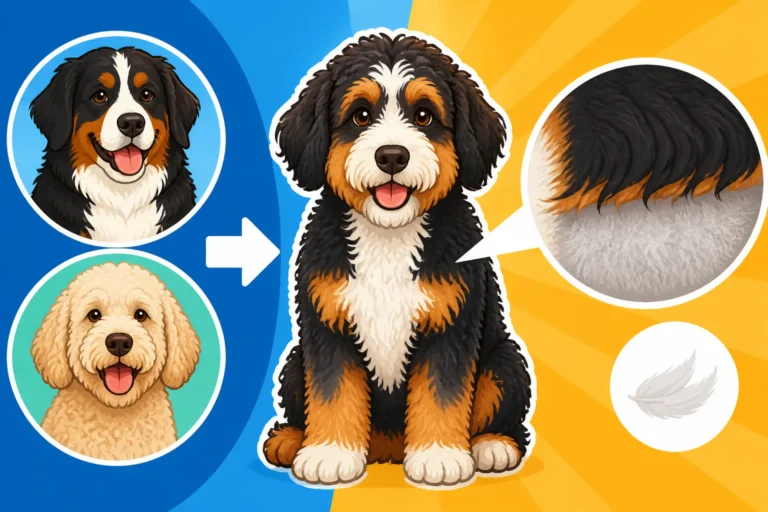
An F1 Bernedoodle is what we call a "first-generation" cross. This means you have a purebred Bernese Mountain Dog bred with a purebred Poodle. Each parent contributes 50% of the genetic material, so technically, an F1 Bernedoodle is 50% Bernese Mountain Dog and 50% Poodle. On paper, it sounds perfectly balanced, right? You get a lovely mix of traits from both sides. However, genetics are rarely that neat and tidy.
The tricky part about F1s is their genetic variability. While each puppy in a litter gets 50% from each parent, which specific traits they inherit can be a bit of a roll of the dice. Some F1 puppies might inherit more of the Bernese coat characteristics – which means they might have a straighter, thicker coat with a substantial undercoat, making them more prone to shedding. Others might lean more towards the Poodle's side, sporting a wavier or curlier coat that sheds minimally. This unpredictable nature is often where the frustration lies for owners hoping for a truly low-shedding dog, and it's why you can see such a variety of coats even within the same F1 litter. Whether an F1 Bernedoodle Can Be Tri Color is another example of how genetic inheritance can create variety in a litter.
Delving into the F1b Bernedoodle Generation
Now, let's talk about the F1b Bernedoodle. The "b" here stands for "backcross." This means an F1 Bernedoodle (our 50/50 mix) is bred back to one of the original purebred parents. In almost all Bernedoodle cases, this means an F1 Bernedoodle is bred back to a purebred Poodle. Why a Poodle? Because the goal is usually to increase the Poodle's genetic contribution, specifically for its low-shedding and often hypoallergenic qualities.
So, when you take an F1 Bernedoodle (50% Bernese, 50% Poodle) and breed it with a purebred Poodle (100% Poodle), the resulting F1b puppies are typically around 75% Poodle and 25% Bernese Mountain Dog. This higher percentage of Poodle genetics is a game-changer for shedding. While still not guaranteed to be 100% non-shedding (no dog truly is!), the F1b generation offers a much more reliable path to a significantly low-shedding coat compared to the F1s. This is why many people with moderate to severe allergies often seek out F1b Bernedoodles.
Why These Percentages Matter for Your Vacuum Cleaner
The percentage breakdown really hits home when you think about your household cleaning routine. A Bernese Mountain Dog has a thick, double coat that sheds quite a bit, especially seasonally. Poodles, on the other hand, have a single coat of hair that grows continuously and sheds minimally, with loose hairs typically getting caught in the existing coat rather than falling out onto your furniture and floors. This is why Poodles are often considered hypoallergenic, although it's the dander, not just the hair, that causes allergic reactions. Whether a Bernedoodle Is Hypoallergenic is a common question because of this Poodle parentage.
With an F1 Bernedoodle, that 50% Bernese influence can mean a real chance of inheriting more of that shedding coat. You might find yourself brushing regularly and still seeing tumbleweeds of hair. With an F1b Bernedoodle, that 75% Poodle genetics stacks the deck heavily in favor of the low-shedding trait. The coat is far more likely to be curly or very wavy, resembling a Poodle's coat, which means significantly less loose hair around your home. For those who dread dog hair on their clothes and carpets, understanding these genetic percentages is not just academic; it's practically a guide to domestic bliss.
The Shedding Spectrum: F1 Versus F1b Realities
It’s one thing to understand the genetics on paper, and quite another to live with the reality of dog hair. Many prospective Bernedoodle owners picture a fluffy, non-shedding teddy bear, but the actual experience can vary wildly, particularly within the F1 generation. Let's get real about what you can truly expect.
The F1 Bernedoodle Shedding Experience
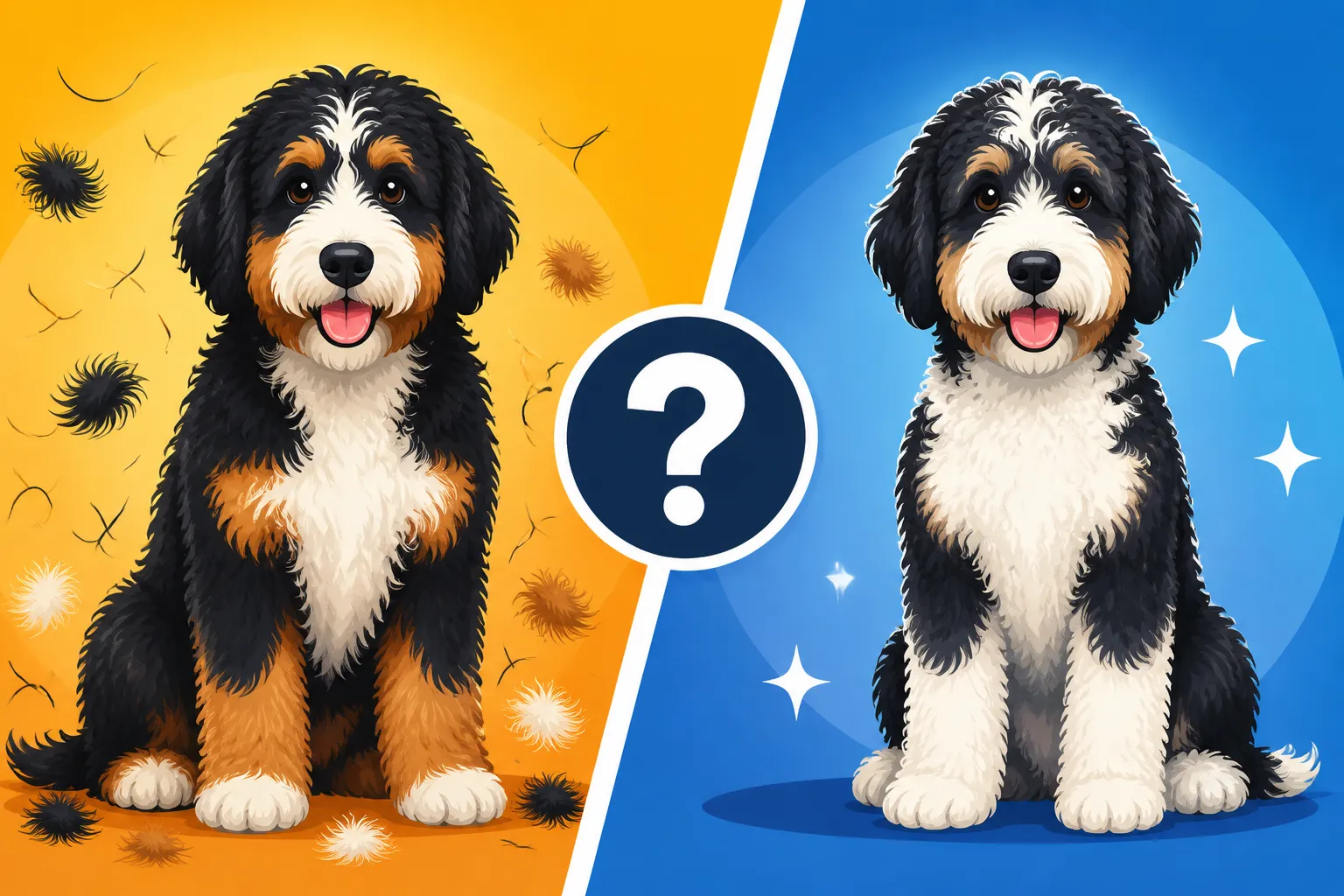
The truth is, many F1 Bernedoodles are indeed low-shedding, which is why they are so popular. They often inherit the lovely wavy coat that captures loose hairs and minimizes shedding around the house. However, it’s not a universal trait. There's a noticeable spectrum within F1s, and some can surprise their owners with a shedding level that's much higher than anticipated. This typically happens when a puppy inherits what breeders often call a "flat coat" or a "straight coat." These coats are closer to the Bernese Mountain Dog's texture and density, complete with that thick undercoat.
If your F1 Bernedoodle ends up with a straighter coat, you can expect noticeable shedding, especially during seasonal changes. You might find yourself brushing daily and still encountering hair on your clothes and furniture. This isn't a fault of the dog; it's simply the luck of the draw in genetic recombination. Owners often express frustration because they were told "Bernedoodles don't shed," only to find their F1 shedding more than they'd bargained for. For these F1s, the shedding might be comparable to a mild-shedding breed, a far cry from the truly low-shedding Poodle. The Straight Coated Bernedoodle That Sheds talks more about this coat type.
The F1b Bernedoodle: A More Predictable Low-Shed Option
The F1b Bernedoodle is generally considered the most reliable choice for those prioritizing a low-shedding dog. With 75% Poodle genetics, the likelihood of inheriting that characteristic tight, curly, or very wavy Poodle-like coat is much higher. These coats are designed to trap loose hair within their curls, meaning less hair ends up on your floors and furniture. While no dog is truly 100% non-shedding—even Poodles will lose some hair—an F1b Bernedoodle typically sheds so minimally that it's often negligible for most households.
This predictability is a huge advantage for families with allergy sufferers. While individual reactions can vary based on dander, the reduction in airborne hair is often a significant benefit. Most F1b owners report very little shedding, perhaps just a few strands caught in the brush during grooming sessions. It's a much more consistent experience than with F1s, offering greater peace of mind for those sensitive to dog hair. The Curly Coat Bernedoodle and Its Upkeep delves into the care for these low-shedding coats.
Beyond Generation: Other Factors Influencing Shedding
While the Bernedoodle's generation and genetic makeup are huge predictors of shedding, they aren't the only factors at play. Several other elements can influence how much hair your Bernedoodle leaves behind, regardless of whether it's an F1 or F1b.
Firstly, the specific coat type within each generation matters. Even an F1b can have a slightly looser curl or a wavier coat compared to a very tight curl, which might lead to slightly more shedding. The classic "wavy" coat The Wavy Coat Most Bernedoodles Carry tends to be low-shedding, but still requires diligent brushing to prevent mats. Secondly, age plays a role. Bernedoodle puppies often go through a "coat change" around 6-18 months of age, where their soft puppy fluff is replaced by their denser adult coat. During this period, you might notice an increase in shedding and matting, even in typically low-shedding dogs. When a Bernedoodle's Puppy Fluff Becomes an Adult Coat goes into more detail on this transitional period. Lastly, a dog's overall health and nutrition can impact coat quality and shedding. A dog with a poor diet, underlying health issues, or skin problems might shed more than a healthy dog. Regular vet check-ups are key to ensuring your Bernedoodle's coat is a reflection of good health.
Managing Shedding and Coat Care for Both Generations
Regardless of whether you bring home an F1 or F1b Bernedoodle, one thing is certain: they require a significant commitment to grooming. The promise of "low-shedding" often leads people to believe "low-maintenance," and that simply isn't true for most Bernedoodles. Their coats, whether wavy or curly, are prone to matting and need consistent care.
Grooming Essentials for Any Bernedoodle
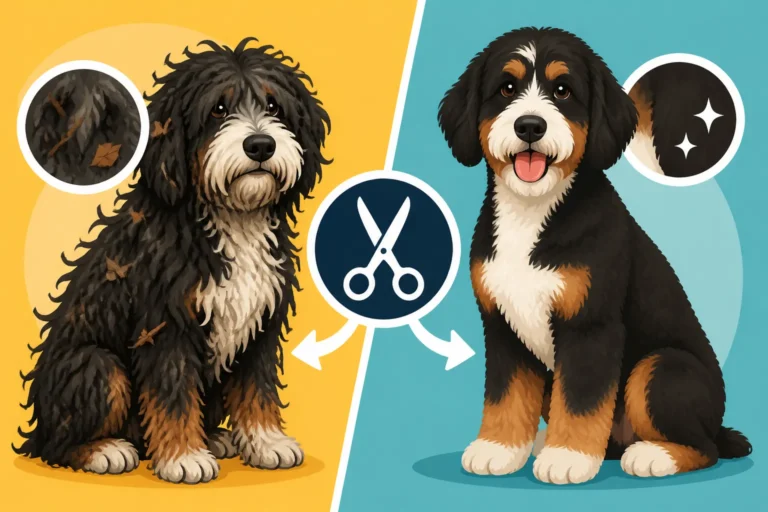
Regular brushing is the cornerstone of Bernedoodle coat care. For both F1 and F1b generations, this isn't just about managing shedding; it's crucial for preventing painful mats and keeping their skin healthy. You'll need a few key tools: a good quality slicker brush, a metal comb (preferably with both wide and narrow teeth), and possibly a de-matting rake for any tricky spots.
The frequency of brushing depends on the coat type, but a minimum of 2-3 times a week is generally recommended, with daily brushing being ideal for curlier or denser coats, and especially during their "coat change" phase. You need to brush all the way down to the skin, not just skim the surface. This technique, often called "line brushing," ensures you're getting all the loose hair and preventing mats from forming close to the body. You can find a fantastic selection of these grooming tools on sites like Chewy or Amazon, making it easy to stock up on essentials. How Often a Bernedoodle Should Be Brushed is a great resource for developing a routine.
Special Considerations for F1 Shedders
If you've got an F1 Bernedoodle that leans towards the shedding side, your grooming routine will likely need to be more intensive. For these dogs, regular brushing (at least every other day, if not daily) becomes even more critical to manage the loose hair and prevent it from distributing throughout your home. A good vacuum cleaner will also become your new best friend!
Professional grooming might need to be more frequent for F1s that shed, perhaps every 6-8 weeks, to help keep their coats stripped of dead hair and maintain a manageable length. Discuss with your groomer about techniques that can help reduce shedding, such as de-shedding treatments, though these are less effective on the Poodle-dominant coats. Remember, managing the undercoat, if present, is key to controlling shedding in these F1s. Whether the Bernese Half Ruins the Allergy Claim by introducing that shedding aspect.
Diet and Health: An Unexpected Role in Coat Quality
It might not be the first thing you think of, but what you feed your Bernedoodle can actually have an impact on its coat health and, by extension, its shedding. A dog on a high-quality, balanced diet will generally have a healthier, shinier coat with less breakage and potentially less excessive shedding. Ingredients like omega-3 and omega-6 fatty acids are fantastic for skin and coat health.
Many dog food brands, including fresh dog food options like Ollie, emphasize these beneficial ingredients. While diet won't turn a shedding F1 into a non-shedding F1b, it can certainly help optimize the health of the coat your dog does have, reducing shedding that might be caused by poor nutrition or dry, brittle hair. Always ensure your Bernedoodle has access to fresh water, as hydration is also vital for healthy skin and coat.
Making the Right Choice for Your Household
Deciding between an F1 and F1b Bernedoodle, especially when shedding is a primary concern, requires careful thought. It's not just about what sounds good; it's about what truly fits your lifestyle and expectations.
Assessing Your Tolerance for Shedding
Before you even start looking at puppies, it's really important to have an honest conversation with yourself and your family about your tolerance for dog hair. Are you someone who absolutely cannot stand seeing dog hair on your clothes or furniture? Do you have severe allergies that are triggered by dander and shedding? If the answer to either of these is a strong "yes," then an F1b Bernedoodle might be a much safer and less stressful bet for you. The risk of getting an F1 that sheds more heavily is real, and it's a frustration you want to avoid if possible.
If, however, you're prepared for some shedding and are committed to diligent grooming and cleaning, an F1 could be a wonderful companion. It's about managing expectations. Don't go into it expecting zero hair if you choose an F1; prepare for the possibility of a "Bernese-leaning" coat and the extra effort that entails.
Communicating with Reputable Bernedoodle Breeders
This is where your breeder becomes an invaluable resource. A reputable Bernedoodle breeder will be transparent about the coat types in their lines and what you can expect from their F1 and F1b litters. Don't be shy about asking direct questions:
- What are the coat types of the parent dogs?
- Have previous litters produced puppies with straighter, shedding coats?
- Do you perform coat testing on your breeding dogs? Whether a Coat Test Tells You If a Bernedoodle Will Shed is a test that can indicate shedding tendencies.
They should be able to show you photos of previous puppies as they've grown and describe their coats. Some breeders will even allow you to meet the parent dogs, which can give you a better idea of their coat texture and overall appearance. Remember, a good breeder prioritizes health and temperament, but they should also be able to guide you on coat expectations.
Living with the Bernedoodle Coat: A Long-Term Commitment
The journey with a Bernedoodle's coat is a long-term commitment, not a one-time decision. Even the most diligently bred F1b will require regular care to prevent matting and keep their coat healthy. Many new owners underestimate the sheer volume of coat a Bernedoodle has and the time it takes to maintain it. Mats can form quickly, especially in areas like behind the ears, armpits, and britches. The Month a Bernedoodle Puppy Starts Matting Daily describes how early this matting can begin.
You should factor in the time and cost of professional grooming, which will likely be necessary every 6-12 weeks for the dog's entire life. These costs can add up significantly over the years. Six Hundred to Twelve Hundred a Year Grooming a Bernedoodle is a realistic budget for many owners. Whether you choose an F1 or an F1b, be prepared for brushing, bathing, and potentially frequent trips to the groomer. The love and companionship a Bernedoodle offers are immense, but their gorgeous coats demand consistent attention.
| Feature | F1 Bernedoodle | F1b Bernedoodle |
|---|---|---|
| Parentage | Bernese Mountain Dog x Poodle | F1 Bernedoodle x Poodle |
| Genetic Ratio | ~50% Bernese, ~50% Poodle | ~25% Bernese, ~75% Poodle |
| Shedding Tendency | Variable; can be low-shedding or moderate shedding | Reliably low-shedding; very minimal hair loss |
| Coat Type (Common) | Wavy, can sometimes be straighter or curlier | Curly to very wavy; highly resembles a Poodle's coat |
| Allergy Friendliness | Moderate; less predictable for severe allergies | Higher; generally a better choice for allergy sufferers |
| Grooming Needs | Regular brushing (2-3x/week), professional grooming recommended | Regular brushing (3-4x/week), professional grooming essential |
| Predictability | Less predictable in coat type and shedding | More predictable for low-shedding and curly coat |
Disclaimer
This article is for general informational purposes only and does not constitute professional advice. Laws, prices and regulations vary by location and change over time. Consult a qualified professional for guidance on your specific situation.