Whether Thyroid Explains a Bernedoodle’s Coat Loss
It’s a truly disheartening moment when you notice your beloved Bernedoodle's once lush, vibrant coat starting to thin, shed excessively, or even develop bald patches. You start to worry, wondering if it's just normal shedding, a minor skin irritation, or something more serious lurking beneath that beautiful fluff. This guide is here to walk you through the various reasons behind Bernedoodle coat loss, with a particular focus on how thyroid issues can be a significant factor, offering you peace of mind and actionable steps.
Understanding Normal Bernedoodle Shedding vs. Abnormal Coat Loss
Bringing a Bernedoodle into your life means embracing a unique blend of coat types and, yes, a certain amount of shedding. But there’s a distinct difference between the everyday hair turnover that's part of being a dog and a genuine, concerning loss of fur that signals an underlying issue. It’s crucial for us Bernedoodle parents to understand this distinction.
The Bernedoodle Coat and Its Peculiarities
Bernedoodles are known for their gorgeous, often low-shedding coats, a trait many of us specifically seek out. However, "low-shedding" doesn't mean "no-shedding." The typical Bernedoodle coat can range from wavy to curly, and occasionally even straight, depending on their genetic inheritance from their Bernese Mountain Dog and Poodle parents. A wavy or curly coat, common in F1 and F1b Bernedoodles, often traps shed hair, making it less noticeable around the house but requiring diligent brushing to prevent mats. If you've got a dog with a coat that falls into The Wavy Coat Most Bernedoodles Carry category, you'll know that regular grooming is essential not just for looks, but for health.
However, some Bernedoodles, particularly those with more Bernese DNA or a "flat" or "straight" coat, can shed quite a bit more. This type of coat, which you might see discussed in The Straight Coated Bernedoodle That Sheds, often comes with a denser undercoat, leading to more visible hair around your home. Puppies, especially, go through a "coat change" phase, usually between 6 to 18 months of age, where their soft puppy fluff is replaced by their denser adult coat. During this time, it can seem like they're shedding an alarming amount, and many new owners can find themselves in a bit of a panic, thinking something is seriously wrong. It’s a normal, albeit messy, developmental stage.
Beyond the puppy stage, even low-shedding Bernedoodles will lose some hair. Just like humans, dogs constantly replace old hair with new. You'll likely notice a bit more hair in your brush after a good grooming session, or perhaps a few strands on the couch. Seasonal shedding can also play a role, with some Bernedoodles "blowing their coat" to prepare for warmer or colder weather. This is a natural process and usually involves a uniform thinning or shedding across the body, without bald spots or changes to the underlying skin.
When "Shedding" Becomes "Coat Loss"
The real concern arises when the amount of hair coming off your Bernedoodle far exceeds what you’d consider normal shedding, or when it’s accompanied by other worrying signs. We're talking about patchy hair loss, areas where the fur is noticeably thinning or completely gone, or a coat that feels unusually brittle, dry, and dull. Sometimes, you might see what looks like symmetrical hair loss on both sides of their body, often on the flanks or belly, which can be a classic sign of internal imbalances.
It's not just about the hair disappearing; it's also about the condition of the skin underneath. Is it red, inflamed, flaky, greasy, or showing signs of infection? Are there small bumps or lesions? These are all indicators that what you're observing isn't just routine shedding, but rather a more significant problem that requires attention. For instance, if you're regularly finding your Bernedoodle scratching intensely and seeing raw patches, it's a clear signal that something is amiss beyond simple hair turnover.
Consider the difference between brushing out a handful of loose hair from a healthy, full coat, versus finding large clumps coming out with minimal effort, or discovering bald patches where hair used to be. One scenario is normal dog ownership; the other is a call to action. Pay close attention to areas like their tail, hind legs, chest, and around their ears, as these can sometimes be early indicators of abnormal coat changes. If you start to see noticeable bald spots, especially in a symmetrical pattern, it’s definitely time to consult your veterinarian.
Hypothyroidism: A Common Culprit Behind Bernedoodle Hair Woes
When faced with unexplained coat loss in your Bernedoodle, one of the first things your vet might investigate is their thyroid function. Hypothyroidism, an underactive thyroid gland, is a relatively common condition in dogs, especially larger breeds, and it can absolutely manifest as noticeable changes in their beautiful coats.
What is Hypothyroidism and How It Affects Your Bernedoodle
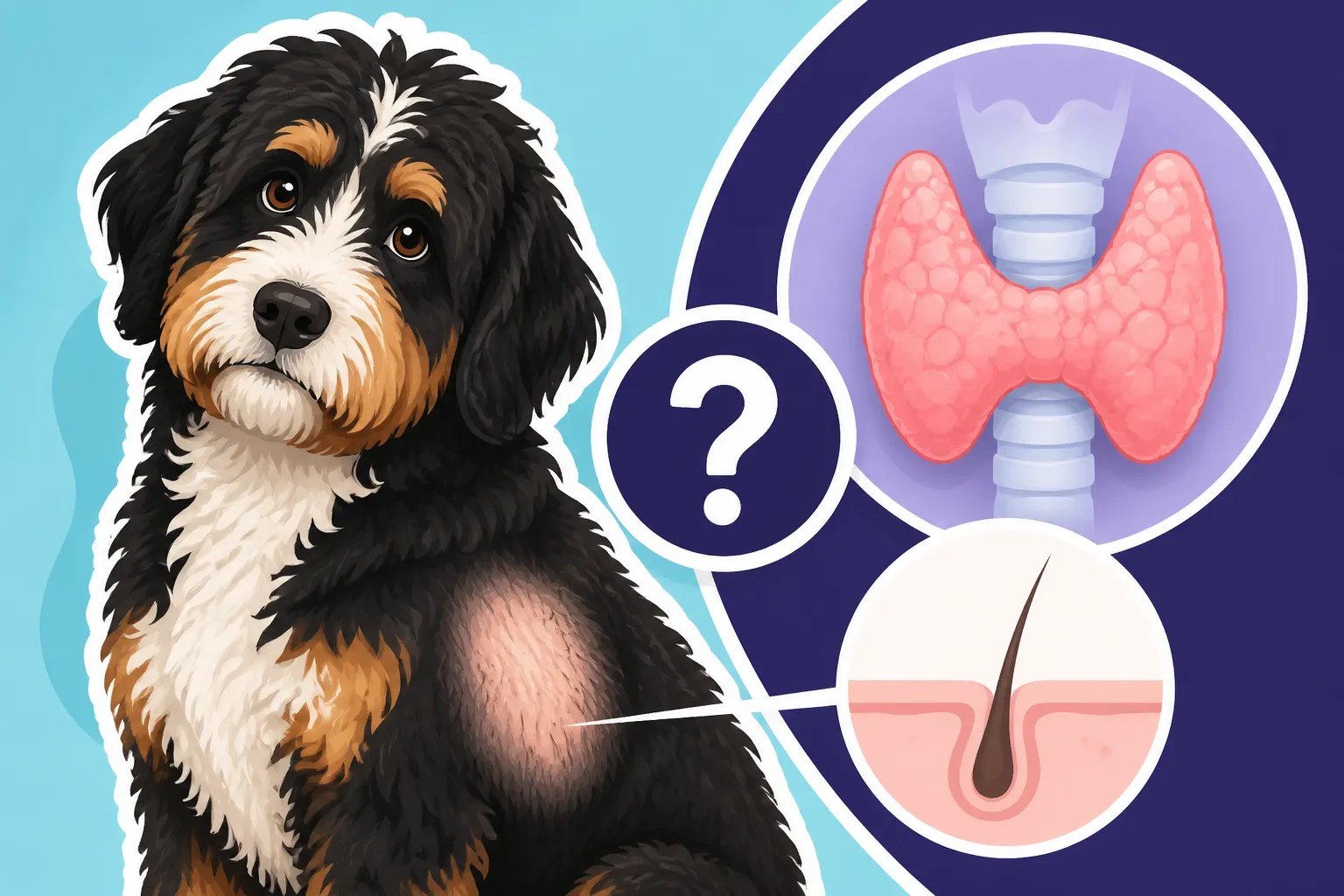
Simply put, hypothyroidism occurs when your dog's thyroid gland, located in their neck, doesn't produce enough thyroid hormones. These hormones are like the master regulators of the body's metabolism, affecting almost every organ system, including skin and coat health. When hormone levels drop, things slow down. Cells don't regenerate as quickly, and hair follicles can become dormant or produce weaker, more brittle hair. The Bernese Mountain Dog side of your Bernedoodle's lineage makes them a bit more prone to this condition, something you might explore further in Hypothyroidism From the Bernese Side of a Bernedoodle.
A Bernedoodle suffering from hypothyroidism might exhibit a range of symptoms, with coat loss being one of the most visible. The hair loss is often symmetrical, meaning it appears similarly on both sides of the body, and it might be concentrated on the trunk, flanks, or tail. The remaining fur often appears dry, brittle, and dull, lacking its usual luster. Sometimes, the skin itself can become dry, flaky, and prone to secondary infections, adding to your pup's discomfort.
Imagine your normally energetic Bernedoodle, who used to greet you with boundless enthusiasm, now seems a bit more sluggish, preferring to nap than play. Their coat, which was once so soft and shiny, now feels coarse and looks thin in places, especially along their sides. This scenario, where a dog becomes lethargic, gains weight, and starts to lose hair, is a classic presentation of hypothyroidism. It's not just a cosmetic issue; it's a systemic one that affects their overall well-being.
Recognizing the Non-Coat Related Signs of Hypothyroidism
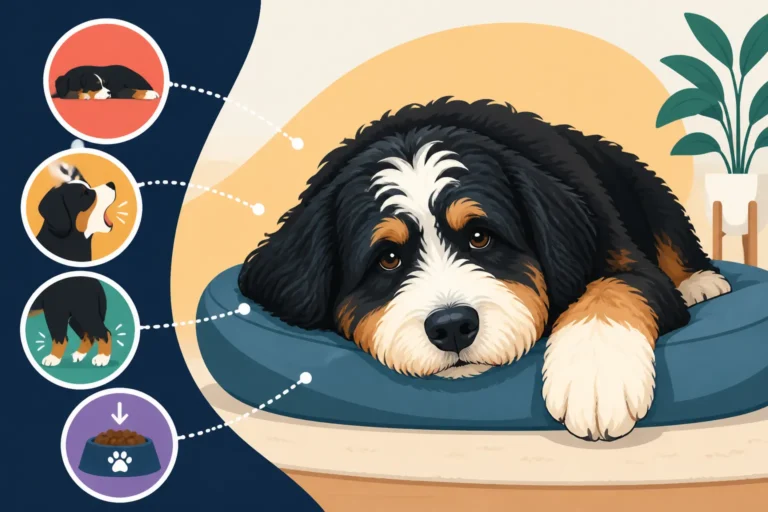
While coat loss is a significant indicator, it's rarely the only symptom of an underactive thyroid. Because thyroid hormones influence so many bodily functions, other, more subtle changes can occur. One of the most common non-coat related signs is lethargy or a noticeable decrease in activity levels. Your Bernedoodle, who once loved long walks and play sessions, might become unusually tired, move slower, and seem less interested in their usual routines. This isn't just "getting older" if it's happening prematurely.
Weight gain is another classic sign, even if your Bernedoodle's diet hasn't changed. Their slowed metabolism means they're burning fewer calories, leading to a gradual accumulation of extra pounds. You might notice they're more prone to feeling cold, seeking out warm spots or shivering more often, as their body struggles to regulate its temperature. Beyond these, a dull expression, skin thickening (sometimes called "tragic face" due to puffiness around the eyes), and even recurrent skin infections can be part of the picture. If you're noticing Signs a Bernedoodle's Thyroid Has Failed, don't hesitate to contact your vet.
It's really about piecing together the puzzle. While any single symptom might be attributable to something else, a combination of several, especially in a dog known to be susceptible like a Bernedoodle, points strongly towards a thyroid issue. For example, if your Bernedoodle is gaining weight despite a sensible diet, seems unusually tired, and their coat is thinning, it's a comprehensive signal that warrants a vet visit. This holistic view is crucial for proper diagnosis, and knowing what to look for can help you advocate effectively for your dog's health. Pet insurance providers like Healthy Paws often cover diagnostics and treatment for conditions like hypothyroidism, which can be a huge relief for owners.
Diagnosing and Managing Hypothyroidism in Bernedoodles
If you suspect your Bernedoodle might have hypothyroidism, the good news is that it’s a very treatable condition. The diagnostic process typically involves a trip to the vet, where they’ll perform a physical exam and likely recommend blood tests to measure your dog's thyroid hormone levels. They usually check a total T4 (thyroxine) level, and sometimes a TSH (thyroid-stimulating hormone) level, to get a complete picture. Because certain medications or other illnesses can affect thyroid levels, your vet might recommend additional tests or retesting after a period, just to be sure. Getting The Screening a Bernedoodle Should Have Yearly often includes these basic blood panels, helping catch issues early.
Once diagnosed, the treatment is straightforward: daily oral medication, typically a synthetic thyroid hormone called levothyroxine. This medication effectively replaces the hormones your dog's body isn't producing enough of. It's not a cure, but a management strategy, meaning your Bernedoodle will likely need to take the medication for the rest of their life. The dosage will be tailored to their needs and may be adjusted over time based on follow-up blood tests, usually performed a few weeks after starting treatment and then periodically.
The response to treatment is often quite dramatic and rewarding. Within a few weeks, you might start to see improvements in their energy levels, activity, and even their demeanor. The coat changes take a bit longer, but you should notice new, healthier hair growth, and the existing coat becoming softer and shinier. Regular follow-up with your veterinarian is essential to ensure the medication dosage remains optimal and your Bernedoodle continues to thrive. Discussing any concerns about conditions like Whether a Bernedoodle Gets Thyroid Disease with your breeder can also provide valuable insights into your dog’s genetic predispositions. Having pet insurance through providers like Healthy Paws can also help manage the ongoing costs of medication and monitoring.
Other Reasons Your Bernedoodle Might Be Losing Hair
While hypothyroidism is a significant cause of coat loss, it's far from the only one. Many other factors, ranging from common irritations to more serious health issues, can lead to your Bernedoodle shedding more than usual or developing bald spots. It's important to consider all possibilities and work with your vet to pinpoint the exact cause.
Allergies and Skin Irritations
One of the most frequent non-thyroid reasons for Bernedoodle coat loss is allergies. Just like us, dogs can suffer from environmental allergies (atopy), reacting to pollen, dust mites, or molds. They can also have food allergies, often to common protein sources like chicken or beef, or even ingredients like soy or wheat. When a Bernedoodle has allergies, the primary symptom is often intense itching, which leads to scratching, licking, chewing, and rubbing. This self-trauma, unfortunately, can break hair shafts, pull out fur, and cause secondary skin infections, all resulting in significant coat loss.
You might notice your Bernedoodle constantly chewing at their paws, rubbing their face on the carpet, or persistently scratching behind their ears. This incessant itching can lead to red, inflamed skin, hot spots (acute moist dermatitis), and ultimately, thinning fur or bald patches in the affected areas. These hot spots, which can appear suddenly as moist, painful lesions, often cause rapid, localized hair loss. For more on this, you might find Whether a Bernedoodle Itches From Atopy or Fleas a helpful read, as it delves into common causes of itchiness.
Imagine coming home to find your Bernedoodle, who previously had a full, fluffy coat, now has visibly thinning hair on their belly and armpits, and they're constantly scratching their ears. The skin in these areas might look reddish and irritated. This scenario points strongly towards an allergic reaction, which causes immense discomfort and can seriously compromise their coat's integrity. Identifying and managing these allergies, through diet changes, antihistamines, or other veterinary prescribed medications, is key to restoring their skin and coat health.
Parasites, Infections, and Nutritional Deficiencies
Beyond allergies, external parasites are another common culprit for hair loss. Fleas, mites (like sarcoptic or demodectic mange), and even ticks can cause severe irritation, leading to scratching and subsequent hair loss. Flea allergy dermatitis, for instance, can cause an intense allergic reaction to just one flea bite, resulting in widespread itching and hair loss, particularly around the base of the tail. Mites can cause distinct patterns of hair loss, often with redness, scaling, and crusting of the skin. Regular preventative treatment is your first line of defense here.
Skin infections, whether bacterial (pyoderma) or fungal (ringworm), can also cause localized or generalized hair loss. These infections often manifest as red, bumpy, scaly, or crusty patches on the skin, and the hair over these areas may thin or fall out completely. Ringworm, a fungal infection, often presents as circular patches of hair loss. It's contagious and can be passed to other pets and even humans, so prompt treatment is crucial. Checking for Skin Problems Under a Bernedoodle's Heavy Coat should be a regular part of your grooming routine.
Finally, don't underestimate the power of nutrition. A diet lacking in essential nutrients, particularly high-quality protein, omega-3 fatty acids, and certain vitamins and minerals, can directly impact coat health. A poor diet can lead to a dull, dry, brittle coat that sheds excessively or simply doesn't grow in properly. If you’re considering how diet can enhance your dog's fur, Whether Omega Oils Help a Bernedoodle's Coat Density offers valuable information. Ensuring your Bernedoodle receives a balanced, high-quality diet appropriate for their life stage is fundamental to maintaining a healthy coat and overall well-being.
Hormonal Imbalances Beyond Thyroid
While hypothyroidism is often top of mind for hormonal coat loss, other endocrine disorders can also play a role. Cushing's disease, or hyperadrenocorticism, is a condition where the adrenal glands produce too much cortisol. Dogs with Cushing's often develop symmetrical hair loss on their body, typically sparing the head and legs. Their skin may also become thin and fragile, and they might exhibit other signs like increased thirst, urination, appetite, and a pot-bellied appearance. It's less common than hypothyroidism, but definitely worth investigating if other symptoms fit.
Sex hormone imbalances can also contribute to hair loss, although this is less frequently seen, particularly in spayed or neutered dogs. For example, some dogs might develop "alopecia X" (pattern baldness) or other forms of endocrine alopecia where the hair loss is symmetrical, often on the flanks or saddle area, and without any itching or inflammation. The skin in affected areas might become hyperpigmented (darkened). These conditions are more about the hair follicles entering a prolonged resting phase rather than falling out due to irritation or disease.
It's important to reiterate that while these conditions can cause coat loss, they usually come with a constellation of other systemic signs that your veterinarian will look for during a thorough examination. They're not typically the first suspects but are crucial to rule out if the more common causes, like thyroid issues, allergies, or parasites, don't fully explain your Bernedoodle's hair loss. For example, if your Bernedoodle is gaining weight significantly, you might read up on Getting Weight Off an Overweight Bernedoodle but also discuss broader health checks with your vet to rule out underlying issues. Comprehensive diagnostic testing is key to getting an accurate diagnosis and starting the right treatment plan to get your Bernedoodle's coat, and overall health, back on track.
| Cause of Coat Loss | Appearance of Hair Loss | Other Common Symptoms | Typical Onset/Duration |
|---|---|---|---|
| Normal Shedding | Uniform thinning, loose hair in brush/house | No skin irritation, healthy skin and coat underneath, normal energy/appetite | Seasonal, puppy coat change |
| Hypothyroidism | Symmetrical thinning, bald patches on body/tail, dull coat | Lethargy, weight gain, cold intolerance, dull expression, recurring skin infections | Gradual, adult dogs |
| Allergies | Patchy loss, red/inflamed skin, hot spots | Intense itching, licking, chewing, rubbing, ear infections, paw chewing | Variable, often chronic |
| Parasites (Fleas/Mites) | Patchy loss, bite marks, crusts, scales | Intense itching, visible parasites, red skin, restlessness | Variable, acute or chronic |
| Infections (Bacterial/Fungal) | Circular bald patches, scabs, pus, foul odor | Redness, swelling, crusting, itching, discomfort | Variable |
| Nutritional Deficiency | Dull, brittle coat, generalized thinning, poor growth | Poor body condition, low energy, other health issues (depending on deficiency) | Gradual |
| Cushing's Disease | Symmetrical thinning on body/flanks, thin skin | Increased thirst/urination/appetite, pot-belly, lethargy | Gradual, older dogs |
Disclaimer
The information provided in this article is for general informational purposes only and is not a substitute for professional veterinary advice. Always consult with a qualified veterinarian for any health concerns or before making any decisions related to your Bernedoodle's health and treatment.