The Volume of Coat a Bernedoodle Owner Brushes Weekly
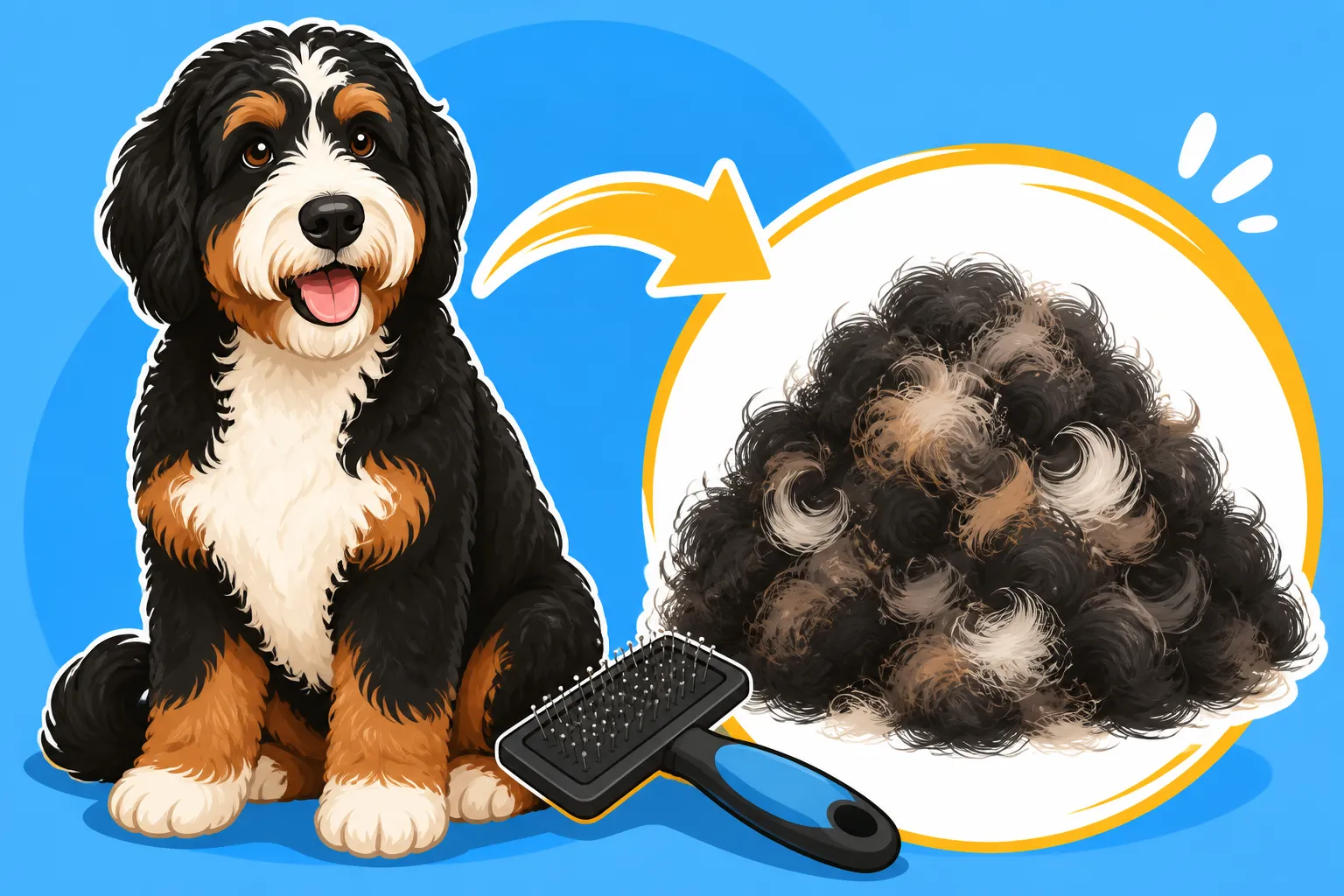
If you’ve recently brought a Bernedoodle into your home, or you're dreaming of adding one to your family, you've probably heard a lot about their lovely, low-shedding coats. What often doesn't get emphasized enough, however, is the sheer volume of that coat and the dedication it demands to keep it healthy and mat-free. This guide is going to peel back the layers – pun intended! – on what you can really expect for weekly brushing commitment, and how to stay on top of that gorgeous fluff.
Understanding the Bernedoodle Coat – More Than Just "Hypoallergenic"
It's a common misconception that because Bernedoodles are often marketed as "hypoallergenic" or "low-shedding," their coat care is minimal. Oh, if only that were true! The reality is, these dogs typically don't shed much onto your furniture, but that doesn't mean the hair disappears. Instead, it gets caught in their continuously growing coat, creating a perfect storm for mats and tangles if not diligently maintained. It's a trade-off: less vacuuming, more brushing!
The Bernese Mountain Dog Influence: Density and Undercoat
Let's start with one half of the equation: the Bernese Mountain Dog. These magnificent creatures are built for cold weather, sporting a thick, dense double coat with a soft, woolly undercoat and a longer, coarser outer coat. They are notorious for shedding, particularly seasonally. While your Bernedoodle might not "blow" its coat in the same way, that Bernese genetics still contribute significantly to the sheer volume and density of their hair.
This means your Bernedoodle often inherits a substantial undercoat, even if it's less pronounced than a purebred Bernese. This dense layer is what traps shed hairs against the skin, and when combined with the Poodle's curly texture, it becomes a matting magnet. It's not just the length you're dealing with; it's the depth of the coat. Imagine trying to brush through a thick, wool blanket that also happens to grow continuously. That's the challenge many Bernedoodle owners face. Understanding this density is key to realizing why a quick surface brush simply won't cut it. You need to get down to the skin to prevent problems from brewing underneath.
The Poodle Influence: Curl, Growth, and Non-Shedding Myth
Now, let's talk about the Poodle side. Poodles have hair, not fur, which grows continuously and doesn't have an undercoat that "sheds out" in clumps like a Bernese. This is why they are often hailed as "hypoallergenic" – the shed hair is retained within the existing coat. This characteristic is precisely what makes Bernedoodles appealing to allergy sufferers. However, this non-shedding trait is a double-edged sword. All that hair, if not regularly brushed out, will inevitably tangle and form mats.
The curl pattern a Bernedoodle inherits can vary greatly, influencing the brushing regimen. You might have a Bernedoodle with a The Wavy Coat Most Bernedoodles Carry, which can be a bit easier to manage than the tight curls of a The Curly Coat Bernedoodle and Its Upkeep. Then there are the rare The Straight Coated Bernedoodle That Sheds, which will shed more like a Bernese and may mat less, but still require significant care. Each coat type has its own challenges. A wavier coat might seem less prone to matting, but it can still felt easily if not brushed thoroughly and frequently. Tighter curls, on the other hand, demand even more rigorous and consistent brushing to prevent knots from forming close to the skin. The continuous growth means that without regular trims and meticulous brushing, the coat will simply keep growing and accumulating shed hair, leading to increasingly severe matting.
The Reality of Weekly Brushing Time for a Bernedoodle
So, what does this all mean for your weekly routine? In short: be prepared for a significant time commitment. This isn't just a five-minute once-over; it's a dedicated session (or several sessions) to ensure your dog's comfort and health. Many new Bernedoodle owners are surprised by the sheer volume of hair and the time it takes to maintain it, especially during key developmental stages.
Puppy Coats vs. Adult Coats: The Transition Period
If you think puppyhood grooming is a breeze, just wait! The real challenge often begins during the dreaded "coat change" phase. This typically occurs between 6 to 18 months of age, though it can vary. During this period, your Bernedoodle's soft, fluffy puppy coat is gradually replaced by its denser, more adult coat. The problem is, the puppy fur doesn't just fall out cleanly; it gets intertwined with the incoming adult hair, creating incredibly stubborn mats right down to the skin. This can feel like an overnight transformation, where your dog goes from relatively easy to brush to a matting disaster in days.
Many owners find themselves asking The Month a Bernedoodle Puppy Starts Matting Daily, and the answer is usually right around that six-month mark, escalating for How Many Months a Bernedoodle's Coat Change Runs. It’s a period where you might genuinely feel like Whether a Bernedoodle Mats Overnight in the Coat Change, because it can seem that quickly. You might need to brush daily, sometimes twice a day, during this transition to prevent mats from cementing into painful pelts. It’s a crucial time to stay on top of grooming; falling behind here can lead to extensive matting that only a professional groomer and a full shave-down can resolve, which can be upsetting for both you and your dog.
Standard vs. Mini vs. Tiny: Size Matters, But Not Always as Expected
You might assume that a smaller Bernedoodle means less brushing, and while that's true to some extent, it's not a direct correlation. A ninety-pound standard Bernedoodle, with its vast surface area, naturally requires more time simply because there's more dog to cover. Imagine brushing every inch of a fluffy, oversized sheep – that's your standard Bernedoodle! Every leg, every armpit, the belly, the ears, the tail – it all adds up. You're easily looking at 2-3 hours of dedicated brushing time spread throughout the week for a standard size, potentially more if their coat is on the curlier, denser side or if you let it grow long.
For a mini or tiny Bernedoodle, the physical volume of hair is less, but the density and curl can still be just as challenging. A tiny Bernedoodle might only weigh 15-20 pounds, but if they have a very curly, dense coat, you'll still need to dedicate significant time to prevent mats. Think of it this way: a small dog with a tightly curled coat can mat just as quickly and painfully as a large dog, just on a smaller scale. You might spend an hour or two a week on a mini, and 45 minutes to an hour on a tiny, depending on coat type and length. So while size certainly impacts the sheer quantity of hair, it doesn't always reduce the effort required per square inch of coat.
Factors Influencing Brushing Frequency and Duration
The amount of time you spend brushing your Bernedoodle isn't just about their size and coat type; it's a dynamic equation influenced by several lifestyle factors.
- Coat Length: This is perhaps the biggest determinant. A shorter, "puppy cut" or utility clip will significantly reduce your brushing time, maybe to just an hour a week for a standard size. However, if you prefer a longer, shaggier look, be prepared to double or even triple that time. The longer the hair, the more prone it is to tangling and catching debris.
- Activity Level and Environment: Does your Bernedoodle love to roll in the grass, explore the woods, or swim? Burrs, sticks, mud, and water are all matting hazards. A Bernedoodle that spends its days lounging indoors will require less frequent brushing than one that's constantly adventuring outdoors, bringing home bits of nature in its coat. A run through a field could mean an extra 30 minutes of detangling later that day.
- Humidity: High humidity can make coats feel heavier and more prone to frizzing and tangling. Living in a humid climate might necessitate more frequent brushing than a drier one.
- Harnesses and Collars: Areas where harnesses rub, or where collars sit, are prime spots for matting. You'll need to pay extra attention to these zones. Whether a Heavy Duty Harness Mats a Bernedoodle is a common concern, and the answer is often yes, if not properly managed. Similarly, Whether a Bernedoodle's Ruff Mats Under the Collar is a perpetual battle for many owners.
- Seasonal Changes: While Bernedoodles don't typically "blow coat" in the Bernese fashion, some may experience increased shedding or coat density changes with the seasons, requiring a slight adjustment to your routine.
Considering all these variables, the average standard Bernedoodle owner with a medium-length coat will likely dedicate anywhere from 1.5 to 3 hours per week to brushing, broken into several shorter sessions. This might sound like a lot, but it's essential for their comfort and to avoid painful, expensive mat removal.
The Tools of the Trade: Equipping Your Bernedoodle Grooming Kit
You wouldn't try to build a house with just a hammer, and you shouldn't try to groom a Bernedoodle with just a cheap wire brush. Having the right tools is paramount to effective and pain-free grooming. Investing in quality equipment will save you time, frustration, and potentially costly trips to the professional groomer.
Essential Brushes and Combs for Effective Line Brushing
Forget those cute little brushes you see at the pet store for puppies. For a Bernedoodle, you need serious tools.
- Slicker Brush: This is your primary weapon against mats. Look for one with firm, angled pins that can penetrate deep into the coat without scratching the skin. You might even want two: a larger, softer slicker for general body brushing, and a smaller, firmer one for tricky areas like armpits and behind the ears. Brands like Chris Christensen offer excellent quality slicker brushes, though you can find good options on Amazon or Chewy. The key is that the pins need to be long enough to reach through the dense coat down to the skin.
- Metal Greyhound Comb: A sturdy metal comb with both wide and fine teeth is crucial for checking your work. After brushing a section with the slicker, run the comb through. If the comb glides smoothly from root to tip, you've done a good job. If it snags, you need to go back with the slicker. This comb helps ensure you're getting all the way down to the skin.
- Detangling Spray: A good quality detangling spray can make a world of difference, especially on coats that are prone to static or minor tangles. Spraying lightly before brushing helps the slicker brush glide through the hair more easily, minimizing pulling and discomfort for your dog. It can also add moisture and shine to the coat.
For a deeper dive into choosing the right tools, you might want to check out The Slicker and Rake a Bernedoodle Needs. These tools aren't just about removing tangles; they're about preventing them by ensuring every strand of hair is separated.
Dematting Tools and When to Use Them (or Not)
Sometimes, despite your best efforts, a mat forms. This is where dematting tools come in, but they should be used with extreme caution and as a last resort for small, localized mats.
- Dematting Rake: These tools have sharp, curved blades designed to cut through mats. They are effective but can be harsh on the coat and skin if not used properly. You slide the rake under the mat and gently saw through it. They are best for larger, flatter mats.
- Mat Splitter: A mat splitter is a single blade designed to split a mat into smaller, more manageable sections, rather than ripping it out. This can make the mat easier to brush out. Splitting a Mat on a Bernedoodle can be a useful technique, but again, care is crucial.
A Word of Caution: Dematting tools can pull on the skin and cause discomfort, or even injury if used aggressively. It’s always better to prevent mats than to try and remove large, tight ones. If you encounter extensive matting, especially close to the skin, it's often more humane and less stressful for your dog to take them to a professional groomer for a shave-down. Trying to force a comb through a large mat will cause significant pain and could make your dog resent grooming. Prevention is always the best strategy, so if you're reaching for these tools regularly, it might be a sign your daily or weekly brushing routine needs to be intensified.
Grooming Tables and High-Velocity Dryers: Investing in Efficiency
While not strictly "brushes," these pieces of equipment can drastically improve your home grooming experience, especially for larger Bernedoodles.
- Grooming Table: For a standard Bernedoodle, a sturdy grooming table with a noose or restraint arm is a game-changer. It elevates your dog to a comfortable working height, saving your back and making it easier to reach all areas of their coat. More importantly, it helps teach your dog to stand still and accept handling, which is crucial for safety and efficiency. A large Bernedoodle can be a handful on the floor, constantly moving or trying to sit. A table creates a designated "work zone" that helps both of you focus. You can find reasonably priced grooming tables on Amazon.
- High-Velocity Dryer: This might seem like an extravagance, but a high-velocity dryer is an invaluable tool for any Bernedoodle owner, particularly after baths. It uses powerful, cool air to blast water out of the coat, drying it quickly and thoroughly right down to the skin. More than that, it helps to "blow out" loose undercoat and small tangles before they can form into mats, significantly reducing brushing time. Never let a Bernedoodle air dry completely, as this encourages matting. For more on this, consider What a Force Dryer Costs for a Bernedoodle and its benefits. It's an investment, but one that pays off in time saved and a healthier coat.
Mastering the Art of Line Brushing: A Step-by-Step Guide
Line brushing isn't just running a brush over the top layer of your Bernedoodle's coat. It's a specific technique designed to get all the way down to the skin, where most mats start forming. Mastering this skill is the single most important thing you can do for your Bernedoodle's coat health.
Preparing Your Bernedoodle for a Brushing Session
Before you even pick up a brush, setting the right environment is crucial. This isn't just about getting the job done; it's about making grooming a positive experience for your dog.
- Choose the Right Time: Pick a moment when your Bernedoodle is calm and relaxed, perhaps after a walk or a play session when they've burned off some energy. Trying to brush an over-excited puppy will be a battle.
- Create a Calm Space: Find a quiet area free from distractions. If you're using a grooming table, make sure it's stable and secure. Lay out all your tools within easy reach.
- Positive Reinforcement: Have high-value treats ready! Praise your dog consistently for standing still and cooperating. Associate grooming with good things. For puppies, make sessions very short initially, gradually increasing the duration as they become more comfortable. This foundational work is vital, especially when you're Teaching a Bernedoodle to Lie Down for Three Hours of Grooming as an adult. Start small, reward heavily, and build up their tolerance over time.
- Detangling Spray: Lightly mist your dog's coat with a detangling spray before you begin. This helps the brush glide through more smoothly and reduces static, making the experience more comfortable.
The Line Brushing Technique Explained
This is where the rubber meets the road. Line brushing ensures you tackle every layer of that dense Bernedoodle coat.
- Section the Coat: Start by dividing your dog's coat into small, manageable sections. This is critical. You can use grooming clips or even just your hand to hold back the upper layers of hair. Begin at the bottom of a leg or the belly, areas that typically mat first.
- Part the Hair: Using your non-dominant hand, create a horizontal "part" in the hair, exposing a line of skin. This is your starting line.
- Brush from the Bottom Up: With your slicker brush, start brushing the hair below that line, working in small strokes. You're brushing downwards against the skin, lifting the hair away from the body. The goal is to see the skin as you brush.
- Work in Rows: Once you've thoroughly brushed that first line of hair and confirmed it's tangle-free with your metal comb, drop a little more hair from the section you're holding back, creating a new "line" just above the first. Repeat the brushing process. You're essentially working your way up the dog's body, layer by layer, ensuring you never miss a section. This method, often called Line Brushing a Bernedoodle to the Skin, is the only way to truly prevent mats in a dense double coat.
- Check with the Comb: After you've brushed a section with the slicker, always follow up with your metal comb. The comb should glide effortlessly through the hair from root to tip. If it snags, go back with the slicker brush and repeat the process until the comb runs smoothly. Don't skip this step! It's how you know you've successfully removed all tangles.
- Be Gentle: Always be mindful of your dog's skin. Avoid pulling or yanking the brush through tangles. If you hit a snag, gently work it out with the corner of your slicker brush or by hand, using a detangling spray.
Tackling Common Matting Hotspots
Some areas on a Bernedoodle are notorious for collecting mats. These require extra attention during your weekly (or even daily) brushing sessions.
- Behind the Ears: This is probably the most common matting spot. The hair here is fine, and constant movement, scratching, and the way the ear folds create friction. Pay very close attention to The Mat That Forms Where a Bernedoodle's Ear Folds. Use a smaller slicker brush and your fine-toothed comb here.
- Armpits and Groin: These areas experience a lot of friction from movement and are often overlooked. The hair is soft and fine, making it highly prone to felting. Be gentle but thorough when brushing Mats in a Bernedoodle's Armpits and Britches. Lift legs carefully and ensure you're reaching deep into these sensitive zones.
- "Britches" (Rear End): The long, fluffy hair on the back of the thighs can quickly become a tangled mess, especially with potty breaks. Keep this area well-groomed to prevent discomfort and hygiene issues.
- Collar Area: The constant rubbing of a collar can lead to mats around the neck. Ensure your dog's collar isn't too tight, and always brush thoroughly under and around it.
- Paws and Between Toes: Hair between the paw pads can collect debris, form mats, and cause discomfort or even infections. Use a smaller slicker brush and the fine end of your metal comb to gently detangle here. Regular trimming of this hair is also essential.
- Tail: The plume of a Bernedoodle's tail is gorgeous but can easily tangle, especially if it brushes against things. Brush it out carefully.
By consistently applying the line brushing technique and paying extra mind to these hotspot areas, you'll be well on your way to maintaining a beautiful, mat-free Bernedoodle coat.
Beyond Brushing: Comprehensive Bernedoodle Coat Care
While brushing is the cornerstone of Bernedoodle coat care, it's part of a larger picture. Regular professional grooming, proper bathing techniques, and even nutrition all play vital roles in keeping their luxurious coat healthy and manageable.
The Role of Regular Professional Grooming
Even the most dedicated home groomer will benefit from regular visits to a professional. Think of it as a partnership: you do the daily and weekly maintenance, and they handle the deeper cleaning, styling, and specialized care that's hard to achieve at home, especially with a large, fluffy dog.
- Frequency: Most Bernedoodles need professional grooming every 6-8 weeks. Some owners extend it to 10-12 weeks if they are diligent with home care and keep the coat shorter. However, waiting too long is often the primary cause of severe matting.
- Cost: Professional grooming for a Bernedoodle is not cheap. The Seventy to Hundred Fifty Dollar Bernedoodle Groom is a good starting point for a standard size, but expect it to be more depending on location, the groomer's experience, and the condition of your dog's coat. A matted dog will cost significantly more. Factor Six Hundred to Twelve Hundred a Year Grooming a Bernedoodle into your budget, as A Year of Grooming Bills on a Standard Bernedoodle can be quite substantial.
- What They Do: Professionals have specialized equipment (like high-velocity dryers, powerful clippers, and hydraulic grooming tables), expertise, and trained eyes to spot potential skin issues or ear infections hidden under that voluminous coat. They can also provide a consistent cut and manage tricky areas like paws, faces, and sanitary trims that can be challenging for owners.
Don't see professional grooming as a luxury, but as an essential part of your Bernedoodle's well-being. It provides a fresh start for your home grooming efforts and ensures your dog is comfortable.
Bathing and Drying Best Practices to Prevent Matting
Bathing a Bernedoodle without proper technique is a surefire way to create mats. The water causes the hair to clump and tighten, and if not thoroughly dried and brushed out, these clumps will dry into solid, painful mats.
- Brush Before Bathing: This is non-negotiable. Always, always thoroughly brush out your Bernedoodle's coat before getting them wet. Any existing tangles will tighten into mats once wet, making them almost impossible to remove.
- Use Quality Products: Use a dog-specific shampoo and conditioner. Conditioner is especially important for Bernedoodles, as it helps to moisturize the coat, reduce static, and make it more manageable. Lather thoroughly, focusing on getting shampoo down to the skin.
- Rinse Completely: Rinse, rinse, rinse! Any shampoo residue left in the coat can irritate the skin and make the coat feel sticky, attracting dirt and encouraging matting.
- Squeeze, Don't Rub: After rinsing, gently squeeze excess water from the coat. Do NOT rub your Bernedoodle vigorously with a towel, as this will create tangles and mats.
- High-Velocity Drying is Essential: As mentioned, a high-velocity dryer is critical. As you dry, use your slicker brush to continuously brush the hair straight. Work in sections, drying and brushing until each section is completely dry, right down to the skin. This process, known as Bathing and Drying a Ninety Pound Bernedoodle effectively, can take a significant amount of time, sometimes an hour or more for a standard Bernedoodle, because you must ensure Drying a Bernedoodle to the Skin. Letting a Bernedoodle air dry is simply asking for a matted mess.
Nutrition and Supplements for a Healthy Coat
While external grooming is crucial, what goes into your Bernedoodle's body also plays a significant role in the health and quality of its coat. A well-nourished dog will generally have a healthier, more robust coat that is easier to maintain.
- High-Quality Diet: Feed a balanced, high-quality dog food appropriate for their life stage and size. Look for ingredients that support skin and coat health, such as omega-3 and omega-6 fatty acids, and quality protein sources. Brands like Ollie focus on fresh, human-grade ingredients which can contribute to overall health, including coat quality. A healthy diet contributes to strong hair follicles, reducing breakage and promoting a shiny, healthy coat.
- Omega Fatty Acids: Many dog foods already contain these, but some owners choose to add supplements like fish oil (salmon oil, cod liver oil) to their dog's diet. These fatty acids are excellent for skin hydration and coat luster. Always consult with your veterinarian before adding any supplements to your dog's diet to ensure appropriate dosing and to avoid any interactions with existing health conditions.
- Hydration: Ensure your Bernedoodle always has access to fresh, clean water. Good hydration is essential for overall health, including skin and coat health. Dehydrated skin can lead to a dull, brittle coat more prone to breakage and matting.
Remember, grooming isn't just about aesthetics; it's a vital part of your Bernedoodle's health and comfort. A well-groomed dog is a happier, healthier dog.
The Long-Term Commitment: Managing Your Bernedoodle's Coat for Life
Bringing a Bernedoodle into your life is a long-term commitment, and that extends fully to their coat care. It's not just a puppy phase; it's a lifelong endeavor that adapts as your dog grows and ages. Understanding this sustained responsibility is key to preventing frustration and ensuring your Bernedoodle lives a comfortable life.
Adapting Grooming Routines as Your Bernedoodle Ages
Just like us, dogs change as they get older, and their grooming needs can evolve. What worked for a frisky two-year-old might not be suitable for an eight-year-old senior.
- Changes in Coat Texture: Some Bernedoodles' coats can change texture as they age, becoming finer, coarser, or even thinning in places. This might require adjustments to your brushing technique or the types of products you use.
- Skin Sensitivity: Older dogs can have more delicate or sensitive skin. Be extra gentle during brushing, and watch for any signs of irritation. They might also develop lumps or bumps, so grooming becomes a crucial opportunity for early detection.
- Joint Issues: This is a big one for large breeds like Bernedoodles. Arthritis and other joint problems can make standing for long grooming sessions painful. You might need to break sessions into shorter bursts, allow for frequent breaks, or even groom your dog while they are lying down. For more specific advice, consider Grooming an Old Bernedoodle That Cannot Stand Long or Whether an Arthritic Bernedoodle Can Be Groomed Lying Down. Invest in comfortable, non-slip mats for them to stand or lie on, and ensure you're lifting their limbs gently.
- Patience is Key: Older dogs might have less patience for grooming. Your calm demeanor and gentle approach will be more important than ever. Continue to use positive reinforcement and make it a comfortable, bonding experience.
Recognizing When It's Time for a Shave Down
Despite your best efforts, sometimes mats can become too severe. This is often the case if a dog is rescued, or if an owner falls behind on grooming due to unforeseen circumstances. It's a tough decision for many owners, but sometimes a full shave-down is the kindest and most humane option.
- Health Implications of Matted Coats: Severe mats don't just look bad; they are incredibly painful and dangerous for your dog. They pull on the skin, causing discomfort and restricting movement. They can hide parasites, skin infections, hot spots, and even obscure injuries. Tight mats can cut off circulation, especially around ears, legs, or tails, leading to serious medical issues. They trap moisture against the skin, creating a breeding ground for bacteria and fungus.
- When Brushing Isn't Enough: If you can't get a comb through a significant portion of your dog's coat without causing pain, or if the mats are large, tight, and close to the skin, it's time to call a professional groomer. Do not try to cut out large mats yourself with scissors; this is extremely risky and can lead to severe cuts.
- The Humane Choice: A good groomer will tell you honestly if a shave-down is necessary. While it might be upsetting to see your beautiful Bernedoodle clipped short, remember that you are prioritizing their comfort and health over aesthetics. Whether a Matted Bernedoodle Must Be Shaved Down is often a question of necessity, not choice, and it's important to accept that. The hair will grow back, and you can start fresh with a renewed commitment to preventing future mats.
The Mental and Physical Benefits of Consistent Grooming
Beyond just keeping your Bernedoodle looking fabulous, consistent grooming offers a wealth of benefits for both you and your furry friend.
- Bonding Time: Regular grooming sessions, when approached positively, can strengthen the bond between you and your dog. It's a quiet time for connection, trust, and gentle interaction.
- Early Detection of Health Issues: As you brush, you'll be feeling all over your dog's body. This routine physical check allows you to spot lumps, bumps, skin irritations, ticks, fleas, or other anomalies early, enabling prompt veterinary attention. It’s a form of The Screening a Bernedoodle Should Have Yearly on a micro-level.
- Improved Skin and Coat Health: Brushing distributes natural oils throughout the coat, promoting shine and health. It stimulates blood flow to the skin, which is beneficial. It also prevents painful skin conditions that arise from matting.
- Temperature Regulation: A mat-free, clean coat allows for better air circulation, which is crucial for Bernedoodles, especially in warmer weather. Mats can trap heat, making it harder for your dog to cool down.
- Hygiene: Regular grooming helps keep your Bernedoodle clean, reducing odors and keeping them comfortable, especially after outdoor adventures.
- Behavioral Benefits: A dog that is accustomed to regular handling is generally more cooperative for vet visits, nail trims, and other necessary procedures.
The volume of coat a Bernedoodle carries is indeed a commitment, but with the right tools, techniques, and mindset, it's a manageable and rewarding part of Bernedoodle ownership. It ensures your beloved companion is not only beautiful but also healthy and happy throughout their long and joyful life with you.
| Coat Type (Typical) | Weekly Brushing Time (Estimate, Medium Length) | Matting Risk | Key Focus |
|---|---|---|---|
| Wavy Coat (F1, F1b) | 1.5 – 2.5 hours | Moderate-High | Line brushing, attention to friction points, detangling spray |
| Curly Coat (F1b, Multigen) | 2.5 – 3+ hours | High | Thorough line brushing, daily checks, professional grooming every 6 weeks |
| Straight Coat (Rare F1) | 1 – 1.5 hours | Low-Moderate | Brushing out shedding undercoat, general detangling, less matting but still possible |
| Puppy Coat (6-18 months) | 2 – 4+ hours (during coat change) | Very High | Daily, meticulous line brushing, professional puppy trims |
| Shorter Clip (Any Type) | 0.5 – 1.5 hours | Low | Basic detangling, less time-consuming |
| Longer Clip (Any Type) | 3 – 5+ hours | Very High | Daily, extensive line brushing, requires extreme dedication |
Disclaimer
This article is for general informational purposes only and does not constitute professional advice. Laws, prices and regulations vary by location and change over time. Consult a qualified professional for guidance on your specific situation.