The Curly Coat Bernedoodle and Its Upkeep
One of the biggest surprises for new Bernedoodle owners, especially those with that adorable, tightly curled coat, is just how much effort it takes to keep it looking fabulous and, more importantly, feeling comfortable for your dog. It's not just a quick brush-and-go situation; neglecting that beautiful curl can lead to painful mats and expensive professional grooming bills. This guide will walk you through everything you need to know to maintain your curly Bernedoodle's coat, from understanding its unique needs to mastering daily brushing techniques, tackling tangles, and managing professional grooming appointments without breaking the bank or your spirit.
Understanding the Curly Bernedoodle Coat
When you think "Bernedoodle," you probably picture that soft, wavy, teddy-bear-like coat. But the truth is, the Bernedoodle coat spectrum is wide, and a significant portion of them inherit a distinctly curly coat, much like their Poodle parent. This isn't just an aesthetic difference; it fundamentally changes the approach you need to take for grooming and daily care. Many owners are caught off guard by the sheer density and matting potential of these beautiful curls, often assuming "low-shedding" automatically means "low-maintenance." That couldn't be further from the truth.
The Genetics Behind the Curl
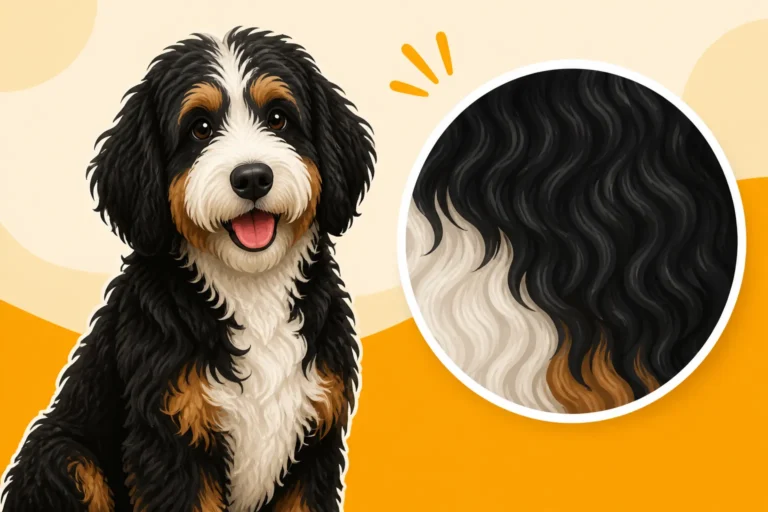
The curly coat in a Bernedoodle is a direct inheritance from their Poodle lineage. Poodles are known for their dense, single-layer, curly coats that grow continuously. The Bernese Mountain Dog, on the other hand, has a thick, double coat with a softer undercoat that sheds seasonally. When these two breeds are crossed, the offspring can inherit a variety of coat types, ranging from straight (rare, but it happens) to wavy, and, yes, very curly. The curlier the coat, the more dominant the Poodle genetics are in that particular aspect. This means the individual hairs are not straight; they form tight spirals, which naturally intertwine with each other and catch loose hairs, leading to matting if not properly managed. This genetic predisposition for curl is a blessing for allergy sufferers but a challenge for groomers.
What "Curly" Really Means for Grooming
For grooming purposes, a curly coat means two primary things: density and matting potential. The curls act like Velcro, easily snagging shed hairs, debris, and even moisture, which then combine to form tight knots, often referred to as mats. These mats start small, often hidden close to the skin, and can quickly grow into large, painful clumps that pull on your dog's skin, restrict movement, and can even cause skin infections if left untreated. Imagine trying to comb through a tangled ball of yarn that's also stuck to itself – that's what grooming a matted curly Bernedoodle can feel like. The density means that even if the surface looks fine, mats can be lurking underneath, right against the skin, where they are most difficult and painful to remove.
Puppy Coat vs. Adult Coat Change
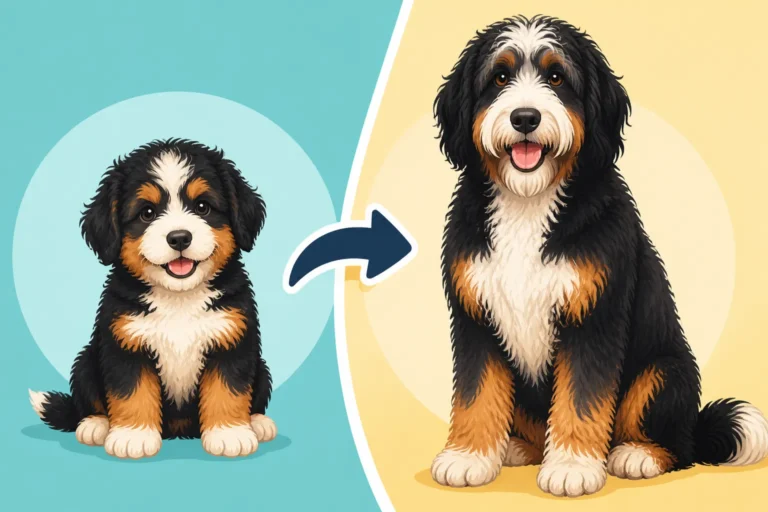
One of the most critical periods for a curly Bernedoodle's coat is when they transition from their soft, fluffy puppy coat to their more dense adult coat. This usually happens between 6 to 18 months of age, though it can vary. During this phase, the finer puppy hair gets trapped within the emerging, stronger adult hair, creating a perfect storm for matting. It's like trying to comb out two different textures of hair that are actively trying to cling to each other. Many owners find their previously manageable puppy suddenly becomes a matting machine overnight. This is often the time when people realize just how much dedication the curly coat demands. If you neglect grooming during this crucial period, you'll find yourself quickly overwhelmed by painful mats that may require a professional shave-down. It's a challenging time, but consistency is your best friend. Expect to increase your brushing frequency significantly, sometimes daily, during these months. The Month a Bernedoodle Puppy Starts Matting Daily is a must-read if you're approaching this stage.
Essential Grooming Tools and Techniques
Having the right tools is half the battle when it comes to maintaining a curly Bernedoodle coat. Without them, you'll be fighting a losing war against mats and tangles. It's worth investing in good quality equipment; cheap brushes can be ineffective, painful for your dog, or simply fall apart quickly. Think of these tools as an extension of your care for your beloved companion, making the grooming process more comfortable for both of you.
Must-Have Brushes and Combs
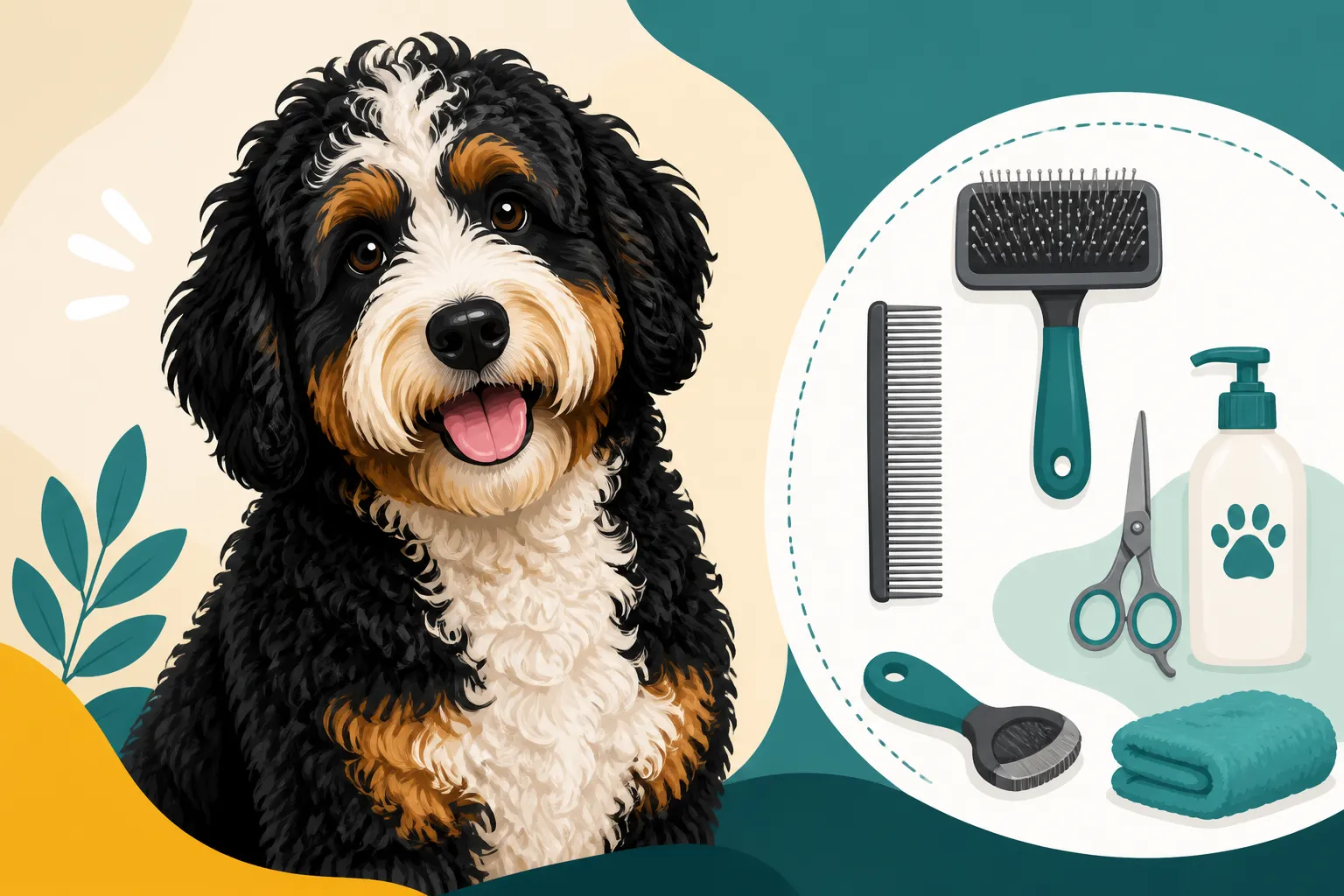
You'll need more than just one brush for a curly coat. Here's your essential arsenal:
- Slicker Brush: This is your primary weapon against mats. Look for one with firm, angled pins and a comfortable handle. The slicker brush helps to penetrate the dense coat and gently separate the curls, lifting loose hair and preventing it from tangling. When you're searching online, say on Amazon or Chewy, look for slicker brushes specifically designed for dense or curly coats.
- Long-Toothed Metal Comb: A good quality, sturdy steel comb with both wide and narrow teeth is indispensable. After using the slicker brush, the comb helps you check for any hidden mats close to the skin. It’s also excellent for line brushing (which we'll discuss next) and for sensitive areas like the face, ears, and tail. Ensure the teeth are rounded at the tips to avoid scratching your dog's skin.
- Dematting Tool: While prevention is best, sometimes a mat sneaks in. A dematting rake or comb with sharp, inwardly curved blades can help safely cut through small mats without damaging too much surrounding hair. Use these with extreme caution and never try to force them through a mat.
- Pin Brush (Optional, but helpful): While less effective for deep mat prevention, a good quality pin brush can be great for general detangling on a relatively mat-free coat and for distributing conditioning sprays.
The Slicker and Rake a Bernedoodle Needs goes into even more detail on specific types and how to choose.
Sprays and Conditioners for Easier Brushing
Brushing a dry, curly coat is asking for trouble. It can cause static, breakage, and discomfort for your dog. Conditioning sprays and detanglers are absolute lifesavers.
- Detangling Spray: Before you even touch a brush, generously mist your Bernedoodle's coat with a good quality detangling spray. This lubricates the hair, making it easier for the brush to glide through and reducing friction that can lead to breakage and new tangles. Look for sprays formulated for curly or long-haired breeds.
- Leave-in Conditioner: A leave-in conditioner applied after baths and between grooming sessions can keep the coat hydrated and less prone to matting. A well-hydrated coat is a more resilient coat.
- Water with a Touch of Conditioner: If you're in a pinch, a spray bottle filled with water and a tiny dash of dog-safe conditioner (just a few drops) can work as a makeshift detangler for daily brushing. Always patch test any new product on a small area first.
These products minimize damage and make the entire process more pleasant for your dog, turning a dreaded chore into a more tolerable, even enjoyable, bonding experience.
Setting Up Your Grooming Space
Your grooming environment matters, especially with a large, active dog like a Bernedoodle. A dedicated, comfortable space makes the process smoother for both of you.
- A Sturdy Grooming Table: This is a game-changer. A grooming table elevates your dog to a comfortable working height, saving your back and making it easier to reach all areas of their body. Many tables come with a grooming arm and loop to keep your dog safely in place, preventing them from wiggling off. You can find excellent options on Amazon.
- Good Lighting: You need to be able to see those hidden mats! Ensure your grooming area is well-lit, allowing you to thoroughly inspect the coat from root to tip.
- Non-Slip Surface: Whether on a table or the floor, make sure your Bernedoodle has a non-slip surface to stand on. This helps them feel secure and prevents unnecessary stress or injury from slipping.
- Treats and Patience: Seriously, these are essential tools. Positive reinforcement with high-value treats and a calm, patient demeanor from you will make your Bernedoodle more accepting of grooming. Start with short sessions, especially with puppies, and gradually increase the duration as they get used to it. What a Home Grooming Kit a Bernedoodle Needs lists more accessories to help with this.
Daily and Weekly Grooming Routine
Consistency is not just a buzzword here; it's the absolute cornerstone of managing a curly Bernedoodle coat. Skipping even a few days can mean the difference between a quick brush-out and a battle with burgeoning mats. Establishing a routine early on, ideally when they are puppies, helps your Bernedoodle become accustomed to the handling and makes the process less stressful for everyone involved.
The Daily "Quick Brush"
Even if your Bernedoodle doesn't look particularly matted, a quick daily brush is paramount for curly coats. Think of it as preventative maintenance.
- Focus Areas: Pay special attention to high-friction zones where mats love to form. This includes behind the ears, under the armpits, around the collar or harness area, the belly, the "britches" (the hair on their hind legs), and their tail. These spots get the most movement and rub against things, making them prime real estate for mats.
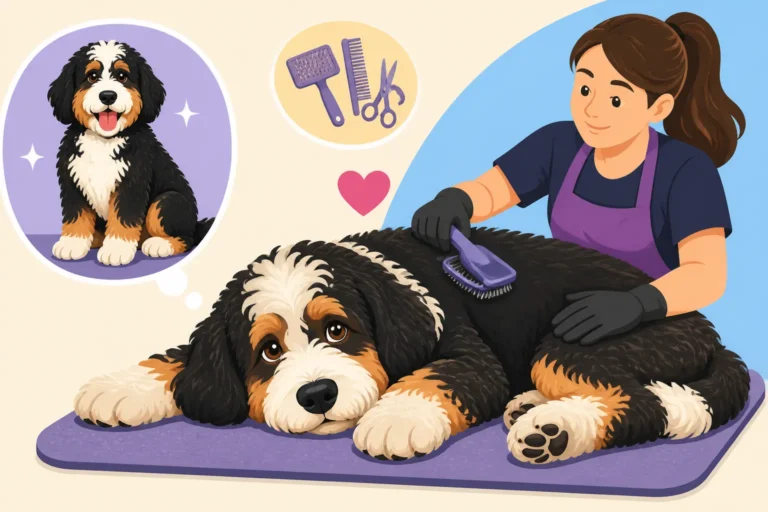
- Technique: Use your slicker brush to gently brush through these areas. Start from the ends of the hair and work your way up to the skin, always being careful not to scratch or pull. If you encounter a tiny tangle, use your conditioning spray and work it out gently with your fingers or the wide-toothed comb before going in with the brush.
- Time Commitment: This shouldn't take more than 5-10 minutes, depending on the size of your Bernedoodle and the length of their coat. The goal is to catch small issues before they become big ones.
This daily check-up is your first line of defense against matting, and it also reinforces positive association with grooming through regular, gentle handling.
The Weekly Deep Dive
Once a week, you'll need to commit to a more thorough grooming session. This is where you ensure you're getting all the way down to the skin, which is crucial for curly coats.
- Line Brushing Technique: This is the technique for dense, curly coats. It ensures you reach the hair right at the skin, where most mats start.
- Section the Coat: Using one hand, part your dog's hair horizontally, creating a line (like parting human hair). Hold the hair above the line up and out of the way.
- Brush Below the Line: With your other hand, use your slicker brush to brush the hair below the line, brushing downwards and outwards, thoroughly working through small sections at a time. Brush right from the skin out to the ends.
- Move the Line: Once you've thoroughly brushed that section, move your hand slightly up, creating a new line, and repeat the process. Continue this method over your entire dog's body, working systematically from head to tail.
- Full Body Comb-Through: After line brushing with the slicker, follow up with your long-toothed metal comb, using the same line brushing technique. If the comb glides smoothly from root to tip, you're golden. If it snags, you've found a mat that needs more attention.
- Time Commitment: A full line brushing session for a standard curly Bernedoodle can easily take 1-3 hours, sometimes more if they are shedding their puppy coat. The Weekly Hours a Standard Bernedoodle's Coat Takes is not an exaggeration – it's a significant time investment. Break it into smaller sessions if your dog (or your arm) gets tired.
Important Trouble Spots
While line brushing covers the whole body, some areas are notorious for matting and deserve extra scrutiny during every grooming session.
- Behind the Ears: This is probably the number one spot for mats. The hair here is often finer, gets tangled easily, and is frequently rubbed by collars or harnesses. Use your fingers to feel for mats and gently comb through with the fine end of your steel comb.
- Armpits and Groin: These areas experience constant friction from movement and often get sweaty, creating ideal conditions for tight mats. Always lift your dog's legs to thoroughly check these spots.
- Paws and Between Pads: Hair between the paw pads can collect dirt, debris, and snow, leading to painful mats and even infections. Keep this hair trimmed short, and regularly brush and inspect the paws.
- Under the Collar/Harness: If your Bernedoodle wears a collar or harness frequently, the hair underneath can quickly become compressed and matted. Make sure to remove these items for grooming and thoroughly brush these areas.
- The Britches and Tail: The long, feathery hair on the hind legs and tail can also mat easily, especially if it gets wet or dirty. Mats in a Bernedoodle's Armpits and Britches explains why these specific areas are such problem zones.
Being diligent about these trouble spots will save you a lot of headache and your dog a lot of discomfort in the long run.
Tackling Mats and Tangled Situations
Despite your best efforts, sometimes mats happen. A small mat isn't the end of the world, but knowing how to safely and effectively deal with them is crucial to prevent them from becoming painful, coat-damaging monsters. The key is to address them immediately and with extreme patience.
Preventing Mats Before They Start
The best mat is the one that never forms. Prevention truly is easier (and less painful) than trying to remove a deeply set mat.
- Daily Brushing: As discussed, this is your primary defense. Even 5-10 minutes a day can make a world of difference.
- Regular Professional Grooming: Even if you're committed to home grooming, regular appointments with a professional groomer (every 6-8 weeks) can help maintain the coat's integrity, get those hard-to-reach spots, and keep the coat at a manageable length.
- Appropriate Coat Length: While a long, flowing coat is beautiful, it's also more prone to matting. Discuss with your groomer what length is realistic for your lifestyle and your dog's activity level. A slightly shorter, but well-maintained, coat is far better than a long, matted one.
- Avoid Wet Matting: Never let your Bernedoodle air dry when wet, especially after a bath or swimming. Wet hair mats much faster and tighter than dry hair. Always blow-dry thoroughly.
- Harness and Collar Care: Choose harnesses and collars that minimize friction and remove them when not needed. Regularly brush the areas under them. Whether a Heavy Duty Harness Mats a Bernedoodle is a good read if you're concerned about your gear.
Strategies for Working Out Small Mats
If you find a small mat, don't panic. With the right approach, you can often work it out yourself.
- Isolate the Mat: Gently separate the matted section from the surrounding hair using your fingers.
- Apply Detangler: Generously spray the mat with a good detangling spray or a conditioning product. Let it sit for a minute or two to soak in and loosen the hair.
- Work from the Outside In: Never try to pull the mat apart from the base near the skin. Instead, start at the very ends of the matted hair and gently pick at it with the teeth of your steel comb or the tip of your slicker brush. Work tiny sections at a time, gradually moving closer to the skin as the outer layers loosen.
- "Splitting" Technique: For slightly larger, flatter mats, you can carefully use a seam ripper or a blunt-tipped pair of grooming scissors to make tiny cuts along the direction of the hair growth, effectively "splitting" the mat into smaller, more manageable sections. This allows you to then comb out those smaller sections. Splitting a Mat on a Bernedoodle provides a visual and detailed guide on how to do this safely. Always point scissors away from the skin.
- Patience is Key: This isn't a race. Take your time, offering treats and praise. If your dog gets stressed, take a break and come back to it later. Forcing it will only make them dread future grooming sessions.
When to Call in the Professionals
There are times when a mat is simply beyond your home grooming capabilities, and trying to tackle it yourself can cause more harm than good.
- Large, Tight Mats: If a mat is large, solid, and pulled tightly against your dog's skin, it's best left to a professional groomer. Attempting to remove these at home can be extremely painful for your dog, leading to skin irritation, cuts, or even tearing the skin.
- Multiple Mats or Matting "Pelts": If your Bernedoodle has numerous mats or if the matting is so severe that it forms a "pelt" covering a large area of their body, a professional groomer will almost certainly recommend a full shave-down. This is the kindest and safest option for your dog.
- Dog's Discomfort or Aggression: If your Bernedoodle is showing significant signs of pain, fear, or aggression when you try to work on a mat, stop immediately. A professional groomer has the tools, training, and experience to handle these situations with minimal stress to your dog. They might even opt for sedation in extreme cases, under veterinary supervision.
- Your Frustration: If you're feeling overwhelmed and frustrated, it's okay to admit defeat and seek professional help. Your dog will pick up on your stress, making the situation worse.
Remember, a professional groomer's priority is your dog's well-being. They've seen it all, and they won't judge you. A shave-down is not a sign of failure; it's a responsible choice to alleviate your dog's discomfort. Just be prepared for the extra cost, as What a Matted Bernedoodle Costs to Shave can be significant. Also, be aware that some groomers may turn away severely matted dogs or require a vet visit first. Whether a Groomer Will Turn Away a Matted Bernedoodle explains why this can happen.
Bathing and Drying Your Curly Bernedoodle
Bathing a large, curly-coated Bernedoodle isn't just a quick rinse. It's a multi-step process where the drying phase is arguably even more critical than the washing itself. Improper bathing and drying are huge contributors to matting, so getting this right is essential for maintaining their coat.
Pre-Bath Prep
Never, ever bathe a matted Bernedoodle. Water makes mats shrink and tighten, essentially cementing them into an impenetrable, painful pelt.
- Thorough Brushing First: Before any water touches your Bernedoodle, you must ensure their coat is completely free of mats and tangles. Perform a full line brushing session, making sure your comb can glide smoothly through every section of their coat, all the way down to the skin. If you find any mats, work them out before the bath. If you can't, a professional shave-down before the bath is the only humane option.
- Gather Your Supplies: Have everything ready: dog-specific shampoo, conditioner, towels, cotton balls for ears, and your high-velocity dryer. Trying to find things mid-bath with a wet, wiggling dog is a recipe for disaster.
- Ear Protection: Place cotton balls (not too deep) in your Bernedoodle's ears to prevent water from entering, which can lead to ear infections. Ear Infections in a Bernedoodle's Drop Ear are a common concern for these floppy-eared dogs, and preventing water ingress is a key preventative measure.
The Bathing Process
Once prepped, the bath itself can begin. Aim for bathing every 4-8 weeks, or as needed, depending on activity level and coat condition. Too frequent bathing can dry out the skin and coat, while too infrequent can lead to buildup and matting.
- Use Lukewarm Water: Ensure the water temperature is comfortable for your dog.
- Wet Thoroughly: Start by thoroughly wetting your dog's entire coat down to the skin. This can take a while with such a dense coat.
- Apply Dog-Specific Shampoo: Use a good quality dog shampoo. Dilute it slightly with water in a separate bottle for easier distribution. Work the shampoo into the coat gently, massaging it down to the skin. Avoid scrubbing vigorously, as this can create more tangles.
- Rinse, Rinse, Rinse: This is crucial! Residual shampoo can irritate the skin and lead to dullness or matting. Rinse until the water runs completely clear and you can no longer feel any slickness on the coat. Pay extra attention to the armpits, groin, and under the tail.
- Condition: Follow with a dog-specific conditioner. Apply it generously and let it sit for a few minutes as per the product instructions. This helps to hydrate the coat, close the hair cuticles, and make it smoother and less prone to tangles.
- Final Rinse: Rinse the conditioner out just as thoroughly as the shampoo.
The Critical Drying Phase
This is where many home groomers go wrong, and it's the most important step for preventing mats in a curly coat. Never, ever air dry a curly Bernedoodle.
- Towel Dry First: Gently squeeze excess water from the coat with towels. Avoid rubbing vigorously, which can create tangles.
- High-Velocity Dryer: This is an absolute non-negotiable tool for a curly Bernedoodle. A human hairdryer will take forever and often doesn't have enough power to get through the dense undercoat. A high-velocity (HV) dryer forces water out of the coat and helps to straighten the curls, making brushing much easier. You can find good quality HV dryers on Chewy or Amazon.
- Drying Technique:
- Start on a lower setting to get your dog used to the noise and sensation.
- Work section by section, starting from the back and moving forward.
- As you dry, use your slicker brush to continuously brush the coat in the direction of growth. This is called "line drying" or "stretch drying" and is vital for preventing the curls from reforming and matting as they dry. You want to stretch the hair straight as it dries.
- Ensure every layer of hair, right down to the skin, is bone dry. If the undercoat remains damp, it will mat almost instantly. Drying a Bernedoodle to the Skin is a great resource.
- Time Commitment: Drying a standard curly Bernedoodle thoroughly with an HV dryer can take anywhere from 1 to 3 hours, depending on coat density and length. It’s a workout, but it’s essential. How Long a Bernedoodle Takes to Dry Through highlights the commitment required. A damp coat is a matted coat waiting to happen.
Professional Grooming Considerations
Even the most dedicated home groomer will likely need to rely on a professional at some point. Knowing what to expect, how to communicate, and what questions to ask can make all the difference in ensuring your curly Bernedoodle gets the best care.
Finding a Groomer Experienced with Doodles
Not all groomers are created equal, especially when it comes to the unique challenges of doodle coats.
- Ask for Doodle Experience: When calling groomers, specifically ask if they have experience with Bernedoodles or other doodle breeds (Goldendoodles, Labradoodles, etc.). These coats require specific techniques and patience.
- Check Reviews and Referrals: Look for groomers with positive reviews that specifically mention their skill with curly or thick-coated breeds. Ask other Bernedoodle owners in your area for recommendations.
- Visit the Salon: If possible, visit the grooming salon before booking. Observe the cleanliness, how dogs are handled, and the general atmosphere. A good groomer will be happy to answer your questions and show you around.
- Communication is Key: A good groomer will listen to your preferences, discuss coat condition, and offer advice. Be upfront about your dog's temperament and any specific concerns you have.
Understanding Grooming Schedules and Clips
Regularity is key for professional grooming, just as it is for home care.
- Frequency: Most curly Bernedoodles benefit from professional grooming every 6-8 weeks. Some owners might opt for every 4 weeks if they prefer a shorter cut or if their dog is particularly prone to matting.
- Choosing a Clip: There are many styles, but for a curly Bernedoodle, functionality often trumps aesthetics, especially during warmer months.
- Puppy Cut/Teddy Bear Cut: This is a common, all-over uniform length (usually 1-2 inches) that keeps the dog looking cute and minimizes matting potential while still leaving some fluff.
- Summer Cut/Sporting Clip: For hotter climates or active dogs, a shorter clip (around ½ to 1 inch) can be a practical choice. While some debate Whether Shaving Actually Cools a Bernedoodle, a shorter coat certainly makes it easier to keep clean and mat-free. Be clear about your desired length and what you're comfortable with. The Clip a Bernedoodle Owner Should Ask For in July provides more guidance on summer cuts.
- Face, Paws, and Hygiene Trims: Even between full grooms, you might need to schedule "mini-grooms" for quick trims around the eyes, paw pads, and sanitary areas. This helps keep your dog comfortable and clean.
What a Standard Bernedoodle Groom Costs will give you an idea of the expense involved. It's a significant investment, but a necessary one for these coats.
The Cost of Neglect
Ignoring your curly Bernedoodle's coat needs can quickly lead to a very difficult, and often expensive, situation.
- "Dematt" Fees: If your dog arrives at the groomer with mats that can be safely removed without shaving, be prepared to pay extra for the time and effort involved. Dematting is tedious, time-consuming, and hard on the dog.
- Shave-Downs: For severe matting, a groomer will recommend (or insist on) shaving the dog down completely. This is not just a stylistic choice; it's a humane necessity. The cost can be higher due to the difficulty and potential risk involved in shaving a matted coat, which can hide skin issues or even create tension that causes cuts. What a Matted Bernedoodle Costs to Shave illustrates that this isn't a cheap option.
- Veterinary Bills: Severe matting can lead to skin infections (hot spots), yeast infections, painful irritation, and restricted movement. In extreme cases, blood flow can be compromised, or even insect infestations can occur beneath the mats, all requiring costly veterinary intervention.
- Pain and Discomfort for Your Dog: Most importantly, neglect causes your dog immense pain and discomfort. Mats pull on the skin, can hide parasites, and make simple actions like lying down or stretching painful. Ensuring their comfort is part of being a responsible owner.
Maintaining a curly Bernedoodle's coat is a commitment, but with the right tools, techniques, and consistent routine, it's a manageable and rewarding part of sharing your life with these wonderful dogs.
Disclaimer
This article is for general informational purposes only and does not constitute professional advice. Laws, prices and regulations vary by location and change over time. Consult a qualified professional for guidance on your specific situation.